
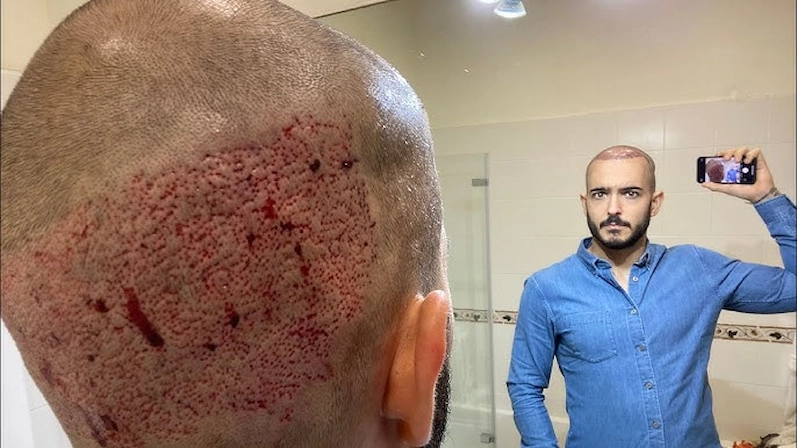
Understanding which symptoms are expected and which require medical attention is part of safe treatment planning. Some changes, such as shock loss or delayed hair growth, can occur weeks after surgery and may be mistaken for treatment failure.
Hair Transplant Mexico is located in San Pedro, Monterrey, Mexico, an affluent area in northern Mexico. Dr. Antonio Aguilar, a physician specializing in FUE Hair Transplant and Hair Restoration, helps patients understand potential risks, candidacy, and recovery timelines.
Key Takeaways
- Most post-transplant reactions are temporary and may include swelling, itching, scabbing, mild pain, numbness, and shock loss.
- Less common complications can include infection, bleeding, folliculitis, scarring, or poor growth, especially without proper medical oversight.
- Long-term results depend on donor area quality, graft survival, continued native hair loss, and the original treatment plan.
- Patients should contact a doctor if they notice fever, pus, spreading redness, severe pain, heavy bleeding, or worsening symptoms.
- Risk can be reduced through medical evaluation, clear treatment planning, doctor-led care, proper aftercare, and structured follow-up.
What Side Effects Can Happen?
Hair transplant surgery moves hair grafts from a donor area to a recipient area where density is needed. This surgical procedure affects the scalp surface, small blood vessels, and surrounding tissue. Most reactions are part of normal healing, but some problems need medical review.
Patients should know the difference between recovery symptoms and complications.
Common Short-Term Symptoms
Common short-term symptoms often include:
- Redness
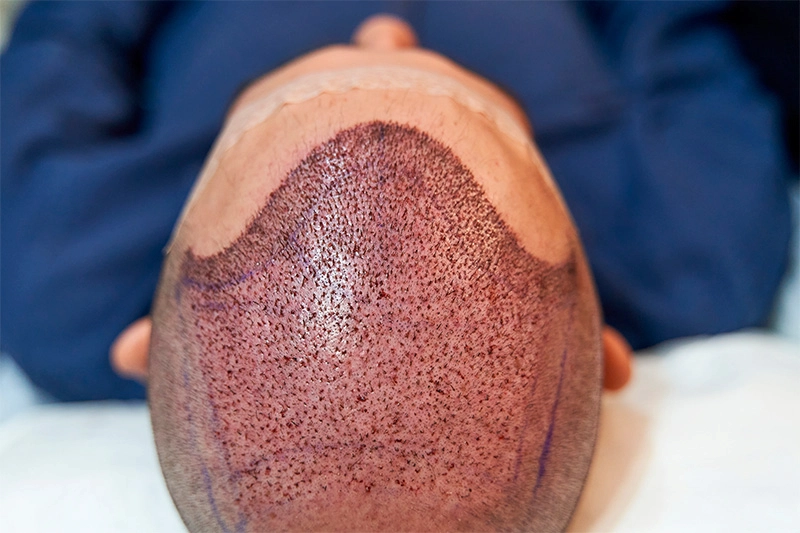
- Swelling

- Mild bleeding
- Itching
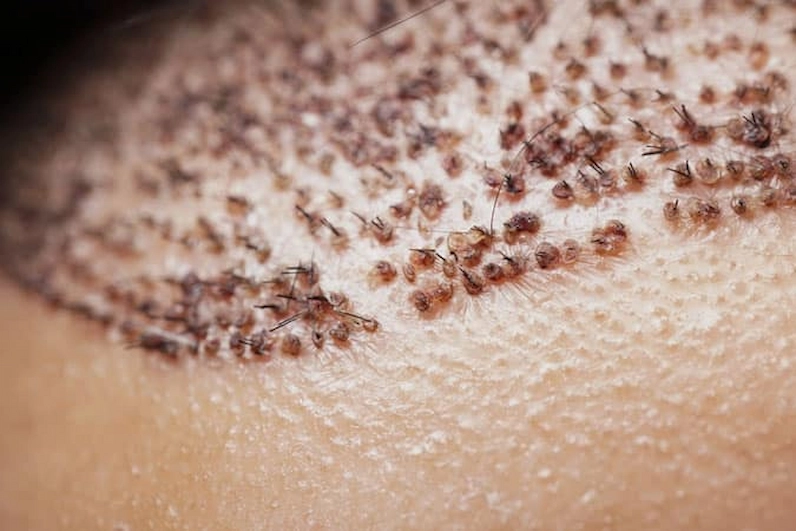
- Crusting
- Tenderness
- Tightness
- Scalp sensitivity
- Small scabs around transplanted follicles
These reactions usually appear in the donor area and the recipient site after the hair transplant procedure. They often improve as the skin closes and the blood supply supports healing. Patients should not pick scabs because early trauma can affect graft placement.
Infection, Bleeding, and Folliculitis
Infection can occur when bacteria enter healing skin. Signs may include warmth, increasing redness, pus, fever, or worsening pain. Bleeding can also occur during the early post-operative period, especially if the patient rubs the scalp or ignores activity limits.
Folliculitis is inflammation around follicles. It can look like small pimples in the recipient area or donor area. Mild cases may settle with care, but persistent bumps should be checked by a physician.
Pain, Tenderness, and Numbness
Pain and tenderness can happen because the skin has been punctured, numbed, and handled during surgery. Many patients describe pressure, soreness, or sensitivity rather than severe pain. Discomfort depends on session size, skin response, and healing pattern.
Numbness can occur when small nerves in the scalp become irritated. Sensation often returns over time, but recovery may take weeks or months. Persistent numbness should be discussed during follow-up.
Swelling, Itching, and Scabbing
Swelling can appear near the forehead, scalp, or upper face after surgery. It usually relates to fluid movement and tissue response. Sleeping position and aftercare instructions can affect the extent of swelling.
Itching and scabbing often reflect skin healing. The recipient area may feel dry or tight as small crusts form around implanted follicles. Patients should gently wash the scalp with an approved shampoo, avoid scrubbing or scratching the recipient area, and let water flow lightly over the grafts.
They should pat the scalp dry instead of rubbing, and follow their physician’s timeline before resuming normal washing or learning when they can rub their head after a hair transplant.
Temporary Shedding
Temporary shedding can happen after transplantation and is often called shock loss. It may affect transplanted strands or nearby native hair. Shedding can worry patients, but it does not always mean the grafts have failed.
Hair growth follows a slow cycle after surgery. New growth often starts months later, and visible density takes more time. Patients need clear expectations because early appearance does not show the final result.
Side Effects in Male Patients
Male patients often have concerns about density, donor supply, and continued male pattern hair loss after a transplant. Men may focus on the frontal hairline, temples, crown, or beard area, depending on their goals and hair loss pattern. Each area has different planning needs and limitations.
Male pattern hair loss can continue to progress after surgery. A transplant can move follicles, but it does not stop future thinning in untreated areas. Medical planning should consider age, family history, donor quality, and long-term stability.
Donor Area Changes
The donor area usually sits at the back or sides of the scalp. In Follicular Unit Extraction (FUE), individual follicular units are removed from this area. If too many grafts are taken, the area can look thin or uneven.
Careful planning of the donor area in a hair transplant matters because the supply is limited. A careful plan spreads extraction and protects visible density. Poor planning can create patchiness that may be hard to correct.
Hairline Density Concerns
The frontal hairline needs careful design because it frames the face. If the density is too low, the result may look thin. If the line is too low or too sharp, it may look unnatural as the patient ages.
Density depends on graft number, caliber, curl, color contrast, and scalp visibility. A patient with fine dark strands and light skin may need different planning than someone with a thicker texture. This is why expectations should be set before treatment.
Continued Male Pattern Hair Loss
A transplanted area may remain stable while the surrounding native hair continues to thin. This can create gaps behind the restored hairline or new thinning in the crown. The long-term plan should address current loss and likely future loss.
Some patients may need medical therapy, staged procedures, monitoring, or a second hair transplant if future thinning changes the original plan. Others may not be candidates for dense coverage if donor supply is limited. Clear planning helps reduce disappointment and avoid early overuse of grafts.
Long-Term Side Effects
Long-term concerns after a hair transplant often focus on how results look years later. Possible issues include visible scarring, uneven density, thinning of the donor area, poor graft growth, and continued loss of native hair. Hair restoration surgery side effects can also include cosmetic concerns when the final density, angle, or coverage does not match expectations
What Happens 10 Years Later?
Ten years after a transplant, transplanted follicles may still grow if they came from a stable donor zone. Surrounding natural strands can continue to thin with age or genetic loss. This can change the overall look even when transplanted follicles remain active.
Some patients maintain a balanced result for many years. Others may need another evaluation if new thinning appears. Long-term planning should avoid using all donor grafts in one early session.
Transplanted Hair Over Time
Transplanted follicles usually follow normal growth cycles after they establish a blood supply in the recipient site. Growth can improve through the first year, and texture may change as follicles mature. Final density depends on graft survival, placement, and patient healing, while uneven placement may contribute to a cobblestone hair transplant appearance.
No surgeon can guarantee identical growth in every patient. Scalp condition, medical history, aftercare, and technique all affect outcomes. Patients should view results as a biological process, not an instant cosmetic change.
Future Hair Loss
Future loss can occur in areas that were not transplanted. This often matters in the crown, mid-scalp, and areas behind the hairline. A good treatment plan considers the likely pattern of future thinning.
What Affects Side Effect Risk?
Risk varies because every patient has different skin, health, donor supply, and healing response. Technique also matters, including Follicular Unit Transplantation (FUT), Follicular Unit Extraction (FUE), DHI (Direct Hair Implantation), and pen-based implantation methods. These methods can be safe when performed with proper training, sterile technique, and medical oversight.
Patients often compare countries because transplantation is available in many regions at different price points. Useful comparisons should focus on physician involvement, regulatory standards, clinic oversight, patient follow-up, and continuity of care. High-volume or minimally supervised models can create different risks, regardless of location.
Patient Health
Patient health affects healing and the risk of complications. Diabetes, smoking, bleeding disorders, certain medications, immune problems, or skin disease can change how the scalp responds. A physician should review the medical history before any procedure.
Candidacy also depends on the cause of loss. Genetic thinning, scarring alopecia, traction alopecia, and inflammatory scalp disease require different approaches to planning. Some patients need diagnosis or stabilization before surgery makes sense.
Surgical Technique
FUE removes individual follicular units, while FUT removes a strip of tissue that is divided into grafts. DHI is an implantation approach in which grafts may be placed using pen-like tools. These options differ in workflow, scarring pattern, shaving needs, and recovery experience.
No technique works the same for every patient. The right plan depends on donor supply, target area, graft count, strand characteristics, and clinical judgment. The method should support the medical goal rather than follow a trend.
Medical Oversight
Doctor-led care matters because transplantation is a medical procedure, not only a cosmetic service. A physician should evaluate candidacy, explain potential risks, plan the donor area, and respond to complications. Dr. Antonio Aguilar’s role at Hair Transplant Mexico can be understood in this clinical context.
Medical oversight also supports informed consent. Patients should know what will happen before, during, and after surgery. They should also know who performs each step and who manages follow-up.
When to Contact a Doctor
Some symptoms after surgery are expected, but others need medical review. Patients should not wait to seek care when symptoms become intense, persistent, or unusual. Contacting a qualified physician is the safest course of action when recovery does not follow the expected pattern.
This matters even when the procedure took place abroad. Patients who travel for care should know how follow-up works before surgery. They should also have clear instructions for local medical help if urgent symptoms appear after returning home.
Normal Recovery vs Warning Signs
Normal recovery may include mild soreness, temporary swelling, small scabs, itching, and short-term redness. These symptoms should gradually improve. A stable or improving pattern is usually more reassuring than worsening symptoms.
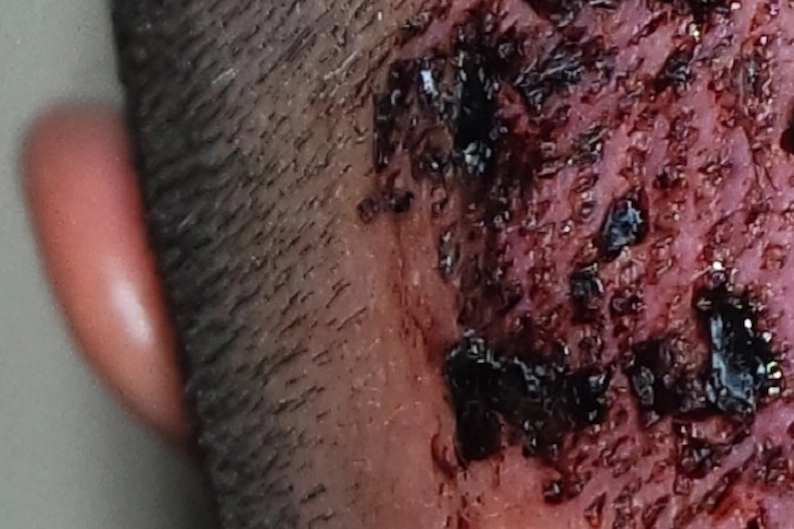
Warning signs include spreading redness, fever, pus, severe pain, heavy bleeding, or sudden swelling that feels unusual. A bad odor or warm, painful skin may also suggest infection. These signs should not be ignored until a routine follow-up.
Symptoms That Need Medical Review
Patients should seek review when discomfort increases after the first few days. They should also report persistent numbness, drainage, bleeding that does not stop with pressure, or scabs that look infected. Early review can help prevent a small issue from becoming more serious.
Medical review may include scalp inspection, medication changes, cleaning guidance, or additional follow-up. The goal is to protect healing tissue and graft survival. It also helps the patient understand what is normal for their stage of recovery.
How to Lower Your Risk
Patients can lower their risk by choosing proper evaluation, understanding the plan, and following recovery instructions. They should ask who performs the procedure, how grafts are handled, and how complications are managed. These questions apply in Mexico, the United States, Turkey, and any other destination.
A lower price should not be the only deciding factor. Patients should review medical oversight, clinic processes, and access to follow-up. Value comes from safe planning, clear communication, and realistic long-term care.
Medical Evaluation
A medical evaluation should review health history, medications, scalp condition, donor supply, and the pattern of loss. It should also assess whether the patient needs treatment before surgery. This step helps determine whether the patient is a good candidate.
The evaluation should include expectations. Patients should know what can improve, what may remain limited, and how long visible growth may take. Clear expectations reduce confusion during the slow growth phase.
Clear Treatment Planning
A clear plan explains the donor and recipient areas, the graft estimate, the technique, and the expected recovery. It should also cover the limits of coverage and the possibility of future loss. This helps patients understand both the benefits and the potential risks.
Planning is especially important for the crown and frontal hairline. These areas can require different density strategies. A conservative plan may protect donor supply for future needs.
Proper Aftercare
Proper aftercare protects the scalp while the grafts settle. Patients should follow instructions on washing, activity, sun exposure, hats, and medications. They should avoid scratching, picking scabs, or applying products without approval.
Useful risk-reduction steps include:
- Attend the medical evaluation before surgery
- Share all medications and health conditions
- Follow washing and sleeping instructions
- Avoid intense exercise during early recovery
- Report warning signs early
- Keep scheduled follow-up visits
To better understand your candidacy, risks, and recovery timeline, schedule a free consultation with Hair Transplant Mexico. A medical evaluation can help you review your options and make an informed decision.