
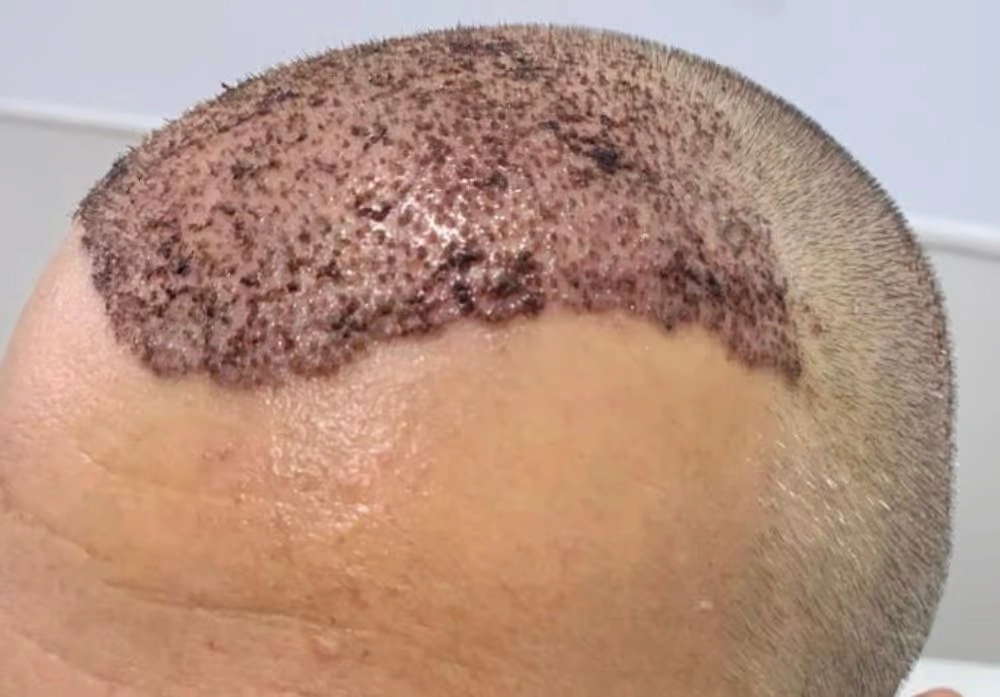
A physician should evaluate the scalp before any repair plan because folliculitis, scabbing, ingrown follicles, and normal healing bumps can look similar early on. Dr. Antonio Aguilar, a physician experienced in FUE micrografting and restoration surgery, may assess graft depth, graft direction, skin healing, and recovery timing before recommending treatment.
This helps separate temporary healing changes from structural irregularities that may need correction.
Key Takeaways
- A raised texture after surgery can happen when grafts heal at the wrong depth, when recipient sites are poorly matched, or when scar tissue creates an uneven surface.
- Mild bumps may improve during the healing process, but a persistently uneven texture should be evaluated by a physician before choosing a treatment.
- This issue may resemble scabbing, folliculitis, ingrown follicles, or normal swelling, so diagnosis should precede repair.
- Treatment may involve observation, medical scalp care, laser-based skin treatment, graft removal, or corrective transplantation, depending on the cause.
- Prevention depends on careful graft handling, correct depth, physician oversight, and clear follow-up after the procedure.
What Is Hair Transplant Cobblestoning?
This effect is a surface irregularity in the recipient area. It creates small raised bumps around implanted follicles. The texture can resemble tiny stones under the skin, which explains the name.
This issue usually relates to how the grafts entered and healed in the scalp. A graft contains follicles and surrounding tissue. If the placement of grafts does not match the correct depth, the skin may heal with raised points instead of a flat surface.
This condition is different from normal scabbing after surgery. Redness, crusting, and mild swelling are common during early recovery. A true surface problem tends to remain after the first healing stage has passed.
Cobblestone Appearance after a Hair Transplant
The uneven texture usually appears in the transplanted area. Patients may notice it at the frontal line, temples, or crown. It can become more visible when new growth is thin or when light reflects across the scalp.
In mild cases, the scalp may only feel uneven when touched. In more visible cases, raised bumps can affect the natural look of the result, especially near the frontal line. A doctor should evaluate the pattern because similar bumps can come from folliculitis, scabs, ingrown follicles, or delayed inflammation.
Raised Bumps and Uneven Texture
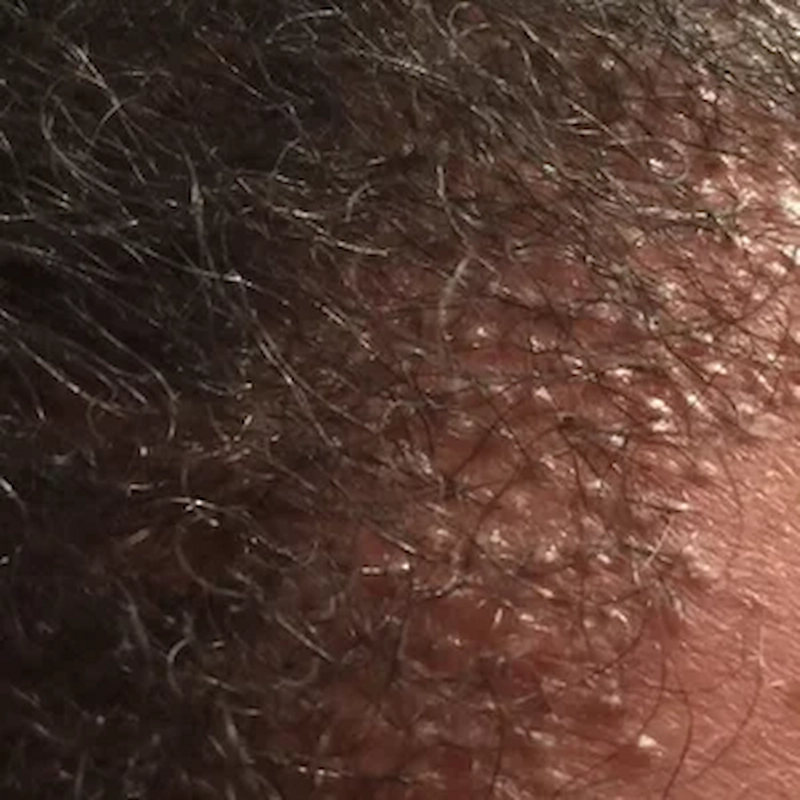
Raised bumps may sit around individual grafts or appear as a clustered surface change. The skin may appear slightly lifted rather than smooth. This can make the result look less refined, even if the follicles survive.
The severity depends on the skin response and the surgical technique. Graft handling, incision size, and implantation depth all matter. The healing process then determines how the final surface settles.
Cobblestoning vs. Normal Healing
- Normal healing usually changes week by week. Redness, crusting, itching, and mild swelling often appear during the first days after surgery and tend to improve as the scalp settles.
- Normal healing is usually temporary. These changes sit on the surface or around healing skin, and they usually do not create firm, repeated bumps around grafts after the early recovery stage.
- Cobblestoning tends to last longer. The bumps often remain after scabs are gone and swelling has improved.
- Cobblestoning may feel more fixed. The raised areas can sit around implanted follicles, feel firm to the touch, or create an uneven surface in the recipient area.
- Folliculitis can look similar but has different signs. It often causes inflamed pimples, tenderness, redness, or small whiteheads, and it may respond to medical scalp care rather than surgical correction.
Why the Texture Happens
This problem can happen when the skin and graft do not heal flush with the surrounding scalp. It may involve surgical technique, tissue size, scalp thickness, inflammation, or scar behavior. It does not always come from one single cause.
Modern FUE (Follicular Unit Extraction) and DHI (Direct Hair Transplant) methods place individual follicular units into small recipient sites. FUE removes follicular units one by one from the donor area, while DHI uses an implantation pen to place grafts into the recipient zone. Both techniques require careful control of angle, depth, and tissue handling.
Graft Depth and Angle
Depth plays a central role in surface texture. If a graft sits too shallow, tissue may heal above the skin line. If it sits too deeply, other issues can occur, including pitting or delayed healing.
The correct depth depends on graft length, scalp thickness, and recipient-site design. The follicle must sit securely while the surface tissue aligns with the surrounding skin. This balance supports hair growth and a smoother texture.
Recipient Site Size and Scarring
Recipient sites are the small openings created for graft placement. If a site is too large, the skin may heal with visible texture or scarring. If a site is too small, the graft may experience compression or trauma.
Some patients also form more scar tissue than others. Scar behavior can be influenced by genetics, skin type, inflammation, infection, or repeated procedures. Patients with prior scalp scars may need a more cautious plan.
How Common Is This Complication?
True long-term raised texture after modern restoration surgery appears uncommon, but there is no reliable published percentage for this specific complication.
Broader studies report total complication rates ranging from 1.2% to 4.7%, yet they often group recipient-site problems into categories such as folliculitis, scarring, crusting, swelling, or infection rather than measuring these issues separately.
This means a precise rate would be misleading. Temporary bumps, crusting, swelling, and folliculitis are more common during recovery, while a lasting irregular surface caused by graft depth, graft size, or scar response is less common.
The most accurate way to describe the risk is that it is rare in well-planned modern procedures, but more likely when graft handling, recipient-site sizing, or implantation depth is not controlled.
Does the Texture Go Away?
Some early texture changes can improve as swelling fades and the skin remodels. The scalp can continue to change for months after surgery. This is why doctors often avoid early revision unless infection or another urgent issue appears.
Persistent raised areas may not fully disappear on their own. If grafts healed above the skin surface or scar tissue formed, the area may need treatment. The right option depends on whether the issue is inflammatory, textural, or surgical.
When to Reassess
Patients should reassess if raised texture remains after early healing. They should also seek advice if bumps worsen rather than improve. A delayed change may signal inflammation, folliculitis, or scar activity.
Reassessment should include photos, symptoms, and the surgery timeline. Patients should note when the bumps appeared, whether they hurt, and whether there is drainage. These details help the physician identify the likely cause.
Medical Evaluation for Surface Irregularity
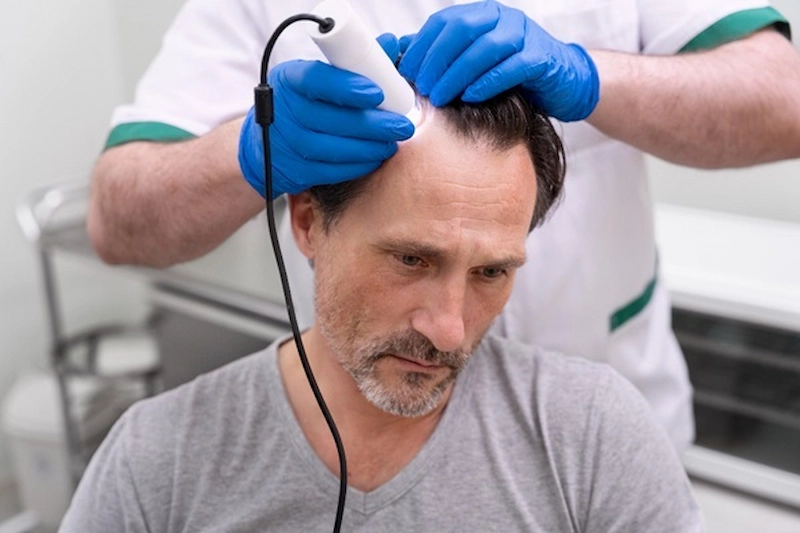
A medical evaluation starts with the scalp, not with a treatment menu. The doctor looks at texture, graft direction, density, redness, and signs of inflammation. The goal is to identify the cause of the irregularity before choosing a correction.
The review may include a scalp exam, healing timeline review, and graft placement review. The physician checks whether the grafts sit flush with the skin, whether the recipient sites match the graft size, and whether inflammation is active. This step helps avoid unnecessary revision.
A useful consultation should also address expectations and review who is not a good candidate for a hair transplant when scalp health, donor supply, or healing risks may affect the plan. Some texture problems can improve, while others can only be reduced. Patients should understand the limits before starting corrective care.
Cobblestone Hair Transplant Treatment
Treatment depends on whether the texture is temporary, inflammatory, or structural. A patient with early swelling may need observation and scalp care. A patient with persistently elevated grafts may require procedural correction.
Treatment should not start with assumptions. Some bumps respond to medication, while others respond to laser or minor skin procedures. More complex cases may require graft removal, re-implantation, or corrective restoration surgery.
Observation and Time
Observation is common when the procedure is recent. The skin may look uneven while inflammation decreases and crusts detach. A doctor may recommend waiting before deciding on repair. During this waiting period, some patients may also review hair transplant alternatives if the scalp is not ready for another procedure or if surgery is not the right next step.
During this stage, patients should avoid picking, scratching, or aggressive massage. Trauma can irritate the recipient area and affect healing. Photos under similar lighting can help show whether the texture is improving.
Skin, Laser, or Surgical Correction
Treatment depends on the cause of the raised texture. A physician should first determine whether the issue stems from inflammation, scar tissue, graft depth, or poor graft orientation. Each option works differently and has different limits.
- Topical care: Topical treatments may help when redness, irritation, or mild inflammation affects the scalp surface. These products support calmer healing, but they do not reposition grafts or correct a structural surface change.
- Anti-inflammatory medication: Medication may help when swelling, folliculitis, or active irritation contributes to bumps around follicles. This approach targets inflammation first, which can make the texture easier to evaluate once the scalp settles.
- Laser-based treatment: Laser treatment may improve selected scar texture, redness, or skin remodeling over time. It works on the skin surface and a deeper healing response, but it cannot change graft angle, graft depth, or unnatural placement.
- Minor skin revision: Skin-focused procedures may smooth small raised areas when the main issue is scar tissue or uneven surface healing. These treatments remove or remodel affected tissue, so timing matters because the scalp must be stable before correction.
- Graft removal: Graft removal may help when specific implanted follicles sit too high or create visible bumps. The doctor carefully removes selected grafts to reduce texture without causing unnecessary trauma.
- Corrective transplantation: Corrective surgery may help when raised grafts, poor direction, or unnatural placement affect the final result. The repair can include removing selected grafts, placing new grafts, or redesigning part of the frontal line, but it requires careful planning because the scalp already has scar tissue.
Expectations
Raised texture varies by cause, severity, and healing stage. Mild bumps may come from swelling, crusting, or temporary inflammation, while persistent uneven areas may involve scar tissue, graft depth, or graft position. This is why a physician should confirm the cause before recommending any repair.
A small issue may only need monitoring, photos, and routine scalp care while the healing process continues. If folliculitis or inflammation is present, medical treatment may be needed first. If additional grafts are needed, the physician should also review the donor area after a hair transplant to confirm the available donor supply and plan the correction safely.
Timing also matters. Repair is often delayed until the scalp has stabilized, as early correction can irritate healing tissue or worsen scarring. A realistic plan should focus on improving texture safety rather than rushing into a procedure.
Before-and-After Photos
Photos can show how the raised texture may improve. They can also show how strand length, lighting, density, and angle change the appearance. Patients should view photos as examples, not guarantees.
Good photos should use similar lighting and distance. Wet strands, shaved areas, or harsh light can reveal texture more clearly. A three-month image does not represent a final result because new growth and skin remodeling can continue for many months.
Doctor-Performed Implantation
Doctor-performed implantation means a qualified physician stays involved in surgical decisions and key technical steps. This matters because follicle restoration is a medical procedure that affects skin, follicles, blood supply, and scarring. Patients should know what the doctor does directly and what trained staff may assist with.
No method should be viewed as guaranteed or automatically better for every patient.
Travel and Follow-Up
Travel matters because early care and follow-up affect recovery. Patients comparing regional access options can also review why a hair transplant in Mexico near Texas may reduce travel complexity while keeping follow-up planning practical.
Follow-up may include photo reviews, medication guidance, and washing instructions. Patients should compare destinations based on medical oversight, communication, and post-procedure access.
When to Contact a Doctor
Patients should contact a doctor when texture changes are painful, worsening, or linked to signs of infection. Pain, heat, pus, spreading redness, or fever can suggest infection and should be reported to a medical professional for attention. Waiting too long can affect comfort, healing, and follicle survival.
Worsening texture after the early healing phase also deserves review. A raised surface that spreads, hardens, or becomes more visible may need treatment. A proper evaluation helps clarify the cause and avoid unnecessary or poorly timed repair.
Schedule a free consultation to have the scalp evaluated and understand the safest treatment options.