
Some itching, dryness, or early shedding can still happen as the scalp starts to feel more normal. Contact your doctor if pain, swelling, redness, bleeding, or discharge worsen rather than improve. At Hair Transplant Mexico, Dr. Antonio Aguilar and his team guide patients through recovery with doctor-led follow-up, FUE and DHI techniques, and personalized aftercare instructions.
Key Takeaways
- Ten days after a hair transplant, most grafts are usually more secure, swelling and redness are often reduced, and many scabs begin to loosen during washing.
- Mild itching, dryness, redness, and early shedding can still be normal at this stage, but worsening pain, pus, fever, or significant swelling should prompt a visit to a doctor.
- Patients can often resume light daily activities after day 10, though the scalp still requires gentle care and protection from scratching, sweating, and sun exposure.
- Shock loss can begin during the early recovery period, but shedding of transplanted hairs does not usually mean the procedure failed, as the follicles remain under the skin.
- Hair Transplant Mexico uses doctor-led FUE and DHI procedures with the LION implantation pen and provides detailed aftercare guidance throughout the recovery period.
What Happens on the 10th Day After a Hair Transplant?
On the 10th day after the procedure, the scalp usually enters a more stable post-procedure phase. Most scabs begin to loosen, swelling should be lower, and the recipient area may look cleaner than it did during the first week. Your procedure may feel easier to manage, but the scalp still needs care. You can also follow this post-procedure care guide for general recovery steps.
At this stage, the skin is closing around the grafts, but the surface can still be sensitive. Some crusts may fall off during washing, and mild redness or itching may persist as the scalp heals. You should not pick at scabs, even if they look ready to come off.
You should gently wash only the scalp, as instructed by your clinic. The visible hair shafts may shed later as part of the normal growth cycle, but the follicles below the skin matter most. Early shedding does not usually mean poor long-term results.
How Secure Are Grafts After 10 Days?
Most grafts are secure by the tenth day, making them less likely to shift with gentle washing or light contact. Still, secure does not mean fully healed, and some patients may need closer to two weeks for the scalp to feel fully settled. Keep avoiding pressure, rubbing, and forceful scab removal until your clinic clears you.
This stage usually means lower risk, not zero risk. Heavy sweating, tight hats, scratching, or impact can still irritate the scalp and affect healing. If you see bleeding, pain, pus, or tissue attached to a fallen hair, contact your clinic for review. For more context on warning signs, you can also review failed graft warning signs.
How Does the Scalp Look After 10 Days?
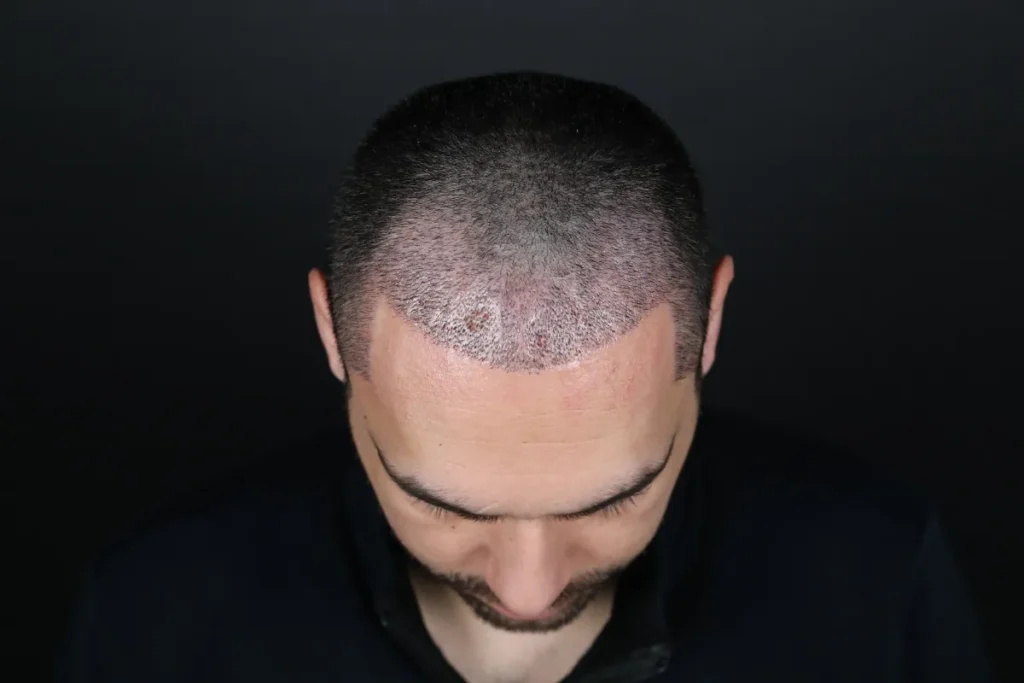
The scalp often looks cleaner, with fewer scabs, less redness, and shorter visible hairs in the treated area. Pictures may show light crusting, pink skin, dryness, or uneven texture. This can look patchy because different areas heal at different speeds.
Photos can help you compare your healing, but they cannot confirm the final result. Lighting, hair length, skin tone, graft number, and camera angle can change how healing looks. If a photo shows swelling, bleeding, pus, or spreading redness, send it to your clinic for review.
Donor Area After 10 Days
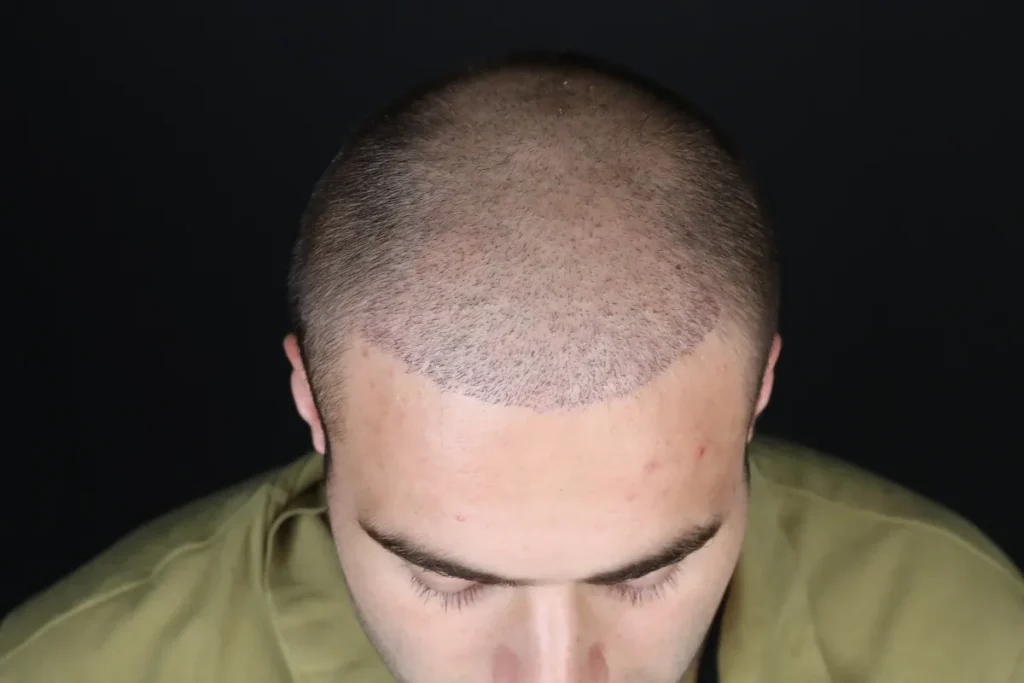
The donor area usually looks more healed than the recipient area. Small extraction sites from FUE (Follicular Unit Extraction) often close within the first week, though mild redness, dryness, or sensitivity may persist. Short hair growth can also help cover the donor area as healing continues.
At Hair Transplant Mexico, Dr. Antonio Aguilar uses FUE and DHI (Direct Hair Techniques) techniques to support precise graft handling and placement. To understand how the two methods compare, review our guide to FUE vs. DHI techniques.
The clinic also uses the LION implantation pen to ensure consistent implantation quality. These methods support modern hair restoration when paired with proper aftercare.
What Can I Do 10 Days After a Hair Transplant?
Many patients can return to basic routines such as desk work, walking, light activity, and carefully washing their hair. You may also be able to wear a loose-fitting hat if it does not rub against or put pressure on the grafts.
Work that involves helmets, dust, heat, heavy lifting, or prolonged sweating may require greater caution. If you are unsure when to restart training, this guide on exercise after your procedure explains safer timing in more detail.
A safe day-10 washing routine may include:
- Use lukewarm water.
- Apply only approved shampoo.
- Massage with the pads of your fingers.
- Avoid fingernails.
- Do not scrub the recipient area.
- Rinse gently.
- Let the scalp air-dry, or pat the area with care.

Can I Touch or Remove Scabs?
You can usually touch your scalp gently, but you should not pick, scratch, or pull at scabs. Light contact during washing is different from forceful removal. The skin should release scabs naturally.
If your doctor instructs you to remove scabs, follow only the approved washing steps. This may include soaking, soft circular motion with fingertips, and gentle rinsing. If scabs do not loosen, do not force them.
Hair Loss After Day 10
Hair loss post-restoration procedure can be normal during the recovery. Many patients begin shedding transplanted hair in the first few weeks after surgery. This process is often called shock loss.
Shock loss occurs because the follicles temporarily react to the procedure, entering a resting phase before new hair growth begins. In many cases, the visible hairs fall out first, while the roots remain protected under the skin. This stage can look concerning, but it is often part of normal recovery.
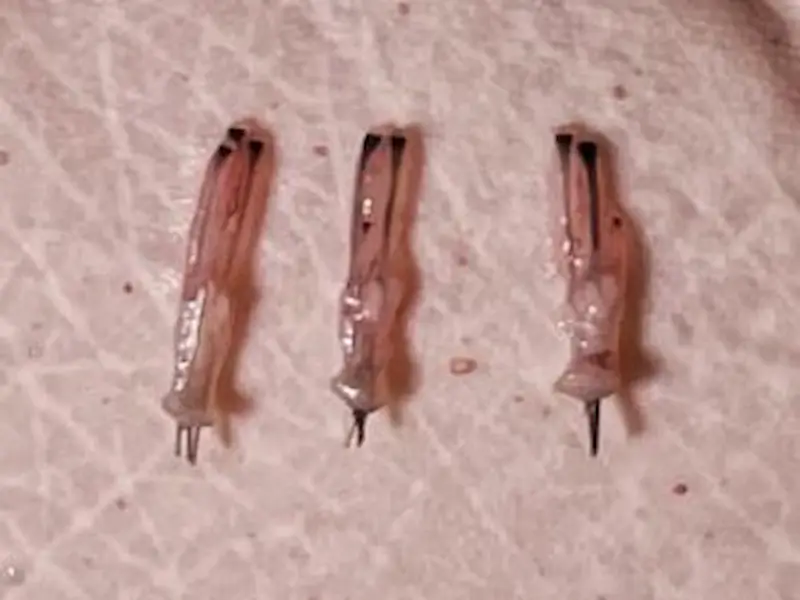
Shedding and graft loss are not the same. Shedding usually means the visible hair shaft falls while the follicle remains under the skin in a resting phase. True graft loss is less common after day 10 and may include bleeding, pain, or tissue attached to the hair. New hair growth usually takes months, so day 10 cannot show the final density.
What to Avoid
Even after day 10, the scalp still needs protection from friction, pressure, heat, and irritation. Avoid habits or activities that can disturb healing skin until your clinic clears you.
You should avoid:
- Scratching or picking at scabs.
- Heavy sweating from intense workouts or heat.
- Direct sun exposure on the treated area.
- Tight hats or helmets that press on the grafts.
- Alcohol and smoking, if your doctor has advised you to pause them.
Contact your doctor if you notice severe pain, pus, fever, bleeding, spreading redness, significant swelling, or a foul odor from the scalp.
Mild redness, slight itching, small scabs, dryness, mild sensitivity, and slight shedding can be normal. If bumps, redness, or irritation appear around follicles, learn more about folliculitis after surgery.
Recovery Timeline
Day 10 is only one point in the recovery process. The scalp may look better, but new growth still takes time. Most patients move through several stages before they see clear density.
A typical timeline may look like this:
- Weeks 2 to 4: Shedding often becomes more noticeable as transplanted follicles move through the resting phase.
- Months 1 to 3: The transplanted area may look thinner before early new growth begins.
- Months 6 to 12: Most patients see clearer hair growth, thicker strands, and better styling coverage.
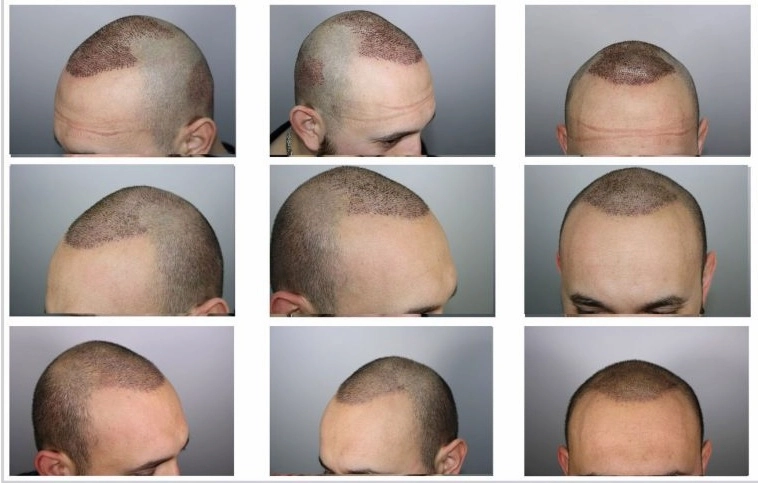
Long-term results depend on planning, donor management, graft survival, and aftercare. This is why follow-up matters after your procedure.
Dr. Aguilar’s Aftercare
Hair Transplant Mexico is located in Mexico and offers doctor-led procedures for patients from Mexico, the U.S., and Latin America. The clinic provides recovery instructions, photo review when needed, and direct guidance for symptoms that feel unusual. This helps patients know what is normal before and after they return home.
At day 10, the right guidance helps protect your healing scalp and your final result. Hair Transplant Mexico gives patients clear instructions, close follow-up, and realistic expectations after surgery. Schedule your free consultation to receive a medical assessment and a personalized treatment plan.