Hair Transplant Mexico is located in San Pedro, Monterrey, an affluent area in northern Mexico. The clinic reviews diagnosis, donor density, health history, scalp condition, and treatment goals before planning care. This helps decide if surgery is safe, useful, and likely to support lasting coverage without overusing the donor area.
Key Takeaways
- A person may not qualify for surgery if they have a weak donor supply, unstable loss, active scalp disease, health risks, or unrealistic expectations.
- A clear diagnosis should come first because pattern hair loss, short-term shedding, autoimmune loss, and scarring alopecia need different care.
- Donor hair follicles from the back and sides of the scalp must be strong enough to cover the planned area without causing visible thinning.
- Some patients are not ready now but may qualify later after treating inflammation, slowing loss, or improving medical control.
- Results cannot be guaranteed because outcomes depend on donor quality, diagnosis, planning, healing, aftercare, and future loss.
Who Is Unsuitable for a Hair Transplant?
A person may be unsuitable if the donor area cannot provide enough grafts or if the scalp cannot support the follicles placed. Poor hair transplant candidates may include patients with unstable hair loss patterns, active inflammation, a high risk of poor healing, or goals that surgery cannot meet.
The purpose of a medical review is to assess whether hair restoration surgery is safe and appropriate for that person, including any contraindications to hair transplant surgery, such as a weak donor supply, health risks, or unstable hair loss.
Main Reasons Someone May Not Qualify
Poor Donor Supply
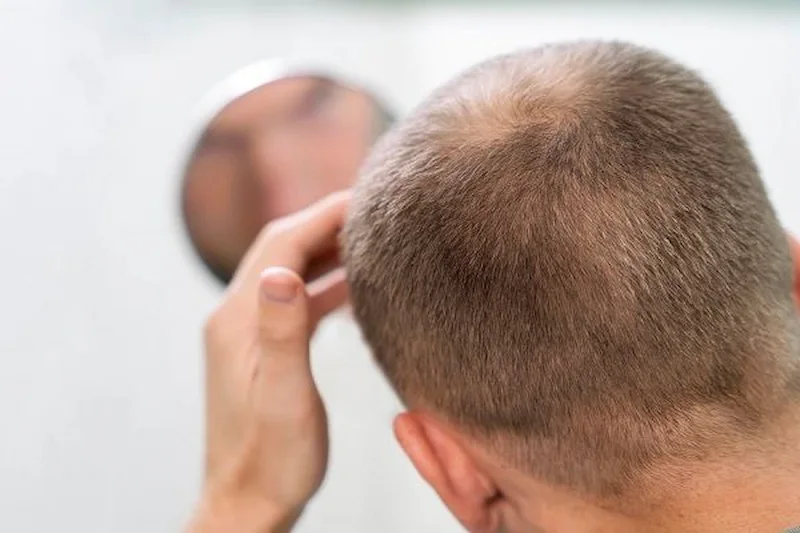
Most procedures use follicles from the back and sides of the scalp, often called the donor area. If these areas lack sufficient density, surgery may thin the donor area or fail to adequately cover the target zone. This issue is common in advanced pattern baldness or diffuse donor thinning.
Unstable or Early Loss
Fast shedding can make planning hard because the final pattern is still changing. Younger patients, or those with mild early recession, may need to wait and monitor the loss first. A careful plan helps protect the donor supply for future needs.
Unrealistic Expectations
Surgery can improve coverage, but it cannot create unlimited density, which is why patients should understand how restoration density is planned before treatment. Final coverage depends on strand thickness, curl, color contrast, donor density, healing, and the size of the thinning area. Patients need realistic expectations before graft placement.
Medical and Scalp Conditions
Active Disease or Poor Healing Risk
Active scalp disease may include alopecia areata, scarring alopecia, scalp infection, or ongoing inflammation. Some medical conditions, such as uncontrolled diabetes, immune disorders, bleeding disorders, or poor wound healing, can also delay or prevent surgery. A physician should review these risks before any procedure.

Psychological Readiness
Some patients focus on small changes that surgery cannot fix well. Others may have trichotillomania, body image concerns, or goals that do not match medical limits. These cases need careful review before surgery.
Hair Transplant Evaluation in Mexico
Diagnosis and Donor Review
A proper evaluation starts with a diagnosis, medical history review, and donor area check. The physician should confirm the type of loss, review medications and health risks, and assess whether the donor zone has sufficient stable follicles. Dr. Antonio Aguilar may use this review to decide if surgery is appropriate or if treatment should come first.
Technique and Planning
At Hair Transplant Mexico, modern restoration planning may involve two main techniques. The right method depends on diagnosis, donor supply, target area, graft needs, and the level of control needed during placement.
- FUE: Follicular Unit Extraction removes follicular units one by one from the donor area. This method avoids a linear strip scar and helps the surgeon plan graft use based on donor density.
- DHI: Direct Hair Implantation uses implant tools, such as pens, to place grafts into the target area. This can help control angle, direction, and spacing during placement.
Location Factors
Patients researching hair transplant in Monterrey may consider medical access, doctor follow-up, and travel needs. At Hair Transplant Mexico, Dr. Antonio Aguilar is involved in the medical evaluation and treatment planning process.
Patients comparing hair transplant in Cancun or Tijuana may focus on cost, distance, and convenience, but diagnosis, physician involvement, surgical oversight, and follow-up matter more when comparing Mexico, Turkey, the United States, or other regions.
What to Do If You Are Not Eligible
If you are not eligible now, the next step is to find out why. Some patients may qualify later after treating scalp inflammation, slowing ongoing loss, or improving medical control. Others may need a non-surgical plan if the donor supply is too weak or the scalp cannot support graft survival.
A physician may recommend medication, scalp treatment, PRP, cosmetic coverage, wigs, hairpieces, monitoring, or other non-surgical restoration options.
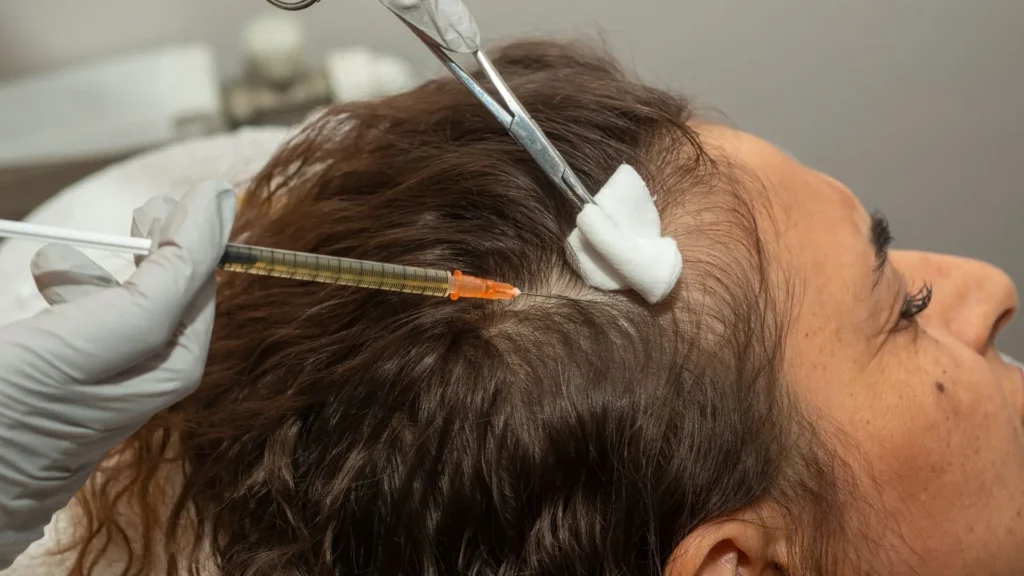
The right option depends on the cause of loss, the strength of the donor area, and whether the condition is temporary or long-term. The goal is to protect the scalp, avoid unnecessary surgery, and choose the safest next step.