
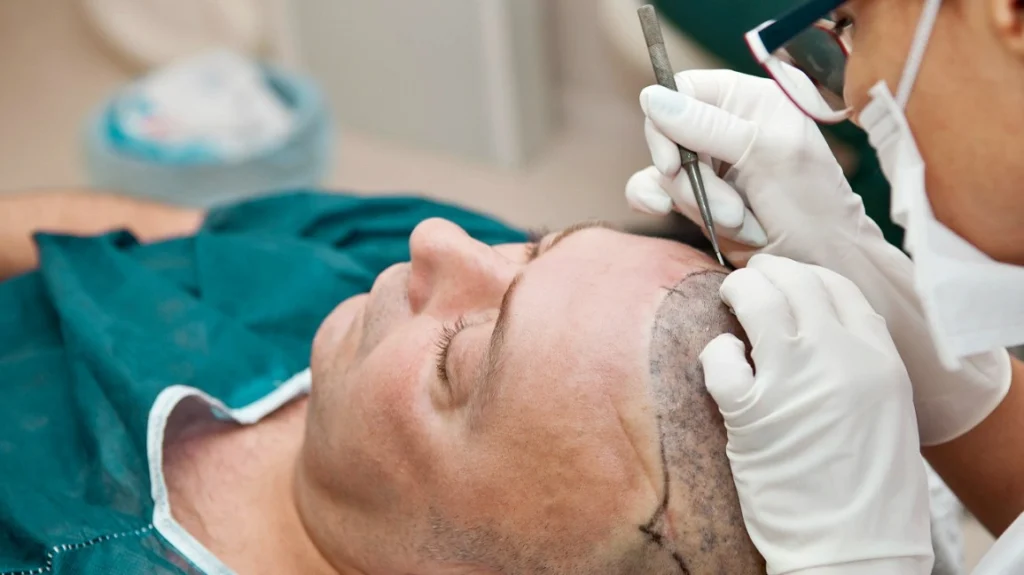
Healing now should focus on the scalp, donor area, and follow-up care. Mild shedding, slow growth, and uneven areas can be normal. Pain, swelling, pus, bleeding, odor, or spreading redness should be checked by a doctor. Hair Transplant Mexico, located in San Pedro, Monterrey, Mexico, uses this stage to track healing and explain why final results take months.
Key Takeaways
- At 2 months post-hair transplant, shedding, thinning coverage, and patchy areas can be normal, as follicles may still be in the resting phase under the scalp.
- No visible growth at month two does not usually mean the procedure failed. Early fine growth often begins around months three and four.
- Mild itching, dryness, and donor-area sensitivity can happen. Pain, swelling, pus, bleeding, odor, or spreading redness should be checked by a doctor.
- Recovery varies by treatment area, graft count, method, donor quality, and aftercare. Crown and complex cases may take longer to mature.
- Final results often take around twelve months. Some cases continue to improve up to 18 months, so month two should be seen as a healing checkpoint.
Hair Transplant After 2 Months
Two months after surgery, the scalp can look less full than expected. This is often part of the normal timeline. It does not mean the procedure failed. Many patients see more scalp because the growth cycle has not fully restarted.
Hair Loss and No Growth
Hair loss at month two often happens because transplanted follicles shed after surgery. The visible ones may fall out, but the transplanted follicles can remain under the skin. No visible hair growth can also be normal at this stage. New strands often start to appear around months three and four.
Patchy or Uneven Areas
Patchy areas can happen because the follicles do not grow at the same speed. The number of grafts, the treated area, scalp health, and aftercare can affect early growth. Uneven density no longer predicts the final results. A hairline case may heal at a different pace than a crown, beard, eyebrow, or scar case.
Frontal Hairline Case
In a frontal hairline case, the patient may still show thin coverage at month two. The new hairline outline may appear incomplete because many of the transplanted hairs have already shed. Mild redness or short, fine early growth may appear, but density is not expected to look mature at this stage.
Crown Case
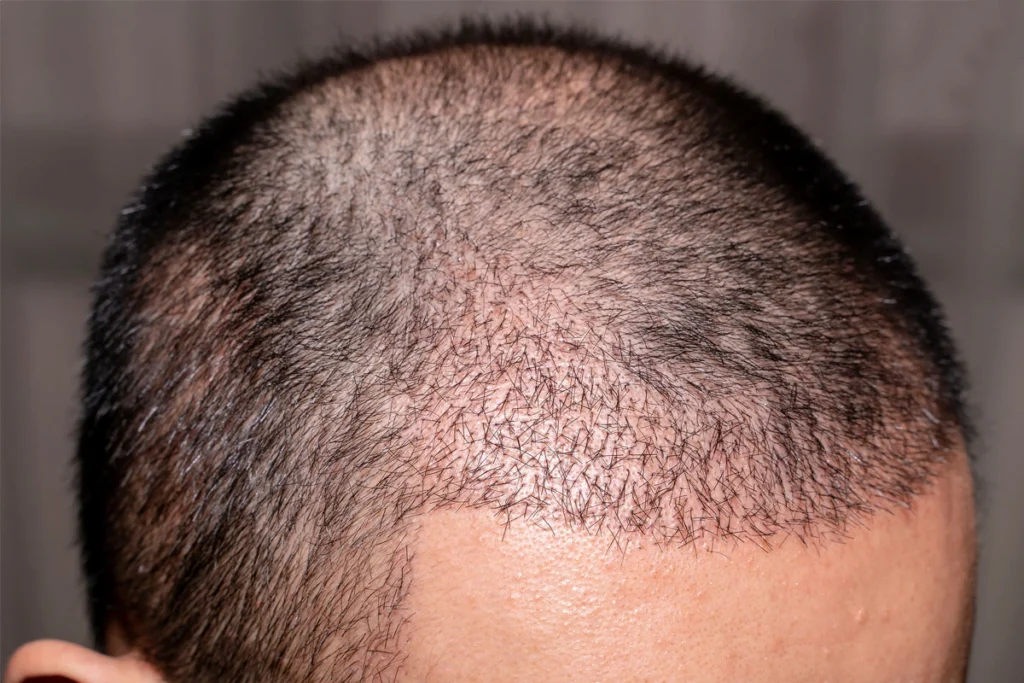
In a crown case, month-two growth may look slower than expected. The crown has a circular growth pattern, so thin or patchy areas can look more obvious during early recovery. Many transplanted follicles may still be resting under the skin at this stage. This does not confirm poor growth, especially before months three and four.
Donor-Area Note
The donor area may look calmer by month two, but it can still feel tight, numb, or tender. After FUE, small extraction marks may still be visible, depending on hair length, skin healing, and the number of grafts removed.
Mild sensitivity can be normal, but increasing pain, drainage, open spots, or worsening redness should be checked by a doctor. The donor area should also be reviewed during follow-up to confirm that healing is stable.
Normal 2 Months Post-Hair Transplant Healing
By month two, the scalp should feel calmer. Mild redness, dryness, itching, or sensitivity can still happen. Healing depends on skin type, method, graft placement, and post-hair-transplant care.
Shock Loss
Shock loss means short-term shedding after surgery. It can affect transplanted hairs and nearby native hairs. This stage can feel stressful, but it can be part of normal hair transplant recovery.
Recipient and Donor Areas
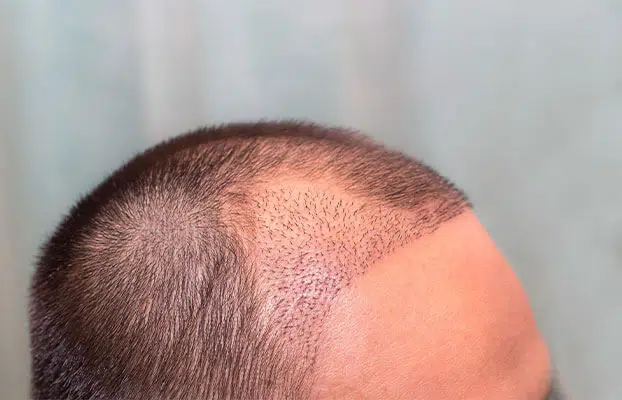
The recipient area is where the grafts were placed. By month two, most hair restoration scabs should be gone, but mild redness, dryness, or small bumps can still appear. The area may appear thin because many of the transplanted hairs have shed.
The donor area is where hair follicles were removed, usually from the back or sides of the scalp. It may still feel tight, numb, or tender, especially after FUE (Follicle Unit Extraction). Increasing pain, drainage, open spots, swelling, or worsening redness should be checked by a doctor.
Scalp Care 2 Months After a Hair Transplant
Care at this stage should protect the scalp and reduce irritation. Most patients can wash with light pressure, mild shampoo, and lukewarm water. If the scalp feels dry, tight, or itchy, patients should only use products approved by their doctor.
At this stage, patients should usually focus on:
- Wash gently without scratching or rubbing the grafted area.
- Limiting direct sun exposure if redness remains.
- Avoid heavy sweating, friction, and contact sports until cleared.
- Waiting to swim until the scalp is fully closed and the doctor confirms it is safe.
- Avoiding razors, dyes, harsh products, and close shaving until the skin is stable.
Care can vary by method, graft count, healing rate, and the patient’s post-hair-surgery care plan. The clinic’s instructions should come first, as each recovery plan can differ.

Normal Signs vs. Warning Signs
- ✓Mild shedding
- ✓Thin or patchy coverage
- ✓Mild itching or dryness
- ✓Limited visible growth
- ✓Mild donor sensitivity
- !Increasing pain
- !Pus or bad odor
- !Spreading redness
- !Active bleeding
- !Warmth with swelling
Patients should contact a doctor if symptoms worsen or appear suddenly. Photos can help the clinic compare changes over time. Clear follow-up also helps protect healing.
Results After Month Two
Visible results usually build after the shedding stage. Hair grows in cycles, so progress can look slow at first. Long-term results of hair restoration surgery depend on planning, graft survival, donor quality, and future hair loss.
A 6-month result can still look patchy. Many patients see progress by then, but density may not be complete. Final results often appear around 12 months. Crown and complex cases may continue to change for up to 18 months.
Medical Oversight and Expectations
A hair transplant is a medical procedure. FUE and DHI (Direct Hair Implantation) are common methods in modern hair restoration. Implant pens can help place grafts at planned angles and depths. No method can promise a fixed result.
Recovery still depends on the skin, the number of grafts, the donor area, and the care plan. A doctor-led exam reviews candidacy, donor supply, hair loss pattern, and medical history.
Dr. Antonio Aguilar’s role at Hair Transplant Mexico includes clinical review and treatment planning for FUE Micrografting and Hair Restoration. Patients should treat month two as a healing checkpoint, not as a final result.
Schedule a free consultation to get a doctor-led review of your hair transplant recovery, candidacy, or treatment plan.