Photos cannot prove that a procedure took place or show which method was used. A proper review needs a scalp exam, medical history, and checks of the donor area and thinning pattern. Hair Transplant Mexico is based in San Pedro, Monterrey, under the medical direction of Dr. Antonio Aguilar.
Key Takeaways
- He has not confirmed a surgical procedure, so online claims remain unproven.
- Public photos may show changes in temple coverage and density, but grooming, lighting, medicine, or aging may create the same effect.
- FUE, DHI, and FUT are common restoration methods, but the right choice depends on the patient’s loss pattern and donor supply.
- Graft needs, costs, healing times, and final density vary and cannot be judged from celebrity photos.
- A medical exam should review candidacy, future thinning, doctor involvement, consent, and follow-up care.
Did Ryan Reynolds Get a Hair Transplant?
No reliable statement confirms that he had surgery. His photos may raise questions, but they do not provide medical proof. Any review should separate visible changes from confirmed facts.
What Public Photos Suggest
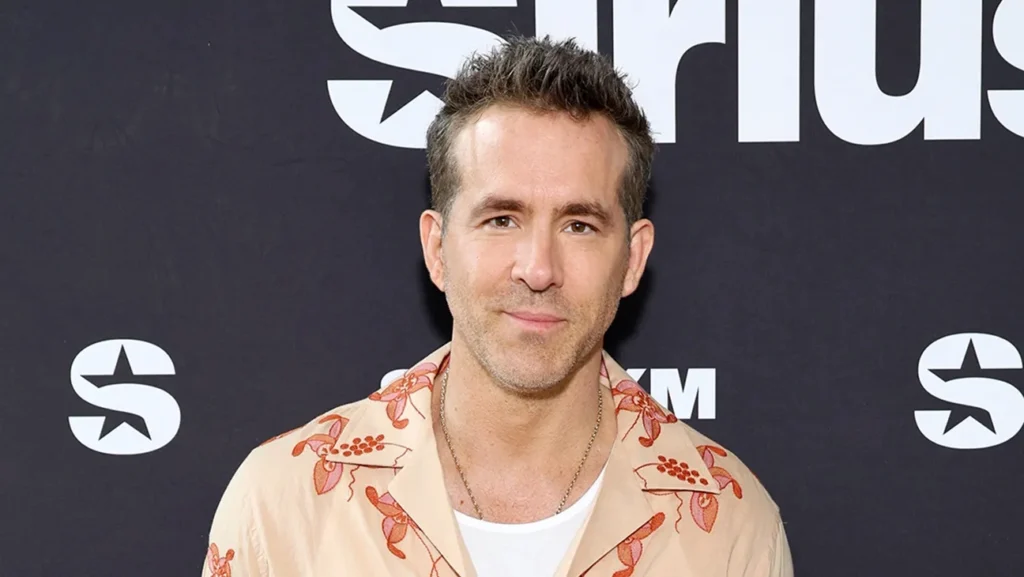
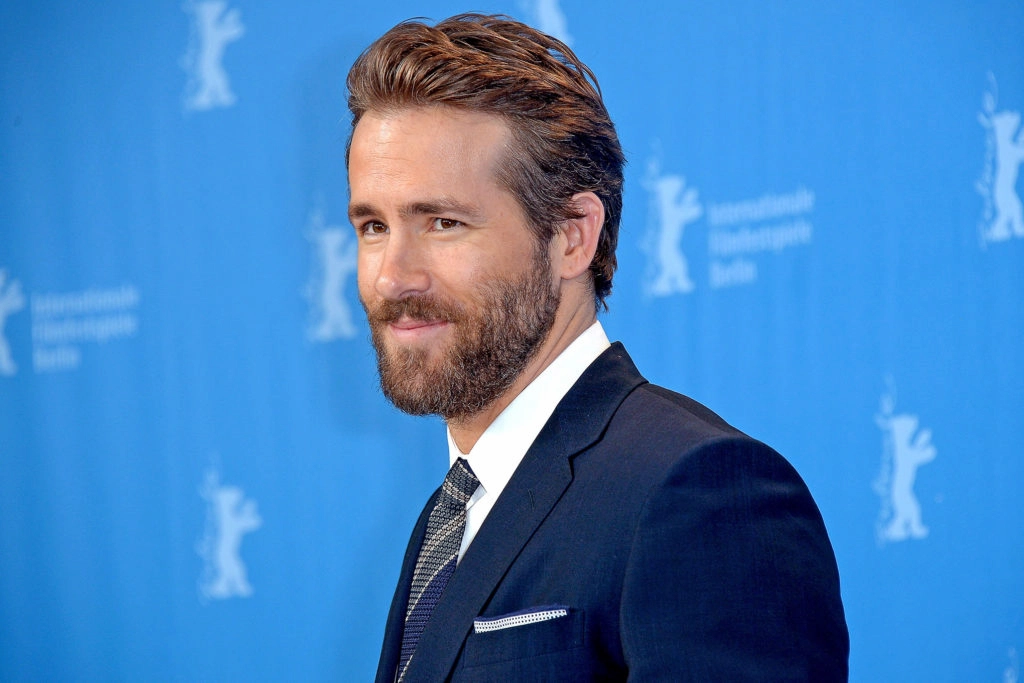
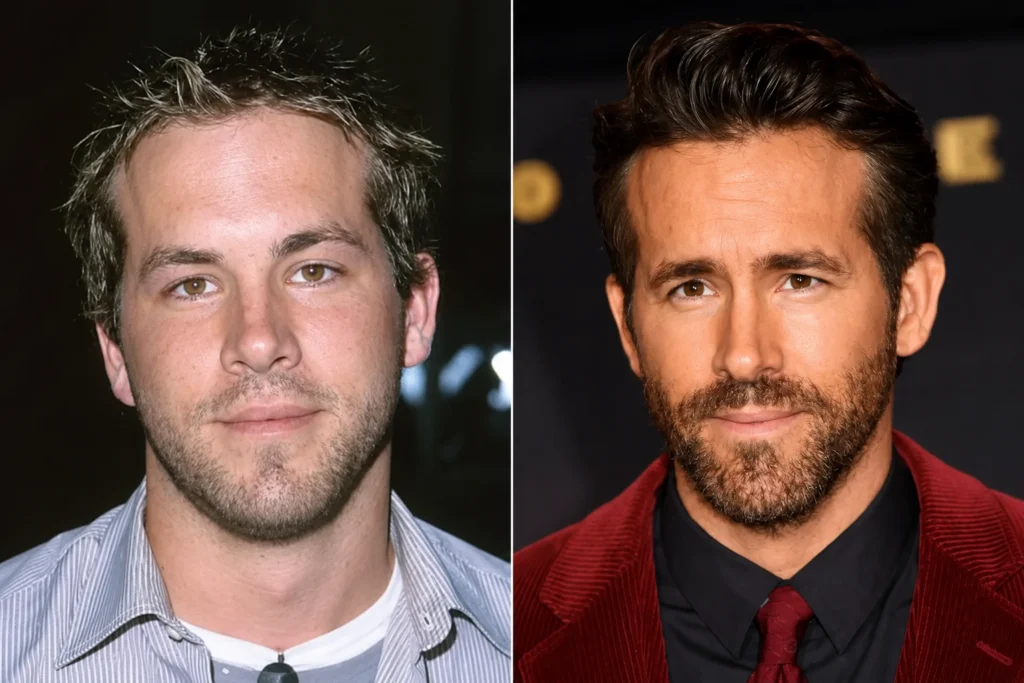
Older photos sometimes show more open temples and a higher frontal line. Later images may show better coverage and a more even shape.
These changes may come from treatment, grooming, aging, camera angles, or lighting. Similar discussions about the Frankie Muniz hair transplant also show why celebrity photos should not be treated as proof of surgery.
Why Photos Cannot Confirm Surgery
Images do not show scalp health, donor density, medical history, or healing stages. Length and lighting can also change how much skin appears visible. Clear proof would require a statement from him or a reliable source with direct knowledge.
Ryan Reynolds Before and After Hair Transplant
Earlier Hairline and Temple Recession
Some older photos seem to show mild temple recession rather than major baldness. A receding hairline may result from genes or normal aging. It may stay stable for years and may not require surgery.
Later Density and Styling Changes
Recent styles often use more length and lift at the front. This can create the look of a full head of hair without medical treatment. Grooming products and soft light may also make the coverage appear thicker.
Ryan Reynolds Hair Loss and Hairpiece Rumors
Genetics and Hairline Maturation
Genetics can affect when thinning starts, how fast it progresses, and which areas lose density first. Male pattern loss often begins at the temples, while normal hairline maturation may only raise the frontal hairline slightly. A doctor can tell the difference by checking follicle thinning, family history, density, and changes over time.
Does Ryan Reynolds Wear a Hairpiece?
There is no confirmed proof that he wears a hairpiece. Systems, fibers, and styling products can improve the look of coverage. A photo cannot definitively show whether any of these options were used.
Possible Treatments Behind the Change
FUE, DHI, and FUT Differences
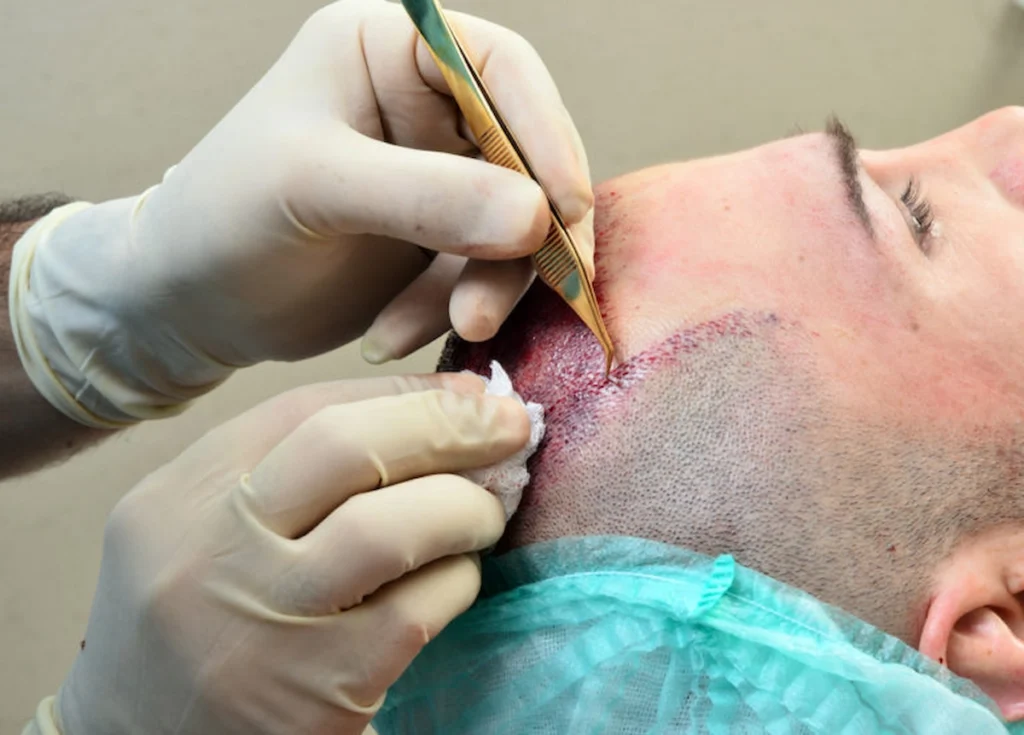
FUE (Follicular Unit Extraction) removes small groups of follicles one at a time from the donor area. FUT (Follicular Unit Transplantation) removes a thin strip of skin that contains follicular units. DHI (Direct Hair Implantation) refers to placing grafts with a pen-shaped tool after extraction.
Can Medication Replace Surgery?
Medicine may slow thinning or improve density in some patients. It may not rebuild a missing frontal outline or restore areas with few active follicles. A doctor should explain the benefits, side effects, and need for long-term use.
Estimated Grafts and Procedure Cost
How Many Grafts Might Be Needed?
A similar mild temple or hairline case may require about 500 to 1,800 grafts. A more pronounced frontal recession may require 1,500 to 2,500 grafts, depending on the target density and the area size. These are general planning ranges, and only a scalp and donor-area exam can provide a safe estimate.
Hairline Design and Graft Placement
A frontal design should fit the patient’s age, face shape, current growth, and risk of future loss. Doctors may place fine, single-follicle grafts at the front and larger groups behind them. The angle and direction help the new growth blend with nearby strands.
What Affects Procedure Cost?
Cost depends on graft count, treatment area, method, and follow-up care. At Hair Transplant Mexico, single-area FUE costs $4,500 to $8,000, while full FUE costs $6,000 to $10,000. Price alone does not show the quality of care.
Recovery and Expected Results
When Does Transplanted Hair Grow?
The implanted strands often shed during the first few weeks. New growth may start after a few months and become thicker during the first year. The timing differs because each person heals at a different rate.
Why Hair Transplant Results Vary
Results depend on the diagnosis, donor supply, graft care, surgical plan, and aftercare. FUE may leave small, round marks, while FUT may leave a thin, linear scar. Other risks include infection, numbness, weak growth, scarring, and an unnatural look.
What a Medical Evaluation Covers
Hair Loss Pattern and Donor Density
The doctor checks the front, crown, donor area, scalp health, and strand thickness. The exam may also cover medicine use, family history, health issues, and past procedures. A good candidate needs enough stable donor growth for the planned treatment.
Future Hair Loss and Maintenance
Implanted follicles may remain while nearby natural strands continue to thin. The plan should reserve donor supply for future needs and avoid setting the front line too low. Some patients may need medicine, another procedure, or a new hairstyle later.
Physician Oversight and Informed Consent
Doctor-led care matters because diagnosis, design, donor limits, and problem management need medical judgment. Patients should know who will remove the grafts, create the sites, and place the follicles. Consent should explain risks, other options, healing, and follow-up duties.
Hair Transplant Options in Mexico
Patients compare Mexico, Turkey, and the United States based on cost, medical oversight, travel, and follow-up care. Monterrey may be the best fit for patients who value a large medical setting, direct access to doctors, and clear long-term support. Patients should still review the physician, clinic standards, surgical roles, and emergency plan before choosing a location.
Travel, Safety, and Follow-Up
Before traveling, patients should confirm:
- Who performs each part of the surgery
- How the clinic handles medical problems
- What follow-up care is provided at home
Hair Transplant Mexico coordinates hotel and transportation services before the patient arrives. Dr. Antonio Aguilar provides a hotel stay and a private driver during the visit. Transportation is arranged between the airport, hotel, and clinic to support safe and practical travel throughout the procedure.
To learn whether FUE may suit your hair loss pattern, schedule a consultation with Hair Transplant Mexico. A medical evaluation can review your donor area, goals, and treatment options.