
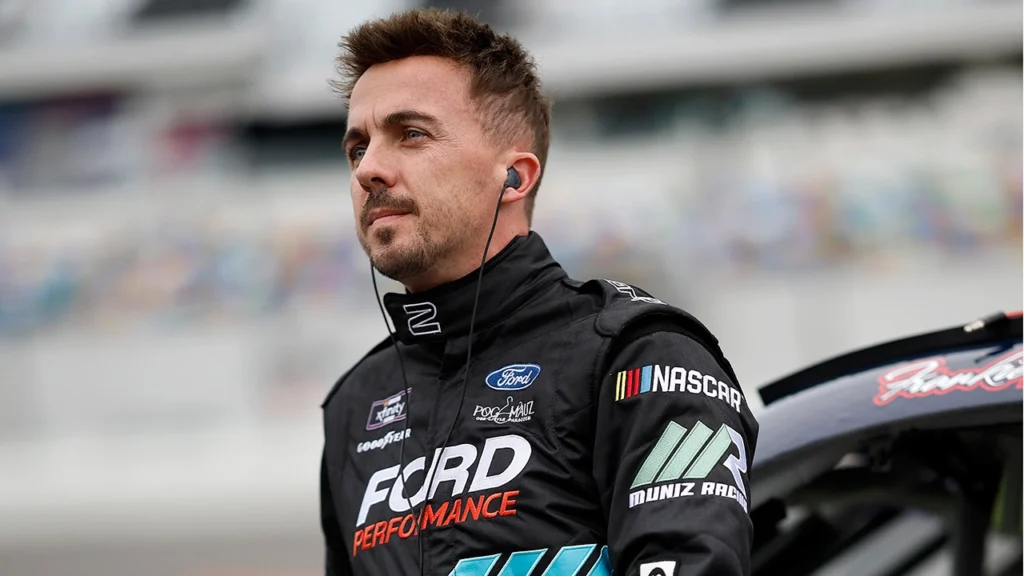
His case helps readers compare hair replacement, restoration, and surgical treatment with more context. A proper evaluation should review hair loss pattern, donor supply, scalp health, goals, and maintenance needs before choosing a plan.
Key Takeaways
- Public information does not confirm that Frankie Muniz had a surgical hair transplant. His visible hair change is publicly connected to HairClub and its non-surgical Xtrands+ system.
- Searches for Frankie Muniz’s hair transplant often confuse hair replacement with surgical hair restoration. A fuller appearance can result from a hair system, styling, medication, surgery, or a combination of these.
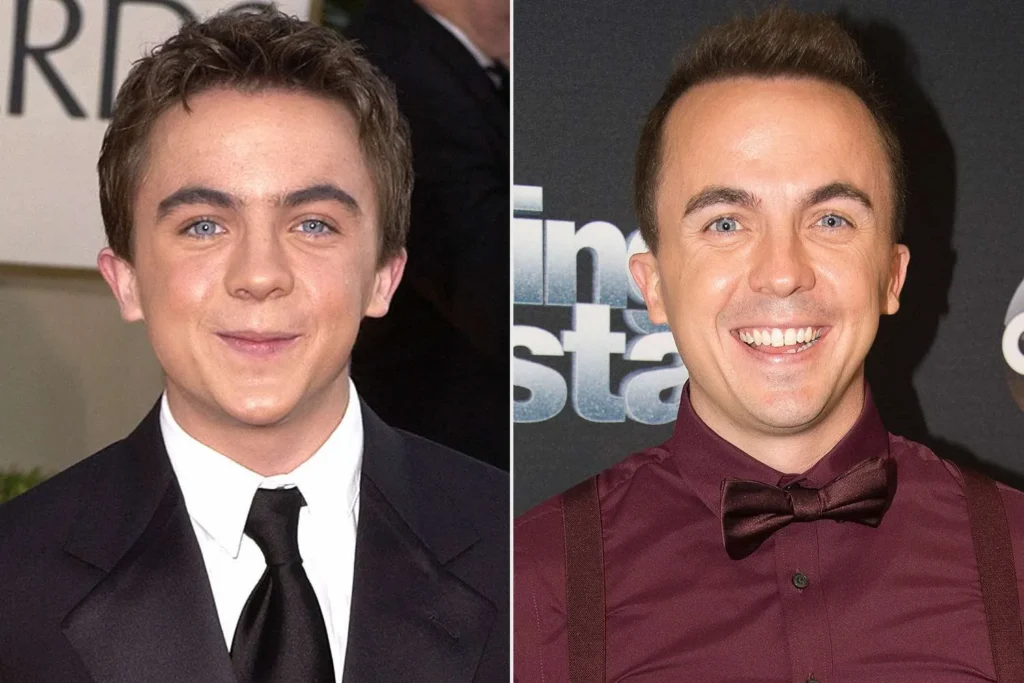
- Before-and-after photos can show a visual change, but they cannot confirm the treatment method. Lighting, hair length, styling, and image context all affect how dense hair appears.
- A real hair restoration plan should start with a diagnosis, a donor area review, a scalp health assessment, and realistic expectations. Treatment choice depends on the patient, not on a celebrity result.
- Patients researching hair transplant Mexico should compare physician involvement, medical oversight, follow-up care, and continuity of care across locations. Cost and travel convenience should not be the only factors.
Did Frankie Muniz Get a Hair Transplant?
What Has Been Publicly Confirmed
HairClub’s official results page connects Frankie Muniz’s fuller hair appearance to HairClub Xtrands+. It says he tried several options, became self-conscious about hair loss, shaved his head, and later used HairClub’s solution. It does not clearly confirm that he had a surgical transplantation.
HairClub’s press release also describes him as a long-time client. It includes his statement that he became self-conscious about his hair around age 19 or 20 and tried many options before discovering HairClub. This supports a public restoration story, but it does not prove that surgery was performed.
Why Search Results Cause Confusion
Search results often use “hair transplant” because users search for that phrase. That does not mean every visible change comes from surgery. Hair systems, medication, styling, lighting, and surgical procedures can all affect how hair looks in photos.
How Did Frankie Muniz Regrow His Hair?
HairClub and Xtrands+ Context
HairClub identifies Xtrands+ as the solution connected to his fuller appearance. Xtrands+ is a custom non-surgical replacement system. It uses human follicles added to a thin base, which is placed on the scalp and blended with the person’s existing hair.
This is not a transplant because no follicles are removed or implanted. It works more like a personalized hair system, adding instant, visible coverage. The system must match the person’s hair color, texture, density, and style so it looks natural and needs regular maintenance over time.
Frankie Muniz’s Hair Loss Story in Public Context
Early Hair Loss Concerns
Frankie Muniz’s hair loss became a public topic because he discussed feeling self-conscious during his acting career. His comments show that thinning can affect people at a young age. Early concern does not always mean severe loss, but it can lead people to compare options sooner.
Public Comments and Recent Photos
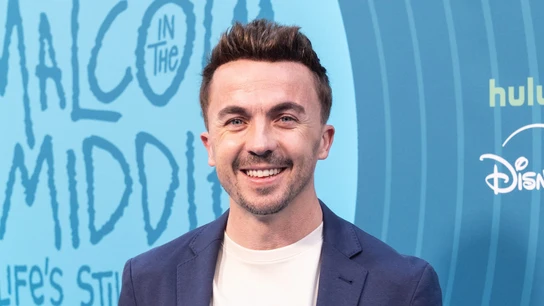
Recent photos show a fuller appearance compared with earlier images. That change explains why users search for comparisons between Frankie Muniz before and after a hair transplant. Still, photos do not show the method used, the graft count, the diagnosis, or the maintenance routine.
This is also why discussions about Henry Cavill’s hair transplant often warrant the same caution, since public images can spark speculation without medical confirmation.
What His Case Shows About Hair Restoration Options
Xtrands+ vs Surgical Hair Transplant
These options serve different needs. Xtrands+ adds visible coverage by placing a custom hair system on the scalp and blending it with the person’s existing follicles. It can create a fuller look quickly, but it requires professional fitting, styling, cleaning, adjustments, and replacement over time.
A surgical hair restoration works by moving healthy follicles from a donor area, usually the back or sides of the scalp, into thinning areas. This is different from older plug-style methods, which is why readers often compare modern restoration techniques with older hair plugs when researching results.
The result does not appear immediately because the scalp must heal, transplanted follicles may shed, and new growth usually develops over several months. The final outcome depends on donor supply, graft survival, hairline planning, density goals, and follow-up care.
FUE and DHI in Surgical Restoration
FUE (Follicular Unit Extraction) and DHI (Direct Hair Implantation) are established techniques in modern restoration surgery. FUE removes individual follicular units from the donor area. DHI uses implantation tools, often called pens, to place grafts, but the tool itself does not guarantee the result.
These techniques are relevant to readers comparing treatment paths, not because Muniz has been confirmed to have used them. A medical evaluation should determine whether surgery, a non-surgical option, medication, or a combination makes sense.
What Patients Can Learn From His Case
Diagnosis and Candidacy Review
A patient should not choose treatment based only on a celebrity result. A physician should assess the pattern of loss, scalp health, donor supply, age, medical history, and goals. This review helps determine whether surgery, medication, replacement, or a combination makes sense.
Dr. Antonio Aguilar, a specialist in FUE Micrografting and Hair Restoration, evaluates candidacy through this type of clinical lens. Planning must account for future loss, not only current appearance. This helps patients understand limits before treatment.
Donor Area and Density Limits
The donor area limits what surgery can achieve because it contains the follicles that can be safely moved. Surgeons usually take grafts from the back and sides of the scalp because these areas are often more resistant to pattern hair loss. If too many grafts are removed, the donor area can look thin or patchy.
Density also depends on more than graft count. Thick, coarse, or wavy strands can create more visual coverage than fine, straight strands. Hair color, scalp color, curl pattern, and the size of the thinning area all affect how full the final result looks.
Hair Transplant Options in Mexico
Mexico may appeal to patients who want care closer to the United States or Latin America. The key issues are not only location but also medical oversight, physician involvement, and follow-up care.
Hair Restoration Mexico is located in San Pedro, Monterrey, Mexico, an affluent area in northern Mexico. To understand whether you are a good candidate, schedule a free consultation and review your options with a qualified physician.