
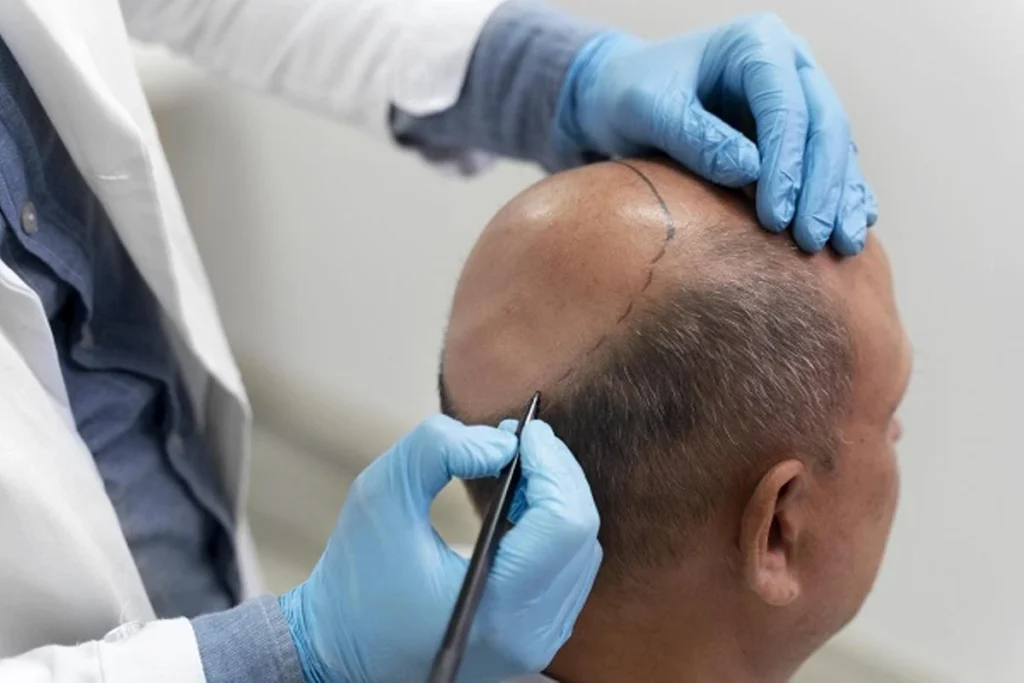
Modern methods such as Follicular Unit Extraction (FUE) and Follicular Unit Transplantation (FUT) use individual hair follicles or small follicular units, which allows for softer hairlines and more natural coverage.
The right treatment still depends on donor hair quality, scalp health, hair loss pattern, and long-term planning. Results are not guaranteed, and recovery takes time. Traditional punch grafts are now largely outdated, though some people with older procedures may need repair work.
In clinical practice, physicians such as Dr. Antonio Aguilar assess these factors before recommending treatment, including scalp exam, donor analysis, and long-term planning.
Key Takeaways
- Modern hair transplants use smaller grafts and more precise placement than old hair plugs, which usually leads to a more natural hairline and better density.
- Hair plugs could grow, but larger graft sizes often led to visible clustering, uneven spacing, and less predictable cosmetic results.
- The right method depends on donor hair quality, scalp health, hair loss pattern, and long-term planning rather than graft count alone.
- Recovery takes time. Early shedding is common, and full hair growth often takes several months to a year.
- A safe outcome depends on medical evaluation, physician oversight, realistic expectations, and clear follow-up.
Are Hair Plugs and Hair Transplants the Same?
What Hair Plugs Were
Hair plugs were an early technique that involved moving larger circular grafts from donor sites to balding areas of the scalp. These grafts often contained multiple hairs at once, making spacing harder to control and creating a patchy look.
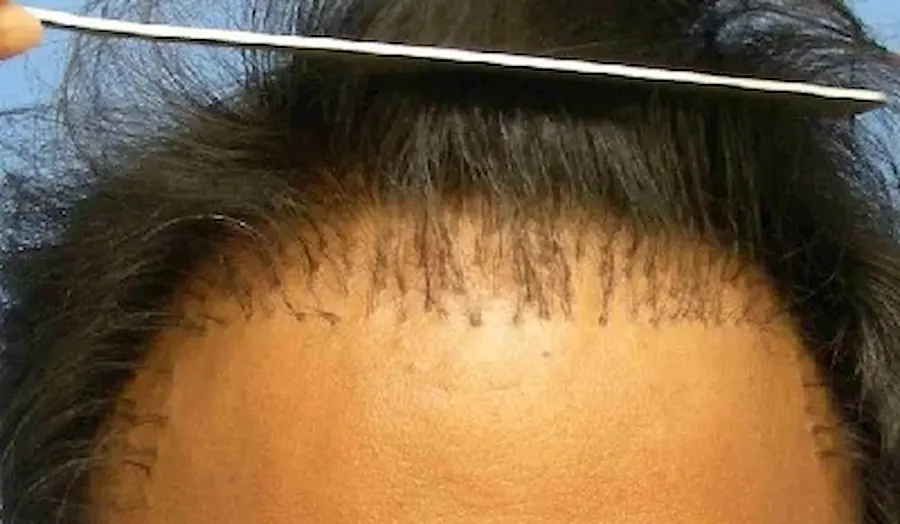
Plug grafts became common in the second half of the 20th century, when punch grafting was one of the few available options. The method showed that transplanted hair could grow, but cosmetic limits were clear.
These traditional punch grafts also relied on less refined planning than current hair procedures. Surgeons had fewer tools to match direction, density, and angle, which made blending with existing hair harder. This helps explain why the term is still used even though the method is largely outdated.
How Modern Hair Grafts Work
Modern hair transplants use individual hair follicles or naturally occurring follicular units, each usually containing 1 to 4 hairs. This allows better control of placement, density, and hairline design. The goal is to recreate the way hair normally grows rather than simply cover a bald spot. This is why modern hair transplant methods usually look more natural.
Two common types of hair surgeries are FUE and FUT. In FUE, the surgeon removes follicular units one by one from donor sites. In FUT, a strip of scalp is removed and divided into grafts, which may leave a linear scar. Both methods can work well when planned correctly.
Hair Transplant Mexico is located in San Pedro, Monterrey, Mexico, an established medical area in northern Mexico. Many patients compare countries before treatment because physician oversight, follow-up, and continuity of care can affect safety and results.
Do Hair Plugs Grow and Last?
Punch grafts can grow because transplanted follicles can remain viable after placement. The main issue was appearance rather than survival. Large grafts often created visible islands of hair with empty spaces between them. Modern grafts can also produce long-term hair growth, but success still depends on donor quality, blood supply, surgical handling, and aftercare.
Hair Plugs vs Hair Transplant Pros and Cons
Natural Appearance and Density
Modern hair surgeries are designed to follow natural patterns of density. Smaller grafts are placed across the frontal hairline, mid-scalp, or crown to create softer transitions. This helps transplanted hair blend with existing hair. Punch grafts were less precise, so they often looked more obvious in bright light or short hairstyles.
Scarring and Recovery
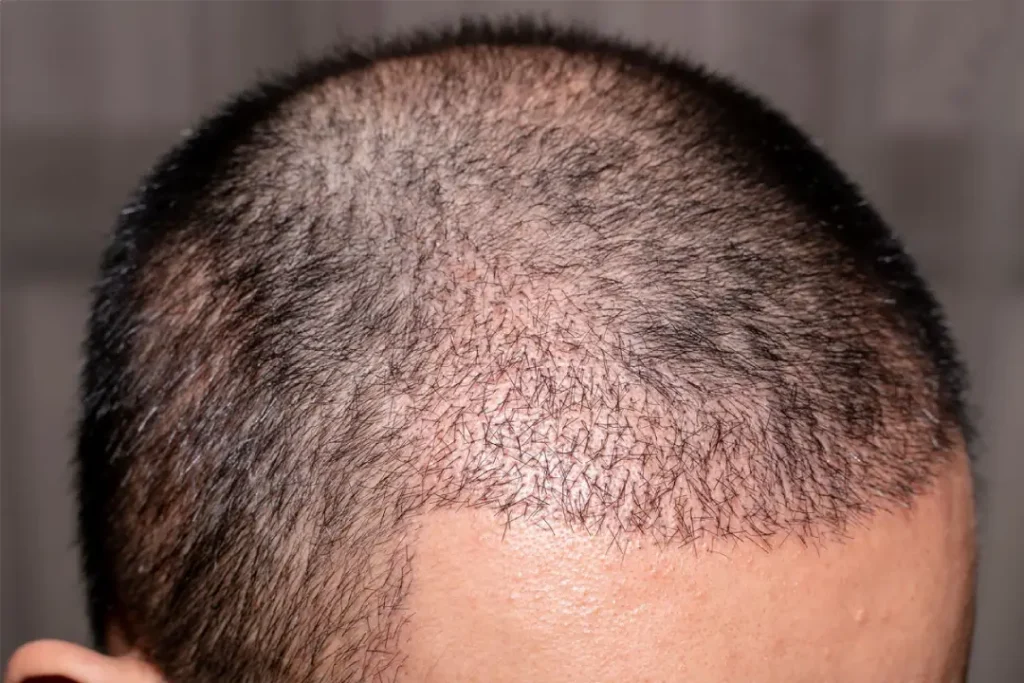
Recovery depends on technique and healing pattern. FUE removes individual hairs from donor sites with small punches, which usually leaves tiny scattered marks. FUT removes a strip of tissue, so it can leave a linear scar that may be visible with very short hair.
Hair plugs used larger punch grafts, which often resulted in more visible, round scars in both donor and recipient areas. Modern procedures use smaller grafts and more controlled placement, which helps reduce visible scarring and improves healing.
Most people have some redness, swelling, or crusting after surgery, including the formation of hair transplant scabs during the early healing phase.
Temporary shedding in the first month is common, and visible regrowth often starts gradually after several months. Clear follow-up helps patients understand the normal healing process.
Hair Transplant vs Plugs Cost
What Affects Cost
Cost depends on the number of grafts, the severity of hair loss, donor supply, and physician involvement. Modern procedures using follicular unit extraction FUE usually cost more than hair plugs because they require the precise placement of individual hair follicles. Punch grafts were cheaper upfront, but often led to unnatural results and sometimes required corrective procedures.
In current practice, FUE for a single area such as the crown or hairline may range from $4500 to $8000, while a full procedure may range from $6000 to $10000. These costs reflect the time and planning needed to achieve natural hair growth.
Patients should also consider follow-up care and long-term value, not just the initial price, especially when evaluating whether a hair transplant is worth it.
Can Old Hair Plugs Be Fixed?
Repair Options
Yes, in some cases. Repair may involve removing large grafts, redistributing hairs, softening the hairline, or filling gaps with smaller grafts. Repair work can be more complex than a first procedure because old plug cases often involve scar tissue, uneven density, and limited donor reserves. In some cases, correction is done in stages so the scalp can recover between sessions.
Limits of Correction
Not every old result can be fully reversed. Limited donor supply, poor scarring, or ongoing hair loss can reduce options. This is why a detailed exam matters before making assumptions. Good planning focuses on improvement, not perfection.
Who Is a Good Candidate?
Donor Hair and Hair Loss Pattern
Good candidates usually have stable donor hair, enough density in donor sites, and a pattern of loss that can be planned around. Hair loss due to scarring, an autoimmune disease, or active inflammation may require separate treatment first. Age alone does not determine candidacy. The goal is to match the right transplantation method to the right patient.
Medical Evaluation and Expectations
Not everyone should move directly to surgery. Some patients benefit first from stabilizing active shedding, treating scalp inflammation, or reviewing medical causes of hair loss. In certain cases, medication or other non-surgical treatments may help preserve existing hair before considering hair implants.
A proper evaluation helps clarify whether surgery is the right step and how to plan for long-term results. If you want a medical assessment based on your hair loss pattern and donor availability, you can schedule a consultation for a personalized review.