
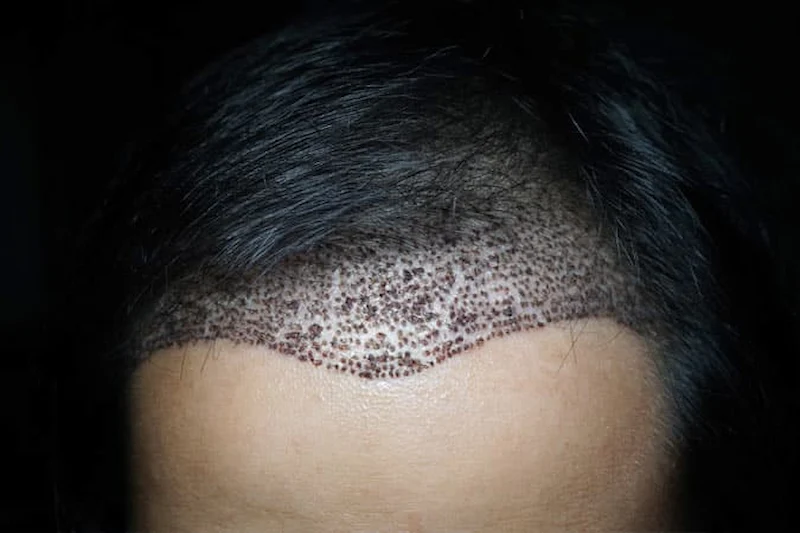
Proper post-hair transplant care focuses on keeping the scalp clean while avoiding actions that could disturb the grafts, such as picking or applying pressure.
In most cases, patients start gentle washing between 48 and 72 hours after the procedure, which helps soften the scabs and supports their natural removal. As the healing process progresses, hair transplant scabs fall off naturally during washing, without affecting the underlying follicles.
If scabs persist beyond the expected timeline or are accompanied by symptoms like pain or swelling, a hair transplant surgeon may evaluate the recovery to ensure normal healing.
Clinics such as Hair Transplant Mexico in San Pedro, Monterrey, where Dr. Antonio Aguilar performs FUE (Follicular Unit Extraction) procedures, follow structured recovery protocols focused on safe healing and patient monitoring.
Key Takeaways
- Hair transplant scabs are a normal part of the healing process, forming a protective layer over each graft to support the stability of transplanted hair follicles.
- Most scabs begin to loosen and fall off naturally between 7 and 14 days after surgery, with proper aftercare and gentle washing playing a key role.
- Seeing transplanted hairs come off with scabs is common and usually part of the temporary shedding process, as the hair follicle remains intact beneath the skin.
- Avoid picking or forcibly removing scabs, as this can disrupt graft anchoring, increase the risk of infection, and affect results.
- If scabs persist beyond three weeks or are accompanied by pain, swelling, or discharge, a hair transplant surgeon should evaluate the healing process.
Are Hair Transplant Scabs Normal and What Are They
Hair transplant scabs are a normal part of the healing process after hair transplant surgery. They form when small amounts of blood and plasma dry around each graft, creating a thin crust on the scalp. This crust acts as a protective layer, shielding the transplanted hair follicles during early recovery.
Each graft placed in the recipient area creates a small wound, triggering the body’s natural healing response. A blood clot forms at each site, helping to seal the skin and protect the Follicular Unit Transplantation (FUE) area. This supports stability while new tissue forms around the grafts.
Why Scabs After Hair Transplant Form
Scabs form because the body responds to controlled micro-injuries created during hair transplant surgery. Each graft placement requires a small incision in the scalp, which activates clotting and tissue repair.
The formation of a blood clot helps prevent infection and secures the transplanted hairs in place. As the clot dries, it becomes a visible scab that covers the follicle. This step is part of natural healing and should not be disrupted.
How Long Do Scabs Last After a Hair Transplant?
Most patients notice scabs forming within the first few days after surgery. These scabs usually begin to loosen and fall off naturally between days 7 and 14. The timing depends on skin type, aftercare, and washing routine.
In some cases, scabs persist slightly longer, especially if washing is delayed or too gentle. Prolonged scabbing may require evaluation by a hair transplant surgeon.
Hair Transplant Scabs Timeline
Hair Transplant Scabs After 7 Days
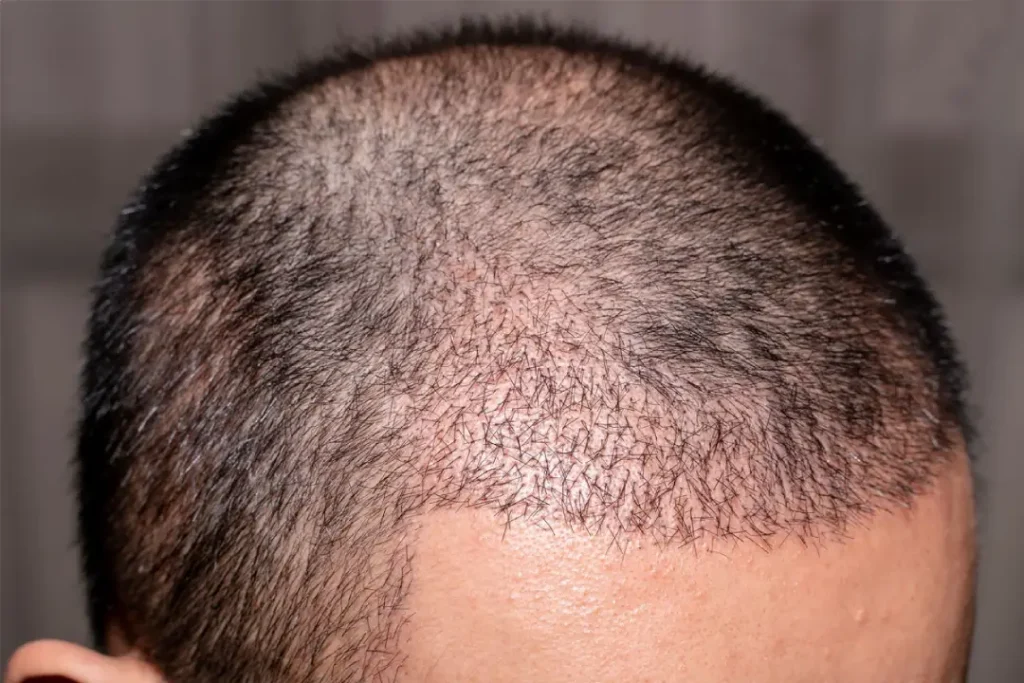
Around 7 days after surgery, most scabs are still visible but may begin to soften. Gentle washing becomes important to support removal, and the recipient area may still appear slightly red.
Scabs may feel firm and slightly raised at this stage. Patients should continue gentle washing and avoid pressure to protect the transplanted hair follicles.
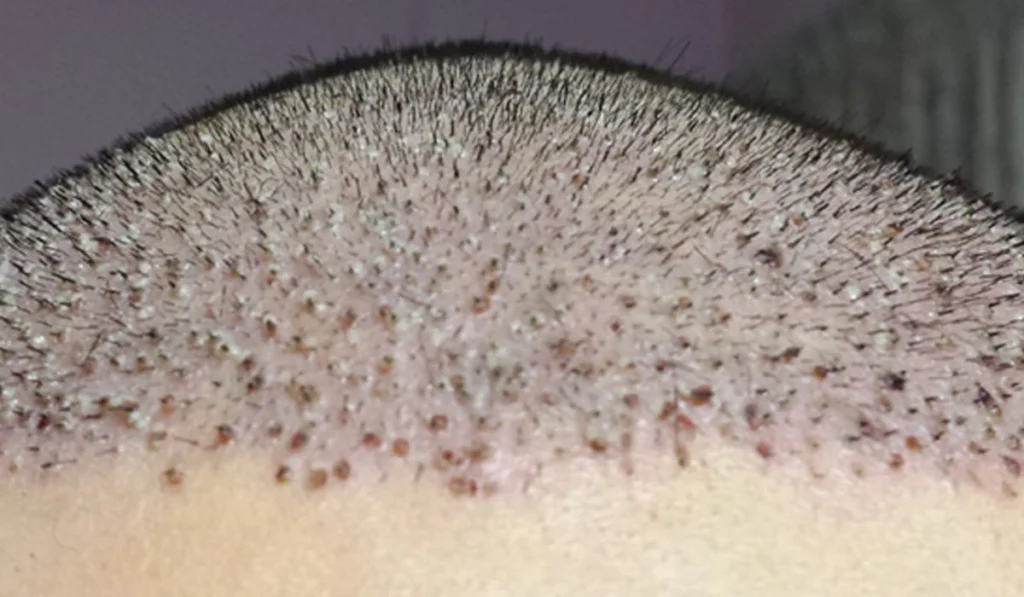
Hair Transplant Scabs After 10 Days
By day 10, many patients see progress as scabs start to detach. With proper care, scabs fall off naturally without force, improving the scalp’s appearance.
Scabs often appear softer and break apart during washing. This stage reflects steady progress in the healing process.
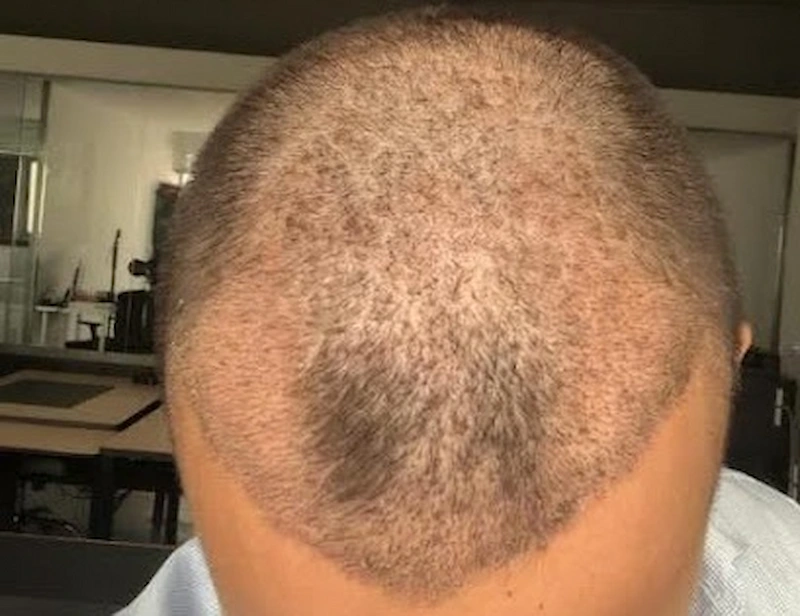
Hair Transplant Scabs After 14 Days
At 14 days after surgery, most scabs should be gone. The scalp looks more normal, although mild redness may remain. The transplanted hair follicles are more stable at this stage.
The scalp usually feels smoother as scabs detach. Any remaining areas may require continued gentle washing.
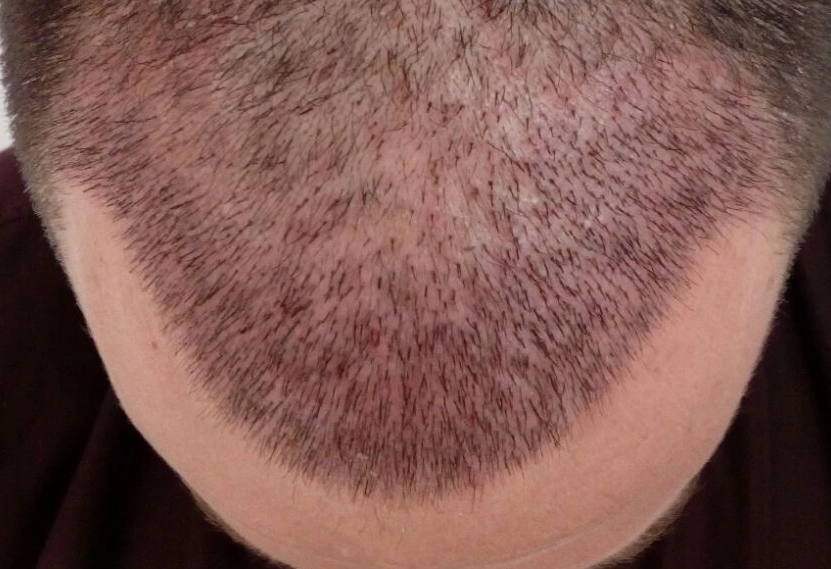
Hair Transplant Scabs After 3 Weeks
By three weeks, scabbing should no longer be present. Any remaining crusts may indicate delayed healing or improper aftercare.
The scalp should appear clear, and persistent scabs may require evaluation.
What to Do Each Day After Hair Transplant
Recovery follows a structured progression, and each phase requires specific care.
- Days 1–3: Avoid touching the scalp, keep the area dry or lightly rinsed if instructed
- Days 4–7: Begin gentle washing using mild shampoo and low pressure
- Days 7–10: Continue washing daily, use light circular motions to help soften scabs
- Days 10–14: Gradually increase washing intensity if advised, allowing remaining scabs to detach naturally
Hair Transplant Scabs Behavior
Hair Transplant Scabs Falling Off
As healing progresses, scabs fall off naturally during washing or light contact. This does not harm the transplanted hairs when it occurs at the correct stage.
Hair Transplant Scabs Not Falling Off
If scabs are not falling off after two weeks, it may be due to insufficient washing or buildup in the recipient area. Adjusting the washing routine often helps resolve the issue.
Why Hair Transplant Scabs Persist
Scabs persist longer when washing is delayed or insufficient. Buildup in the recipient area can slow the natural shedding process.
Skin type also affects healing, as some individuals produce more crusting. A hair transplant surgeon may evaluate the area if scabs persist.
Hair Transplant Scabs Coming Off With Hair
It is common to see transplanted hairs come out with scabs during shedding. This does not mean the transplanted hair follicles are lost, as their roots remain under the skin.
The visible hair shaft may shed while the follicle remains intact. Hair regrowth begins in the later stages of recovery.
Hair Transplant Scabs Treatment and Removal
How to Get Rid of Scabs After a Hair Transplant
Scabs should be removed gradually through proper care rather than force. The goal is to soften them so they detach naturally without damaging grafts.
- Gentle washing with mild shampoo
- Light circular motion after a few days
- Keeping the scalp clean without scrubbing
Can I Remove Scabs on Day 10?
At around day 10, scabs may be ready to come off if softened. Removal should remain gentle and never forced.
A hair transplant surgeon may guide when it is safe to increase washing intensity.
How to Wash Hair After a Transplant
When to Start Washing
Most patients begin washing their scalp between 48 and 72 hours after the surgery, depending on their surgeon’s instructions. The first washes are gentle and designed to clean the recipient area without disturbing the transplanted hair follicles.
Starting within this timeframe helps prevent buildup and supports the natural healing process, allowing scabs to soften and detach gradually.
Step-by-Step Washing Method
A typical washing routine includes:
- Applying a mild shampoo diluted with water
- Pouring water gently over the scalp
- Using light motion after several days
- Rinsing without pressure
Water should be lukewarm and applied gently to avoid disturbing the protective layer. High pressure can affect graft stability.
Consistent, gentle washing helps scabs fall off naturally. Harsh products or aggressive rubbing should be avoided.
What Not to Do During Recovery
Avoid picking or scratching the scalp, as this can dislodge grafts and disrupt healing, and limit physical activity, as explained in this guide on exercise after a hair transplant. Harsh washing or excessive pressure should also be avoided.
- Skipping washing routines
- Using unsuitable products
- Ignoring instructions
Removing scabs too early can affect graft stability. Allowing scabs to fall off naturally supports consistent healing.
What Happens If Scabs Are Removed Early?
Removing scabs too early can damage the transplanted hair follicles and affect results. The scab protects the follicle while it anchors into the scalp.
Premature removal may increase the risk of infection and disrupt healing.
Doctor Evaluation During Hair Transplant Recovery
A physician may assess how transplanted hair follicles are stabilizing and whether scabs are resolving as expected. This includes checking both the recipient and donor areas.
A hair transplant surgeon may identify signs of delayed healing or irritation and adjust the aftercare as needed.
Signs of Infection or Complications
Persistent redness, swelling, or pain in the recipient area may indicate complications such as folliculitis after a hair transplant. Discharge or unusual odor should also be monitored.
If scabs persist or appear inflamed, medical evaluation may be necessary.
When to Contact a Doctor
Patients should contact a professional if healing does not follow the expected timeline. This includes scabs that persist beyond three weeks or worsening symptoms.
- Scabs beyond three weeks
- Increasing pain or swelling
- Discharge or thick crust formation
Early evaluation supports safe hair transplant recovery and proper outcomes.
If you have questions about your recovery or are still evaluating whether a hair transplant is right for you, a professional evaluation can help clarify your next steps.
You can schedule a consultation to review your healing progress and receive personalized recommendations.