

When asking “Is a hair transplant worth it?”, it helps to know the procedure moves healthy hair follicles to areas of thinning, which can support long-term hair growth. Results can look natural, but ongoing hair loss may still affect untreated areas.
Clinics such as Hair Transplant Mexico in San Pedro, Monterrey, and physicians like Dr. Antonio Aguilar rely on medical evaluation to guide decisions.
Key Takeaways
- A hair transplant can be worth it if you have stable hair loss and a strong donor area, but results depend on realistic expectations and long-term planning.
- The procedure moves your own hair follicles using methods like Follicular Unit Extraction (FUE) or Follicular Unit Transplantation (FUT), not new hair.
- Results depend on donor hair quality, surgical technique, and the progression of androgenetic alopecia over time.
- Recovery time is short, but visible hair growth takes months, and full results often appear between 9 and 12 months.
- People often compare locations based on the level of doctor involvement, medical oversight, and follow-up care, all of which affect safety and long-term outcomes.
Is a Hair Transplant Worth It for You?
A hair transplant may be a good option if your hair loss is stable and your donor area has enough density. Many people with androgenetic alopecia or male patterned baldness choose this procedure when other treatments stop working. The goal is to improve density using your own hair follicles, not to fully restore past hair.
You also need to think long-term. Hair growth can change over time with pattern baldness. Planning ahead helps keep results balanced. Realistic expectations depend on donor hair and graft limits.
Is Hair Transplant the Best Option?
A hair transplant is one option, but not the only one. Some people get good results from medical treatments that slow hair loss. The best choice depends on how advanced the hair loss is and how your hair responds to treatment.
- Hair transplant – moves hair follicles to restore visible areas
- Medical treatments – help keep existing hair and slow loss
- No treatment – hair loss continues over time
This comparison helps you see if surgery is needed or if other options may work.
When a Transplant May Not Be Ideal
A transplant may not be the right choice if hair loss is still active. A weak donor area can also limit results. People with diffuse thinning may not get even coverage.
A transplant may not be worth it in some cases:
- Fast hair loss without control
- Low donor hair density
- Diffuse thinning without clear target areas
- Expectations that exceed what grafts can do
How Hair Transplants Work
Hair transplants move hair follicles from a donor area, usually the back or sides of the scalp, to areas with thinning or hair loss. These follicles are selected because they tend to remain stable over time, even after being moved. This allows the transplanted hair to continue growing in the new location.
The process removes follicular units and places them into small sites in the target area, using different hair transplant techniques as needed.
After the procedure, the transplanted hair often sheds within a few weeks, which is expected and known as the hair transplant shedding phase.
New hair growth begins a few months later as the follicles enter a normal growth cycle.
Evaluation and Candidacy
Evaluation shows if a hair transplant can work for you. It looks at donor area strength, scalp condition, and pattern baldness. These factors affect success rates and planning.
Results depend on donor density, hair type, and surgical technique. Knowing these details helps set realistic expectations.
Medical Assessment and Planning
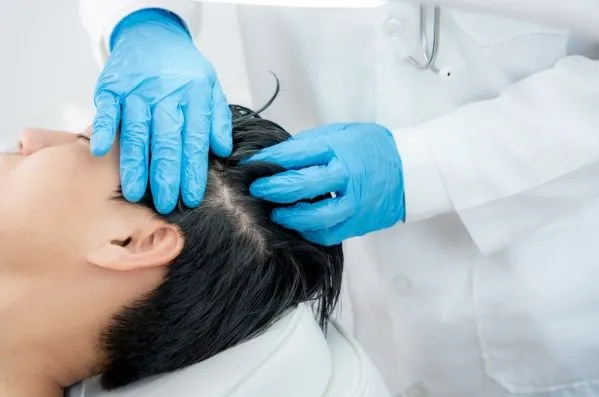
A doctor reviews your medical history, scalp, and hair density as part of a structured hair transplant process.
The goal is to estimate the number of available grafts. Planning also looks at future hair loss.
Dr. Antonio Aguilar uses these steps to guide treatment decisions. The focus is on safe results and long-term hair restoration.
The Pros and Cons of a Hair Transplant
A hair transplant has benefits and limits. It can improve hair density, but it does not stop future hair loss. Results depend on donor hair and proper technique.
Key Benefits
- A hair transplant uses your own hair follicles, which helps the results blend with natural hair.
- It can act as a permanent solution in treated areas when grafts are stable.
- It can improve hairline shape and overall appearance.
- Results often look natural when performed by an experienced surgeon with proper planning.
What Are the Disadvantages of a Hair Transplant
- Results depend on donor hair, so outcomes vary between patients.
- Some people may need more than one session to achieve the desired coverage.
- Recovery time and cost are important factors to consider.
- Hair loss may continue in untreated areas, affecting long-term appearance.
Cost and Value
Cost depends on graft count, method, and clinic setting. Many people see it as a long-term investment. Prices vary by location and level of care. Typical price ranges include:
- Single area FUE hair transplant (crown or hairline) – $4,500 to $8,000
- Full FUE hair transplant – $6,000 to $10,000
Higher costs may reflect more physician involvement, structured follow-up, and clinical oversight. Evaluating cost alongside quality of care helps provide a more accurate view of value.
Results and Expectations
Hair growth after a transplant takes time. It does not happen right away. Patients need to understand the timeline.
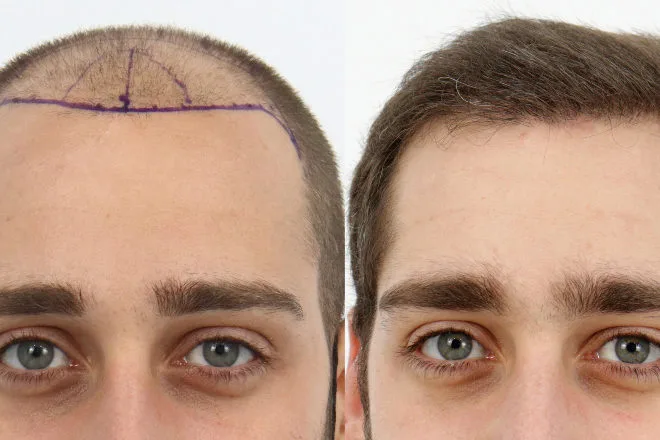
Transplanted hair sheds in the first weeks. New growth starts after a few months. Full results usually appear between 9 and 12 months.
Long-term outcomes depend on the presence of ongoing androgenetic alopecia. Transplanted hair stays, but other hair may thin. Some patients need ongoing care or future procedures.
Risks and Safety
Hair transplants are safe when done under proper medical care. Common side effects include redness, swelling, and mild pain. These usually go away in a few days.
Most people return to normal activity within a few days. Exercise is often limited for one to two weeks. Good aftercare helps protect grafts and support healing.
Hair Transplant Options in Mexico
Mexico is a common place for hair restoration. Cities like Monterrey, Cancun, and Tijuana offer different options. People compare these locations based on access and care.
Hair Transplant Mexico is in San Pedro, Monterrey. This area has strong medical infrastructure and doctor-led care. Follow-up and continuity are key factors when choosing a location.
Alternatives to Hair Transplant
Not everyone needs surgery. Some treatments can help slow hair loss or support hair growth without surgery.
Common options include:
- Medications like minoxidil or finasteride
- PRP therapy
- Low-level laser therapy
- Scalp micropigmentation
These options do not replace lost hair follicles but may help maintain or improve existing hair.
If you are considering a hair transplant, a medical evaluation can help determine if it is the right option for your case. You can schedule a consultation to review your hair loss pattern, donor area, and treatment plan.