

The first few days are especially important because the grafts are still stabilizing and the scalp is more sensitive. Alcohol may also interfere with pain medicine, antibiotics, anti-inflammatory medication, or post-operative instructions.
Alcohol After Hair Transplant Timeline
- Days 1 to 3: Avoid alcohol completely. This is when bleeding, swelling, and graft disturbance are bigger concerns.
- Days 4 to 7: Continue avoiding alcohol while the scalp heals and early scabbing develops.
- Days 7 to 10: Some patients may be cleared to drink lightly if healing is stable and they are no longer taking certain medications.
- Days 10 to 14: Many patients can reintroduce alcohol in moderation if their physician confirms recovery is on track.
- After 2 weeks: Alcohol is usually less risky, but heavy drinking can still affect hydration, inflammation, and overall healing.
Clinics such as Hair Transplant Mexico in San Pedro, Monterrey, emphasize structured aftercare and medical oversight to help patients make safe recovery decisions. Following the right timeline can help protect graft stability, support healing, and reduce avoidable risks after surgical hair restoration.
Key Takeaways
- Alcohol after a hair replacement procedure should be avoided for at least 7 to 10 days, as it can increase bleeding, swelling, and disrupt early graft stability during the most sensitive phase of healing.
- Drinking alcohol post-surgical hair implantation may interfere with medications and slow the healing process, especially in the first days after surgery when tissue repair and clot formation are critical.
- The safe timeline to resume alcohol varies by patient, but moderate consumption is typically considered after the scalp has healed and follow-up evaluation confirms stable recovery.
- Alcohol affects circulation, hydration, and inflammation, all of which influence how well each hair graft survives and integrates into the scalp.
- Medical guidance and structured follow-up play an important role in recovery, helping patients make safe decisions about alcohol use and overall hair replacement procedure care.
When Can You Drink Alcohol After a Hair Transplant
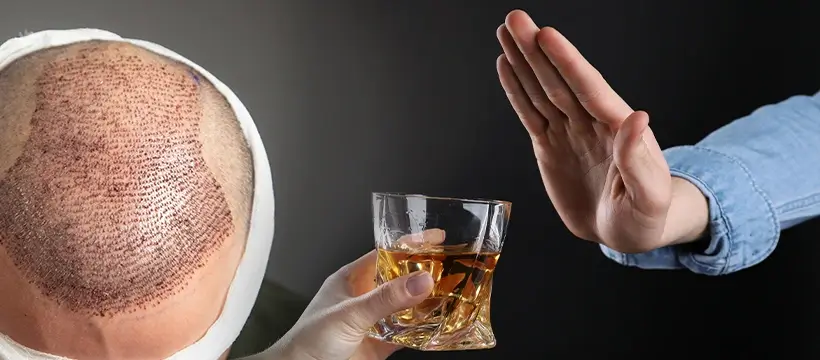
Most patients are advised to wait at least 7 to 10 days before drinking alcohol, with some physicians recommending up to 10 to 14 days depending on the case. This allows the recovery process to stabilize each hair graft and reduces the risk of bleeding or swelling. Timing may vary based on medications, scalp sensitivity, and overall recovery progress.
Why You Should Avoid Alcohol After Hair Transplant
Alcohol can affect the healing process by altering blood flow and increasing inflammation. It can also interfere with medications used after the surgery, including procedures such as DHI. These effects are most important in the first days after surgery when graft stability is still developing.
Blood Thinning and Bleeding Risk
Alcohol has mild blood-thinning effects that can increase bleeding and affect graft positioning. This risk is highest in the first 48 hours. Stable clot formation is essential for protecting the follicle.
Swelling and Healing
Alcohol may increase swelling and delay recovery by affecting fluid balance. It can also reduce hydration, which is important for tissue repair and skin integrity. These changes may increase the risk of irritation and infection during the early healing process.
Hydration and Its Role in the Healing Process
Proper hydration supports blood flow and tissue repair after the procedure. Alcohol can cause dehydration, which may slow recovery. This can affect how well each hair graft heals and stays in place. Drinking enough water helps create better conditions for healing.

Smoking and Drinking After Hair Replacement Procedure
Smoking and alcohol together can slow healing by reducing blood flow and oxygen delivery. Smoking causes blood vessels to narrow, which limits oxygen reaching the scalp after the surgery.
It can also reduce nutrient delivery to each follicule, increasing the risk of poor healing or graft loss. Avoiding both during early recovery helps protect the recovery process and improve results.
Practical Guidelines for Patients
Simple habits can support recovery and reduce risks, especially when following proper post-surgical hair restoration care:
- Avoid alcohol in the first week
- Avoid smoking during early healing
- Follow medication and aftercare instructions
Hair Transplant Mexico is located in San Pedro, Monterrey, an affluent area in northern Mexico. Patients often choose this region for structured care and follow-up. When comparing locations, many look at doctor involvement, regulations, and continuity of care. These factors can affect recovery and long-term hair restoration results.
If you have questions about recovery, timelines, or whether you are a good candidate for hair restoration surgery, a medical evaluation can help clarify your options. Schedule a consultation to review your case and receive guidance based on your specific situation.