
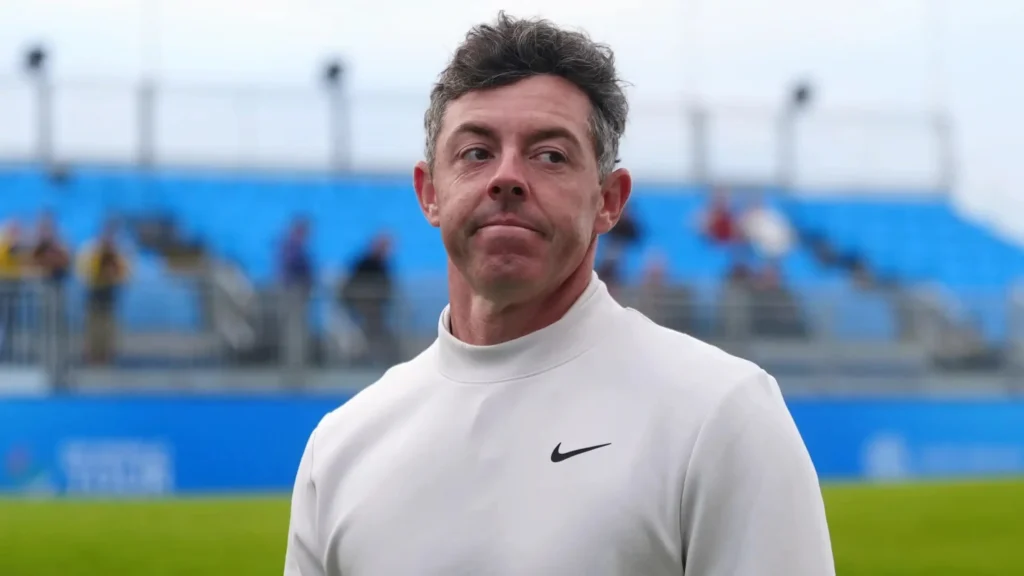
His changing look can be explained by known haircut and styling changes. Photos alone cannot confirm or rule out medical hair restoration. At Hair Transplant Mexico in San Pedro Garza García, Monterrey, Dr. Antonio Aguilar reviews medical history, scalp health, donor hair, and the pattern of hair loss.
Key Takeaways
- There is no verified public evidence that Rory McIlroy has had or confirmed a hair transplant.
- His recent look can be linked to haircut and styling changes, including a shorter cut that made his gray hair more visible.
- Photos may show changes in hairline shape or density, but they cannot confirm hair loss, medication use, FUE, DHI, or surgery.
- Hair transplant candidacy depends on donor hair, the pattern of hair loss, scalp health, medical history, and realistic goals.
- Hair growth takes time after surgery, and a return to golf should depend on healing and medical advice.
Did Rory McIlroy Get a Hair Transplant?
No reliable public statement confirms that he had the procedure. His changing hairstyles, including his shorter 2025 cut, do not prove surgery. Any claim that he had a transplant should be treated as speculation.
What Kind of Surgery Did Rory McIlroy Have?
McIlroy confirmed laser eye surgery in December 2015. The surgery corrected his vision and was unrelated to hair restoration. No similar public confirmation of scalp surgery exists.
Rory McIlroy Hair Loss and Hairline Changes
Talk about possible Rory McIlroy hair loss comes mostly from photos and media reports. Hair length, lighting, camera angles, and temple exposure can change how the hairline looks. These changes do not prove hair loss. Similar questions arise around the Prince William hair transplant, where photos can show hair loss patterns but cannot confirm that surgery took place.
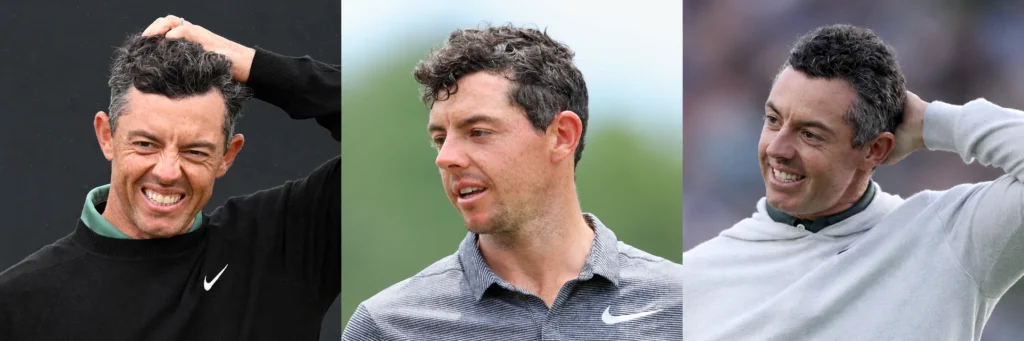
What Photos Can and Cannot Prove
Photos can show changes in density or hairline shape. They cannot confirm pattern baldness, medication use, FUE (follicular unit extraction), or DHI (direct hair implantation). A doctor needs a medical history and scalp exam to assess hair loss.
Rory McIlroy Hair Restoration: Possible Explanations
Rory McIlroy’s hair restoration remains unconfirmed. His changing look could be due to styling, natural hair loss, medication, or surgery. Public photos cannot show the exact cause.
Could FUE or DHI Explain the Changes?
FUE and DHI hair transplant techniques use different approaches to extraction and implantation. FUE removes single hair follicle groups from the donor area, while DHI often uses an implanter pen to place grafts into the scalp. Both methods can change a hairline, but there is no proof that McIlroy had either one.
Haircuts, Styling, and Medical Treatments
A short haircut can show more scalp. Longer hair can make recession less easy to see. Medicines such as minoxidil or finasteride may help some people with pattern hair loss, but there is no confirmed report that McIlroy uses them.
How Doctors Assess Hair Transplant Candidacy
Doctors check donor density, hair-loss stability, scalp health, age, medical history, and future hair loss. A weak donor area can limit how much coverage is possible. Doctors may also consider the latest hair transplant technology when selecting extraction, graft handling, and implantation methods for a patient.
Patients comparing Mexico, the United States, Turkey, or other locations should also review doctor involvement, medical oversight, and follow-up care.
- Donor density and hair thickness
- Stability of hair loss
- Scalp health and realistic goals
When Can You Play Golf After a Hair Transplant?
When you can play golf after a hair transplant depends on healing, the procedure type, and your doctor’s advice. Light activity often starts before harder exercise. New hair growth takes several months and differs from person to person.
Exercise, Sweating, and Sun Exposure
Limit heavy exercise, sweating, and direct sun during early healing. Golf can expose the scalp to all three. Your doctor should decide when it is safe to return to normal play.
Learn More About Your Hair Restoration Options
If you are considering hair restoration, a medical evaluation can help clarify your options, donor supply, and expected results. You can schedule a free consultation with Hair Transplant Mexico to discuss your case with Dr. Antonio Aguilar.