Key Takeaways
- A hair transplant in Mexico City moves healthy follicular units to thinning areas; candidacy depends on donor supply, scalp health, and long-term planning.
- Costs vary by treatment scope and graft count, with structured pricing ranges for single-area FUE, full restoration, and beard procedures.
- Doctor involvement, medical oversight, and clear risk disclosure are central when evaluating safety and identifying the best clinic for the procedure.
- Patients comparing Mexico with Turkey or the United States should review regulatory differences, access to follow-up care, and continuity of care, not just headline pricing.
- Recovery follows a predictable cycle of initial shedding and gradual regrowth; final density develops over several months with ongoing monitoring as needed.
What Is a Hair Transplant in Mexico City
A follicular unit procedure relocates grafts from the back or sides of the scalp to thinning areas. Doctors perform the surgery under local anesthesia so patients remain comfortable and awake throughout. Each graft typically contains one to four hairs, and the total number depends on the degree of loss.
The surgery focuses on natural growth patterns. The surgeon places each unit one by one to match the direction and angle of surrounding strands. Visible results develop gradually over several months.
How the Procedure Works
The doctor first evaluates donor density and scalp health. The medical team then extracts follicular units and prepares recipient sites according to a structured plan, placing each graft at a precise depth and angle.
Transplanted hairs often shed within weeks. New growth begins later as follicles re-enter the active phase of the normal cycle.
FUE and FUT Techniques
A FUE procedure in Mexico City removes individual grafts using small, specialized instruments, leaving no linear scar. FUT removes a narrow strip of tissue and separates grafts under magnification. Both are established techniques used by restoration clinics worldwide.
Some clinics use implantation pens to assist placement. These tools help control depth and angle but do not change biological growth outcomes. FUE remains the most requested method across CDMX and Monterrey clinics because of its minimal scarring and shorter recovery window.
Who Is a Good Candidate
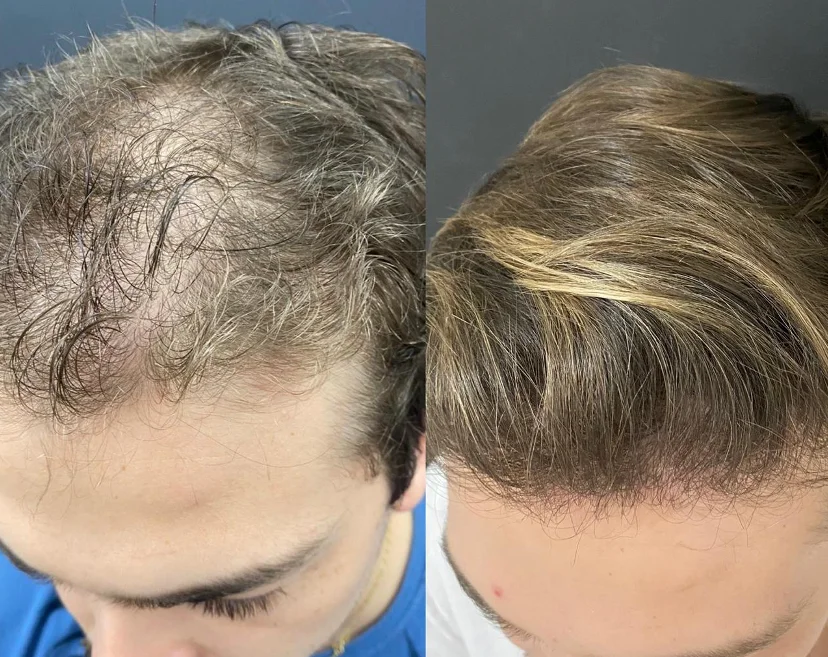
Good candidates have stable loss patterns and sufficient donor supply. Patients with uncontrolled medical conditions may need further evaluation before proceeding. A physician must review scalp health, medical history, and long-term expectations before scheduling surgery.
Not all loss patterns require a surgical approach. Medical therapy, including minoxidil or finasteride, may be appropriate in early stages.
Is Mexico Good for Hair Transplants
Many patients ask whether Mexico is a reliable destination for follicular restoration when comparing countries. The answer depends on doctor oversight, clinic standards, and follow-up structure. Mexico has modern private hospitals and specialized clinics in major cities including CDMX, Monterrey, and Tijuana.
Patients should confirm that a licensed physician performs the surgical procedure from start to finish.
Medical Regulation and Physician Oversight
Mexico requires physicians to hold valid professional licenses (cédula profesional) and operate within COFEPRIS-registered facilities. Any clinic performing hair transplant surgery in Mexico should display its COFEPRIS aviso number, which patients can verify through Mexico’s federal health authority.
In any country, limited supervision can affect outcomes. Physician involvement during both extraction and implantation remains central to safe results.
Is It Safe to Get a Hair Transplant in Mexico?
Safety depends on three verifiable factors: the surgeon’s credentials, the facility’s regulatory standing, and the clinic’s transparency in disclosing risks. Accredited facilities in Mexico City and Monterrey follow the same international sterilization and patient-safety protocols used in the United States.
Patients should ask for the treating physician’s professional license number, confirm COFEPRIS registration, and request documentation of the clinic’s sterilization and emergency protocols. A clinic that cannot provide these details warrants caution regardless of price or location.
Healthcare Infrastructure in Major Cities
Mexico City, Monterrey, and Tijuana offer developed private healthcare systems with trained medical teams and experienced surgeons. Infrastructure in these cities supports surgical care, postoperative monitoring, and structured follow-up programs.
San Pedro, Monterrey, where Hair Transplant Mexico operates, is known for its concentration of private healthcare centers and structured clinical oversight. CDMX’s Polanco and Roma neighborhoods similarly host a dense cluster of certified restoration clinics.
Travel and Safety Considerations
International patients often compare Mexico with Turkey or the United States for this procedure. Mexico offers shorter travel times for North American patients, and easier access simplifies follow-up visits compared to transatlantic alternatives.
Travel timing should allow enough recovery time before flying home. Most surgeons recommend staying locally for at least two to three days after the procedure.
Hair Transplant Cost in Mexico City
Pricing varies by the number of grafts and treatment area. Many patients ask, “How much is a hair transplant in Mexico City?” because the final figure depends on case complexity, not a flat rate. Procedure costs across Mexico are typically lower than in the United States due to reduced facility overhead, but the price reflects medical oversight and surgical time, not a discount on quality.
At Hair Transplant Mexico, pricing ranges are based on treatment scope:
| Procedure Type | Price Range (USD) |
|---|---|
| Single area FUE (crown or hairline) | $4,500 – $8,000 |
| Full FUE restoration | $6,000 – $10,000 |
| Single area + full beard FUE | $5,500 – $9,000 |
| Full beard FUE | $4,500 – $8,000 |
These ranges depend on graft count, surgical time, and overall treatment planning.
How Much Do 3,000 FUE Grafts Cost?
For around 3,000 grafts, costs typically range from $4,500 to $8,000 depending on the specific case and treatment plan. Many patients choose Mexico to access surgeon-led FUE procedures at more accessible prices than comparable clinics in the U.S., where the same graft count often costs significantly more.
This price difference helps reduce financial strain while maintaining a strong focus on safety and medical standards. For many, it offers a balanced option without compromising physician oversight.
Mexico City Hair Transplant Clinic Price Packages
Clinic pricing structures in CDMX generally fall into two models. Some clinics offer all-inclusive packages that bundle the procedure, pre-operative labs, PRP therapy, medications, and follow-up visits into a single fee. Others price by graft count, with add-ons billed separately.
When comparing packages across Mexico City clinics, patients should confirm what is included: anesthesia, post-operative medications, follow-up consultations, and whether PRP or mesotherapy sessions are part of the quoted price or billed as extras. Comparing only headline numbers without reviewing package components can be misleading.
FUE Hair Transplant Cost in Mexico
FUE pricing at Hair Transplant Mexico is structured by treatment scope rather than a flat per-graft rate. A single-area FUE procedure, such as the crown or hairline, ranges from $4,500 to $8,000, while a full FUE restoration ranges from $6,000 to $10,000, depending on graft count and surgical time.
This tiered pricing model differs from clinics that bill strictly per graft, where the final cost isn’t confirmed until the procedure is complete. The cost of a FUE procedure reflects not just graft count, but surgeon experience, facility standards, and whether the doctor personally performs extraction and placement.
Affordable vs. Cheap: Understanding the Difference
An affordable procedure balances price with physician oversight and structured care. A low-cost option that reduces supervision or eliminates follow-up creates risk. Patients should evaluate structure, not price alone.
Important questions to ask any clinic:
- Is a licensed doctor present during the entire procedure, including extraction and implantation?
- Are risks and outcome variability explained clearly before surgery?
- Is a structured follow-up protocol included in the quoted price?
Travel and Logistics
@dr.antonioag90 What medical tourism REALLY looks like 🇺🇸✈️🇲🇽 It’s not “cheap surgery.” It’s smart planning. ✔️ Board-certified surgeon ✔️ Modern facility ✔️ Personalized design ✔️ Airport–hotel–clinic coordination Patients don’t travel for discounts. They travel for value, expertise, and results. This is medical tourism done right. #MedicalTourism #HairTransplantMexico #HairRestoration #FUEHairTransplant #TravelForTreatment
♬ original sound - Dr.Antonio Aguilar
Hair Transplant Mexico coordinates hotel and transportation services in advance. Dr. Antonio Aguilar provides a hotel stay and a private driver to assist patients during their visit. Transportation is arranged between the hotel, clinic, and airport to ensure safe, convenient travel throughout the procedure.
What Defines the Best Hair Transplant in Mexico City
The phrase “best hair transplant in Mexico City” should refer to clinical quality and planning, not marketing claims. Quality depends on physician training, structured protocols, and realistic expectations set during consultation.
Physician Qualifications and Experience
Experienced surgeons understand donor preservation, graft viability, and long-term aesthetic planning. Dr. Antonio Aguilar has specialized training in FUE restoration techniques and hair medicine, and holds professional license (cédula profesional) 10316371. His role includes medical evaluation, procedural oversight, and post-operative follow-up.
Patients should verify any surgeon’s credentials by requesting their cédula profesional number and checking for membership in recognized bodies such as the ISHRS (International Society of Hair Restoration Surgery) or the Sociedad Mexicana de Microinjerto Capilar.
Surgical Standards and Clinical Protocols
Clear protocols guide sterilization, graft handling, storage solutions, and placement sequencing. Local anesthesia helps maintain comfort while keeping patients safe during procedures that may last six to eight hours for larger sessions.
Clinics that document these protocols in writing can show patients exactly what to expect. Patients should ask whether the clinic follows documented protocols and tracks graft survival rates.
Informed Consent and Risk Disclosure
Any surgical procedure carries potential side effects such as swelling, numbness, or uneven growth during the early months. Physicians must explain outcome variability, expected regrowth timelines, and factors that influence the final result.
No clinic can guarantee identical outcomes for every patient. A surgeon who openly discusses limitations demonstrates the transparency associated with quality care.
Hair Transplant Mexico vs Turkey
Patients frequently compare these two destinations during their research. Both attract international visitors seeking lower prices than the United States, but the clinical models differ in important ways.
Regulation and Clinical Differences
Regulatory systems vary significantly between countries. Turkey’s high-volume model sometimes relies heavily on technicians for extraction and implantation, with the named surgeon overseeing multiple concurrent procedures. Mexico’s regulatory framework requires direct physician involvement, though enforcement varies by facility.
Patients should confirm whether the surgeon personally performs the critical steps of extraction and graft placement, regardless of destination.
Cost and System Comparison
Turkey often offers all-inclusive packages that cover flights, hotels, and the procedure. Mexico offers geographic proximity and shorter travel for North American patients, reducing total trip cost and simplifying return visits.
When comparing the two, total value includes travel expenses, follow-up accessibility, and the cost of corrective procedures if results are unsatisfactory. Proximity matters more than many patients initially realize.
Follow-Up and Continuity of Care
Structured follow-up helps monitor graft survival, growth progression, and healing. Easy return visits support better long-term outcomes because the treating physician can intervene early if complications arise.
A clinic in Mexico is a one- to three-hour flight from most major U.S. cities, compared to a 10- to 12-hour flight to Istanbul. This accessibility advantage directly affects whether patients actually attend follow-up appointments.
Hair Transplant Locations in Mexico
Patients researching hair transplants in Mexico often compare cities.
Mexico City Overview
Mexico City is the country’s largest medical tourism hub, with dozens of restoration clinics concentrated in neighborhoods like Polanco, Roma Norte, and Santa Fe. The capital offers a deep bench of board-certified surgeons, multilingual staff, and COFEPRIS-regulated facilities.
CDMX clinics vary widely in price depending on graft count and package inclusions, with many offering all-inclusive packages. The city’s international airport (MEX) provides direct flights from most major U.S. and Canadian cities, and the Polanco medical corridor is approximately 20 minutes from the terminal.
Patients considering Mexico City should evaluate individual clinic credentials rather than relying on the city’s reputation alone. The concentration of clinics means quality varies widely, and due diligence on physician qualifications, COFEPRIS registration, and documented case histories is essential.
Tijuana and Border Access
Tijuana attracts patients near the U.S. border, particularly from Southern California. The San Ysidro crossing provides walk-across access, and several clinics in the Zona Río district cater specifically to American patients. Travel time is shorter, but follow-up visits still require crossing the border.
Monterrey Infrastructure
Monterrey offers structured private healthcare systems, experienced medical teams, and a growing concentration of specialized restoration clinics. Monterrey’s San Pedro Garza García district is home to Hair Transplant Mexico’s clinic, along with a broader network of private medical facilities.
The city is a two-hour flight from Houston and Dallas, making it accessible for patients across the southern and central United States.
Areas Commonly Treated
Follicular restoration can address several areas depending on the patient’s loss pattern and goals:
- Hairline and temples: The most common treatment area, requiring precise angulation for a natural-looking frame.
- Crown and vertex: Requires careful graft distribution to create density without depleting donor reserves.
- Beard and eyebrows: Beard transplant procedures use finer grafts and demand specialized placement techniques. The cost of a beard procedure in Mexico typically ranges from $4,500 to $8,000.
- Scar coverage: Targeted graft placement can conceal previous surgeries or injuries.
Each area requires planning based on available donor supply and the patient’s long-term loss trajectory.
Recovery Timeline and Expected Growth
Immediate Postoperative Period
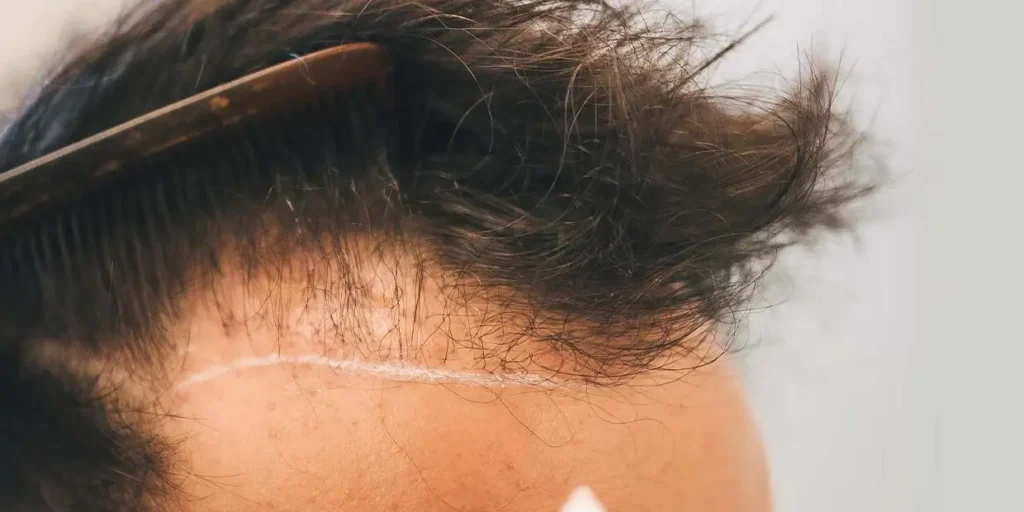
The scalp may feel tight or swollen for a few days following surgery. Small scabs form around each graft site and typically fall off within 7 to 14 days. Most patients resume light activities within two to three days, but should avoid strenuous exercise for at least two weeks.
Shedding and Regrowth Cycle
Transplanted follicles commonly shed within two to four weeks after the procedure. This is a normal part of the growth cycle, not a sign of graft failure. New growth typically begins between months three and four, with noticeable improvement by month six.
Long-Term Maintenance and Variability
Final density develops gradually over 12 to 18 months. Results vary based on graft survival, individual healing response, and whether the patient follows post-operative care instructions.
Ongoing loss in untreated areas may occur as part of natural progression. Regular follow-up allows the treating physician to recommend supplementary treatments, such as PRP or medical therapy, to preserve density in surrounding areas.
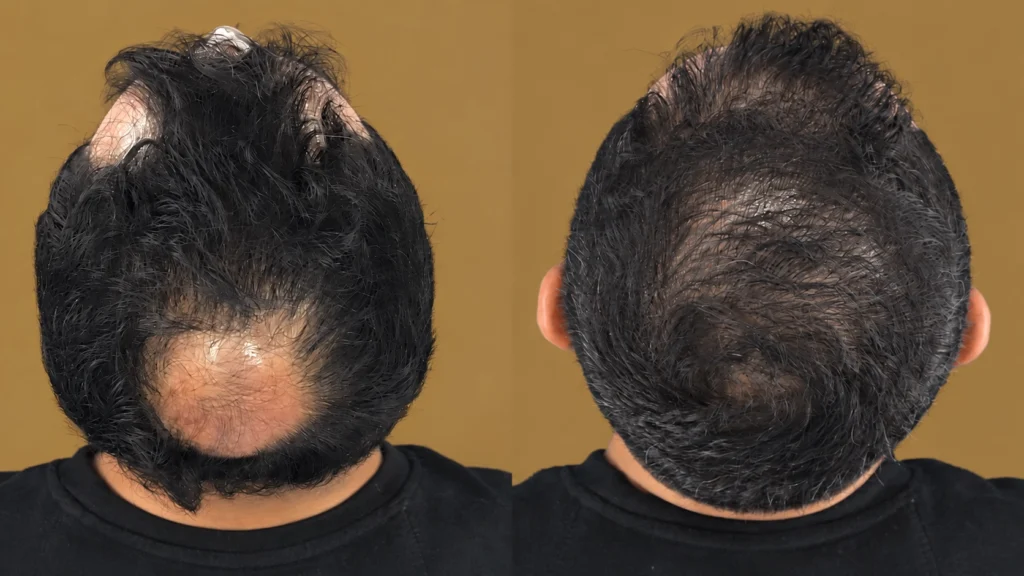
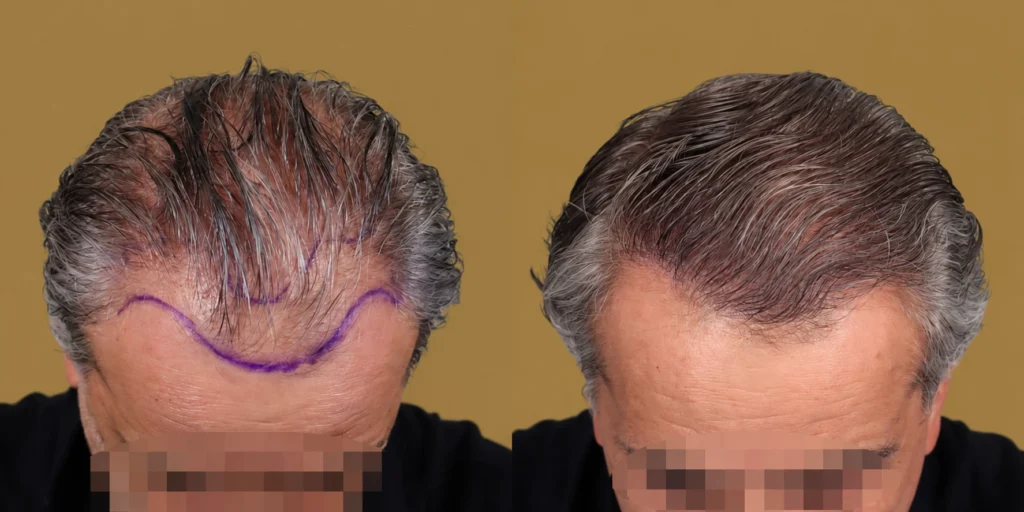
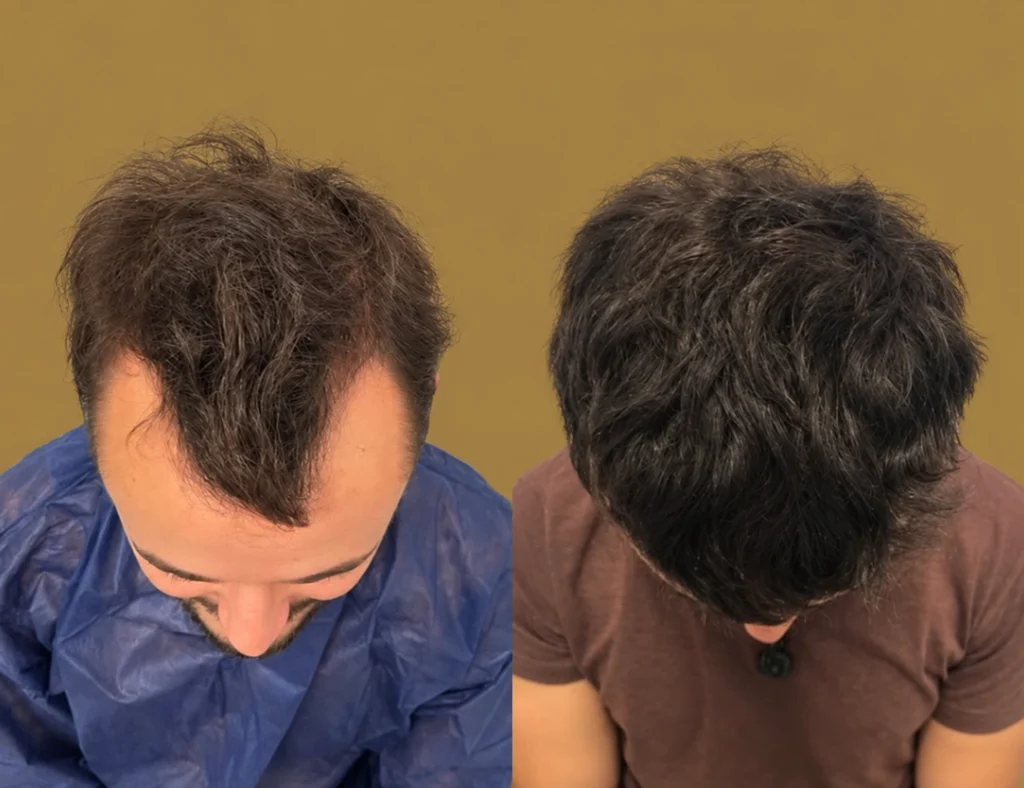
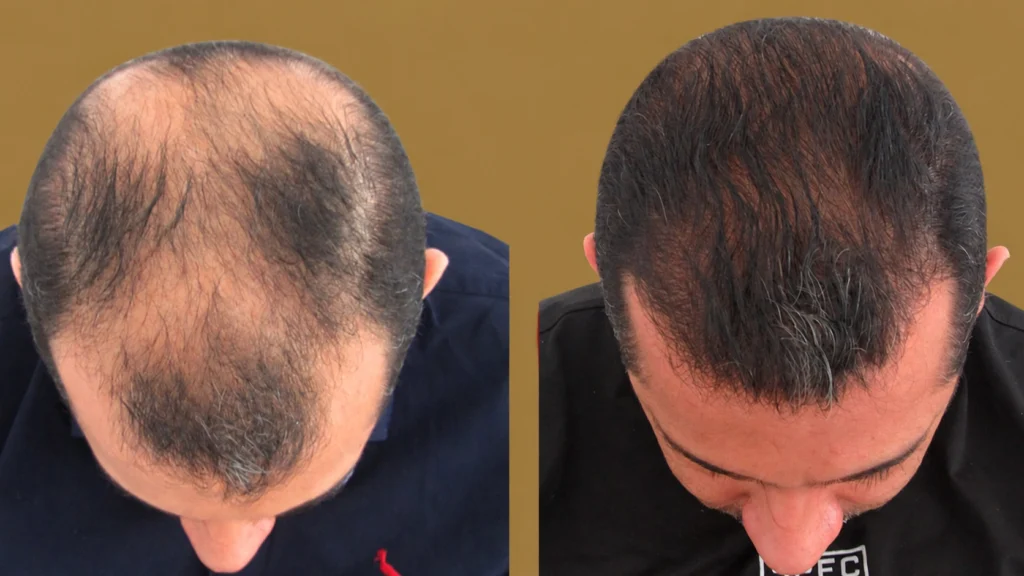
Before and After Results