
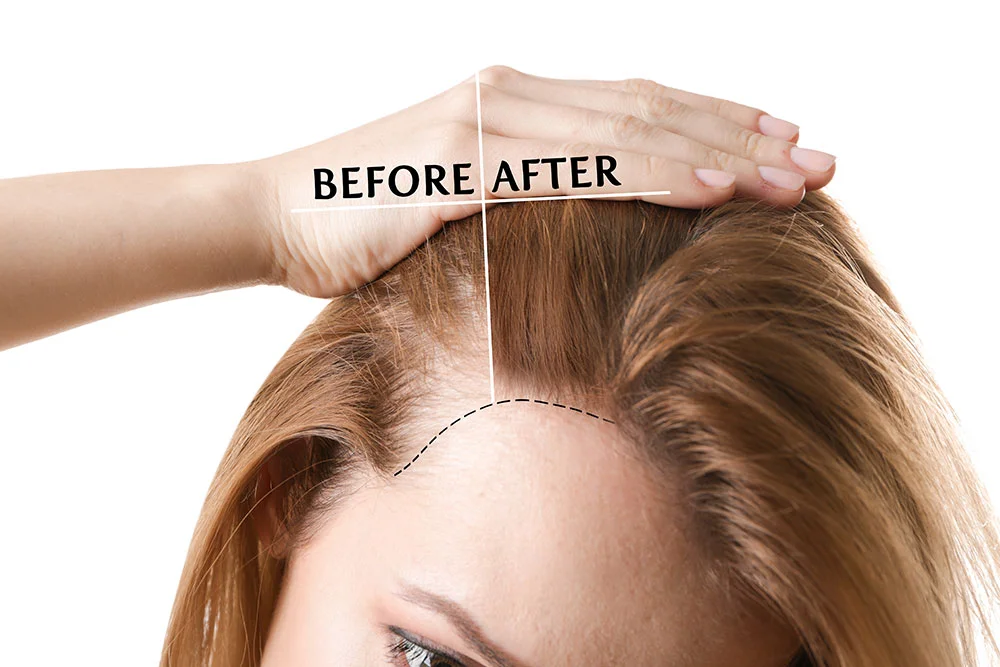
Complaints often involve slow growth or poor communication. Some reflect normal healing stages that patients did not expect. Hair growth takes time, and early shedding is common. Read complaints with a medical context in mind.
Tijuana is popular with U.S. patients because it is close to the border. Many posts compare ease of travel and cost. Few posts explain medical supervision in depth. Doctor involvement remains important in any city.
How Good and Safe Are Hair Transplants in Mexico?
Safety depends on training, clinic standards, and patient selection. Mexico has both doctor-led clinics and technician-heavy models. The key question is who performs the procedure’s critical steps.
Doctor-Performed FUE vs Technician Work
FUE, or follicular unit extraction, removes individual grafts from the donor area. In doctor-led procedures, the physician designs the hairline and oversees extraction and placement. In Mexico, doctors perform the procedure, unlike other countries that uses technician. Physician supervision supports medical safety and clear accountability.
Follicular Unit Extraction, or FUE, is often considered a preferred option because it removes individual follicular units without creating a large linear scar. The technique enables precise placement of grafts, supporting natural-looking density in the hairline and crown.
Many patients choose FUE for its shorter recovery time and reduced visible scarring compared with older strip methods.
Medical Oversight and Informed Consent
Before surgery, patients should receive clear information about risks and results. Informed consent explains possible swelling, shedding, and growth timelines. A clinic should provide written aftercare instructions. Follow-up visits help track healing and address concerns.
Risks and Red Flags
Hair transplant surgery is usually low risk, but problems can occur. Signs of concern include infection, severe swelling, or poor healing. Patients should contact a doctor if recovery does not follow the expected course. A responsible hair transplant clinic explains warning signs in advance.
How Much Do 3,000 Grafts Cost in Mexico?
In Mexico, the cost typically ranges from $4,500 to $8,000 USD, depending on the case. Many patients choose Mexico for procedures performed by experienced surgeons at fair prices. This helps lower overall costs without compromising safety. For this reason, many see Mexico as a balanced option for hair restoration.
Price Ranges
In Mexico, cities like Tijuana, Cancun, and Monterrey offer different price levels. Border cities often attract patients from the United States due to convenience, while Monterrey, including San Pedro, is known for private medical centers with more structured care.
Costs often reflect the type of facility and the level of physician involvement.
Typical price ranges include $4,500 to $8,000 for a single area FUE transplant (such as the crown or hairline), $6,000 to $10,000 for a full FUE procedure, $5,500 to $9,000 for a combined single area and full beard transplant, and $4,500 to $8,000 for a full beard FUE.
Choosing a clinic goes beyond comparing prices. You should focus on medical expertise, safety standards, and the quality of long-term results.
What Is Included
Cost Variables to Compare
Several factors affect the total cost:
- Number of grafts
- Technique used, such as FUE or DHI
- Level of surgeon involvement
- Post-surgery follow-up plan
Understanding these factors helps readers interpret hair restoration reviews in Mexico more accurately.
Hair Transplant Mexico vs Turkey
Many patients compare Mexico and Turkey when researching hair restoration. Both countries have clinics with different business models. Quality depends on clinic standards, not only location.
Cost and Travel Logistics
Turkey may offer lower per-graft prices. Long-distance travel can add flight and hotel costs. Mexico offers shorter travel for North American patients. Short travel also makes follow-up easier.
Safety and Regulation Differences
Rules and oversight vary between clinics in every country. Some high-volume centers rely heavily on technicians. Patients should confirm who performs the extraction and implantation. Clear answers show better transparency.
Follow-Up and Continuity of Care
Follow-up visits help monitor graft survival and scalp health. Local access makes check-ups easier if problems arise. Continuity of care supports long-term results.
Choosing the Best Hair Transplant in Mexico
The phrase “best hair transplant in Mexico” often reflects a desire for predictable results. Clinical standards offer a clearer guide than popularity alone.
Good results include natural hairline design and even graft placement. Balanced density matters more than extreme numbers. Realistic expectations support patient satisfaction.
Surgeon Training and Experience
Training and medical background influence decision-making. Dr. Antonio Aguilar completed medical education at Universidad del Noreste and performs FUE hair restoration procedures. Physician training supports structured evaluation and planning.
Clinic Standards and Transparency
Clinics should document graft counts and provide written instructions. Clear communication builds trust. Mexican reviews of hair transplant procedures often mention how well risks and expectations were explained.
Procedure Basics and Treatment Areas
Hair restoration moves healthy donor hair to thinning areas. The goal is natural coverage that matches hair pattern and density.
Evaluation and Candidacy
A physician checks donor density and hair thickness. Not every patient qualifies for 3,000 grafts. Careful planning prevents overharvesting.
Hairline, Crown, Beard, Brows, Scars
Common areas include the frontal hairline and crown. Some patients seek coverage for beards, eyebrows, or scars. Each area requires different graft placement techniques.
Recovery Timeline and Result Variability
Shedding often occurs in the first weeks. New growth usually starts around three to four months. Final density may take up to 12 months. Results vary based on genetics, technique, and aftercare.
Schedule a professional consultation to receive a personalized medical evaluation and clear guidance based on your hair loss pattern and treatment goals.