

Several things could explain the change, including FUE (follicular unit extraction), DHI (direct hair implantation), medication, hairstyle, hair length, or lighting. A proper before-and-after review would need clear photos, a scalp exam, donor-area checks, and medical history.
Dr. Antonio Aguilar, a physician with more than 10 years of experience in FUE hair restoration, uses these factors when assessing hair loss. Hair Transplant Mexico in San Pedro, Monterrey, Mexico treats celebrity photo comparisons as educational examples, not medical diagnoses.
Key Takeaways
- Rúben Amorim has not publicly confirmed having a hair transplant, so claims about surgery remain unverified.
- Older and newer photos may show changes in his hairline and density, but styling, lighting, medication, and hair length can also change how hair looks.
- FUE and DHI could create similar changes, but photos cannot show which method, if any, was used.
- A medical hair-loss exam looks at the hairline, donor area, pattern of loss, health history, and treatment goals.
- New growth after surgery takes time. Shedding can happen early, while fuller results often develop over 6 to 12 months.
Did Ruben Amorim Have a Hair Transplant?
No reliable public statement from Amorim or a treating doctor confirms surgery. His hair may look fuller in some recent photos, but that does not prove a procedure took place. Medical treatment, styling, lighting, and normal changes can also affect how the hairline looks.
Ruben Amorim Before and After Hair Transplant
Ruben Amorim Before Hair Transplant
Older photos appear to show a mature frontal hairline with some recession at the temples. This can occur with male pattern hair loss, but a photo cannot confirm a diagnosis. Camera angle and hairstyle can also make the temples look more or less exposed.
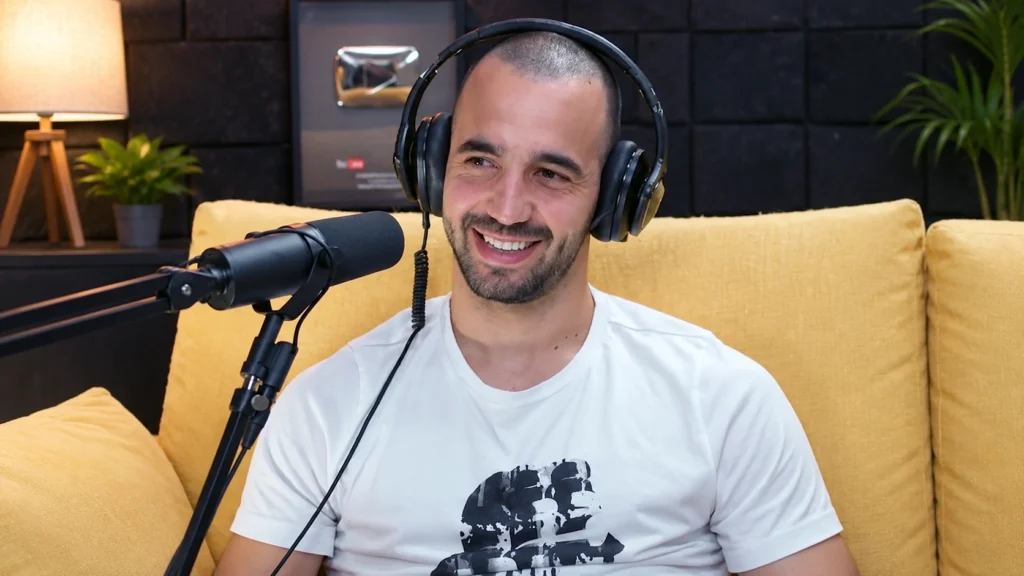
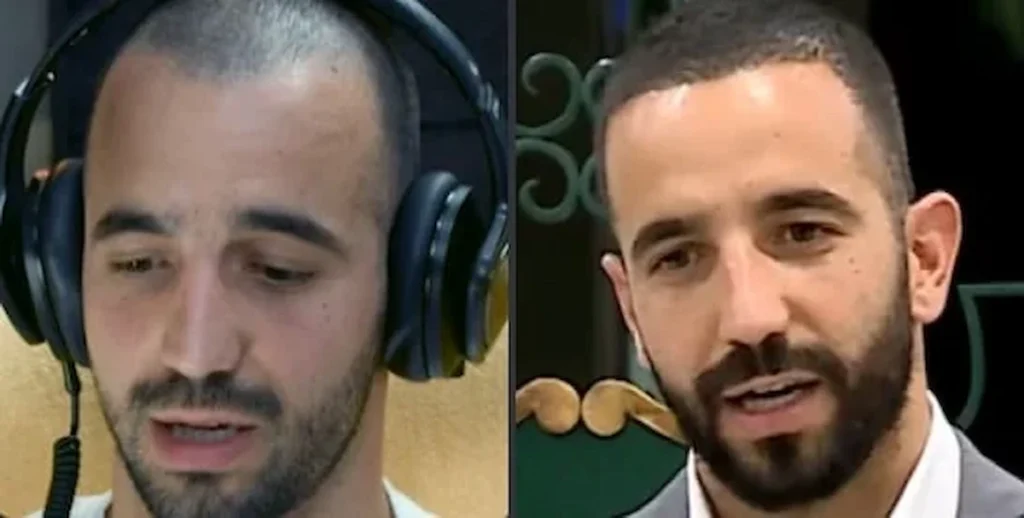
Hairline and Density Changes
Some newer photos appear to show more coverage at the front and a more defined hairline. These changes may explain why people have linked his appearance to hair restoration. They could also come from thicker styling, longer hair, medication, or different lighting.
What Photos Cannot Confirm?
Photos cannot show whether grafts were removed from a donor area or placed into the scalp. They also cannot show medical records, scalp health, or past treatment. For that reason, images cannot confirm FUE, DHI, medication, or any other specific treatment. Similar caution applies when reviewing other public figures, such as in a Rory McIlroy hair transplant analysis, where visual changes should be separated from verified medical facts.
Ruben Amorim Hair Loss Explained
Possible Pattern Hair Loss
Male pattern hair loss often starts at the temples, front hairline, or crown. It may cause slow recession, thinning, or both. A similar look in photos does not mean a person has been formally diagnosed with androgenetic alopecia.
Hairline Recession Patterns
A mature hairline can move higher without leading to major baldness. Male pattern hair loss tends to keep changing over time and may affect the front, crown, or both. Photos taken from the same angle and under the same light give a more useful comparison.
Possible Ruben Amorim Hair Restoration Methods
FUE Hair Transplant
FUE removes small groups of hair follicles from a donor area, usually at the back or sides of the scalp. A doctor then plans where to place those grafts in areas with thinning or loss. Hairline shape, donor supply, graft direction, and future loss all matter when planning treatment.
DHI Hair Implantation
DHI often refers to placing grafts with an implanter pen. The tool can help create an opening and place the graft in one step. It does not replace medical diagnosis, hairline planning, donor assessment, or doctor oversight.
Could Other Treatments Explain the Change?
Finasteride and Minoxidil
Finasteride and minoxidil can help slow male pattern hair loss or improve visible density in some patients. Results vary, and neither treatment works the same way for everyone. A doctor should review health history, risks, and possible side effects before treatment.
Hairstyle, Length, and Lighting
Longer or thicker hair can cover the temples and make the front look fuller. Bright overhead light, wet hair, or a shorter style can make thinning easier to see. That is why celebrity photos shouldn’t be treated like medical before-and-after images.
How Similar Hair Loss Is Evaluated
Hairline and Norwood Pattern
A doctor checks the temples, front hairline, middle scalp, and crown. The Norwood scale can help describe the pattern and stage of male hair loss. Age, rate of loss, family history, and long-term goals also guide treatment planning.
Donor Density and Graft Planning
A hair transplant needs enough healthy donor hair to cover the planned area. The donor zone must also be managed carefully because the supply of usable follicles is limited. Good planning considers both current thinning and possible future hair loss.
Candidacy and Medical Assessment
A medical review may include health history, scalp checks, hair-loss pattern, expectations, and informed consent. Patients comparing Mexico and Turkey, or considering the United States, should look at:
- How much of the procedure a doctor performs or oversees
- Local clinic and medical rules
- Follow-up after the patient returns home
- Access to care if a problem develops
Clinic models vary by country. Some centers treat many patients each day, while others use a smaller doctor-led model. Clear follow-up helps patients understand healing, medication use, and when they should contact their medical team.
Hair Transplant Cost in Mexico
What Determines the Cost
Cost depends on the number of grafts, treatment area, method, doctor involvement, and follow-up care. At Hair Transplant Mexico, a single-area FUE Hair Transplant for the crown or hairline ranges from $4,500 to $8,000, while a Full FUE Hair Transplant ranges from $6,000 to $10,000. When comparing countries, patients should also include travel, aftercare, medical oversight, and long-term treatment in the total cost.
Hair Transplant Recovery and Results
Early Shedding and Growth
Transplanted hairs often shed during the first few weeks after surgery. This can happen before new growth begins and does not always mean the graft has failed. New hairs usually appear slowly over the following months.
Final Density and Maturation
Most patients need several months to judge the result. Visible growth often becomes clearer between 6 and 9 months, while full maturation may take about 12 months or longer. Final density depends on graft survival, hair type, donor supply, ongoing hair loss, and the treatment plan.
If you are considering hair restoration, a medical evaluation can help confirm the cause of hair loss and whether FUE or another option is suitable. Schedule a consultation with Hair Transplant Mexico to review your hairline, donor area, goals, and treatment options.