
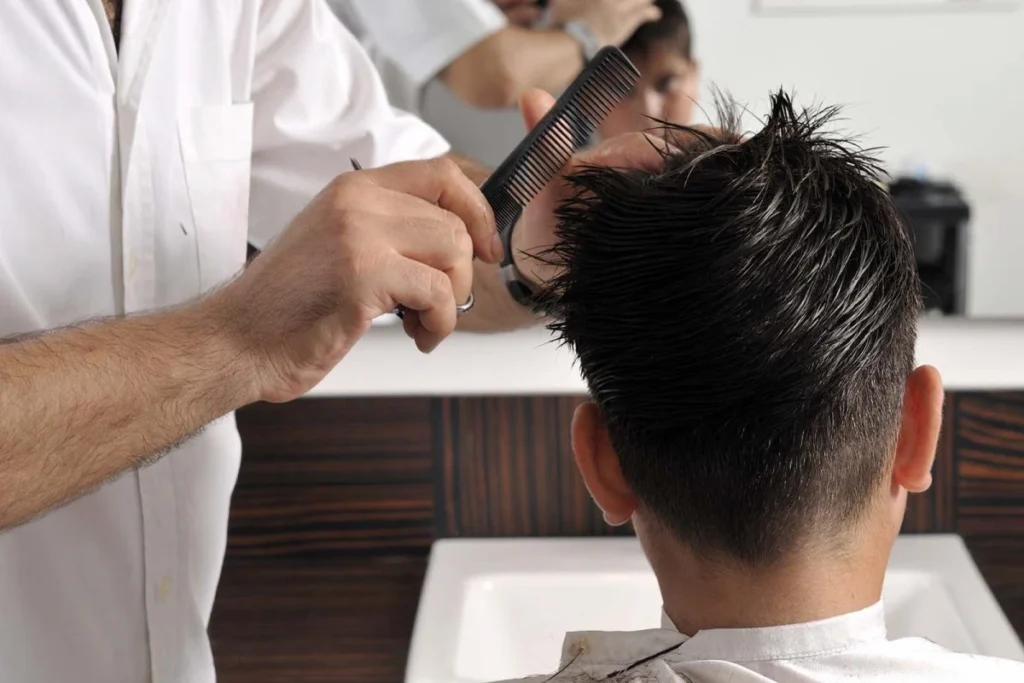
Timing also varies based on technique, skin response, and adherence to aftercare instructions. Even when the scalp appears healed, deeper structures may still be stabilizing, which is why cutting hair too soon after the restoration transplant can affect long-term hair growth. A gradual approach, starting with controlled trimming and progressing to more defined cuts, helps reduce risk and supports consistent results.
In locations such as Hair Transplant Mexico in San Pedro, Monterrey, medical follow-up and physician guidance are used to determine when it is safe to resume grooming based on individual recovery.
Key Takeaways
- A post-transplant haircut should be delayed until the grafts are secure; scissors are typically allowed around 3–4 weeks, with clippers introduced later, depending on healing.
- The donor and recipient areas heal at different rates, so trimming timelines vary and require careful handling to avoid disrupting newly transplanted strands.
- The healing process includes graft anchoring and a normal shedding phase, so the scalp may appear healed before the follicles are fully stable.
- Using the wrong tools or cutting too early can affect hair growth and delay recovery, so a gradual approach is essential.
- Medical follow-up helps determine safe timing, as recovery varies based on the procedure, scalp response, and overall restoration journey.
When Can You Get a Haircut After a Hair Transplant
The timing of a post-transplant haircut depends on how quickly the treated area has healed and whether the grafts are secure. During the first week after transplant surgery, the focus is on protecting the follicles in the transplant area and avoiding contact that could affect the newly transplanted strands.
Between two and four weeks, the scalp begins to recover, and scabs resolve. At this stage, some patients may trim natural hair with scissors, avoiding the transplant area and limiting contact with donor and recipient areas. Clippers are still delayed due to vibration and pressure.
After one month, the treated area has healed further, and the grafts are secure. More flexibility is possible, although timing varies based on the healing process, skin type, and technique used. FUE (Follicular Unit Extraction) may allow faster recovery than FUT (Follicular Unit Transplantation), which can influence haircut timing.
What Happens During the Healing Process
The healing process after hair restoration surgery includes both surface recovery and deeper changes in the scalp. In the first few days, scabs form around the grafts while the follicles begin to stabilize. During this phase, grafts are not fully anchored and remain sensitive to movement.
Within 7 to 10 days, graft anchoring begins as follicles connect to the blood supply. Even if the scalp appears normal, the deeper structures are still stabilizing, which explains why early haircuts after the restoration surgery can affect results.
After a few weeks, grafts are secure, and the scalp has healed more visibly. Some newly transplanted follicles may shed, which is a normal part of the hair growth cycle and does not affect long-term outcomes. This stage is often referred to as the hair transplant ugly duckling phase, where temporary shedding occurs before new growth begins. New hair growth develops gradually over time as follicles enter a new growth phase.
How to Cut Hair Safely After a Hair Transplant
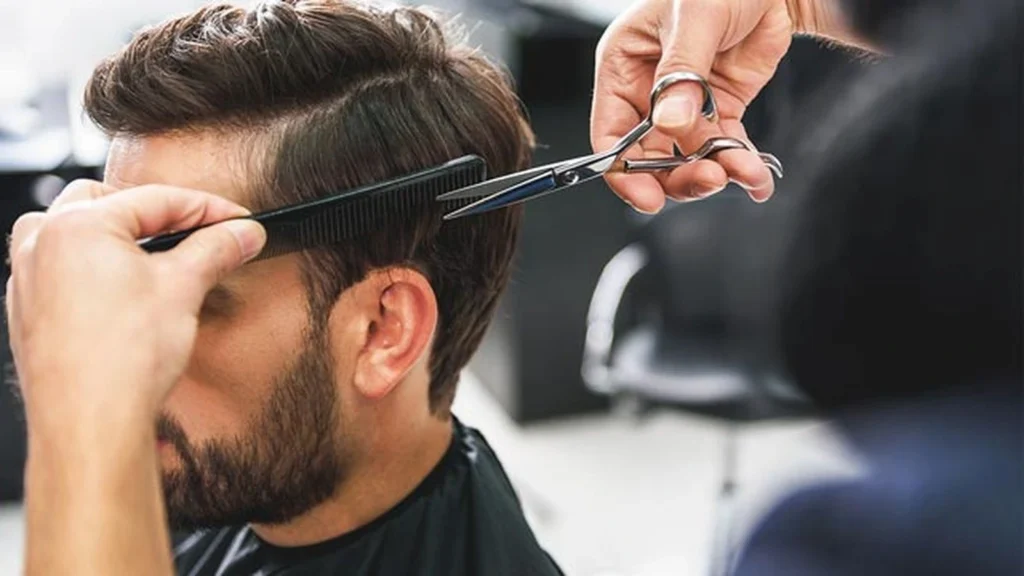
Method matters as much as timing when planning a post-transplant haircut. Scissors are the safest option early on because they reduce pressure on the scalp and protect sensitive follicles. This approach supports stable healing and controlled trimming.
Clippers should be avoided until the treated area has healed and there is no sensitivity in the transplant area. Vibration and close contact can affect grafts if used too early, especially when attempting short styles.
General timing guidelines include:
- Week 1 – no cutting or trimming
- Weeks 2 to 3 – scissors only, avoid transplant area
- Week 4 and beyond – gradual clipper use if the treated area has healed
These timelines vary based on individual recovery and the extent of hair restoration surgery.
What to Avoid Before Your First Haircut
Before cutting hair, certain actions can affect recovery and growth. Avoiding these behaviors helps protect newly transplanted strands and supports the healing process.
Key precautions include:
- Avoid clippers or tools that touch the scalp
- Do not pull or press on the transplant area
- Avoid hair dyes until the scalp has healed
- Limit styling products that may irritate the skin
These steps reduce the risk of damaging follicles and support long-term results.
Best Haircuts After a Hair Transplant
The best option is one that avoids pressure on the transplant area and allows the scalp to heal without irritation. In the early weeks, longer styles or light trims with scissors are the safest option because they do not require direct contact with the skin.
A fade haircut after a hair restoration surgery requires more caution because it involves clippers and close contact with the skin. This style should be delayed until the grafts are secure and the treated area tolerates direct contact.
Over time, as healing progresses, patients can style their hair more freely and resume regular grooming routines, which support healthy growth.
What Happens If You Cut Hair Too Early
Cutting hair too soon after the transplant surgery can affect graft stability and healing. In early stages, grafts are not fully anchored and can be disrupted by pressure or friction.
In some cases, irritation can lead to conditions such as folliculitis after going through a hair transplant, which may require medical attention. Heat styling tools and early clipper use can increase this risk.
A gradual approach helps protect follicles and supports consistent long-term results.
Post-Operative Care and Medical Guidance
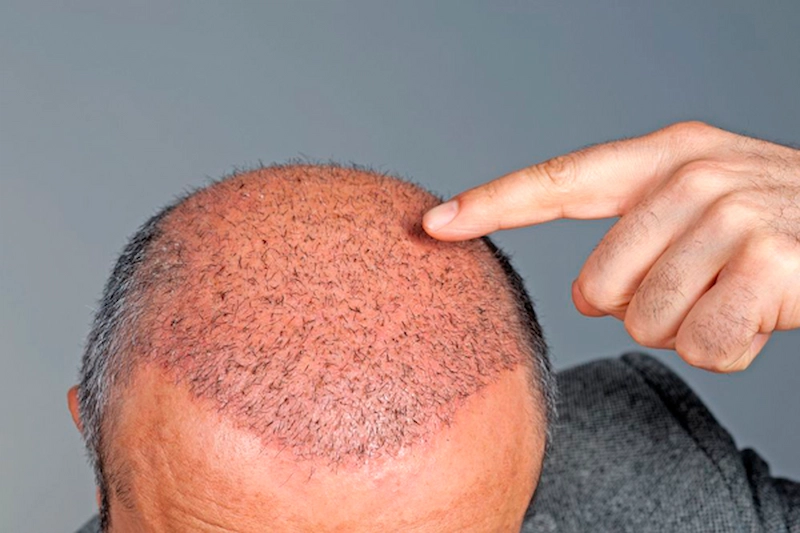
Proper post-hair transplant care helps determine when it is safe to get a haircut. Each patient heals differently, and factors such as procedure size, skin response, and aftercare influence recovery.
Patients should wait until the scalp has healed, there is no sensitivity, and grafts are secure before cutting hair. Dr. Antonio Aguilar notes that medical follow-up helps guide safe decisions based on actual healing progress.
This approach supports continuity of care and improves outcomes throughout the restoration journey.
Styling and Grooming After Recovery
Once the scalp has healed, patients can begin to style their hair more freely. Dyes and styling products can be introduced gradually once irritation has subsided, allowing a return to normal routines without affecting sensitive areas.
Heat styling tools should be used with care, as excessive heat may affect the treated area if introduced too early. Moderate use supports healthy growth and helps protect follicles as they continue to stabilize.
As grooming resumes, factors such as medical oversight, physician involvement, and follow-up care remain important. These elements influence both safety and long-term results, especially during recovery and ongoing maintenance.
If you want to understand how these factors apply to your case, scheduling a consultation can provide clarity. A medical evaluation allows a physician to review your condition, explain expected timelines, and guide decisions based on your specific hair restoration journey.