
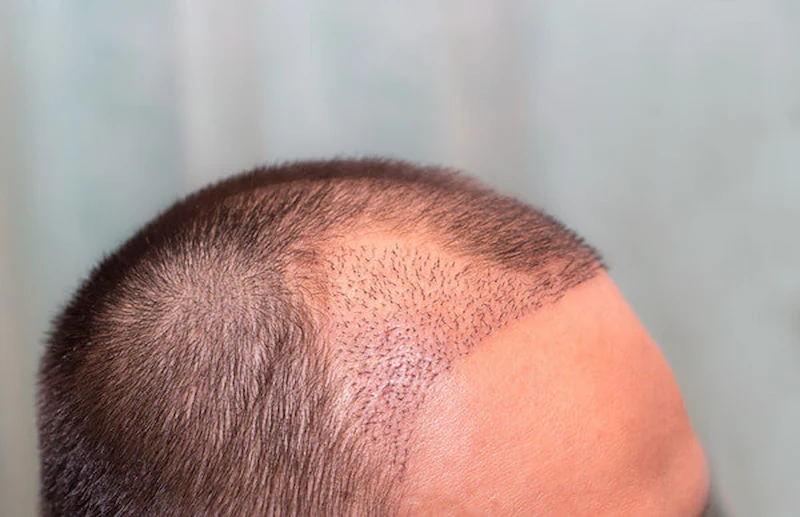
Although the appearance can seem worse than before the procedure, the transplanted hair follicles remain active beneath the skin. New strands typically start to grow around the third or fourth month as follicles return to the growth stage.
This stage reflects a normal part of the healing process and varies in intensity depending on scalp condition and adherence to aftercare instructions. Some hair transplant patients may notice uneven hair density or temporary shedding of existing hair, which can contribute to visible changes.
In clinical settings such as Hair Transplant Mexico in San Pedro, Monterrey, the process is explained as a predictable transition rather than a complication. This helps patients understand how recovery progresses toward full results over time.
Key Takeaways
- The ugly duckling phase of a hair transplant is a normal stage where transplanted strands shed before regrowth begins.
- This stage usually occurs within the first few weeks and may last several months as follicles remain in the resting phase.
- The second or third month is often the most noticeable, as shedding peaks and regrowth have not yet started.
- Variation in timing and appearance is common and depends on individual healing and aftercare.
- Most patients begin to see new growth after a few months, with full results often developing around 12 months.
What Is the Ugly Duckling Phase After Hair Transplant?
This stage describes a visible transition period after follicular grafting surgery. During this time, the recipient area sheds strands as part of the normal healing process. This does not indicate failure; it reflects how transplanted hair follicles adapt after being moved from the donor area.
Follicles follow a natural hair growth cycle that includes growth, rest, and shedding. After placement, many enter the resting phase before producing new strands. This explains why the treated area may look thinner before improvement begins.
Why Shedding Happens
Shedding occurs because transplanted hair follicles adjust to a new environment. During the post-operation period, follicles remain active under the skin while visible strands fall out. This reset supports future growth.
The healing process can also affect nearby existing hair, leading to temporary shedding. This response is common and resolves as the scalp recovers. Both transplanted and existing hair return to a normal cycle over time.
What Is Shock Loss After Hair Transplant
Shock loss is temporary shedding that affects transplanted hair and existing hair. It may occur in the recipient area or donor area due to surgical stress. Follicles enter the resting phase as part of this response.
This process does not damage the follicle itself, only the visible strand. The follicle remains capable of producing new growth. In most cases, regrowth begins within a few months.
Hair Transplant Recovery Duration
The hair transplant recovery phase follows a defined timeline, although individual variation is expected. In the first 7 to 10 days after the procedure, the donor and recipient areas form small hair transplant scabs as part of the healing process.
By the second to fourth week, most transplanted hair follicles enter the resting phase, which leads to visible shedding in the transplanted area. New growth usually begins between months 3 and 4, with progressive improvement toward full results around 12 months.
Follicular grafting transplant patients often notice uneven density in the treated area between weeks 2 and 8. Some sections may lose transplanted hair faster than others, creating a patchy or inconsistent appearance. At the same time, existing hair near the recipient area may temporarily thin due to shock loss.
These changes reflect how follicles move through the hair growth cycle rather than a problem with the procedure.
How Long Does the Ugly Duckling Stage Last?
The ugly duckling stage usually lasts about 4 to 8 weeks for most patients. Shedding often begins around weeks 2 to 4, with the most visible changes during this period as follicles remain in the resting phase. Early regrowth typically starts around months 3 to 4 as the hair growth cycle resumes.
Timing can vary based on healing response, scalp condition, and aftercare instructions. Some patients undergoing follicular grafting may see changes sooner, while others take longer. These differences are normal during the recovery process.
Worst Month After Hair Transplant
The second or third month is often the most noticeable period. Shedding peaks while regrowth has not yet started, making the treated area appear less dense.
This stage can raise concerns because visible results are not yet apparent. The appearance may seem worse before improvement begins. This pattern is temporary and part of the normal healing process.
Why Hair Looks Worse Before Better
Density may appear uneven because shedding occurs at different rates across the treated area. Some regions lose strands faster, creating temporary inconsistencies. Existing hair may also thin due to shock loss.
Patients often report a patchy appearance during this stage, which in some cases can relate to sensitivity patterns explained in hair transplant trypophobia. This uneven look improves as regrowth begins and stabilizes over time.
What Is Normal vs Not During Recovery
Most changes during the first months reflect the expected healing process. Gradual shedding, mild redness, and delayed regrowth are common. These signs follow the natural hair growth cycle after follicular transplantation.
Expected Shedding Patterns
Shedding typically occurs within the first month after the procedure. It may affect both transplanted hair follicles and nearby existing hair. The amount varies between individuals.
This pattern is considered normal and does not indicate a problem with the procedure. The follicles remain intact and capable of regrowth. New strands emerge after the resting stage ends.
When to Seek Medical Review
Some signs require medical evaluation:
- Persistent pain or swelling
- Signs of infection, including conditions such as folliculitis , after a hair transplant
- No regrowth after several months
These cases are uncommon but should be assessed to ensure proper healing.
Managing the Recovery Phase
Managing recovery involves following post-hair transplant care guidelines and protecting the treated area. Patients should avoid touching or stressing the scalp during the early healing phase.
Hair Care During Shedding
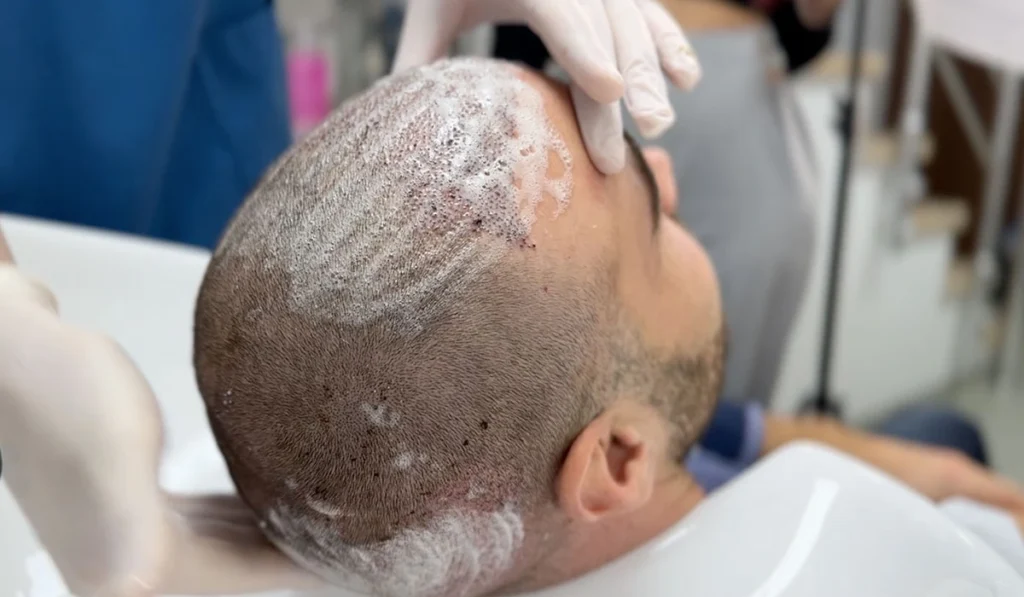
Gentle washing helps maintain scalp health without disrupting transplanted hair follicles. Physicians provide guidance on proper care during this stage.
Avoid harsh products during early recovery. The goal is to support the healing process and natural regrowth.
Medical Oversight and Safety
Follicular transplantation is considered a minimally invasive procedure, but it still requires medical oversight to ensure proper graft handling and recovery. Physician involvement supports both planning and follow-up during the healing process.
Role of the Treating Physician
The physician evaluates the donor and recipient areas before surgery. This determines graft availability and placement strategy. It also helps identify limitations based on hair characteristics.
Variability in Results
Results vary based on biology, scalp condition, and adherence to aftercare instructions. Some patients see faster improvement, while others require more time.
Outcomes are not guaranteed and develop gradually. Full results often appear around 12 months, depending on the healing process.
Hair Transplant Locations in Mexico
Hair Transplant Mexico is located in San Pedro, Monterrey, an affluent area in northern Mexico. Patients often compare locations based on medical oversight, physician involvement, follow-up care, and the treating doctor’s expertise. The physician’s experience and training play a key role in how grafts are handled, placed, and monitored during recovery.
These factors influence continuity of care and long-term outcomes. Clinics with strong physician involvement and consistent follow-up tend to provide more structured recovery support. Evaluating these differences helps patients make informed decisions when choosing where to undergo treatment.
What to Expect After the Ugly Duckling Phase
After this stage, transplanted hair follicles begin producing new strands. This marks the transition from the resting stage to the growth stage. Early regrowth may appear thin before thickening over time.
Regrowth Timeline
New strands usually begin to grow around the third or fourth month. Growth continues gradually, becoming thicker and more visible.
Some patients see earlier improvement, while others progress more slowly. This variation reflects differences in the hair growth cycle.
Variation in Final Results
Final outcomes depend on graft survival, biology, and scalp condition. Early growth may not reflect the final outcome.
Density continues to improve over time, becoming more consistent. Patients should expect gradual progress rather than immediate results.
If you are considering a procedure or have questions about your recovery, you can schedule a consultation with a qualified physician to review your case. A structured evaluation helps clarify expectations, timeline, and whether you are a suitable candidate.