
Candidacy depends on diagnosis, donor supply, age, future loss pattern, medical history, and realistic density goals. Results can last long term when transplanted follicles come from a stable donor zone, but surrounding native strands may continue to thin.
Hair Transplant Mexico is located in San Pedro, Monterrey, Mexico, an affluent area in northern Mexico, where Dr. Antonio Aguilar evaluates restoration candidates as a physician with training in FUE Micrografting and surgical restoration.
Key Takeaways
- Surgical restoration may improve a localized patch when the scalp is healthy, the cause is clear, and the donor area has enough stable follicles.
- Candidacy depends on diagnosis, donor supply, future thinning risk, medical history, and realistic density goals.
- FUE, FUT, and DHI use different methods to move or place hair grafts, but no technique guarantees a specific result.
- Cost depends mainly on patch size, number of grafts, procedure type, clinic structure, and location.
- Medical oversight, informed consent, and structured follow-up matter when comparing treatment options in Mexico, the United States, Turkey, or other destinations.
Can Surgery Fix a Bald Spot?
A procedure can improve a defined patch when the tissue can support new growth. The goal is better coverage and hair density, not recreating a full head of hair in every case. Results depend on diagnosis, donor supply, graft survival, and whether the person may continue to lose hair over time.
What Causes Localized Loss?
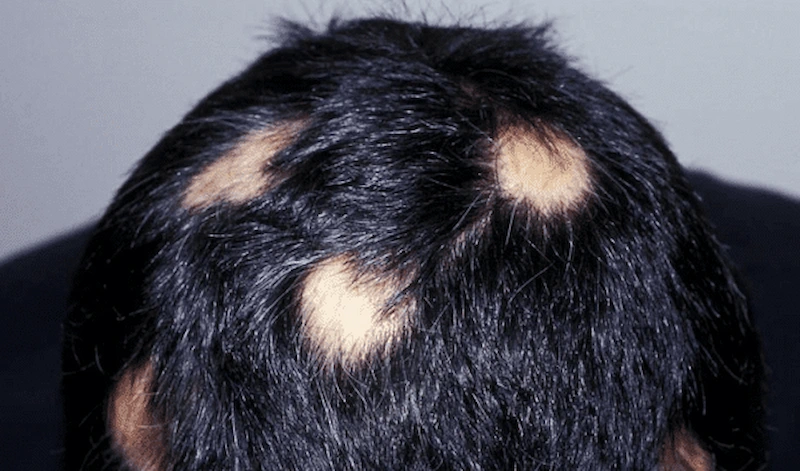
A patch can come from androgenetic alopecia, scarring, injury, inflammation, or medical conditions. Male pattern hair loss often affects the temples, crown, and frontal zone in a predictable pattern. Conditions such as alopecia areata or active scarring alopecia need medical evaluation before surgery because restoration may not be the right first step, and hair transplant alternatives may need to be considered.
Scarring and Medical Causes
Scars from burns, trauma, or past surgery may accept grafts if the tissue has enough blood supply. Some scars have lower graft survival, so the physician may recommend a conservative plan. If the cause is unclear, diagnosis should come before hair restoration surgery.
Who Is a Good Candidate?
A good candidate has stable hair loss, a healthy scalp, sufficient donor hair reserves, and clear expectations. The physician reviews the scalp, strand caliber, miniaturization, density, and medical history before recommending hair transplant surgery, since some patients may not be good candidates for a hair transplant. This review helps estimate how many grafts the area can safely receive.
Donor Supply
The donor area usually comes from the back and sides of the scalp. These regions often provide stronger follicular units for redistribution. If the donor site is weak or thinning, surgery may need a smaller plan or may not be suitable.
Realistic Expectations
A transplant can improve coverage, but it cannot create unlimited density. Some patients need staged treatment or a second hair transplant because donor supply is finite. A natural result depends on planning, placement, healing, and graft survival.
How the Procedure Works
Modern restoration moves grafts from the donor area to the recipient zone. Follicular Unit Extraction (FUE) removes individual units, while Follicular Unit Transplantation (FUT) removes a strip and separates it into grafts. Direct Hair Implant (DHI) uses implantation tools such as pens to place prepared grafts, but no method guarantees a specific outcome.
Graft Planning
Graft planning controls density, direction, spacing, and donor preservation. The frontal zone needs soft placement, while the crown needs careful angle and whorl planning. Poor planning can use too many grafts in one zone and reduce future options.
Hair Transplant for Bald Patches
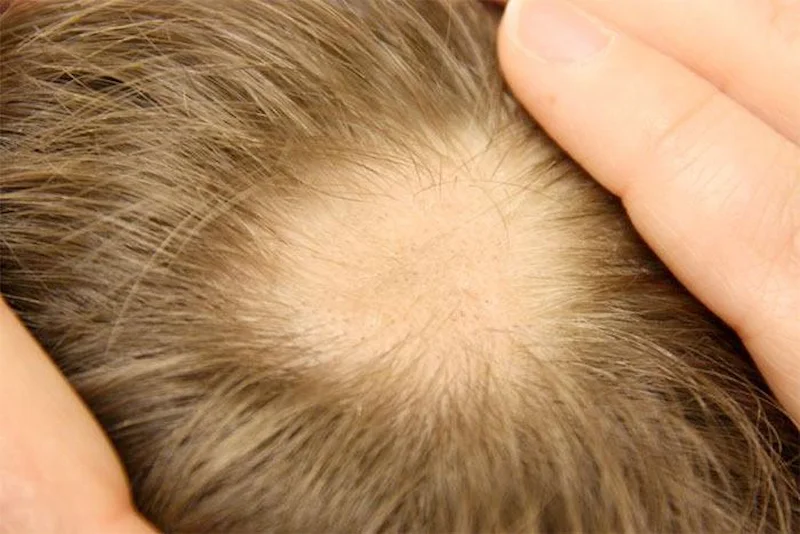
Treatment starts with confirming the cause of the patch. The physician checks whether it comes from stable pattern loss, scarring, trauma, or a condition such as alopecia areata.
If the area is suitable, grafts are taken from the donor zone and placed into the patch at the correct angle, spacing, and density. This helps the new growth blend with nearby strands.
The procedure can treat the frontal zone, crown, beard, mustache, eyebrows, or scars when the tissue can support transplanted follicles. Scar and crown patches often need more careful planning because graft survival and density can vary.
Back-of-Head Patches
A hair transplant bald spot on the back of the head is a concern that warrants careful review, as the back of the scalp is often the donor area. If this zone is also thinning, it may signal poor donor stability. In that case, surgery may be limited or inappropriate.
Cost of Treating a Bald Spot
The cost of a hair transplant for a bald spot depends on the size of the patch, the number of grafts, the type of procedure, the clinic’s structure, and location.
At Hair Transplant Mexico, a single-area FUE procedure, such as crown or hairline restoration, ranges from $4,500 to $8,000, while a full FUE procedure ranges from $6,000 to $10,000.
Patients often compare Mexico, Turkey, and the United States because medical oversight, regulatory standards, physician involvement, and follow-up systems can vary. Cost should be reviewed together with safety, continuity of care, and long-term planning.
Before and After Results
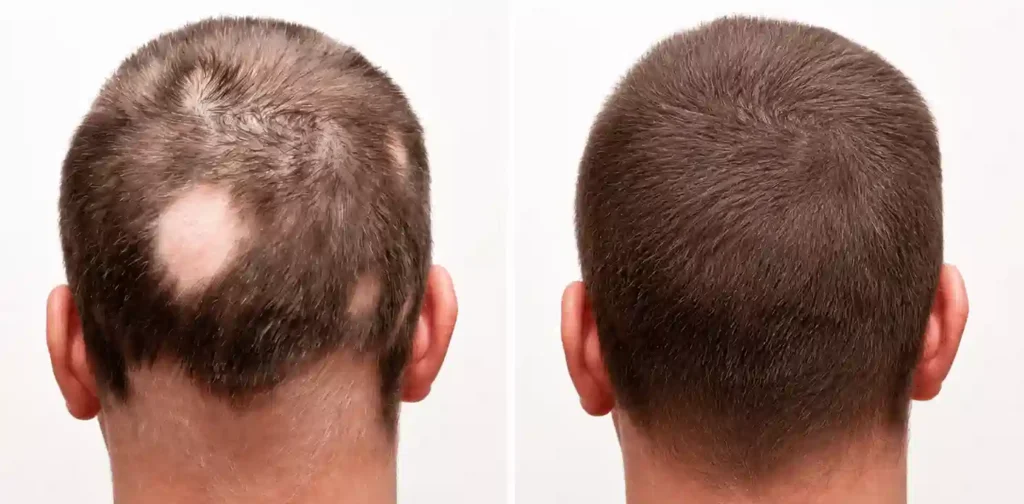
Before-and-after results for a treated bald spot should be judged over months, not days. Early shedding can happen after graft placement and does not always mean the grafts have failed. New growth usually starts gradually, while final density depends on graft survival, strand caliber, recipient area size, and donor supply.
Medical Oversight and Safety
Medical oversight means a qualified physician evaluates the diagnosis, donor supply, surgical plan, use of anesthesia, and recovery needs. This helps reduce avoidable risks such as poor graft placement, overharvesting, infection, visible scarring, or weak growth.
Patients should understand who performs each step, what side effects can occur, and how follow-up is handled after treatment. Informed consent should cover donor limits, future thinning, expected healing, and when to contact the clinic.
Treatment Options in Mexico
Patients researching hair transplant in Mexico often compare medical oversight, travel, cost, and follow-up. Monterrey is often the best option for patients seeking robust private medical infrastructure, safer logistics, and easier recovery planning.
Cancun may fit travel convenience, and Tijuana may fit U.S. proximity. Still, hair transplant Monterrey is often more practical when continuity of care and physician involvement matter most.
Questions to Ask Your Doctor
Ask who performs the procedure, how many grafts may be needed, and what result is realistic for your case. Ask how the clinic protects the donor area and handles follow-up after you return home. The answers should be specific to your diagnosis, scalp condition, and future risk of hair loss.
A focused evaluation can help determine whether surgery is appropriate for your case, how many grafts may be needed, and what result is realistic.
Schedule a free consultation with Hair Transplant Mexico to review your options with a medical team and understand the next step for your scalp, donor area, and long-term goals.