
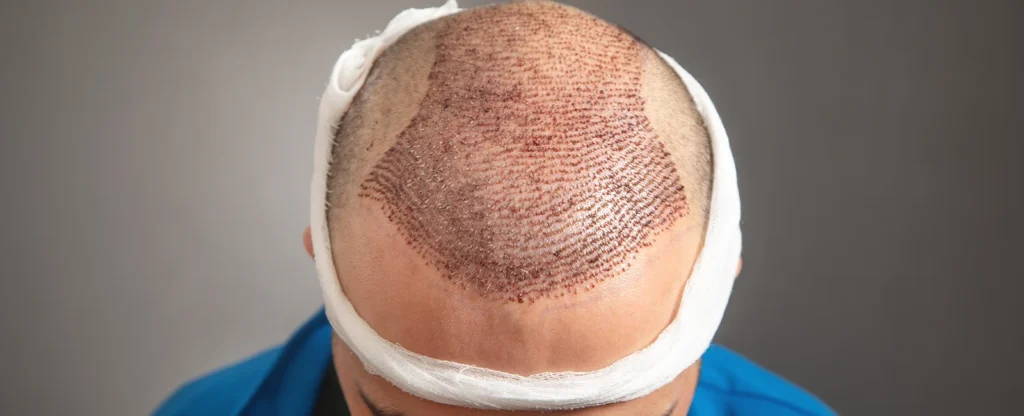
Hair Transplant Mexico evaluates repeat procedures by reviewing timing, donor hair, scalp healing, and the patient’s current pattern of loss.
Key Takeaways
- A repeat procedure may help improve density, cover new thinning, refine the hairline, or treat the crown after the first result has matured.
- Most patients should wait 12 to 18 months before considering another procedure because healing, growth, and loss of stability need time to become clear.
- Donor supply is the main limit for repeat surgery, so a physician must review graft availability, prior survival, scalp health, and long-term planning.
- An additional procedure should not compromise the first result when graft placement, recipient area design, and extraction are carefully planned.
- Patients comparing Mexico, Turkey, the United States, or other locations should evaluate physician involvement, medical oversight, follow-up, and continuity of care.
Is It Worth Getting Another Procedure?
A second procedure may be worth considering when there is a clear reason. This may include low density after full healing, continued thinning around the first surgery, crown coverage, or careful refinement of the hairline. The decision should come from a medical evaluation, not an early concern during the growth phase.
The key question is whether the benefit justifies using more donor supply. If the donor area is strong and the first result has matured, another session may improve coverage or balance. If supply is limited, loss is still progressing, or expectations are unrealistic, a patient may not be a good candidate for a hair restoration surgery, and another procedure may create more risk than benefit.
How Candidacy Is Evaluated
Candidacy depends on donor density, shaft caliber, scalp health, previous graft survival, and visible signs of overharvesting. A physician may also review scalp laxity, especially in patients with prior strip surgery. Dr. Antonio Aguilar, a specialist in FUE (Follicular Unit Extraction), evaluates these factors to decide whether another hair restoration surgery is reasonable.

Donor Area Quality
The donor area must have enough usable follicles for another session. FUE removes each hair follicle individually from the donor zone, usually from the back or sides of the scalp. If supply is limited, another procedure may reduce future options.
Donor Area Quality Checklist
A physician should review several donor factors before planning another session:
- Donor density
- Shaft caliber
- Prior extraction pattern
- Visible signs of overharvesting
- Scalp healing after the first procedure
- Remaining graft supply for long-term planning
These details help show whether more grafts can be used safely. They also help prevent an overly aggressive plan that may weaken the donor area.
Loss Stability
Stable loss makes planning more predictable. If thinning continues quickly, the new design may look incomplete later. Medical treatment may help preserve native strands in selected patients, but it does not replace hair transplant surgery when an area has already lost significant density.
How Soon Can You Get Another Procedure?
Six months is usually too early to judge the final result. New growth may still be developing, and density may continue to change. Most patients need closer to 12 months, or longer, before a physician can assess healing, donor quality, and next-step planning.
Can Another Procedure Damage the First One?
A second procedure should not damage the first when placement is planned carefully. Risk can increase if grafts sit too close together, the donor area is overused, or the recipient area is poorly mapped. A careful plan protects prior grafts and reduces the risk of overharvesting.
When Another Procedure May Not Be Safe
Another procedure may not be safe when the donor supply is limited, the first surgery has not fully matured, or loss is still progressing quickly. It may also be risky when prior graft survival was poor, the donor area looks thin, or the patient expects density that the scalp cannot support. In these cases, a physician may recommend waiting, medical treatment, or no further surgery.
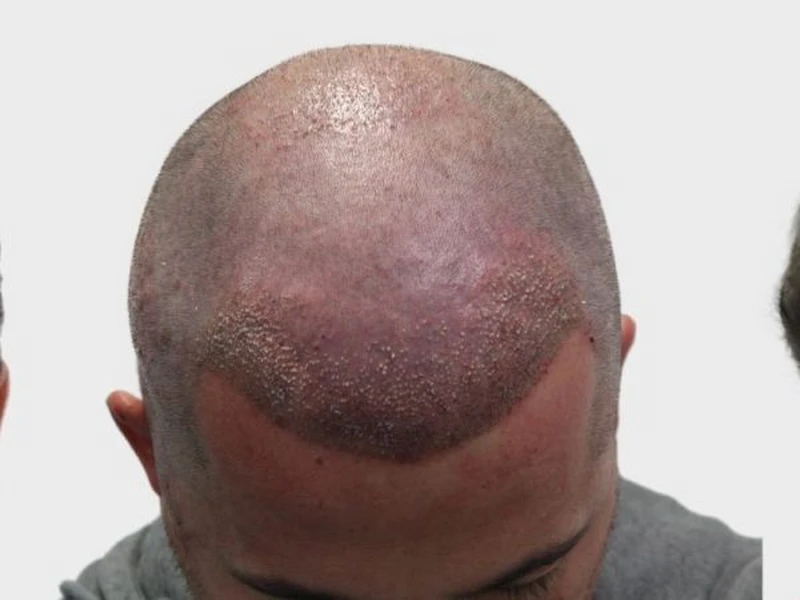
The goal is not only to add more grafts. The goal is to protect the donor area, preserve the first result, and avoid a plan that creates more risk than benefit.
Results and Recovery Expectations
Second hair transplant results can vary. Donor supply, technique, scalp health, graft care, and aftercare all play a role. A published or clinic-reported success rate does not predict your own result. Before-and-after photos can show density and coverage, but they do not replace a medical exam.
Healing often includes redness, shedding, slow early growth, and later thickening. Two hair transplants can blend well once the initial results are stable. The second plan must respect donor limits. Final density takes time, so it should not be judged too early.
Second Procedure in Mexico
Patients often compare countries because cost, rules, doctor involvement, and follow-up can differ. Patients should ask who designs the plan, who performs the main steps, how follow-up works, and how risks are explained.
Location Considerations
Monterrey is often the strongest option for patients seeking a medically focused setting in northern Mexico. It offers a major city environment, private medical services, and easier follow-up planning, especially in San Pedro. Cancun may require more care with sun, swimming, and vacation plans during recovery. Tijuana may be practical for some U.S. patients, but follow-up should be clear before travel.
Cost and Safety Factors
Cost depends on graft count, technique, planning time, travel, and follow-up. At Hair Transplant Mexico, a single-area FUE procedure for the crown or hairline may range from $4,500 to $8,000.
A full FUE procedure may range from $6,000 to $10,000, depending on the case and treatment plan. FUE and DHI are common methods in modern restoration, and no method can guarantee a specific result.
Questions to Ask Your Physician
Before planning another procedure, ask:
- Has the first result fully matured?
- How many grafts remain?
- Is the donor supply sufficient?
- Who performs each step of the procedure?
- How does follow-up work after travel?
- What result is realistic for my case?
These answers help show whether another procedure fits your medical and long-term goals.
To review your case with a physician, schedule a free consultation.