Results do not appear immediately because the transplanted hair usually sheds before new growth begins. Most patients see visible improvement between 6 and 12 months, while final density and texture may continue to mature over 12 to 18 months.
Hair Transplant Mexico is located in San Pedro, Monterrey, Mexico, an affluent area in northern Mexico, and uses a medical evaluation to determine whether the graft count can meet the patient’s goals.
Key Takeaways
- A 3000-graft hair transplant can restore about 6,000 to 9,000 individual hairs, but coverage depends on donor supply, hair type, scalp area, and density goals.
- This amount often helps patients with moderate to advanced hair loss, including thinning in the front, crown, or midscalp.
- Results develop gradually because implanted strands often shed before new growth begins, with visible improvement usually appearing between 6 and 12 months.
- Cost varies by technique, case complexity, physician involvement, location, and follow-up needs.
- Medical evaluation matters because the safest plan must balance current coverage, donor-area preservation, and potential future loss.
3000 Grafts Hair Transplant Coverage
A plan using 3,000 grafts can treat different areas depending on the patient’s pattern of loss. Some patients need focused density in one zone, while others need broader work across the front and midscalp. The same number of follicular units can look different from one person to another.
Frontal Hairline
The frontal outline often needs careful design because it frames the face. A physician must place each unit at the right angle, direction, and spacing. A lower or sharper design usually requires more density than a conservative mature outline.
Crown
The crown can require many units because the natural swirl spreads in several directions. This amount may improve coverage, but achieving full density can be harder in a wide bald spot. Patients with extensive hair loss may require staged treatment or a higher number of grafts.
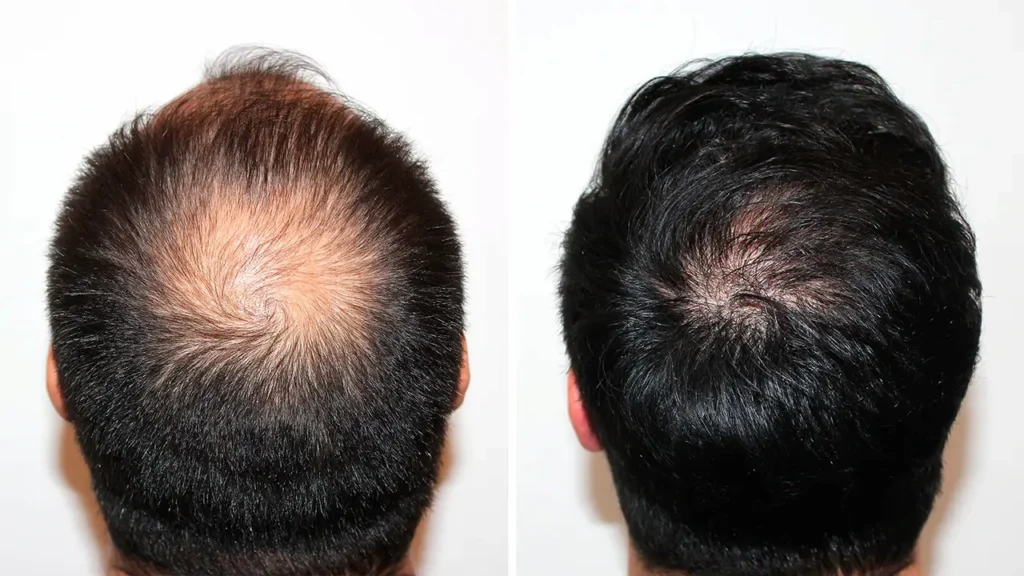
Midscalp
The midscalp connects the frontal area and crown. When thinning affects this zone, the surgeon may distribute units to create balanced coverage. This approach can enhance visual fullness without crowding everything into one area.
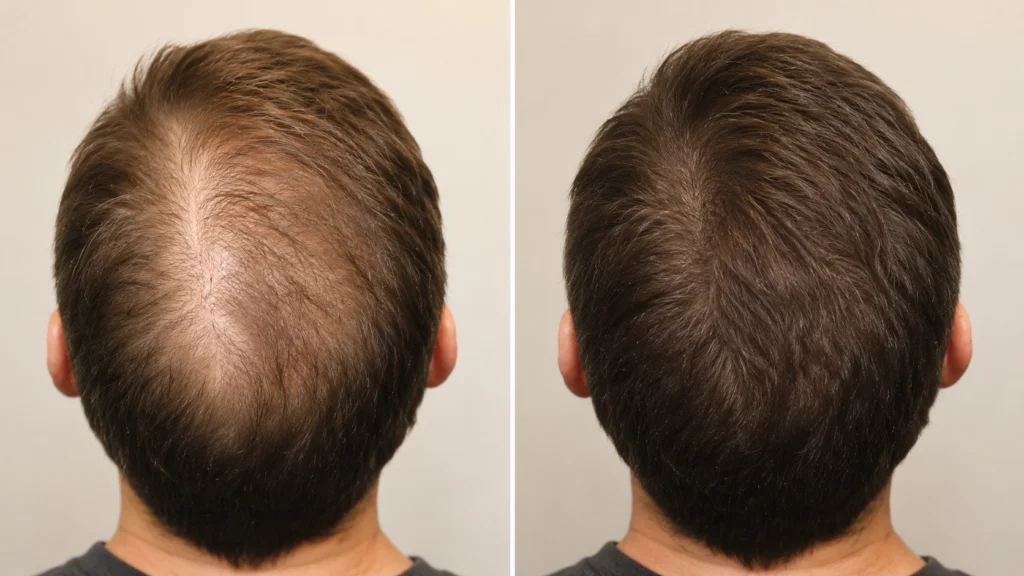
Is This Amount a Lot?
It is usually a moderate-to-large session, but that does not mean the patient has unlimited coverage. The final result depends on the grafts required for each zone and the strength of the donor area.
Grafts vs Hairs
A graft is not the same as one strand. One unit usually contains one to four hairs because each follicular unit grows in a small natural group. This means the final visible count can be higher than the number of units moved.
Norwood Stage
The Norwood scale helps classify male pattern loss. A person with early recession may need fewer units than someone with crown and midscalp thinning. A 1000 graft case may suit a small repair, while a 2000 graft case may address a larger frontal area.
Donor Supply
The donor area limits how much tissue a surgeon can safely move. Strong density in this zone gives the physician more options for current and future planning. Weak supply may require a conservative design to avoid overharvesting.
Before and After Expectations
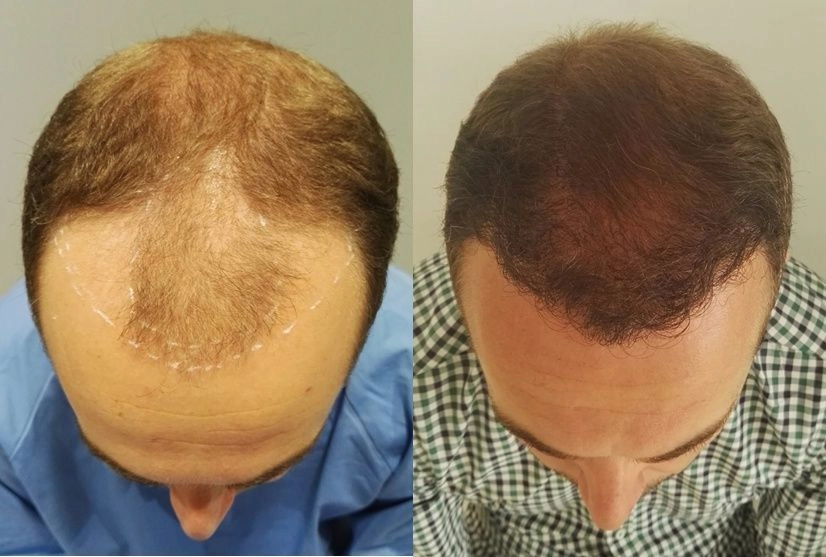
A 3000-graft hair transplant before-and-after comparison should focus on gradual change rather than instant coverage. The implanted units need time to heal, shed, and grow again. Most patients judge visible improvement several months post-procedure, not during the first few weeks.
What Results Can Look Like
The result can look dense in a small area or more moderate across a larger space. Strand caliber, curl, color contrast, and scalp tone all affect coverage.
Early Healing
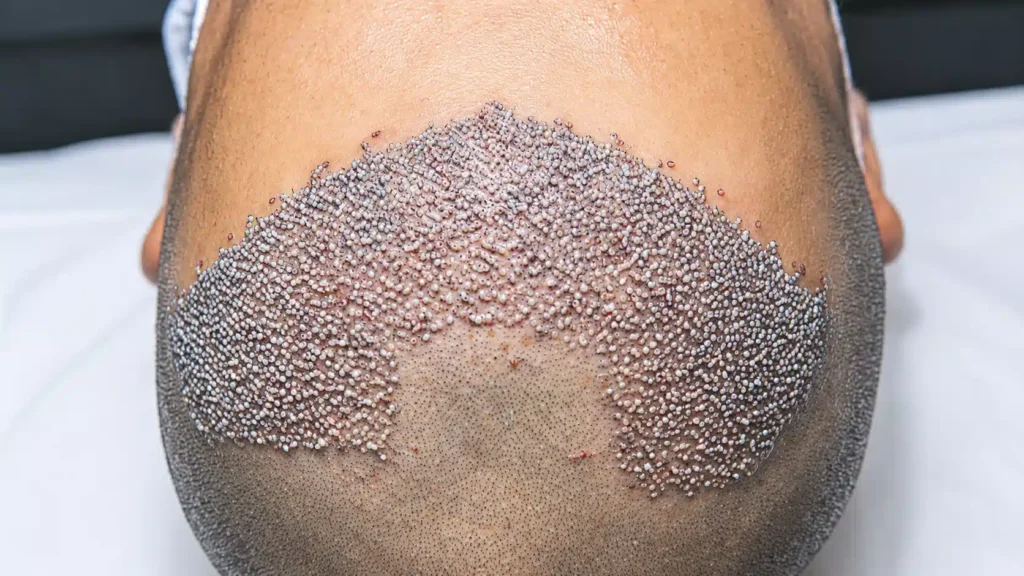
The scalp can show redness, small scabs, and mild swelling during early healing. The post-procedure phase requires gentle washing, limited friction, and careful follow-up. The patient should follow the clinic’s aftercare plan to protect the transplanted hair.
Final Growth Timeline
Many patients shed implanted strands within the first weeks, which can be part of the normal cycle. New growth often starts slowly after the early resting phase. The final appearance can continue to mature over 9 to 12 months, and some patients may need longer.
Planning and Candidate Review
Planning a hair transplant with 3000 grafts starts with a medical evaluation. The physician reviews loss pattern, donor supply, scalp health, medication history, and goals. This step helps decide whether the proposed number can meet the patient’s needs.
Candidacy Review
Not every patient qualifies for the same plan. A good candidate usually has enough donor supply, stable expectations, and a pattern that surgery can improve. Patients with active shedding, scalp disease, or unclear diagnosis may need treatment before surgery.
Some patients may also ask whether a no-shave hair transplant is possible, but candidacy depends on the treated area, density goals, and extraction plan.
Doctor-Led Planning
Doctor-led planning matters because this is a medical procedure. The physician must decide where to place density, how much donor tissue to preserve, and how to reduce surgical risk. Dr. Antonio Aguilar evaluates these clinical factors before creating a treatment plan.
Personalized Treatment Plan
A personalized plan should explain the recipient areas, expected coverage, estimated hair density, and recovery steps. It should also clarify what a single session can and cannot achieve. Informed consent depends on clear communication before the procedure.
How the Procedure Works
A hair transplant procedure moves resistant follicles from a donor area to thinning or bald areas. Modern hair restoration often uses FUE (Follicular Unit Extraction) or DHI (Direct Hair Implantation)-style implantation methods, depending on the patient and clinic protocols. No method guarantees a result, so planning and execution both matter.
FUE Extraction
FUE removes individual follicular units from the donor area with small punch tools. The surgeon or trained medical team extracts units one by one until the planned number is reached. The number of grafts extracted should match the plan, donor safety, and long-term needs.
Placement
Placement affects how natural the result may look. The team must account for angle, direction, spacing, and the existing growth pattern. In DHI-style placement, implantation pens may help place units into the scalp, but outcomes still depend on planning, handling, and medical judgment.
Patients comparing tools and methods can also review the latest hair transplant technology to better understand how modern devices support extraction, placement, and surgical planning.
Tissue Handling
Handling affects survival because hair follicles are living tissue. The team must keep extracted units protected while the recipient sites are prepared. Careful handling supports the best possible survival rate within the limits of each case.
How long do 3,000 hair grafts take?
A session of this size can take several hours, often most of the day. The exact time depends on technique, tissue quality, staffing, breaks, and placement complexity.
Procedure Length
A 3,000-unit session often takes 6 to 8 hours, but timing can change by case. Extraction may take several hours, followed by the creation and implantation at the recipient site. Breaks, graft sorting, bleeding control, and the size of the treated area can extend the total time.
Larger or more complex cases require a slower pace because the team must keep the follicles hydrated, organized, and protected before placement.
Breaks and Monitoring
Breaks help the patient remain comfortable during a long session. The medical team can also check bleeding, swelling, hydration, and tissue handling during treatment. Monitoring supports safety and consistency from start to finish.
3000 Grafts Hair Transplant Cost in Mexico
The cost of a 3000-graft hair transplant in Mexico depends on the treated area, technique, donor supply, and case complexity. At Hair Transplant Mexico, a single-area FUE procedure, such as the crown or hairline, ranges from $4,500 to $8,000. A full FUE procedure ranges from $6,000 to $10,000 when the plan requires broader coverage across multiple areas.
For someone researching 3,000 units, the price often depends on whether the work focuses on a single zone or requires wider distribution. A crown-only or hairline-focused case may fall within the single-area range. A plan that includes the front, midscalp, and crown may fit closer to the full FUE range.
Technique Used
Cost can change based on the method used. FUE, DHI, or other implantation approaches may require different tools, time, and staff support. Patients should ask what the quote includes rather than comparing prices alone.
Case Complexity
A simple frontal case may require less planning than combined work on the front, middle, and crown of the scalp. Scar tissue, low donor density, and previous surgery can also increase complexity. The final graft count should reflect the patient’s anatomy and goals, not a fixed package.
Doctor Involvement
Hair Transplant Mexico is doctor-led, so a physician guides the evaluation, treatment plan, surgical decisions, and follow-up. Patients should still ask who designs the frontal outline, extracts units, creates recipient sites, and supervises aftercare.
Travel and Follow-Up
Hair Transplant Mexico coordinates hotel and transportation services in advance. Dr. Antonio Aguilar provides a hotel stay and a private driver, with transportation arranged between the hotel, the clinic, and the airport. Structured follow-up helps patients understand the healing, shedding, and growth processes, as well as when to contact the medical team.
Comparing Larger Sessions
More units can increase coverage, but more is not always better. A higher number can stress the donor area if the patient does not have enough safe supply. The best plan balances current coverage with future loss risk.
4000 Hair Grafts
A 4000-hair-graft before-and-after case may show broader coverage than a smaller session. The difference depends on where the surgeon places the added units. A larger session may help if the patient has strong donor density and multiple thinning zones.
5000 Hair Grafts
A 5000-graft hair transplant may suit some patients with more advanced hair loss. It usually requires strong donor supply, careful extraction spacing, and a long-term plan. Some patients may need staged sessions rather than a single large procedure.
Donor Area Requirements
The donor area must support the planned extraction without visible thinning. Overharvesting can create patchy density or limit future options. A cautious plan may protect both the current result and future surgical choices.
Recovery and Medical Limits
Recovery after a 3,000-unit session depends on the treated area, donor supply, and scalp healing. This amount can improve coverage, but it does not create the same density in every patient. Surgery can move resistant follicles, but it does not stop untreated genetic thinning.
First Week
The first week focuses on protecting the newly placed units and the donor area. Patients usually avoid rubbing, heavy sweating, direct sun, and pressure on the treated zones. Mild redness, swelling, and scabbing can occur during early healing.
Density Expectations
A 3,000-unit plan may create strong density in one area or lighter coverage across several zones. Fine strands, a wide crown, or advanced thinning can make the result look less dense. A physician should explain whether this number is enough for the patient’s goals before surgery.
Variable Results
Results vary because each patient has different healing, strand caliber, donor strength, and ongoing loss. Some patients may need medical therapy, a second session, or a higher number in the future. Clear expectations help patients understand what this session can and cannot achieve.
A 3,000-unit plan should start with a medical evaluation, not a fixed assumption. A physician can assess donor supply, thinning pattern, scalp health, and realistic coverage before recommending a treatment plan. Schedule a free consultation to learn whether this graft count fits your goals.