
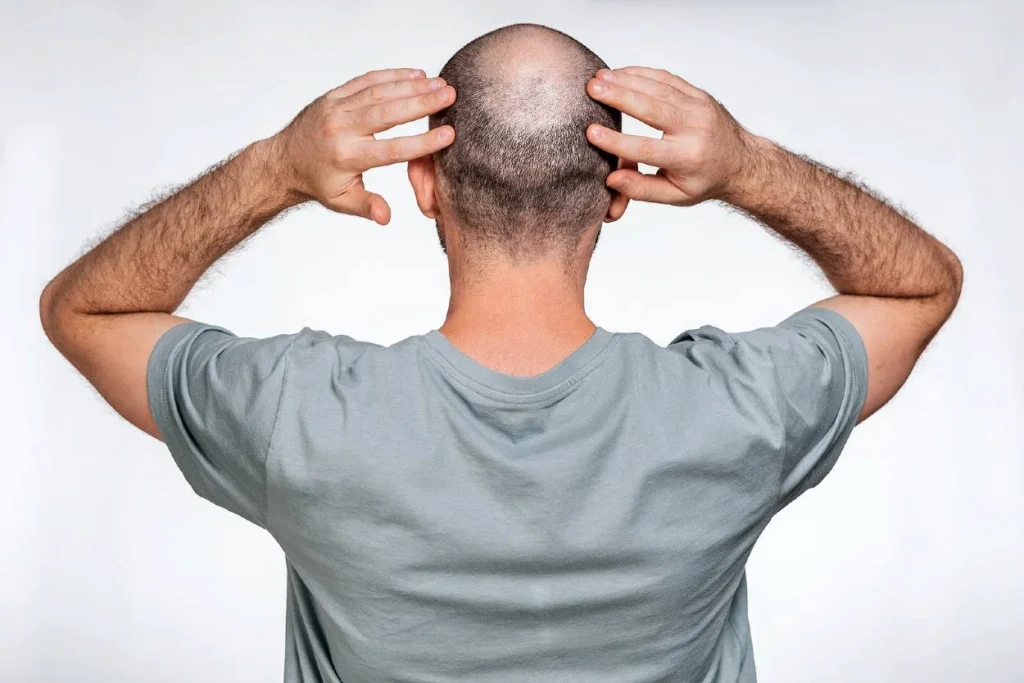
For patients researching hair transplant options in Mexico, Hair Transplant Mexico is located in San Pedro, Monterrey, an affluent area in northern Mexico, where evaluation, follow-up, and physician involvement should be reviewed before treatment.
Key Takeaways
- The donor area is usually the back and sides of the scalp, where follicles tend to resist DHT-related thinning.
- Healing often improves within 1 to 2 weeks, but redness, itching, numbness, or sensitivity may last longer.
- Graft supply is limited, so graft count, spacing, density, and future loss must be planned before surgery.
- Follicular Unit Extraction (FUE) usually leaves small dot scars, while Follicular Unit Transplantation (FUT) can leave a linear scar; both require medical evaluation.
- Patients researching hair transplant options in Mexico should compare physician involvement, follow-up, safety standards, and realistic recovery expectations.
What Is the Donor Site for a Hair Transplant?
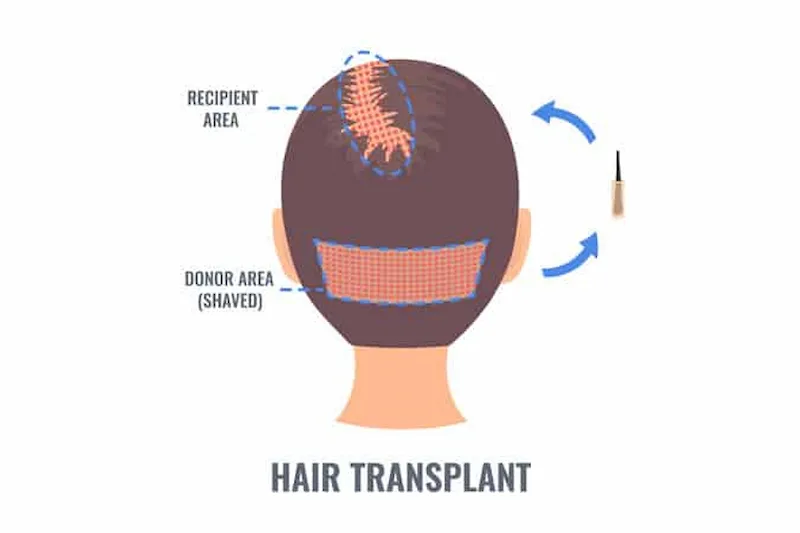
The donor site for a hair transplant is the area from which a doctor removes follicles. These are then placed in the recipient area, where more coverage is needed. In most people, this source zone is on the back and sides of the scalp. These follicles often keep their growth traits after placement, which can support long-term hair growth.
Why Graft Supply Is Limited
Graft supply is limited because the scalp has a finite number of follicles that can be safely removed. Once grafts are taken from the extraction zone, those same follicles do not grow back in that exact spot.
Doctors must also leave enough surrounding hair density, so the area does not look thin or patchy after surgery. Some patients have several thousand usable hair grafts, while others have fewer due to low density, fine strands, or advanced hair loss.
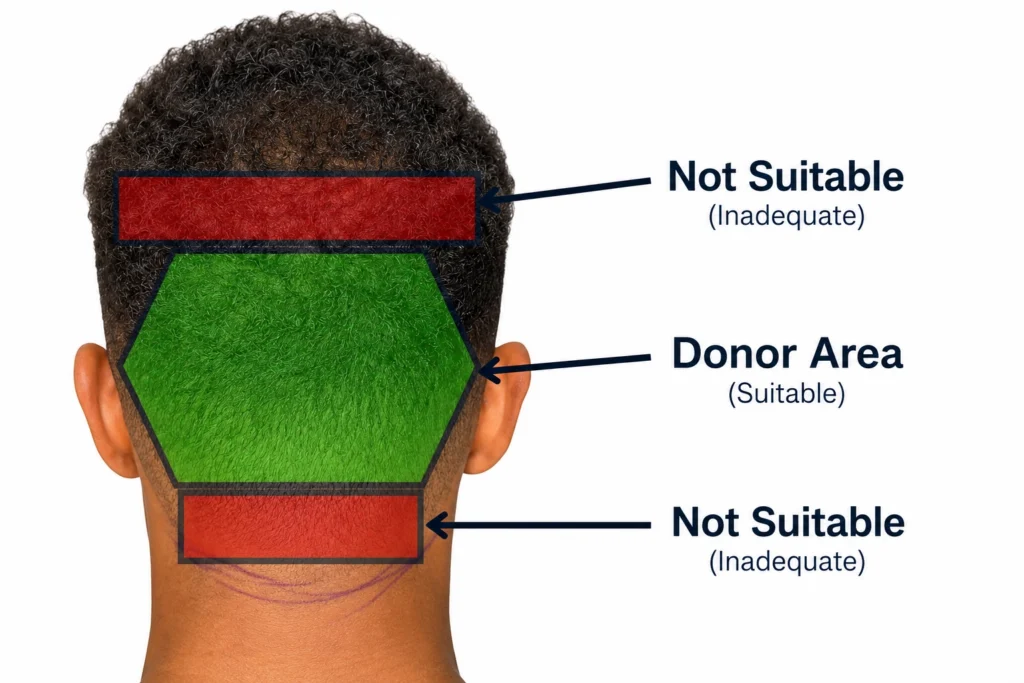
What Makes a Good Source Area?
A strong source zone has steady growth, healthy skin, sufficient density, and sufficient thickness to conceal small removal points. A weaker zone may have low density, fine strands, spread-out thinning, swelling, or poor scalp health. This can limit the number of grafts that can be safely removed from the donor area. It can also affect how full the area looks after surgery.
How Doctors Evaluate Graft Supply
A medical exam helps decide if a patient is a good candidate for hair restoration surgery. The doctor checks density, strand thickness, scalp health, medical history, and loss pattern. Dr. Antonio Aguilar, a physician focused on FUE Hair Transplant and Hair Restoration, evaluates graft supply, healing risk, and long-term planning needs. This helps set safe and realistic goals.
Patient Factors That Change Planning
Planning changes based on age, hairstyle, future risk of thinning, and coverage goals. Younger patients with active loss may need a more careful plan. Future thinning can increase the need for grafts later. Patients who wear very short styles should also ask about scar visibility before surgery.
How FUE Uses the Source Area
FUE is a hair transplant technique that removes single follicular units with small round punches. This method is minimally invasive when compared with strip removal. In FUE, each graft is lifted, prepared, and placed where more coverage is needed. The goal is to move follicles while keeping the extraction zone even.
FUE vs FUT Extraction Differences
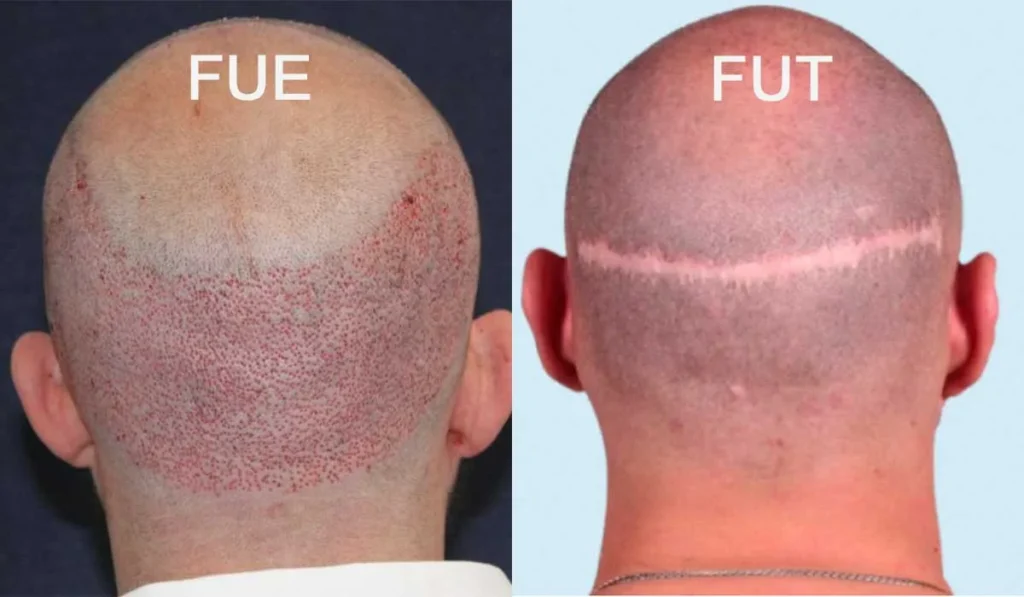
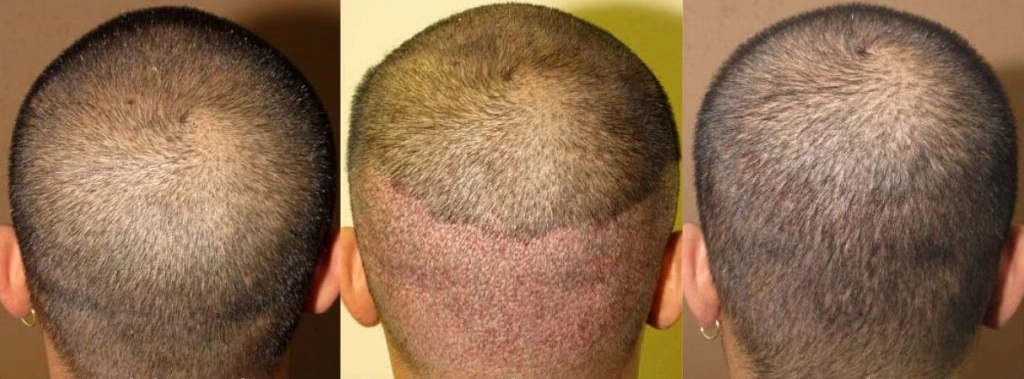
FUE removes single follicular units from the scalp with small, round punches. This method does not remove a strip of skin. It usually leaves small dot-like scars that may be hard to see when grafts are well spaced. FUE may suit patients who prefer shorter hairstyles, but scar visibility still depends on healing and extraction pattern.
FUT removes a thin strip of scalp from the source area. The strip is then divided into individual follicular units for placement in the recipient area. FUT can leave a linear scar where the strip was closed. The right method depends on graft needs, scalp laxity, hairstyle, scar risk, and future loss planning.
Healing and Recovery
Recovery often starts with redness, scabs, mild soreness, tightness, and short-term sensitivity. A mild burning feeling can also occur because the skin has many small healing points.
Patients should also ask when they can resume exercise, sweating, and sex after a procedure, since early activity can affect comfort and healing. Healing also matters for long-term planning, since the graft supply must be protected in case future hair loss creates new coverage needs.
Recovery Timeline
- Days 1 to 3: Mild swelling, tightness, and soreness may appear.
- Days 4 to 7: Scabs may feel more noticeable as the skin repairs.
- Days 7 to 14: Most scabs start to clear when washing instructions are followed.
- After 1 Month: The area often appears calmer, though mild redness or numbness may persist. Patients can also review what may happen 2 months after a procedure as the scalp continues to settle.
Can the Treated Area Touch a Pillow?
The treated area may touch a pillow, but pressure and rubbing should be limited early on. Many surgeons advise avoiding firm friction for about the first 7 to 10 nights. The exact timing depends on the hair transplant procedure, graft count, and healing response.
A soft pillowcase, head elevation, and careful sleep position can reduce irritation, along with clear post-procedure care instructions.
Hair Transplant Donor Area Regrowth
Regrowth is often misunderstood. Nearby strands can continue growing, but removed follicles do not return to their original spot. The transplanted hair may grow in the new area after the normal growth cycle resumes. The remaining strands can help cover the removal pattern.
Scars and Risks
Every hair restoration surgery creates some tissue change. FUE dot scars may be hard to see when grafts are spaced well. They can become more visible if too many grafts are taken too close to one another. Overharvesting can leave the source area thin, patchy, or uneven, and in severe cases, it may not fully return to its former density.
Folliculitis and Poor Healing
Folliculitis can look like small bumps or pimples in the treated area. It may occur when follicles or the surrounding skin become irritated during the healing process. Bumps that are painful, spreading, filled with pus, or slow to improve should be checked by a doctor. Early review can help reduce the risk of poor healing.
Planning Treatment in Mexico
Patients often compare Mexico, Turkey, and the United States when researching costs, access, safety, and follow-up. Mexico can be a strong fit for patients who want medical oversight, accessible travel, and more balanced costs than many U.S. options.
Patients should still compare clinic structure, doctor involvement, safety standards, and follow-up. The best choice depends on the provider and care plan, not the country alone.
Medical Oversight and Safety
Medical oversight matters because graft supply is limited and results can vary. DHI and FUE are established methods in modern hair restoration. Implantation pens can help place grafts with controlled handling when used correctly.
A treatment plan should explain graft numbers, expected density, risks, recovery, alternative options, and potential complications before the patient provides informed consent. To review your case with a physician, schedule a free consultation.