
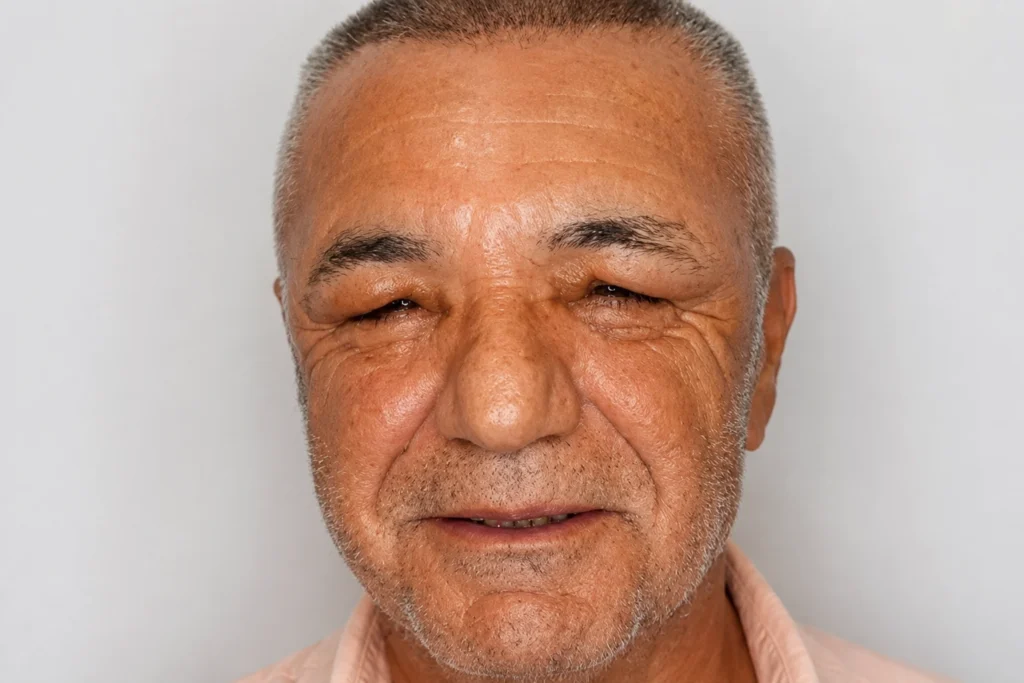
Puffiness may move from the scalp to the forehead, eyelids, or face because gravity draws fluid downward. Worsening pain, fever, redness, discharge, breathing problems, or symptoms that do not improve require medical review.
Individuals can support recovery by keeping the head elevated, following medication instructions, using cold compresses only where permitted, and avoiding pressure on new grafts. The degree of edema varies based on graft count, treatment area, anesthetic fluid, medical history, and individual healing.
Hair Transplant Mexico, located in San Pedro Garza García, Monterrey, provides procedure-specific follow-up based on each patient’s treatment plan.
Key Takeaways
- Hair transplant swelling usually starts within one to two days, peaks around days three or four, and improves within about one week.
- Puffiness may move from the scalp to the forehead, eyelids, or face because gravity draws fluid downward.
- Mild edema is common, but worsening pain, fever, redness, discharge, breathing problems, or symptoms that do not improve need medical review.
- Patients can support recovery by keeping the head elevated, avoiding pressure on new grafts, and following the surgical team’s instructions for medications and cold compresses.
- Routine fluid buildup does not usually damage implanted follicles, but rubbing, infection, bleeding, or untreated complications may affect healing.
How Long Does Hair Transplant Swelling Last?
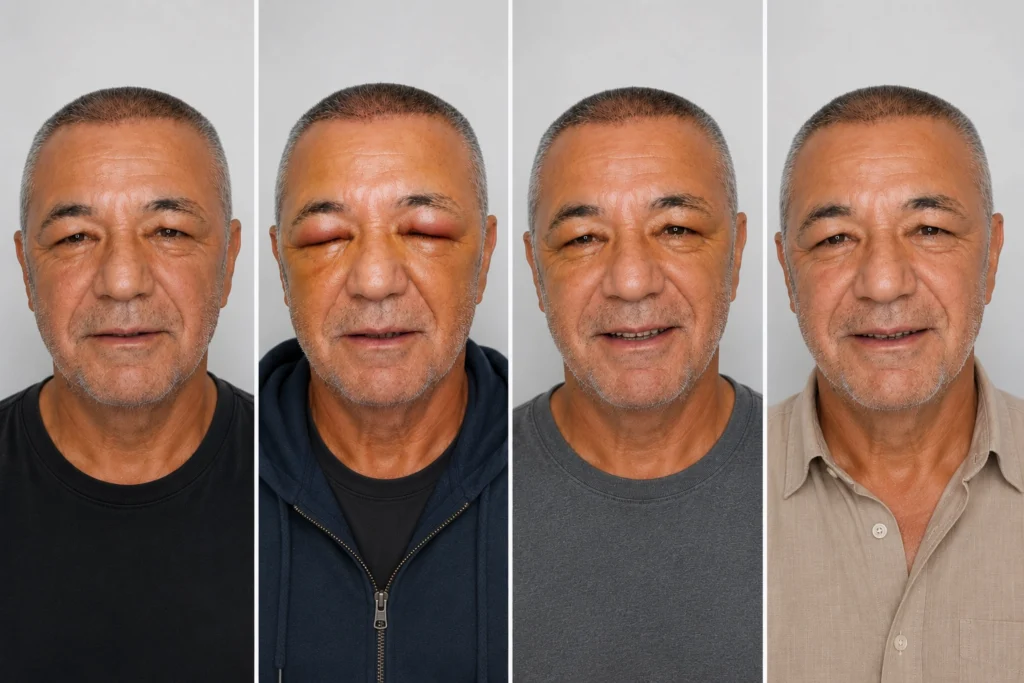
Most visible edema lasts three to seven days, although mild puffiness may continue longer. It often starts within the first 48 hours and becomes most noticeable around day 3 or 4. Recovery speed depends on the procedure, injected fluid, graft count, and the person’s healing response.
Days 1–2: Early Swelling
The scalp may feel tight or slightly raised during the first two days. Mild fullness can develop near the hairline or upper forehead. Some people notice little visible change at this stage.
Days 3–4: Peak Swelling
The reaction often becomes most visible on days three and four. Fluid may spread into the upper and lower forehead, eyebrows, and eyelids. This movement usually reflects temporary fluid migration rather than damage to newly placed grafts.
Days 5–7: Improvement
The body usually starts clearing excess fluid during this period. Forehead puffiness and facial edema should become less noticeable each day. Symptoms that remain hard, painful, or increasingly severe require medical assessment.
Why Swelling After a Hair Transplant Happens
Swelling after a hair transplant develops because the operation creates small openings in the donor and recipient areas during the steps explained in this guide to how hair transplants work. The body sends fluid and inflammatory cells to these tissues as part of the healing process. This response is a common side effect of hair transplantation surgery.
Inflammation and Anesthetic Fluid
FUE (Follicular Unit Extraction) and DHI (Direct Hair Implantation) often use a tumescent solution containing fluid and a local anesthetic. Some of this liquid remains in the scalp after treatment, while inflammation further increases the area’s volume. Gravity can then move it toward the forehead and eyes.
Procedure and Graft Count Factors
Longer sessions and larger treatment areas may create more tissue irritation. The amount of fluid, the number of grafts, and the location of implantation can also affect the extent of swelling. People who receive extensive frontal work may notice more puffiness around the forehead or eyelids.
Those comparing Mexico, Turkey, and the United States should examine physician involvement, regulatory standards, access to follow-up, and continuity of care. Oversight and staffing models vary across countries. A patient should confirm who performs each stage of the operation and who manages post-transplant care.
Where Swelling May Appear
Postoperative edema can affect the recipient and donor areas, as well as the forehead, face, and eyelids. Its location may change as fluid moves through nearby tissues. Sleeping position and treatment location can also influence the pattern.
Head, Forehead, and Face
Scalp tightness may develop around the hairline, crown, or recipient zone. Puffiness may then cross the upper and lower forehead before reaching the temples or upper cheeks. Mild asymmetry can occur, but rapid one-sided expansion requires review.
Swelling Around the Eyes
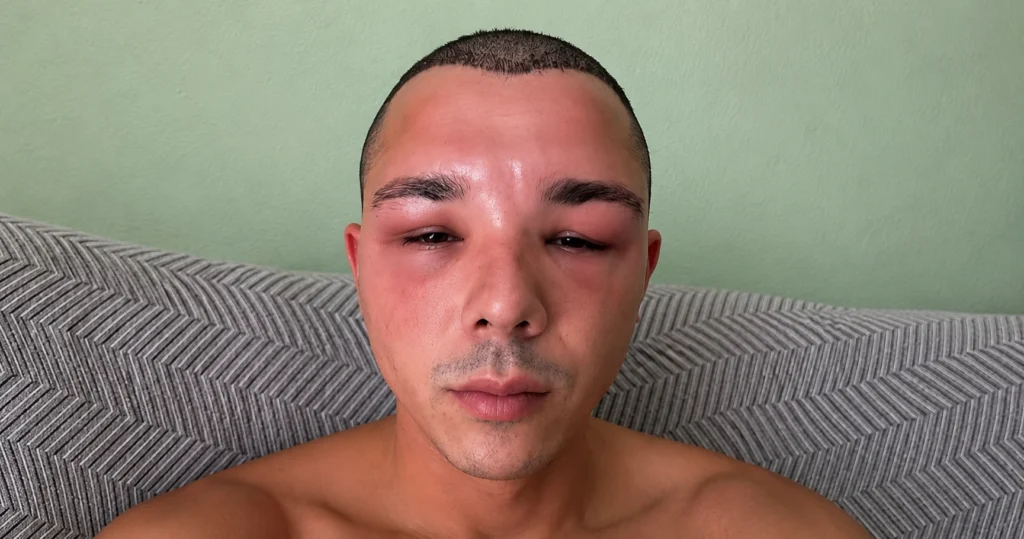
Fluid may settle around the upper eyelids because the tissue is soft. Some individuals develop puffy eyes or mild bruising during the peak stage. Major vision changes, severe pain, or an inability to open the eyes requires medical attention.
Donor Area Swelling
The transplant donor area may feel tender, firm, or mildly puffy after follicle extraction. It should gradually improve rather than spread or become more painful. Redness, warmth, discharge, or increasing tenderness may signal a complication.
Is Hair Transplant Swelling Dangerous?
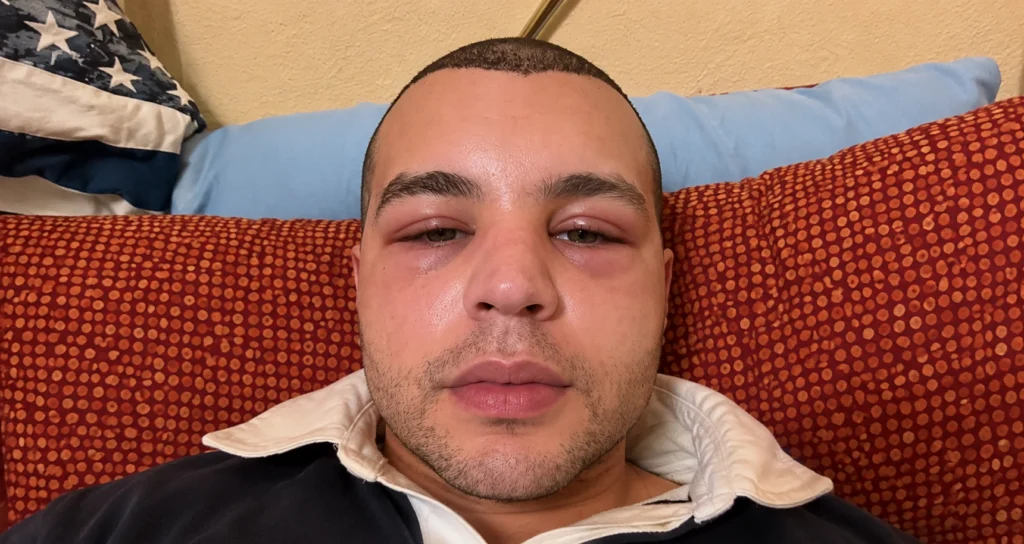
Expected edema is usually temporary and does not mean the procedure failed. A normal reaction often feels soft and improves after peaking. It should not cause fever, intense pain, breathing problems, or spreading redness.
Contact the treating physician if symptoms include:
- Puffiness that worsens after one week
- Fever, warmth, redness, or discharge
- Severe or rapidly increasing pain
- Hard or fast-growing one-sided enlargement
- Hives, breathing difficulty, or a rapid heartbeat
These symptoms can have several causes and require medical evaluation. Sudden breathing problems or signs of an allergic reaction need emergency care. Photos may help the medical team compare changes and decide whether an examination or treatment is required.
Is Hair Transplant Recovery Painful?
Recovery usually causes tenderness, itching, tightness, or pressure rather than severe pain. Discomfort often affects the donor site more than the implanted follicles. Pain that worsens rather than improves may signal bleeding, infection, or excessive pressure.
Mild soreness often decreases during the first several days. Itching may continue as small wounds heal and scabs form. Individuals should avoid scratching and use only products approved by the surgical team.
How to Reduce Hair Transplant Swelling
Patients can reduce swelling by following the care plan created for their procedure. Instructions may differ based on health history, medication use, graft placement, and surgical technique. Home care should support medical guidance rather than replace it.
Keep Your Head Elevated
Sleeping with the head raised can limit fluid movement toward the face. Many physicians recommend several pillows or a reclined position during early recovery. Each person should follow the angle and duration provided by the surgical team.
Use Cold Compresses Safely
Covered ice packs or cold compresses may help around the forehead when approved. Never place them directly on new grafts or apply pressure to the recipient area. The clinic should specify safe placement, timing, and frequency.
Follow Medication Instructions
Some physicians prescribe corticosteroids or other medicines to control inflammation. Patients should not start, stop, or change medication without approval. Medical history, possible side effects, and drug interactions can affect what is safe.
Protect the New Grafts
Avoid rubbing, scratching, tight headwear, and sleeping positions that press against the recipient area. A forehead band may be used in some care plans, but it must remain below the grafts. Structured follow-up helps confirm when washing, exercise, and normal headwear can resume.
Can Swelling Affect Transplant Results?
Routine fluid buildup does not usually damage implanted follicles. The greater risk comes from rubbing, direct pressure, infection, bleeding, or untreated complications. Patients should also distinguish temporary fluid buildup from surface irregularities such as cobblestoning after a hair transplant, which involves raised or uneven skin around implanted grafts.
A stable recovery plan protects the grafts while the surrounding tissue heals. Individuals should follow washing, sleeping, medication, and activity instructions closely. They should also attend scheduled reviews or maintain remote follow-up after traveling home. Early communication helps the physician identify concerns before they affect hair restoration outcomes.