Changes in his appearance may also result from styling, cosmetic fibers, lighting, camera angles, or natural thinning.
Photos alone cannot confirm surgery, the method used, or when treatment may have taken place. A fair review must consider age, loss patterns, styling changes, and the limits of visual evidence. Hair Transplant Mexico, located in San Pedro, Monterrey, uses a doctor-led exam to assess these medical factors before recommending treatment.
Key Takeaways
- The singer has never confirmed undergoing a restoration procedure, and no public medical records indicate that he did.
- Changes in his appearance may come from styling, dye, lighting, concealers, a hair system, aging, or possible treatment.
- Public images cannot confirm surgery, graft counts, dates, or the method used.
- Old hair plugs used larger grafts, while FUE, FUT, and DHI use smaller follicular units for a more natural look.
- A proper restoration exam checks donor density, loss patterns, scalp health, goals, and follow-up care.
Did Bruce Springsteen Have a Hair Transplant?
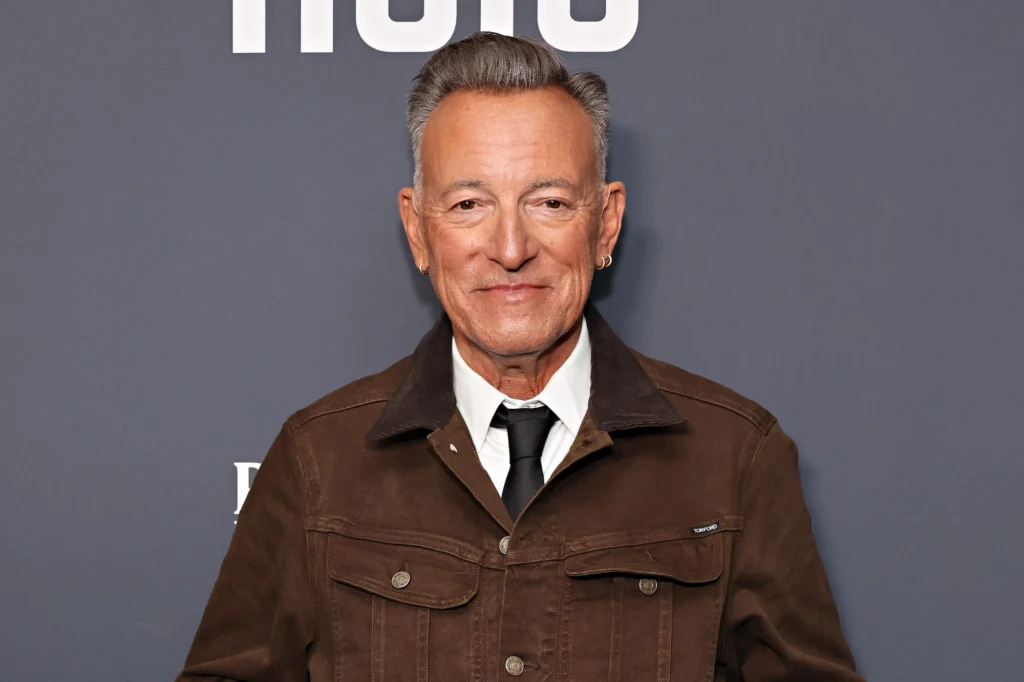
There is no clear proof that the musician had surgical restoration. He has not confirmed it, and no public medical records support the claim. Most discussion comes from images taken at different ages.
One expert quoted by IMDb said he may have had a small procedure to maintain the frontal hairline. This was only a visual opinion. Photos cannot show graft counts, surgery dates, or the technique used.
What Public Photos Suggest
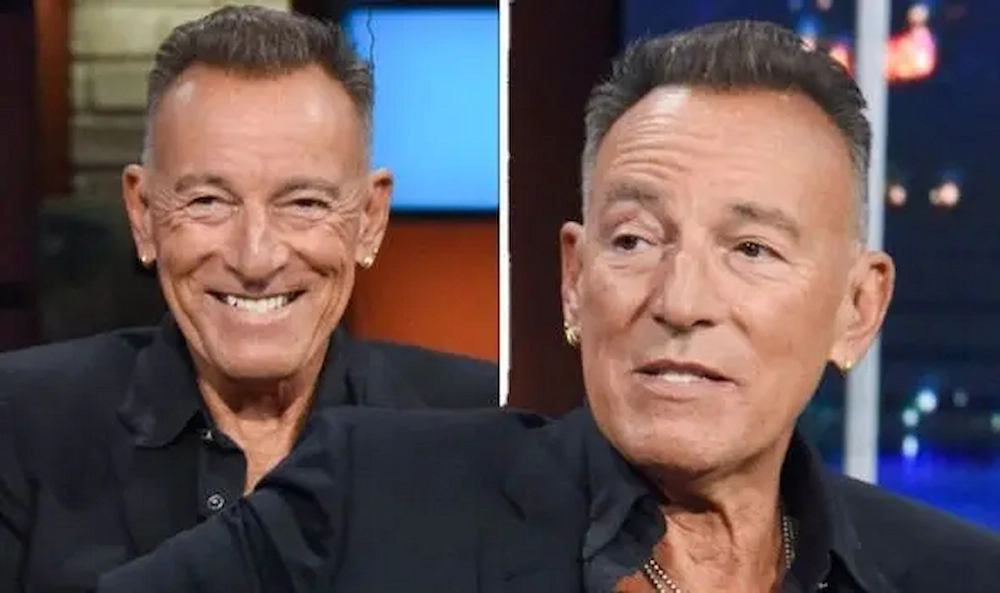
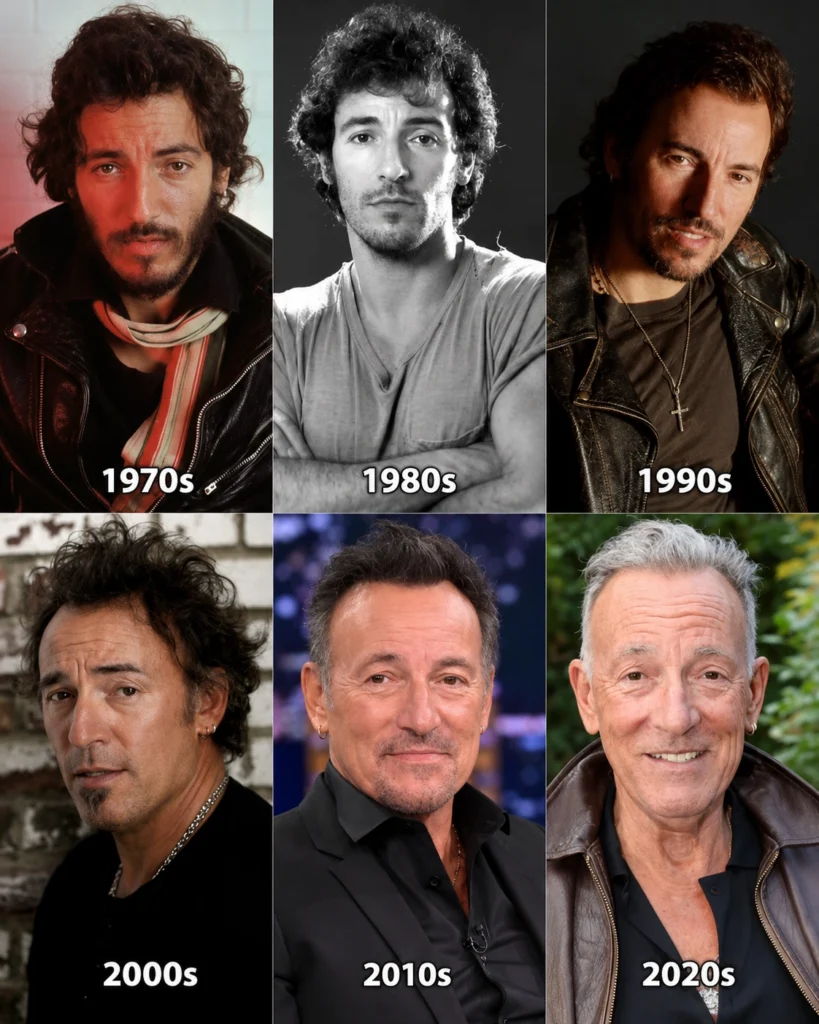
Older and newer images show changes around the front and temples. Some pictures show more recession at the sides. Later images may seem to show stronger coverage near the forehead.
These differences can lead to claims about surgery, styling, concealers, or replacement systems. Light, camera angle, image quality, and length can all affect how dense the scalp looks. Images cannot prove that follicles were moved through surgery.
Why the Claims Remain Unconfirmed
A doctor cannot confirm this type of procedure from public images alone. A reliable answer would require a scalp exam, a donor-area review, a medical history, and treatment records. A direct statement from the artist would be stronger than photo comparisons.
Bruce Springsteen’s Hair Over Time
The musician has been in the public eye for more than five decades. His age, grooming, stage look, and style have changed over time. This makes direct comparisons less reliable.
Bruce Springsteen’s Hair When Young
Photos from his early career show thick, dark, and long strands. His curls and layers added volume around the forehead and temples. This made the frontal line harder to judge in older pictures.
A full look when young does not rule out later male pattern loss. The temples and front often become thinner with age.
Bruce Springsteen’s Hair in the 80s
In the 1980s, he often wore short styles, bandanas, and headbands on stage. A 1987 music article noted how a headband changed the look of his forehead. It did not report that he had undergone surgery.
Stage lights, sweat, and movement can make the temples look thinner. A headband can also pull strands back, making the frontal edge more visible.
Bruce Springsteen’s Hair Plugs or Modern Surgery?
There is no proof that old-style plugs or a modern procedure caused his current appearance. This term refers to an older method that used larger grafts, while a detailed comparison of hair transplants vs. hair plugs explains how modern methods differ. Current surgery uses smaller follicular units for softer and more natural placement.
How Traditional Hair Plugs Worked
Older plug methods moved round pieces of scalp with several strands in each graft. These larger grafts could form clear groups. The result could look uneven if nearby areas continued to thin.
Modern methods replaced these large plugs. There is no public proof that the singer received this outdated treatment.
How Modern Hair Transplants Differ
FUE (Follicular Unit Extraction) removes small follicular units one at a time. FUT (Follicular Unit Transplantation) removes a thin strip of scalp, which is then divided into grafts. DHI (Direct Hair Implantation) often uses a pen-shaped tool to place each graft.
All methods depend on donor quality, careful graft handling, and good planning. No technique can promise a set level of density or graft survival.
Other Reasons His Hair Looks Different
Many non-surgical factors can change a person’s appearance. Styling, dye, lighting, and concealers may all play a role. None can be confirmed without direct information.
Hairstyles, Dye, and Concealers
Dye can reduce the contrast between gray strands and the scalp. Styling products can lift the roots or move coverage over thin spots. Cosmetic fibers and scalp concealers can also create a fuller look.
Lighting and Hair Systems
Overhead light can make thinning easier to see. Front lighting can hide it. Camera quality, editing, and head angle can also change the visible shape of the frontal line.
A replacement system can cover thin areas. Still, public photos cannot clearly show whether someone uses one.
How Hair Transplants Are Evaluated
A proper exam focuses on the patient, not a celebrity photo. The doctor reviews the cause of loss, donor supply, scalp health, and likely future thinning. Dr. Antonio Aguilar, a specialist in FUE restoration, uses this type of medical review when checking candidacy.
Patients comparing Mexico, Turkey, the United States, or other locations should consider more than just price. Key points include:
- The doctor’s role in the exam, extraction, and placement
- Local licensing and safety rules
- The work completed by support staff
- Access to follow-up care
- Clear consent and risk policies
Standards can differ from one clinic to another. Some high-volume centers assign more steps to technicians. Doctor-led clinics keep more direct medical control. Patients should ask who performs each stage and how follow-up works after travel.
Donor Hair and Treatment Planning
Donor follicles usually come from the back and sides of the scalp. A doctor checks density, strand thickness, follicle groups, scalp health, and signs of future loss. The supply is limited, so removing too much can reduce later options.
The plan should cover the frontal design, graft placement, method, healing, and expected results. Patients should also learn about shedding, risks, and the growth timeline. Final density depends on donor quality, graft care, healing, ongoing loss, and individual biology.