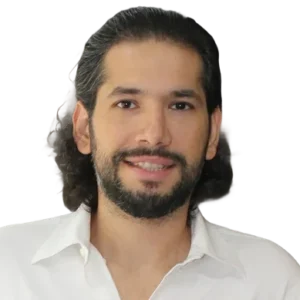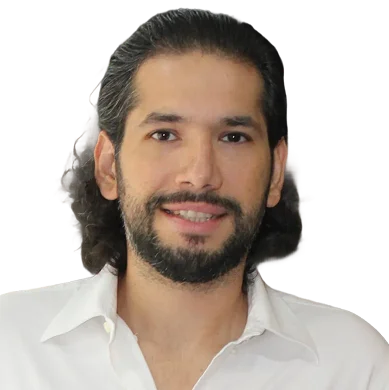
Photos show a clearer hairline and more upper-scalp coverage. They do not prove graft survival, exact density, or long-term growth. Results depend on donor supply, the pattern of loss, surgical planning, and follow-up care.
Hair Transplant Mexico, located in San Pedro, Monterrey, reviews these factors before suggesting FUE (Follicular Unit Extraction), DHI (Direct Hair Implantation), or another option.
Key Takeaways
- Brian Urlacher had a no-shave FUE procedure in 2016 after years of shaving his head during his NFL career.
- Public sources report about 5,300 grafts, but one provider page also lists 6,000. The exact total remains unclear.
- Before-and-after photos show better frontal and upper-scalp coverage, but they cannot prove graft survival or long-term density.
- His exact cost is not public. Price often depends on graft count, doctor involvement, technique, clinic location, and follow-up care.
- FUE results vary based on donor supply, hair-loss pattern, surgical planning, healing, and aftercare.
Did Brian Urlacher Get Hair Transplants?
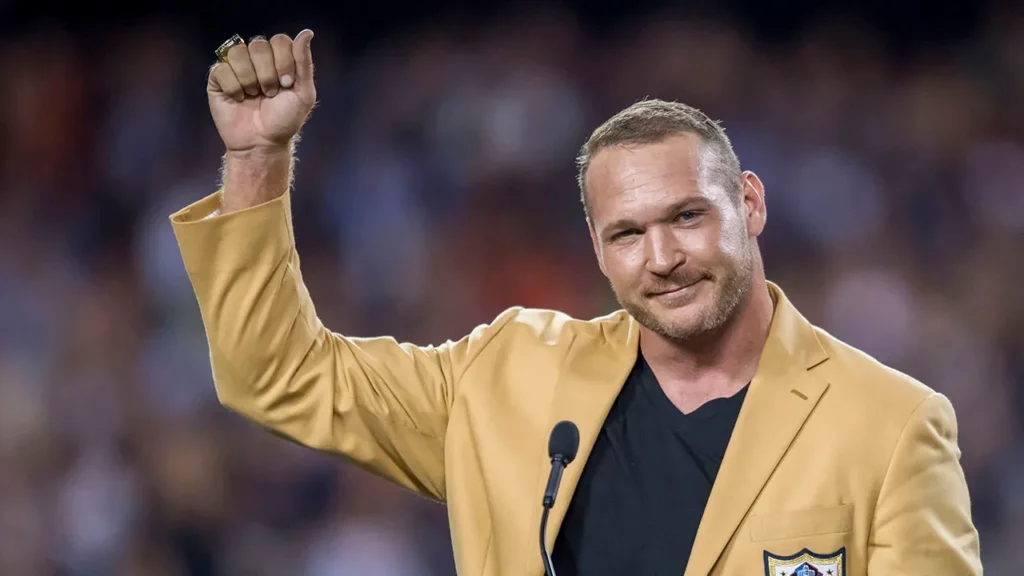
Yes. Public reports and clinic records say he received an FUE restoration procedure after years of shaving his bald head. He later discussed the treatment in interviews and ads.
Brian Urlacher Hair Loss and Treatment
His Hair Loss History
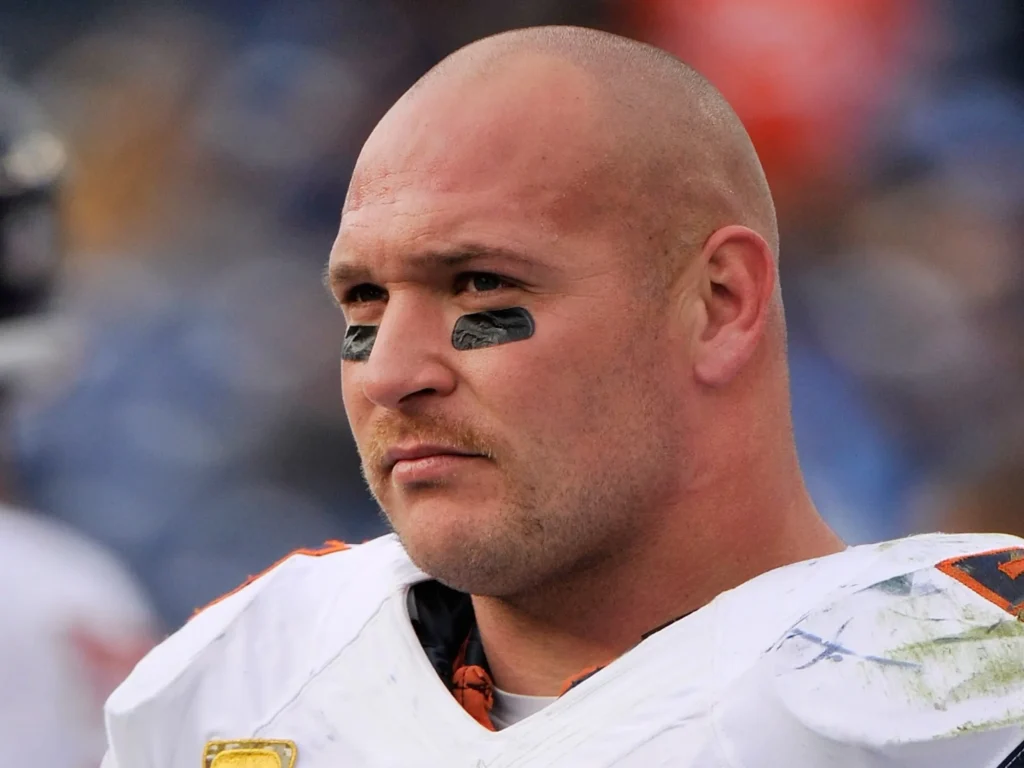
Urlacher said his hair loss started in college. He began shaving his scalp as an NFL rookie, and that look became part of his public image. After retirement, he considered treatment after seeing a friend’s result.
FUE Procedure and Graft Count
The reported Brian Urlacher hair treatment used FUE. This method removes small groups of follicles from the donor area and places them in thin or bald areas. The main case page lists 5,300 grafts, while another section lists 6,000.
DHI uses a similar extraction process, but places grafts with an implant pen. The tool can help control placement angle and depth. It does not guarantee a better result.
Brian Urlacher Hair Transplant Company
The Clinic Linked to His Procedure
RESTORE identifies Urlacher as a patient and shares photos, videos, and details about his procedure. According to the clinic, he received no-shave FUE and returned to many of his usual activities soon after treatment. However, his recovery reflects one individual case and should not be used as a standard timeline for every patient.
Brian Urlacher with Hair Billboard
The Brian Urlacher billboard campaign with hair drew attention because fans knew him for his bald look. The ads showed him with restored coverage and made male hair restoration more visible to the public.
Unauthorized Use of His Likeness
FOX 32 reported that Urlacher sued other clinics for using his name and image without consent. One claim said a clinic called him a client and placed his name under another person’s scalp photo. This shows why readers should verify celebrity links before trusting an ad.
Brian Urlacher Hair Transplant Before and After
What the Photos Show
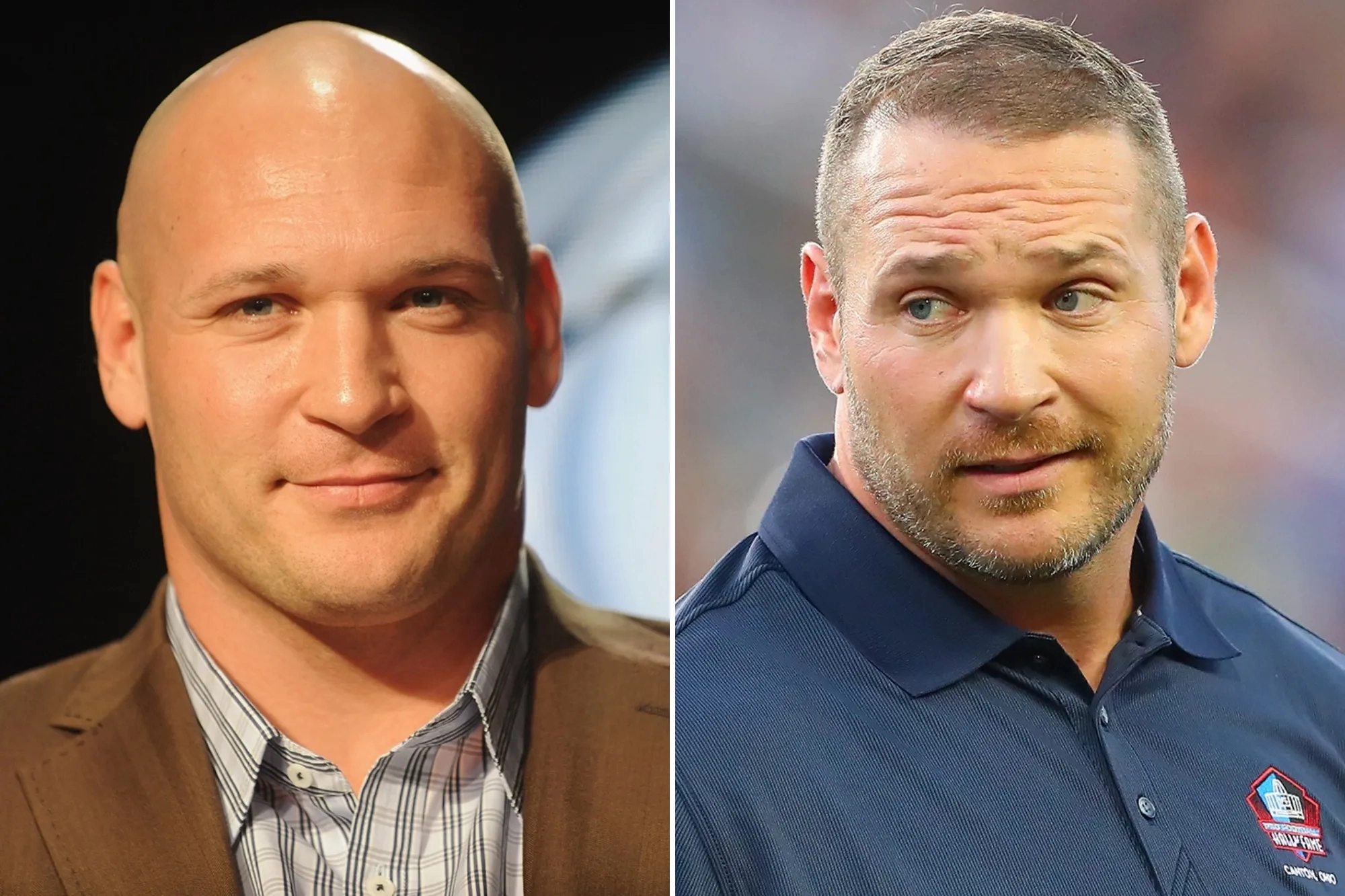
Published images suggest treatment in the frontal hairline, temples, and upper scalp. They show a more defined hairline and broader coverage across the top. Hair length, light, styling, and camera angle can change how a result looks.
What Photos Cannot Confirm?
Photos cannot measure graft survival, scalp health, donor damage, or exact density. They also cannot show whether untreated hair kept thinning. Long-term medical follow-up gives more useful evidence.
Recovery and Hair Growth Timeline
Healing and Early Shedding
Redness, swelling, soreness, and scabs may appear during the first 3 to 7 days. Transplanted shafts often shed between weeks 2 and 6 while the follicles remain under the skin. Washing may begin after 48 to 72 hours, while exercise, sun exposure, and travel should follow the doctor’s advice.
Growth and Result Maturation
New growth often begins after three to four months, although patients may notice early changes as early as two months after a DHI hair transplant. Coverage may improve over the next several months, while final growth can take 12 to 18 months. Follow-up helps the doctor check healing, growth, and side effects.
Medical Considerations and Limitations
Donor Hair and Candidacy
A restoration procedure moves existing follicles. It does not create new hair. Good candidates need enough donor supply, a suitable loss pattern, realistic goals, and no untreated condition that may affect healing.
Risks and Variable Results
Possible side effects of a hair transplant include infection, scars, shock loss, weak growth, uneven density, and donor damage. Results depend on the plan, follicle handling, scalp health, and aftercare. No method can promise the same result for every patient.
Doctor-Led Evaluation
A doctor should review the cause of loss before surgery. Physician involvement matters during donor checks, hairline design, extraction, placement, and follow-up. A medical exam is needed before choosing FUE, DHI, medicine, or another form of hair restoration.
If you are considering a hair transplant, a doctor-led evaluation can help determine whether FUE, DHI, or another treatment is right for your hair loss. Scheduling a consultation allows your donor area, goals, and treatment options to be reviewed before making a decision.