
Before-and-after photos can show visible changes, but they cannot explain every medical detail. Hair Transplant Mexico, based in San Pedro Garza García, Monterrey, reviews similar cases with a medical exam and donor check. Results can vary based on donor quality, scar tissue, pattern of loss, and healing.
Key Takeaways
- Dvalishvili has confirmed that he had surgical hair restoration, and later photos show more frontal coverage.
- Public sources do not confirm his graft count or exact method, so claims about FUE are still unverified.
- Before-and-after photos can show change, but lighting, styling, and camera angles can affect how dense the hair looks.
- Recovery often includes short-term shedding followed by new growth over several months.
- A medical exam should review donor quality, hair loss pattern, scar tissue, future thinning, and doctor involvement.
Did Merab Dvalishvili Get a Hair Transplant?
Yes. In a February 2024 interview, Dvalishvili said he had lost hair and later had it transplanted. This confirms that he had the procedure. Most surgical details remain private.
Merab Hair Transplant Before and After
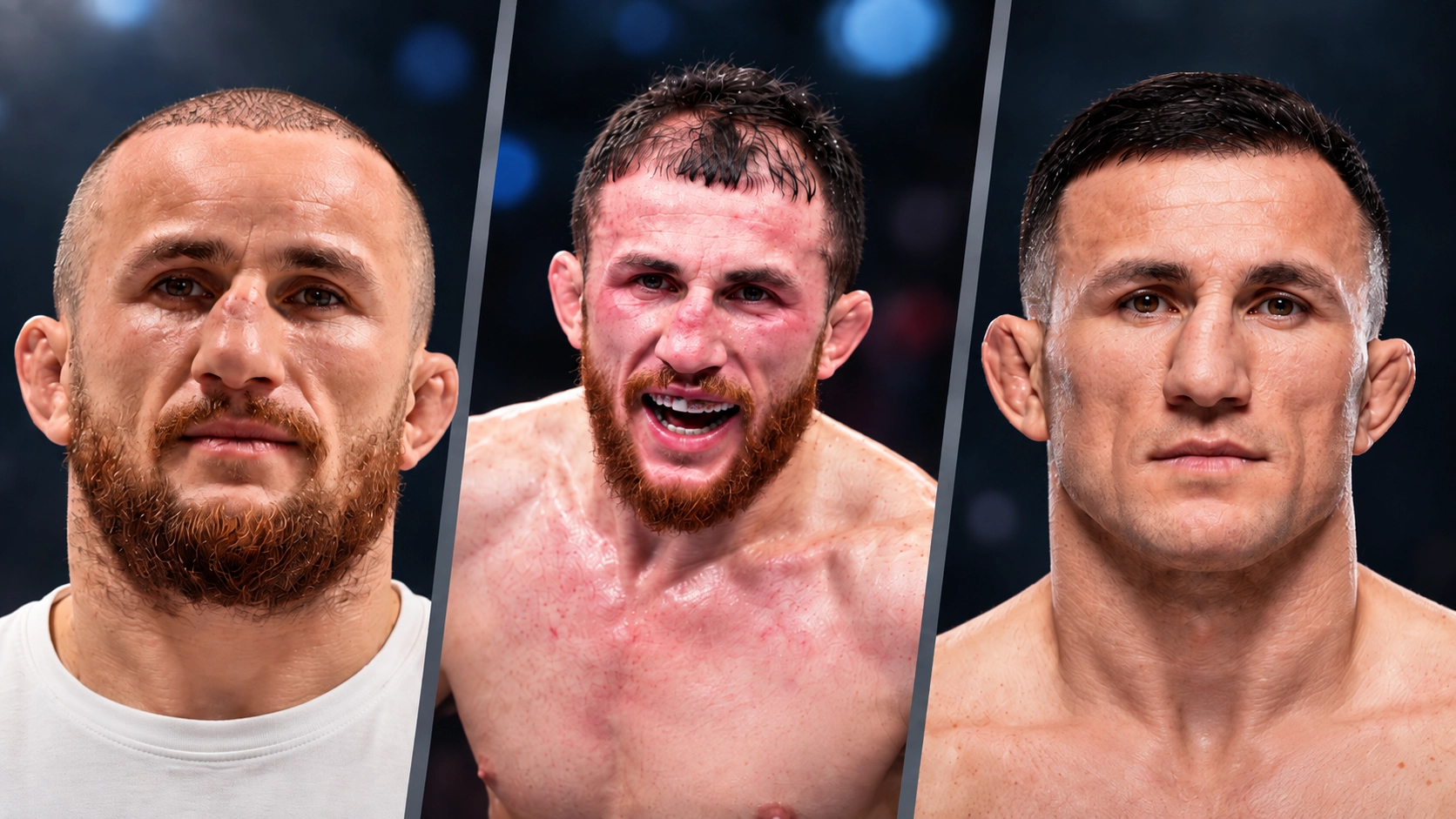
Public photos show a clear difference between his earlier and later appearance. Newer images show more coverage along the front of the scalp. Photos cannot confirm graft numbers, the exact method, or the cause of every thin area.
Merab Before His Hair Transplant
Older images showed frontal recession and a separate scarred area. ESPN reported that hair did not grow back from the scar site for a long time after an injury. A later procedure added coverage there.
Changes After the Procedure
Newer photos show a fuller-looking front and better scalp coverage. Hair length, styling, lighting, and camera angle can change how dense it looks. Photos help with visual comparison, but they are not a medical measure of density.

When and Where Was Merab’s Transplant?
A reliable medical source has not confirmed the exact date of surgery. Reports link the procedure to Istanbul, Turkey, and some outlets name Now Hair Time. Treat that clinic detail as reported, not fully verified.
What Hair Transplant Method Did Merab Use?
No reliable public source confirms the exact method used. Some articles suggest FUE (follicular unit extraction), but photos cannot prove how the grafts were removed or placed. Small marks on the scalp are not enough to confirm the technique.
Was Merab’s Procedure FUE?
FUE removes small groups of follicles one at a time from a donor area. The grafts are then placed in areas with less hair. DHI usually refers to placing grafts with a pen-like tool, not to a separate way of removing them.
How Did Merab’s Hair Transplant Heal?
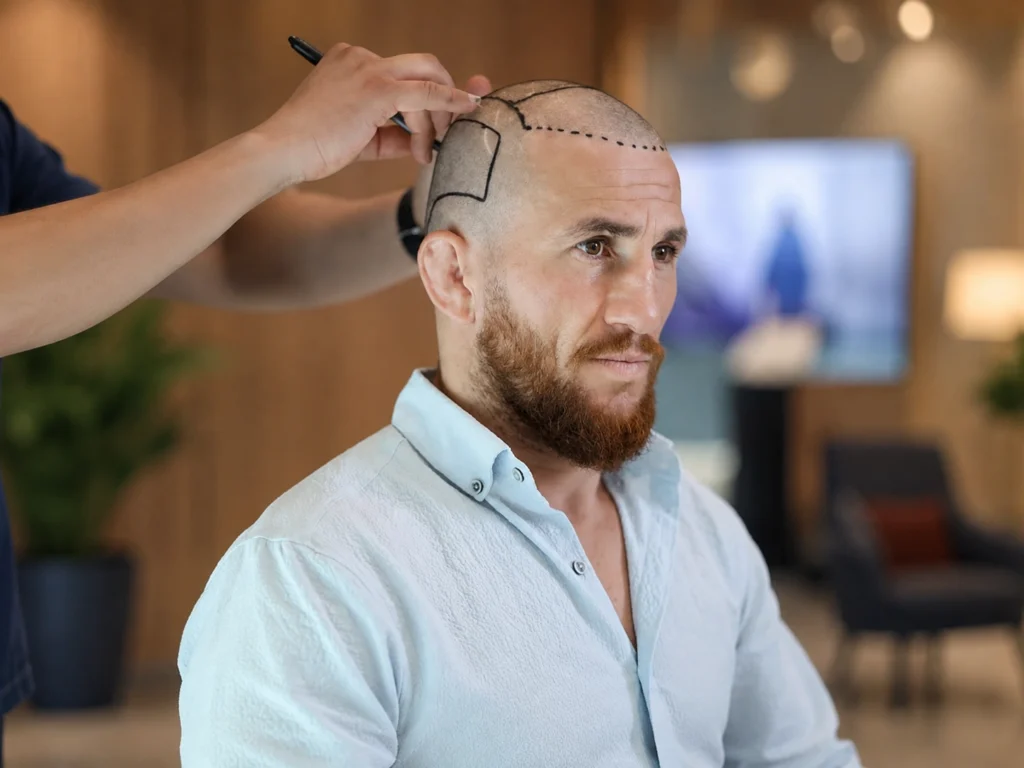
Public photos show a change from a recently treated scalp to visible new growth. They do not show his full recovery or follow-up plan. Early healing can include redness, crusting, and swelling after a hair transplant, and short-term shedding.
New growth often becomes more visible after six to nine months and can keep maturing for about a year. Proper post-hair transplant care during recovery can protect the treated scalp and support healing.
What Should Patients Know From His Case?
A celebrity result should not be used as a personal treatment plan. Patients comparing Mexico, Turkey, the United States, or other locations should review:
- Doctor involvement and surgical oversight
- Licensing and medical standards
- Follow-up and ongoing care
Candidacy and Medical Evaluation
A good candidate usually has enough healthy donor hair on the back or sides of the scalp and a clear area of thinning that can be treated. Hair loss should be stable enough to plan for future changes, and active scalp disease or untreated medical causes of shedding should be addressed first.
For scar coverage, the doctor must also check the scar tissue, blood supply, and whether grafts are likely to grow in that area. Dr. Antonio Aguilar, an FUE hair restoration specialist with more than 10 years of experience, reviews donor density, loss pattern, scalp health, age, and expected future thinning before planning treatment.
Results and Permanence
Transplanted follicles from a stable donor area can keep growing for many years. Native hair around them may still thin over time. Final density depends on graft survival, donor quality, hair type, and future loss, so Dvalishvili’s result cannot predict another patient’s outcome. Other public cases, such as Matteo Lane’s hair transplant, also show why you should view results in the context of each patient’s starting point and treatment history.
If you are considering hair restoration, a medical evaluation can help determine whether you are a good candidate and what approach may fit your needs. Schedule a free consultation with Hair Transplant Mexico to review your options with a physician.