
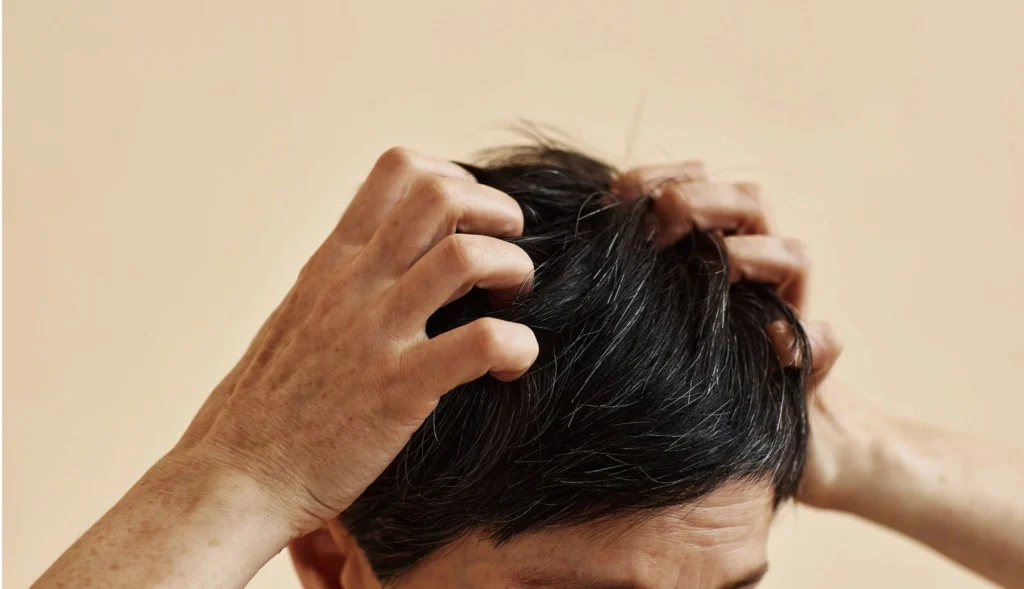
Gentle washing may begin earlier, when your clinic allows it, but it differs from dry friction in that it uses controlled contact, water, and approved products. You should avoid towel pressure, tight hats, pillow friction, and touching your scalp without a clear reason during early recovery.
At Hair Transplant Mexico in San Pedro, Monterrey, Dr. Antonio Aguilar reviews each patient’s healing process before advising a return to normal scalp care.
Key Takeaways
- You should avoid friction, scratching, or pressure on the treated area for at least 14 days. The first 48 hours are the most sensitive because the grafts are still stabilizing.
- Gentle washing may begin earlier if your clinic allows it, but washing is different from dry pressure. Washing uses controlled contact, while friction can disturb scabs or irritate healing skin.
- Light contact may be safer after 10 to 14 days if scabs have cleared and the skin looks calm. Your doctor should confirm when the grafts are secure enough for normal scalp care.
- A dry scab or short shed strand does not always mean a graft was lost. Fresh bleeding, new pain, swelling, or a tissue-like piece may require medical review.
- Sleep position, hats, helmets, sweat, sun exposure, and towel drying can all create friction during early recovery. Patients should follow their postoperative instructions and contact their doctor if symptoms change.
When Is Scalp Contact Safe?
Light contact is usually safer after the first couple of weeks, but reviewing what to expect 10 days after restoration surgery can help patients understand the healing process. The newly transplanted hair sits in small recipient sites, so the recipient area needs protection while the skin closes.
Men undergoing a larger FUE (Follicular Unit Extraction) may need extra caution, as higher graft counts can increase surface sensitivity. Your doctor should confirm when normal scalp care can resume.
When Are Hair Grafts Safe to Touch?
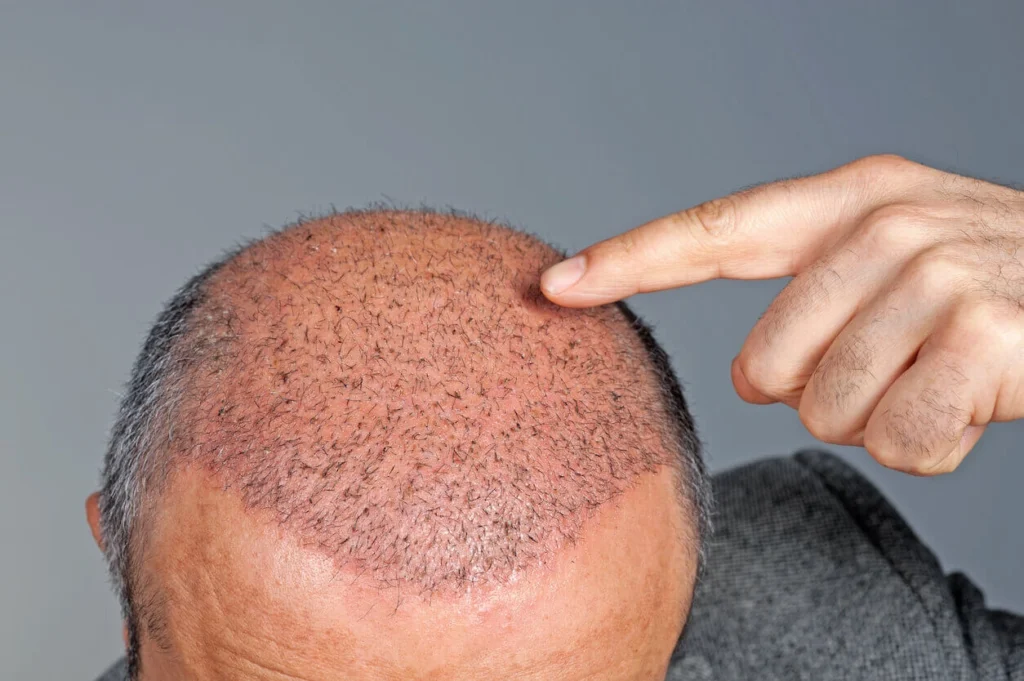
Grafts after a hair transplant become safer to touch as the skin closes around them. The first 48 hours carry the highest risk because pressure can move tissue before it settles. During the first week, scabs and swelling are common, but the implanted units still need protection. After around two weeks, many patients can resume hair washing and light contact if the surface has healed well.
The donor area recovery and the recipient area heal differently. The donor site may feel sore or tight, but it does not carry the same risk of graft displacement as the treated zone. The recipient site contains the implanted units, so early pressure can affect the small healing points.
This is why aftercare for a hair transplantation procedure focuses on controlled cleaning and limited friction.
Graft Safety and Early Risks
Early friction can affect graft safety because the implanted tissue needs time to anchor. Scabs protect small healing points and should fall naturally during approved cleaning. True graft loss after 7 days is less likely than in the first few days, but the area still needs care. Bleeding after trauma may suggest that contact with the graft dislodged it, and the patient should contact the clinic.
What Does a Dislodged Hair Graft Look Like?
A dislodged graft may appear as a small, tissue-like piece with fresh bleeding at the site. It may also appear as a pale or cream-colored bulb attached to tissue. A dry scab, short shed strand, or flake of skin without bleeding does not always mean a graft was lost. Normal shedding can happen before later hair growth begins.
What to Do after Accidental Contact
A light brush against the scalp does not always mean damage occurred. Check for bleeding, new pain, swelling, or a visible tissue-like piece. If none of these signs appear, avoid touching the area again and continue the approved aftercare plan. If symptoms appear, take a clear photo and ask your doctor whether the site needs to be reviewed.
Scratching, Massage, and Itching
Scratching, dry pressure, and massage place different levels of force on the scalp. Patients should avoid scratching during the first two weeks because fingernails can break scabs and irritate healing skin.
Most patients can scratch normally after 3 months if the scalp has healed and there is no inflammation. Scalp massage should usually wait until early healing has passed and the doctor confirms that progress is safe.
Itching often comes from dryness, scabs, and normal tissue repair. Saline spray, gentle washing, and approved products may help reduce discomfort. Patients should ask their doctor before using antihistamines, medicated shampoo, aloe, oils, or topical creams. The safest option depends on the presence of redness, scabs, skin sensitivity, and the postoperative plan.
When Can I Wash My Hair Normally?
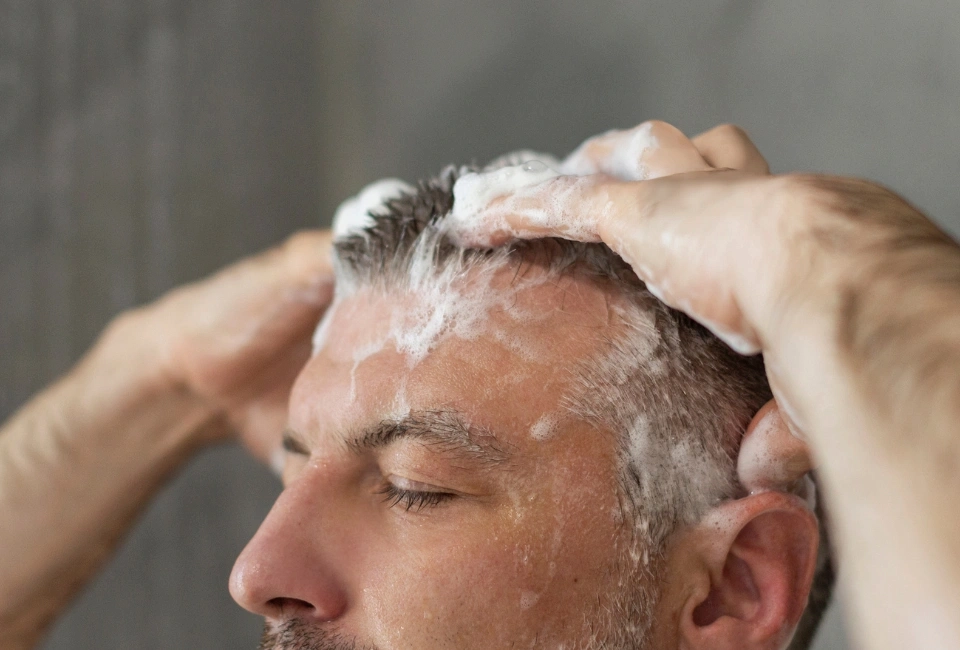
Washing returns in stages. Early cleaning protects the scalp, while later washing helps remove debris and support comfort. Gentle washing uses water, approved products, and controlled contact, while dry friction can pull on scabs. This is why a clinic may allow washing before normal scrubbing or massage.
During the first few days, patients may use a spray, cup, or low-pressure water flow instead of direct shower pressure. Between days 5 and 10, the routine may include clinic-approved shampoo, light tapping, and a careful rinse. Patients should avoid nails, strong pressure, and towel friction. After two weeks, many patients can clean the scalp more normally if the skin has healed well.
Safe Scalp Care after Surgery
Safe care means protecting the recipient area from pressure, friction, sweat, and direct heat while keeping the scalp clean.
- Sleep on your back with your head slightly elevated during the first 10 to 14 days. This helps reduce swelling and limits contact between the treated area and the pillow.
- Use clean pillowcases and avoid sleeping face down or on the treated side. A travel pillow may help reduce movement during sleep.
- Avoid tight hats, helmets, beanies, scarves, and headbands that press on the recipient’s area. Loose, clean headwear may be acceptable only when the clinic approves it.
- Avoid heavy exercise, heavy sweating, swimming, prolonged sun exposure, and sex after restoration surgery until your doctor confirms that the skin has closed well. Sweat, heat, and friction can irritate healing skin.
- Do not dry the scalp with a towel. Let it air-dry, or gently pat the area if your clinic allows it.
Patients also compare countries when researching hair restoration because medical oversight, physician involvement, regulatory standards, follow-up, and continuity of care can vary. Destinations such as Turkey, the United States, and Mexico may differ in clinic volume, supervision models, and travel logistics.
Monterrey is a strong option for patients seeking treatment in Mexico with physician-led care, clear communication, and practical access to post-surgery follow-up.
FUE and DHI (Direct Hair Implantation) are established techniques in modern restoration, and implantation pens are tools used to place grafts in the recipient area. No method guarantees a specific outcome.
When to Contact Your Doctor
Contact your doctor if bleeding, worsening pain, spreading redness, pus, fever, sudden swelling, or signs that contact may have dislodged the graft occur. You should also ask for guidance if scabs remain thick, itching becomes difficult to control, or the treated area feels more irritated over time.
Doctor-led follow-up matters because recovery can change based on technique, graft count, skin response, and medical history. A realistic plan includes careful aftercare, medical review, and patience while visible growth develops over several months.
Schedule your free consultation to receive a medical evaluation and personalized aftercare guidance.