
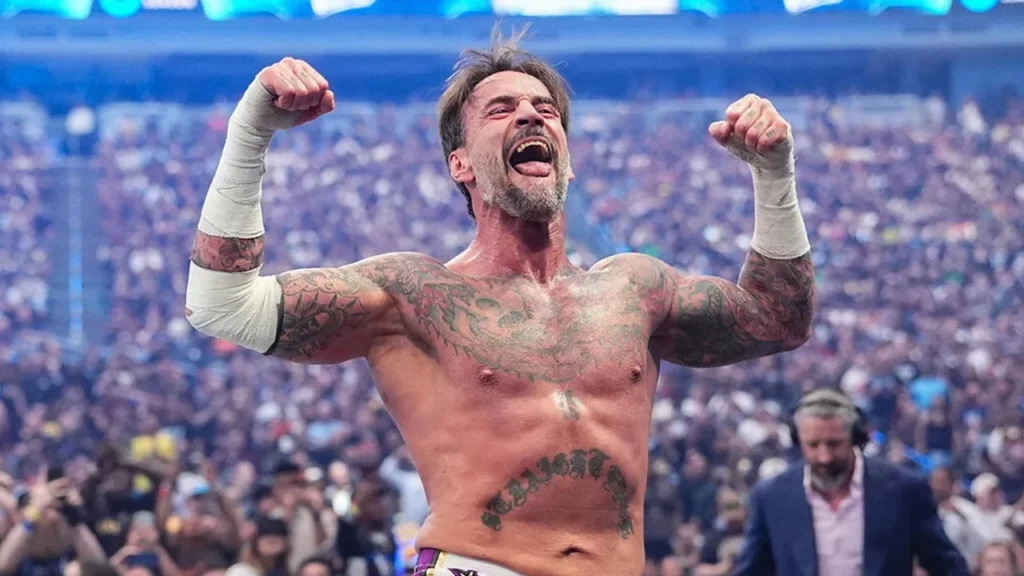
Understanding restoration requires a medical context because appearance alone does not prove treatment. Dr. Antonio Aguilar, a specialist in FUE Micrografting and Hair Restoration, explains that proper assessment considers scalp condition, donor availability, loss pattern, and medical history.
Key Takeaways
- CM Punk has not publicly confirmed a transplant or restoration procedure.
- Visible changes in the frontal frame, fullness, or styling can raise questions, but photos alone cannot prove surgery.
- Color changes, product use, lighting, camera angles, and styling can affect how full the scalp appears.
- FUE, DHI, non-surgical treatments, and coverage systems can change appearance, but each requires proper evaluation.
- A clinical assessment considers scalp condition, donor supply, loss pattern, and medical history.
Did He Get a Hair Transplant?
He has not confirmed that he had a transplant. Online discussion about CM Punk’s hair restoration surgery mostly centers on comparing older and newer photos, especially regarding his frontal frame and density.
Overall appearance can change for many reasons. Lighting, camera angle, length, styling product, and grooming can all affect how dense the scalp looks.
Why Fans Discuss His Appearance
Fans notice changes because public figures appear under strong lights, in close-up, and under different styling conditions. Wrestling also exposes the frontal area during movement, sweat, and live footage.
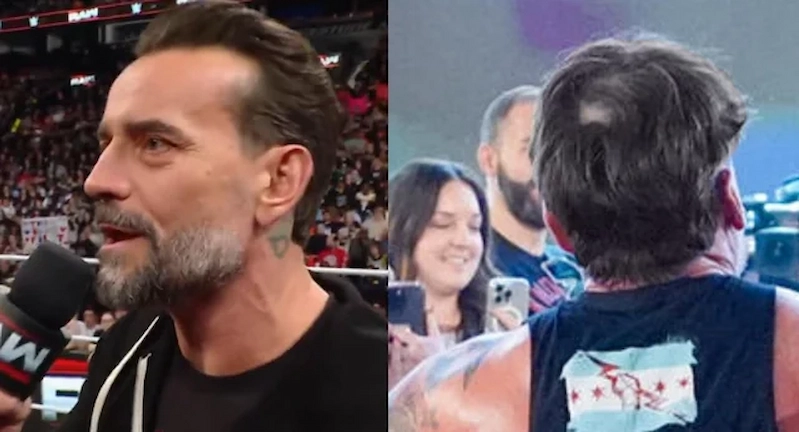
Frontal Changes Over Time
A lower, sharper, or fuller-looking front can lead viewers to suspect restoration. But longer length, brushed-forward styles, and darker colors can also make the front look denser.
Style, Color, and Product Factors
Searches around the CM Punk hairstyle name and CM Punk hair dye show that users also want styling context. Dye can increase scalp contrast, while products can add texture, lift, or coverage.

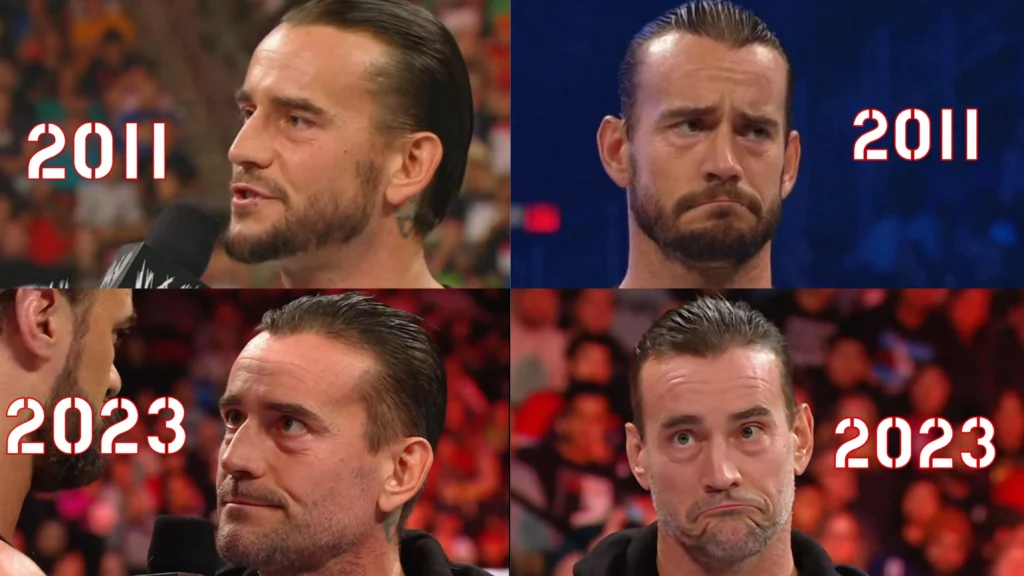
Then and Now: What Looks Different
Older photos often show a different frontal frame, length, and styling pattern than recent appearances, similar to how celebrity comparisons appear in discussions like the George Clooney hair transplant topic.
Newer photos may look fuller at certain angles, but those changes can result from grooming, color, lighting, product use, or restoration. This section should compare visible differences without claiming a confirmed cause.
What Photos Can and Cannot Prove
Photos can show visible changes, but they cannot explain the cause. They may suggest differences in hair transplant density, shape, or styling, but they cannot confirm surgery, medication, fibers, or normal grooming.
Common Signs Fans Notice
People often focus on a fuller frontal area, less scalp visibility, more uniform density, or a different part. These signs can appear after restoration but can also result from non-surgical changes.
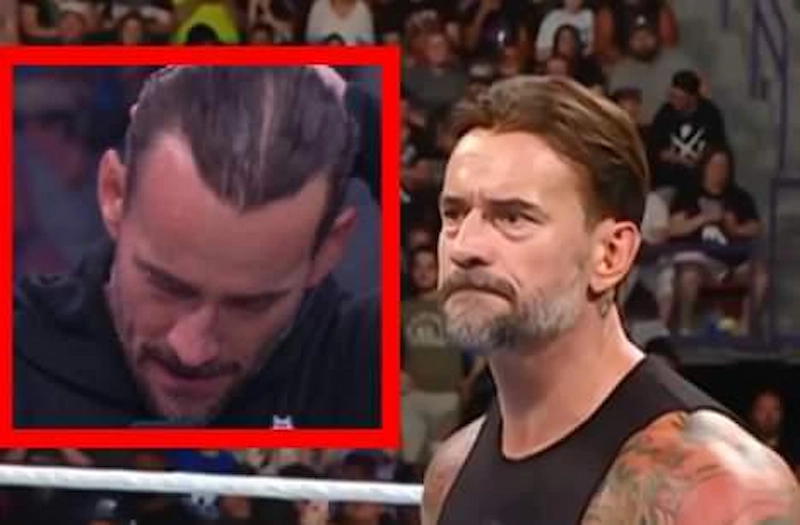
Why Visual Guessing Has Limits
Medical evaluation looks beyond appearance and includes an assessment of the donor area hair transplant, which helps determine whether enough follicles are available. A physician assesses donor supply, miniaturization, scalp condition, age, and hair loss pattern before forming a treatment plan.
Possible Restoration Explanations
If someone pursues restoration, several options may explain visible change. FUE (Follicular Unit Extraction) and DHI (Direct Hair Implantation) move individual follicles from donor areas to thinning zones, while implantation pens help place grafts without guaranteeing a result.
Non-Surgical Options
Non-surgical options may include medication, topical products, styling fibers, or coverage systems. These approaches can change appearance without surgery, but they still require consistent use and realistic expectations.
Final Answer
Fans notice real visual changes, but there is no public evidence confirming surgery. The most accurate answer is that the topic remains speculation unless he confirms it himself.
For a personal assessment, schedule a free consultation.