
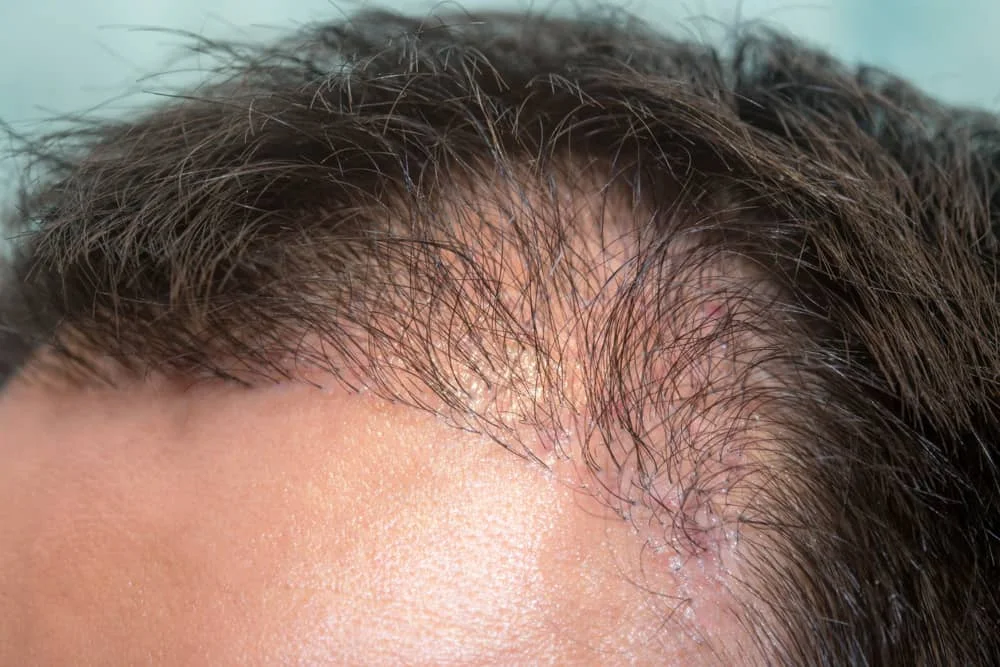
Hair Transplant Mexico evaluates this point by reviewing scalp healing, early regrowth, donor recovery, and follow-up findings rather than density alone.
Key Takeaways
- Limited density, patchy growth, and fine new strands can be normal at this stage because follicles are still early in the growth cycle.
- The final result should not be judged at the 90-day mark, since visible thickening often develops between months six and 12.
- Mild itching, dryness, small bumps, or temporary sensitivity may occur, but worsening pain, pus, swelling, fever, or spreading redness needs medical review.
- The hairline, crown, donor area, beard, eyebrow, and scar coverage cases can progress at different speeds depending on the treated zone and healing pattern.
- Consistent photos, proper scalp care, and structured follow-up help patients track recovery more accurately and avoid judging results too early.
What to Expect 90 Days after the Procedure
At 3 months after a hair transplant, most patients are between the shedding phase and the start of early regrowth. The recipient areas may show short, fine, or uneven strands, while some zones may still look quiet or unchanged. This does not always indicate poor progress, since follicles can remain in a resting phase before they begin producing visible new growth.
At this stage, the scalp often looks healed on the surface, but the follicles are still adjusting below the skin. Early strands may look weak because they have not yet reached their mature thickness, color, or texture. Density usually improves gradually over the next several months as more follicles enter the active growth cycle.
Results at This Stage
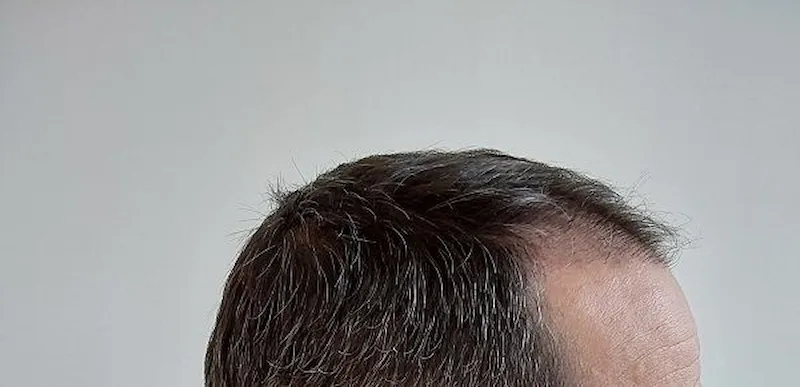
Recovery in this stage is usually incomplete and often builds on the changes seen two months after the procedure. The transplant area may look thin, irregular, or sparse, even when the grafts are developing normally.
Patients should not judge the final transplant density, texture, or coverage at this point, as transplanted hair often needs several more months to mature.
Sparse or Patchy Growth
This is common three months post op. In many cases, early hairs start as fine, soft strands that do not yet create strong coverage. Patchy growth happens because follicles do not restart at the same time. A small frontal case may show shape earlier, while the crown or larger treated zones may take longer to show shape.
What Happens to the Grafts?
The visible shaft can shed while the follicle stays below the skin. After shedding, the follicle may rest before producing a new strand. This process is part of the normal growth cycle and does not necessarily indicate graft loss. A physician reviews scalp health, healing, and early activity before judging progress.
Side Effects at This Stage
Most scabbing, swelling, and early irritation should improve by the 90-day point. Some mild symptoms may still occur, but they should improve over time.
- Mild itching can occur as the scalp continues to heal.
- Dryness or light flaking may still appear in some areas.
- Small bumps can form as new strands begin to emerge.
- Mild redness or sensitivity may remain, especially in the recipient areas.
- Worsening pain, pus, fever, swelling, drainage, or spreading redness needs medical review.
Hairline, Crown, and Donor Area Growth
Different areas can recover and show progress at different speeds. This can make the result look uneven, even when healing is moving in the expected direction.
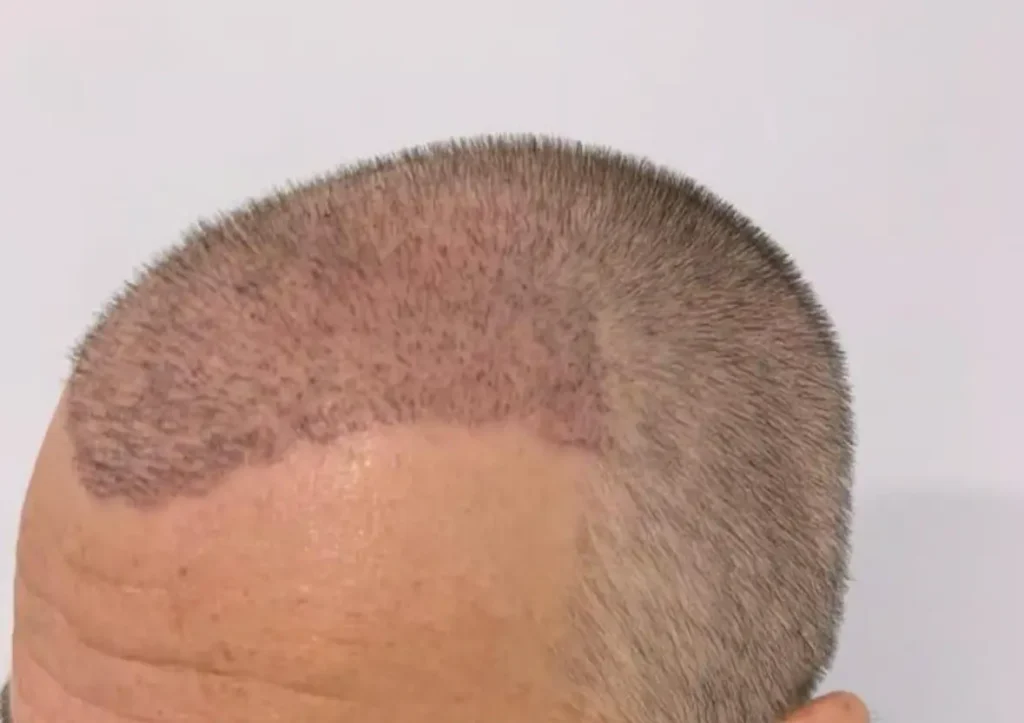
- Frontal area: The front may show earlier visual change because it frames the face and is easier to notice.
- Crown: The crown often takes longer because its swirl pattern and light reflection can make density harder to see.
- Donor zone: The donor area may look more healed while the implanted region still appears sparse.
- Overall recovery: These differences do not always mean something is wrong. Each area has its own healing and growth timeline.
Timeline from Surgery to 12 Months
Recovery usually develops in stages. The timeline can vary, but most patients move through these general phases:
- First month: Healing, scabbing, and shedding are the main focus after surgery. The scalp may still feel sensitive during this period.
- Months two to three: Visible growth is often limited because many follicles remain in a resting phase. The treated area may still look thin or patchy.
- Months four to six: Early strands often become easier to see. They may still look thin, soft, or uneven.
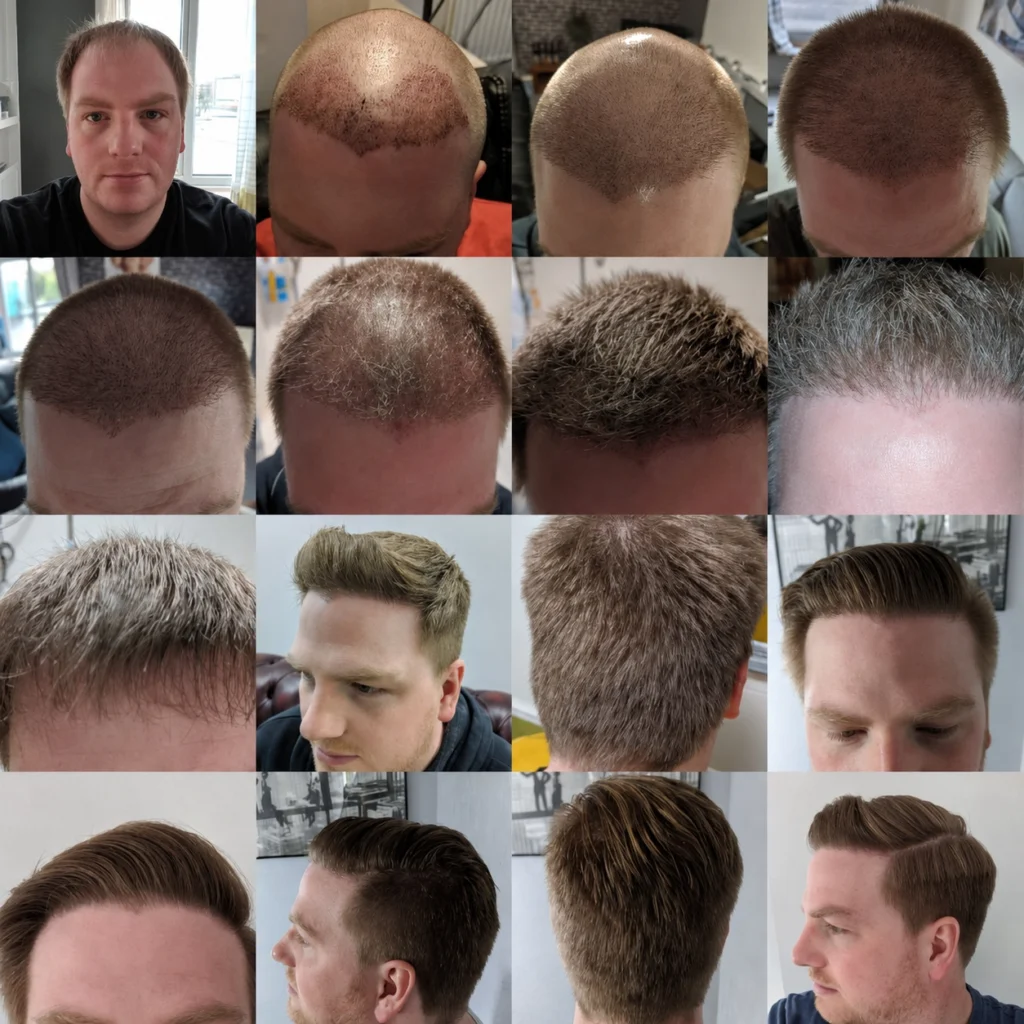
- Months six to 12: Coverage and texture often improve as more strands mature. Many patients see clearer density during this period.
Care and Follow-Up
At the 90-day stage, the scalp may look healed, but the follicles are still developing. Patients should follow their physician’s guidance on washing, styling, medication, and activity. Gentle trimming, light styling, or loose hats may help manage uneven growth, while harsh products or tight hairstyles can irritate the scalp.
Follow-up helps confirm whether healing, donor recovery, early growth, and lingering symptoms match the expected timeline. Patients comparing Mexico, Turkey, or the United States should evaluate physician involvement, clinic oversight, continuity of care, and follow-up planning.
Why Results Vary
No single timeline applies to every patient because healing and growth depend on several factors. Age, donor density, graft count, hair texture, treated area, and ongoing hair loss can all change how progress looks.
A larger procedure may appear slower at first because more space must fill in before density becomes visible. The most useful comparison is the patient’s own month-to-month record, since another patient’s photos may reflect different biology, planning, and recovery.