This context matters because celebrity procedures often get reduced to before-and-after photos, even when the medical process is more complex. FUT, FUE, and DHI can serve different needs depending on donor supply, loss pattern, goals, and long-term planning.
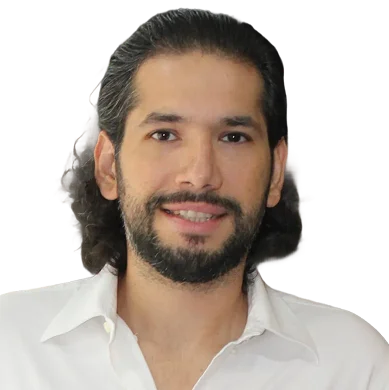
Dr. Antonio Aguilar, a specialist in FUE micrografting and restoration procedures at Hair Transplant Mexico in San Pedro, Monterrey, provides a clinical context for evaluating candidacy, selecting techniques, and follow-up.
Key Takeaways
- Public interest in Dan Soder’s hair transplant stems from podcast comments, online discussions, and before-and-after comparisons; however, public content does not provide full medical details.
- Photos can show visible changes in the hairline or density, but they cannot establish the cause without a clinical context.
- FUE, FUT, and DHI are different restoration methods, and the right approach depends on the donor area, loss pattern, goals, and long-term planning.
- A medical evaluation helps determine candidacy, procedure options, safety considerations, and realistic expectations for recovery.
- Patients comparing clinics should review physician involvement, clinic oversight, follow-up care, and continuity of care before choosing a treatment option.
Did Dan Soder Have a Hair Transplant?
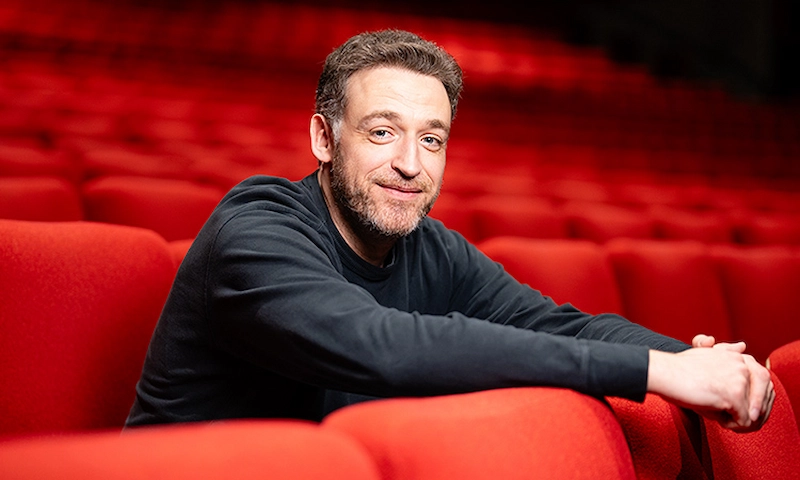
Yes. Dan Soder has publicly discussed undergoing a FUT hair restoration procedure in New York. The public context includes comments related to The Bonfire and a discussion on the Soder Podcast, in which the topic of surgical restoration was addressed.
While this confirms that he has spoken about the procedure, details such as graft count, surgical planning, donor-area condition, and recovery timeline should not be assumed unless he has shared them directly.
What Dan Soder Has Said Publicly
Public comments matter because they give context directly from the person involved. The Soder Podcast has drawn attention because conversations around restoration can make the subject easier to understand.
Matteo Lane is also part of the public discussion because the referenced topic features both comedians discussing their surgical experiences. That context is useful, but it still does not replace medical records or a physician’s evaluation.
What Can Be Confirmed
Readers can confirm public statements, visible changes in appearance, and that restoration is a common topic among public figures. They can also compare how procedures such as FUE (Follicular Unit Extraction) and FUT (Follicular Unit Transplantation) are typically described. They cannot confirm exact graft counts, surgical plans, or medical history from public media alone.
What Cannot Be Assumed
Photos cannot prove the exact method used. A fuller hairline may come from surgery, medication, styling, lighting, or camera angle. This distinction matters because results vary by donor supply, loss pattern, age, and follow-up care.
Dan Soder Before and After Comparisons
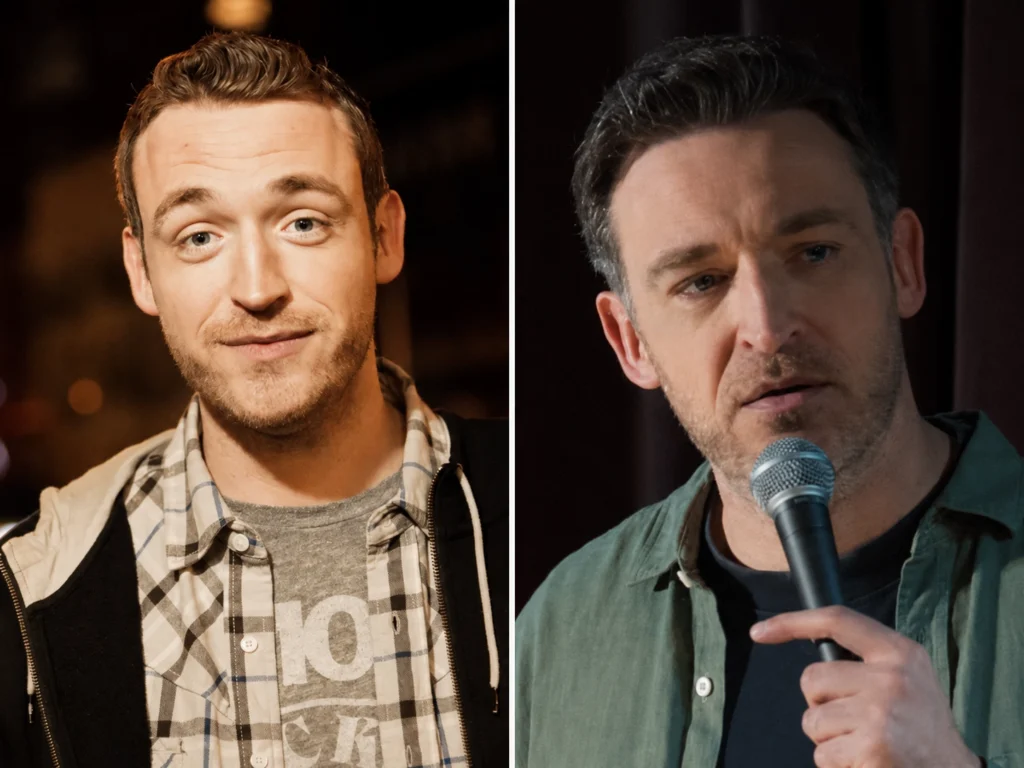
Before-and-after comparisons are common because people want visual proof. Older photos may show a different hairline, density, or styling pattern, but they do not explain the cause. A proper assessment requires a scalp evaluation, a donor-area review, and a medical history.
Dan Soder Pre Hair Transplant Photos
Dan Soder’s pre-hair-transplant photos can provide visual context, but they should remain observational. Lighting, length, camera angle, products, and medication can all affect how a person’s coverage looks. A photo comparison can raise questions, but it cannot replace a medical explanation.
Dan Soder’s Hair Restoration Surgery Context
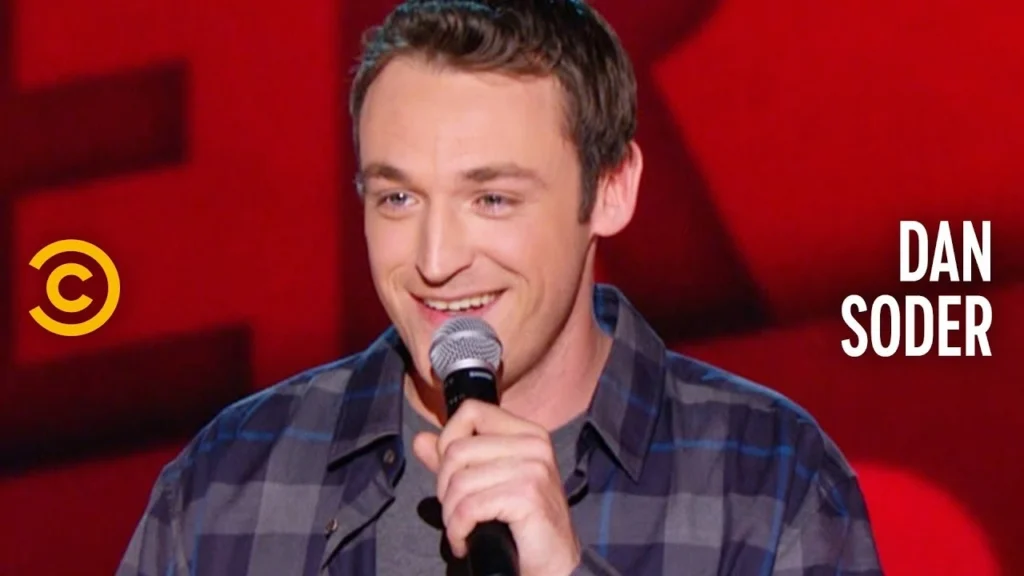
Surgical restoration usually starts with a physician-led evaluation. The doctor reviews the loss pattern, donor density, scalp health, goals, and the risk of future progression. Patients comparing Mexico, Turkey, and the United States often review medical oversight, clinic volume, regulations, follow-up, and continuity of care.
For many international patients, Mexico can be a practical option because it may offer doctor-led care, geographic accessibility, and long-term follow-up at a more balanced cost than treatment in the United States.
FUE, FUT, and DHI Compared
Modern restoration methods can use different approaches to remove, prepare, and place grafts. Each method has a different role during treatment:
- Follicular Unit Extraction (FUE) removes grafts one by one from the donor area, usually from the back or sides of the scalp. It avoids removing a strip of tissue and may be used when a patient wants shorter hairstyles or a less visible donor-area scar pattern.
- Follicular Unit Transplantation (FUT) removes a thin strip of donor tissue, then separates it into individual grafts before placement. It may be considered when a patient needs a larger graft count or when donor-area planning supports this approach.
- Direct Hair Implantation (DHI) is a graft-placement technique that may use an implantation pen. This tool can help control angle, depth, and direction during placement, but the final result still depends on planning, graft quality, and physician oversight.
No single method is automatically better for every patient, and the expected hair transplant density depends on donor availability, graft survival, placement strategy, and long-term planning. The right option depends on donor density, loss pattern, scalp health, goals, and long-term planning.
What Celebrities Have Had Hair Transplants
Confirmed cases usually involve direct interviews, public statements, or medical disclosure by the person involved. Speculation often comes from photos, hairline changes, or social media comments. Similar public discussions can be seen in articles about Daniel Negreanu’s hair transplant, Frankie Muniz’s hair restoration surgery, and CM Punk’s hair transplant. A careful article should explain uncertainty instead of presenting guesses as fact.
Final Takeaway on Dan Soder’s Hair Transplant
The public discussion around the comedian shows why restoration topics need context. Photos and comments may raise questions, but they do not replace medical facts. Readers should focus on confirmed information, procedure education, and professional evaluation. To understand your own candidacy, schedule a free consultation with Hair Transplant Mexico.
The public discussion around the comedian shows why restoration topics need context. Photos and comments may raise questions, but they do not replace medical facts. Readers should focus on confirmed information, procedure education, and professional evaluation. To understand your own candidacy, schedule a free consultation with Hair Transplant Mexico.