Hair cloning is one of the most discussed future treatments because it aims to multiply follicle-producing cells, but it remains under research and is not a standard clinical option. Patients should separate established procedures from early-stage therapies before choosing care.
Hair Transplant Mexico is located in San Pedro, Monterrey, where patients may compare current techniques, treatment viability, and physician-led care.
Key Takeaways
- Modern restoration options include FUE, DHI, no-shave methods, robotic planning, PRP, and low-level laser therapy.
- No single technique fits every patient because candidacy depends on donor density, loss pattern, medical history, and long-term goals.
- FUE and DHI are established modern methods, while cloning, stem cells, and exosomes remain areas of ongoing research.
- Natural-looking outcomes depend on physician planning, graft handling, frontal design, recovery, and structured follow-up.
- Patients comparing Mexico, Turkey, the United States, or other destinations should evaluate medical oversight, physician involvement, safety standards, and continuity of care.
What Is the Most Advanced Technique?
The most advanced technique is usually a physician-led FUE-based approach with precise donor planning, careful extraction, and controlled graft placement. DHI, Sapphire FUE, no-shave FUE, and robotic or AI-assisted tools can support this process, but they are not ideal for every patient.
FUE remains the foundation of modern surgical restoration because it removes individual follicular units through small circular openings. DHI uses implantation pens for controlled placement, while Sapphire FUE uses sapphire blades to create recipient sites.
No-shave FUE and robotic planning may improve discretion and precision in selected cases. A physician still needs to assess donor safety, scalp condition, treatment goals, and long-term planning before choosing the method.
How Modern Restoration Works
Modern care starts with medical evaluation. The physician reviews the cause of thinning, the stage of male pattern baldness, scalp health, donor density, and patient expectations. This step helps determine whether surgery, medication, or another hair loss treatment should come first.
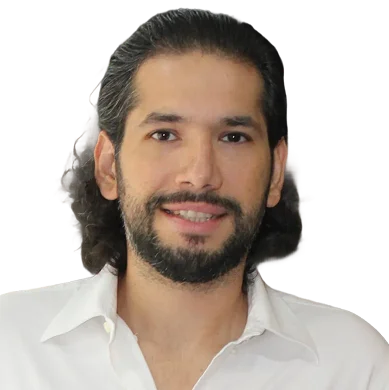
The donor zone usually includes the back and sides of the scalp, where follicles tend to resist androgen-related loss. Dr. Antonio Aguilar may assess whether the patient has enough donor supply to support current and future needs. This assessment helps reduce overharvesting and protects the donor region for long-term planning.
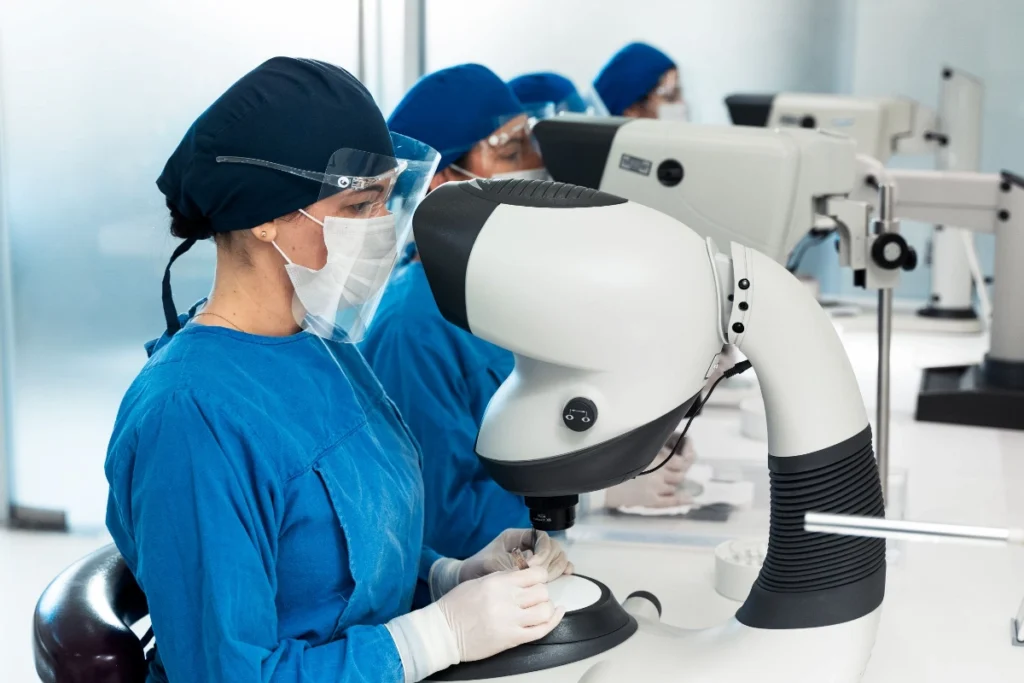
During FUE, follicles are harvested individually and prepared for placement. The physician designs the recipient pattern based on angle, direction, density, and facial proportions. The team then places grafts into thinning areas of the scalp to support a natural hair pattern.
Recovery time usually begins with a short healing phase of 7 to 10 days, during which redness, mild swelling, scabbing, and tenderness are most common. Many patients return to light activity within a few days, but they may need to avoid intense exercise, sun exposure, and scalp friction for longer, so they should follow clear post-transplant care instructions.
Shedding can happen in the first few weeks, and new growth usually appears gradually over 3 to 12 months.
How FUE, DHI, and FUT Compare
FUE, DHI, and FUT (Follicular Unit Transplantation) all move permanent follicles from a donor area to a thinning area. The main differences involve how grafts are placed and removed, and what type of scarring may remain. Patients should compare these options based on medical fit, donor supply, and long-term goals.
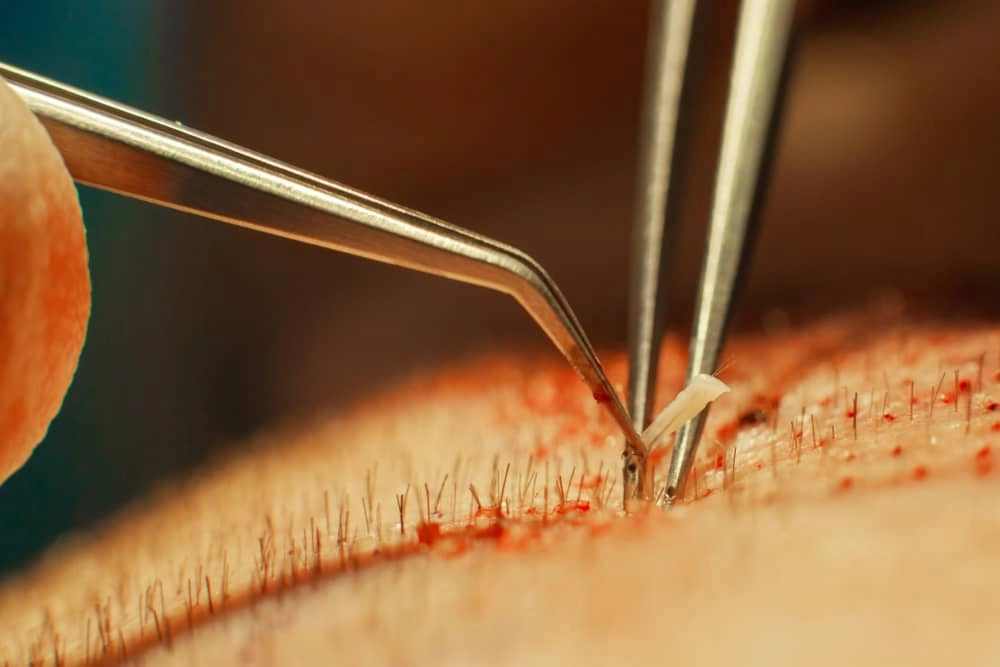
- FUE: The physician removes individual follicular units through small circular openings. This method avoids the longer incision used in FUT, but small dot-like marks can still occur.
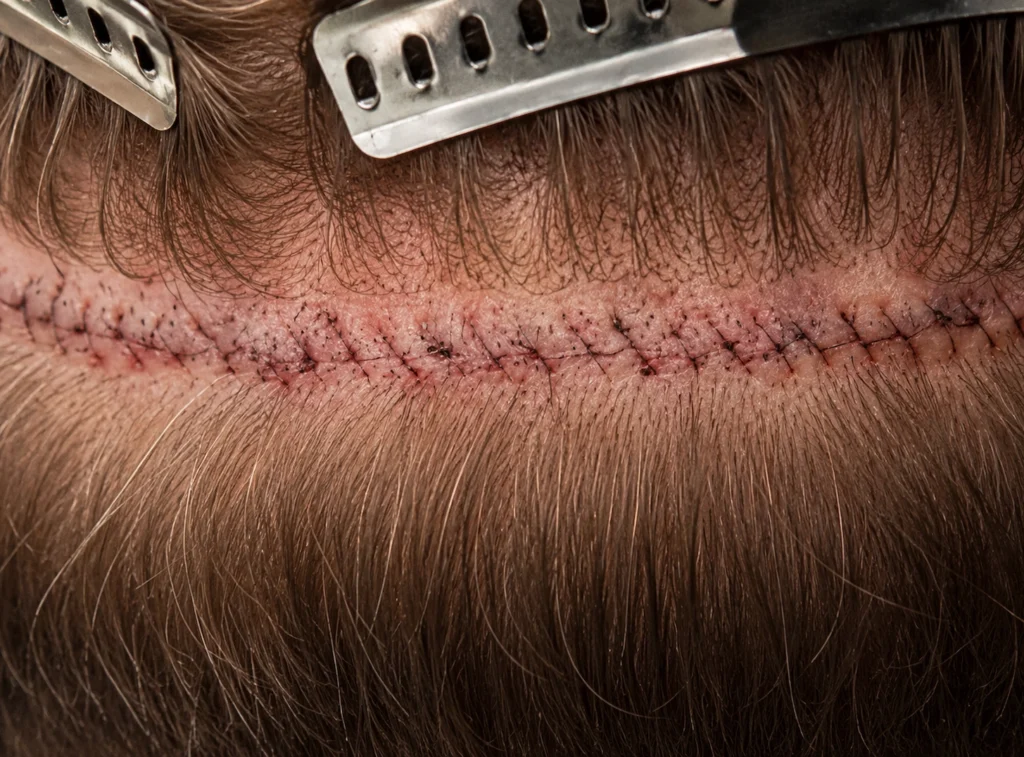
- FUT: The physician removes a strip of tissue from the donor area and separates it into grafts. This method usually leaves a linear scar in the donor area.
- DHI: The physician or trained team uses implantation pens to place grafts after extraction. This method may help with controlled angle, depth, and direction in detailed placement zones.
- Best Fit: The right choice depends on anatomy, graft number, hairstyle, donor supply, and treatment plan. No method is automatically better for every patient.
The Latest Technology in Hair Transplant Support
Supportive therapies may help maintain existing growth or improve scalp health, but they do not replace surgery when follicles are gone.
- PRP: PRP uses blood components to support tissue repair and follicle activity. It may help healing, but it does not replace surgery.
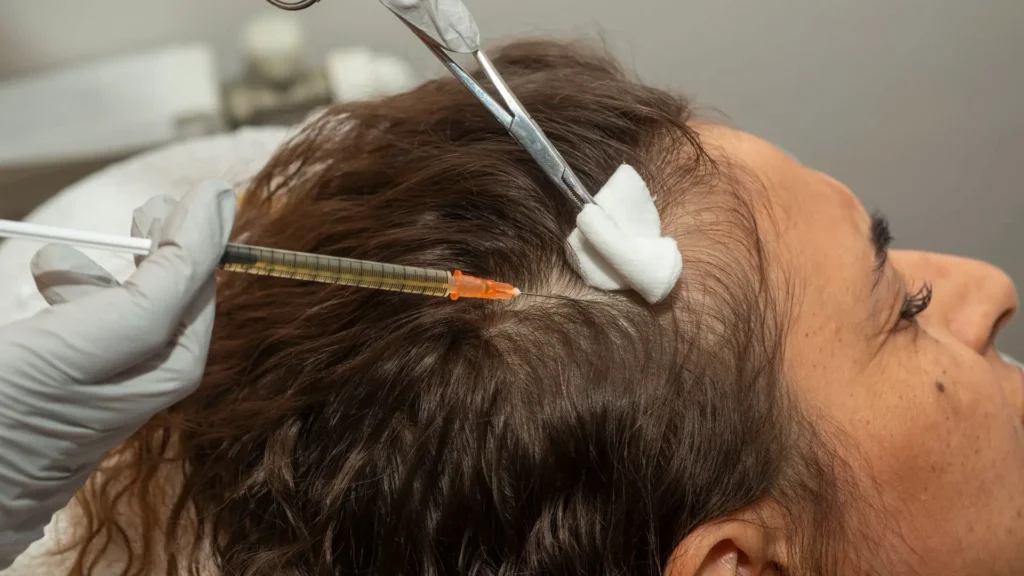
- Low-Level Laser Therapy: Laser therapy may support existing growth in early thinning. Results vary by patient.
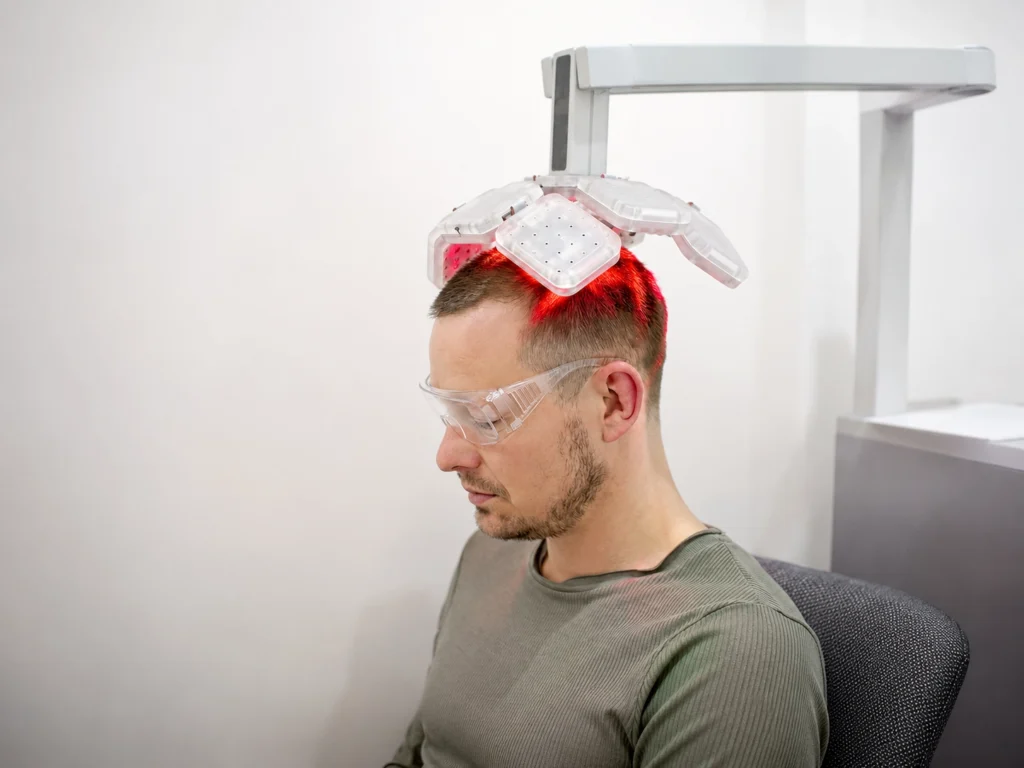
- Medication: Medication can slow progressive loss in selected patients. A physician should explain side effects and long-term use.
- Future Treatments: Hair cloning, stem cells, and exosomes remain cutting-edge areas of research. They need stronger long-term data before becoming standard care.
Areas Treated With Restoration
Surgical restoration can treat several areas of the scalp and face, but each zone has limits. The frontal area needs careful planning because a low or dense design may look unnatural as future loss progresses. The crown often requires multiple grafts because it has a circular growth pattern and can reveal density limits.
Beard and mustache work can fill patchy areas or improve shape. Eyebrow work requires precise angle and direction because brow strands lie flat against the skin. Scar coverage can help camouflage injuries, burns, or prior surgery, but because scar tissue has a different blood supply, graft survival can vary.
Treatment Options in Mexico
Patients compare countries because cost, access, oversight, physician involvement, and follow-up can differ. A lower price does not explain the full value of care, and a higher price does not guarantee better outcomes. Patients should compare the medical model, the doctor’s role, regulatory standards, and continuity of care after surgery.
For many patients, a hair transplant in Monterrey may be the best fit because the city offers private medical care, access to specialists, and structured follow-up in northern Mexico. Hair Transplant Mexico is located in San Pedro, Monterrey, an affluent area with strong access to medical services.
A hair transplant in Cancun may attract patients because of familiarity with travel, while a hair transplant in Tijuana may interest patients because of its proximity to the United States.
Safety and Medical Oversight
A safe surgical plan depends on diagnosis, informed consent, technique, and follow-up. Regulations, clinic oversight, and staffing models vary by country and provider, including in Turkey, the United States, and Mexico, so patients comparing destinations should also review hair transplant safety in Mexico.
Patients should focus on physician involvement, transparency, and continuity rather than judging care by location alone.
Doctor-led procedures matter because the surgeon makes decisions that affect donor safety, design, graft survival, and natural-looking results. Informed consent should explain risks, benefits, limits, alternatives, swelling, shedding, infection risk, poor growth, and visible scarring. Dr. Antonio Aguilar may explain that long-term planning matters because natural hair can continue to thin after surgery.
Before treatment, patients should ask who performs extraction, design, and placement. They should also ask how donor limits are measured, what follow-up is included, and what result is realistic with their current donor supply.
To review candidacy, treatment options, and next steps with a physician-led team, schedule a free consultation.