
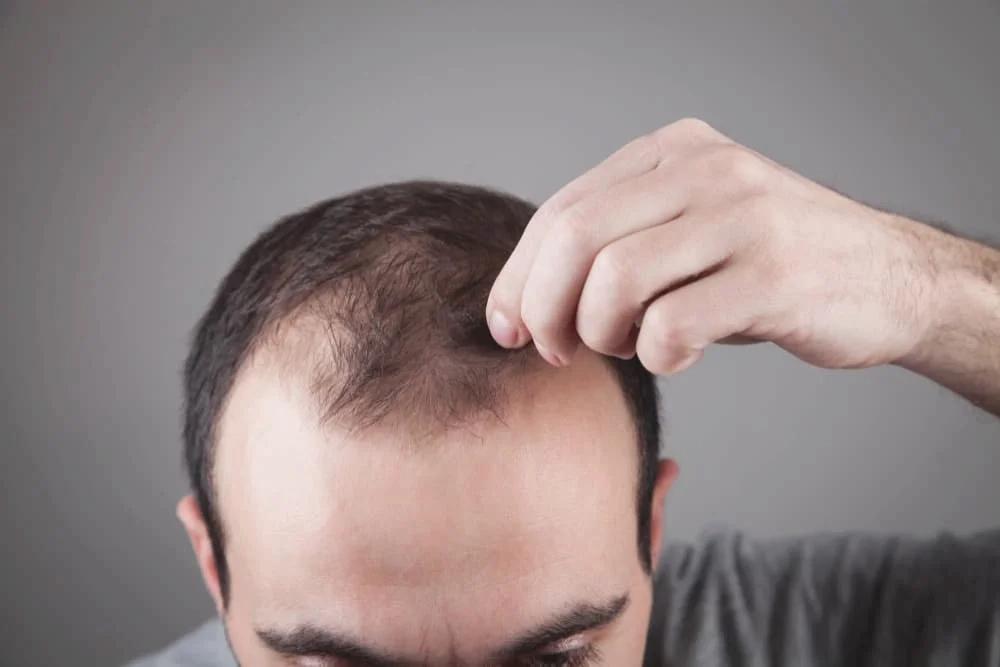
The timeline varies based on healing, scalp health, the number of grafts placed, and ongoing genetic thinning. Most patients begin to see new growth several months after shedding, while final maturation can take a year or longer. At Hair Transplant Mexico in San Pedro, Monterrey, physicians evaluate recovery by reviewing growth patterns, scalp condition, and long-term follicle survival.
Key Takeaways
- Shedding after a hair transplant is often normal and usually means the visible shafts are falling while the follicles remain under the scalp.
- Early fallout can happen during the first few weeks and months as follicles enter a resting phase before new growth begins, which is why post-hair transplant care matters during recovery.
- Thinning after 6 months, 1 year, or longer may involve native density loss, scalp issues, or medical factors that need review.
- Warning signs include sudden heavy shedding, pain, redness, discharge, or patchy thinning that continues to expand.
- A physician can evaluate the donor area, graft count, scalp condition, and growth timeline to identify the cause.
Is It Normal for Shedding to Happen?
Yes, transplanted shafts can fall after a hair transplant procedure. The hair follicles remain under the skin while the visible strands shed. This process does not always mean the hair grafts failed.
Post-surgery shedding often starts within a few weeks. Many patients notice short strands on the pillow, in the shower, or during gentle washing. The key is to watch the timing, pattern, and symptoms around the change.
Why Shedding Happens After Surgery
This procedure moves follicles from the donor area to thinning or bald areas. The scalp responds by healing, controlling inflammation, and altering the growth cycle. Several causes can explain temporary or longer-term fallout.
Normal Shedding
Normal shedding happens when implanted follicles enter the resting phase. The shaft falls, but the follicle can stay active below the skin. New growth often starts later as the cycle resets.
Shock Loss
Shock loss means temporary fallout caused by surgical stress. It can affect transplanted shafts or existing hair near the recipient area. This side effect is usually temporary, but a doctor should evaluate severe or uneven loss.
Native Thinning
Native thinning can continue after surgery if androgenetic alopecia remains active. A transplant adds coverage, but it does not stop all future genetic thinning. This is why medical planning matters before and after treatment.
Scalp or Health Issues
Scalp irritation, infection, inflammation, stress, nutrition, or medication changes can affect recovery. These issues may change the normal timeline. A hair transplant surgeon can review symptoms and decide if treatment is needed.
Shedding Timeline After Surgery
Recovery does not look the same for every patient. Technique, aftercare, baseline thinning, and the number of grafts can affect the timeline. DHI (Direct Hair Implantation), FUE (Follicular Unit Extraction), and FUT (Follicular Unit Transplant) can also involve different healing patterns.
First Three Months
The first three months often include scabbing, redness, shedding, and early resting. Patients should follow post op instructions during this period. Gentle washing, avoiding picking, and protecting the scalp can support hair transplant recovery.
Fallout After 6 Months
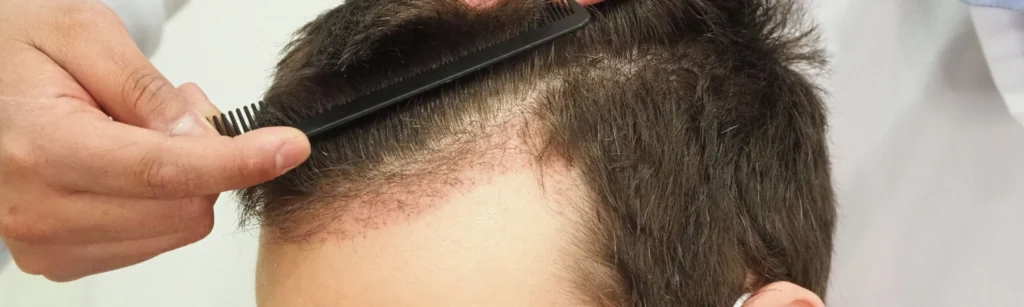
Transplanted hair falling out after 6 months may need context. Some early strands may still be maturing, while surrounding native strands may continue thinning. If shedding increases suddenly, a medical review can help separate normal cycling from a new issue.
Fallout After 8 Months
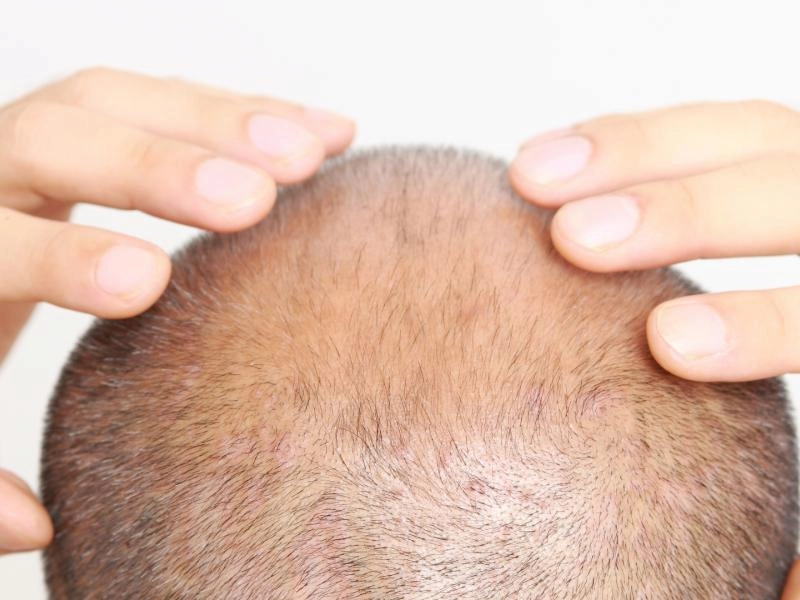
At 8 months, many patients show growth, but density may still be developing. Some uneven areas can improve as follicles mature at different speeds. Patchy loss, pain, or worsening inflammation should not be ignored.
Fallout After 1 Year
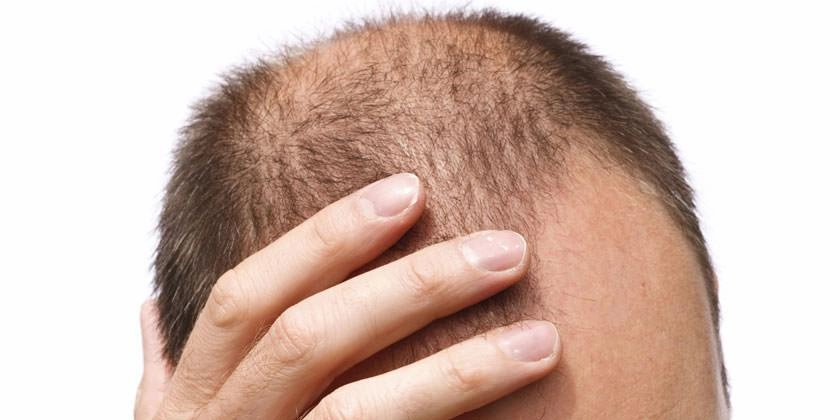
A hair transplant falling out after 1 year is less likely to be routine early shedding. The cause may involve native thinning, scalp disease, medical conditions, or poor graft survival. Photos, scalp exam, and treatment history can help identify the source.
Long-Term Thinning After 2 to 5 Years
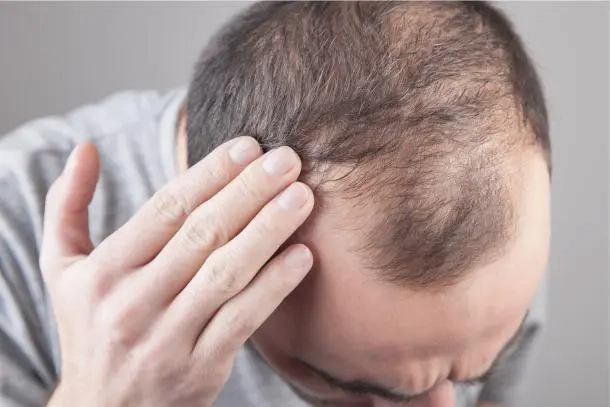
Transplanted hair falling out after 2, 3, or 5 years is not usually part of the normal early shedding phase. It does not always mean the grafts failed, but it does need a closer review. The cause may be continued native thinning around the restored area, scalp inflammation, medication changes, or a medical condition.
A physician should check the scalp, donor planning, and growth pattern to determine whether the change is expected progression or a treatable problem.
Transplanted Grafts vs Native Strands
Transplanted hairs come from the donor area, where follicles tend to resist pattern baldness better. Native hair is the hair that exists around the implanted zone. When shedding occurs, the source matters.
A physician may use magnification, photos, and density checks to compare both types. This helps explain whether the issue involves implanted grafts, surrounding strands, or both. It also guides treatment decisions.
When Shedding Needs Medical Review
Some shedding may fall within the expected recovery window. Other changes need medical attention. Contact a physician if symptoms feel unusual, progressive, or painful.
Watch for:
- Heavy shedding that starts suddenly
- Redness, warmth, swelling, or discharge
- Pain, crusting, or signs of infection
- Patchy thinning that keeps expanding
- Poor growth after expected milestones
How Doctors Evaluate the Cause
Doctors evaluate shedding by reviewing the procedure, graft count, donor area, timeline, and symptoms. They may compare before-and-after photos and check the scalp with magnification. Dr. Antonio Aguilar may also review medical history, medications, and signs of active thinning.
Clinic models vary across regions, so patients often review medical oversight, follow-up, and the question of whether a hair transplant is worth it before choosing treatment. Some use high-volume systems with limited doctor participation, while others place more emphasis on medical oversight and structured follow-up. A doctor-led approach helps connect treatment decisions with patient safety.
How to Support Recovery
Recovery depends on healing, planning, and follow-up. No method can guarantee a specific density or timeline. Patients can still reduce avoidable risks with consistent care.
Follow Aftercare Instructions
Follow the written instructions after the procedure. During the early recovery period:
- Avoid scratching the treated area.
- Do not wash aggressively or use harsh products.
- Avoid heavy sweating until your clinic clears you, and follow your doctor’s guidance on exercise after a hair transplant.
- Protect the scalp from direct trauma or friction.
- Ask the clinic before restarting topical products, medications, or styling routines.
Protect Scalp Health
A healthy scalp supports recovery. Report itching, flakes, pimples, or tenderness if they worsen. Early care can prevent small problems from affecting comfort or healing.
For a clearer review of your shedding timeline, graft growth, or long-term density changes, schedule a free consultation with Hair Transplant Mexico. A physician can assess your scalp, recovery stage, and next steps based on your case.