
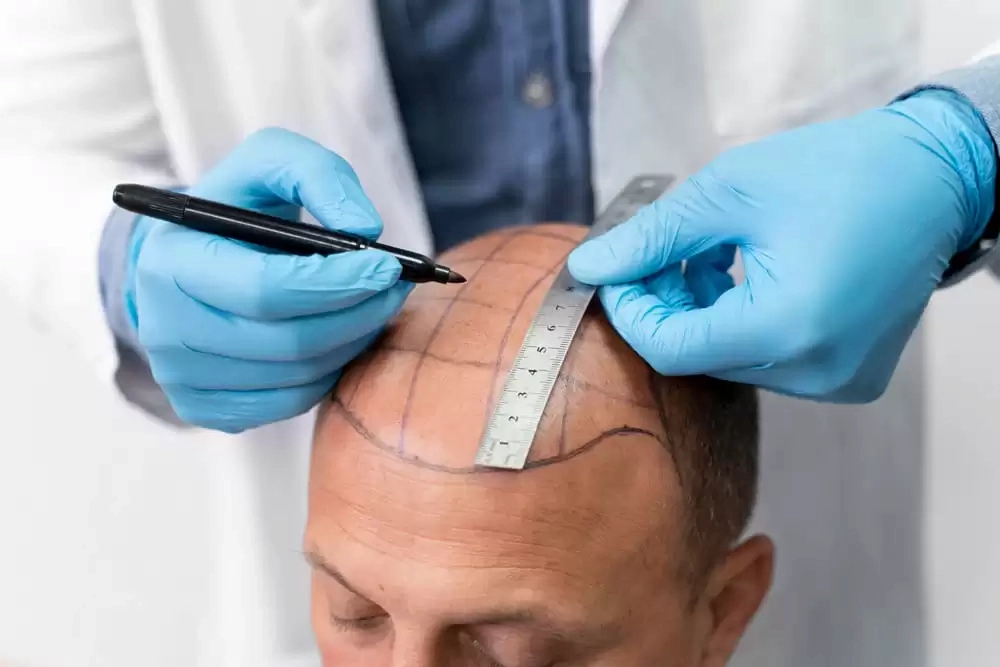
This field covers patient exams, donor planning, graft removal, graft placement, safety steps, and follow-up care. Hair Transplant Mexico is located in San Pedro, Monterrey, Mexico, an affluent area in northern Mexico. Dr. Antonio Aguilar, a physician with 25 years of experience in FUE Micrografting and Hair Restoration, helps show why clear education and doctor oversight matter.
Key Takeaways
- Hair transplant training can include short courses or longer fellowship programs. The right option depends on the learner’s role, license, and goals.
- Independent surgical practice usually requires a medical degree, a valid license, focused procedural education, and appropriate certification when required.
- A full course should teach patient exams, donor planning, graft removal, graft placement, safety steps, and follow-up care.
- Online courses can teach theory, but supervised hands-on training is needed to build judgment and practical skill.
- Before enrolling, medical professionals should check instructor credentials, course format, clinic exposure, certificate meaning, and local scope-of-practice rules.
What This Education Covers
This type of clinical education teaches qualified professionals how modern hair restorations are planned and done. It should explain both the medical and technical aspects of care. Formal programs often cover anatomy, diagnosis, procedure planning, surgical methods, and patient selection.
A credible training course should cover:
- Anatomy and scalp basics
- Hair loss diagnosis
- Donor planning
- Hairline design
- Graft handling
- Aftercare and follow-up
It should also explain the limits of surgery. Results can depend on donor supply, scalp health, age, and future thinning. This helps learners set safe and realistic goals for each patient.

Qualifications and Scope of Practice
Course eligibility depends on the role, local laws, and program type. Some programs accept only doctors. Others include nurses or technicians for support roles.
A certificate does not always give legal permission to perform surgical procedures. Learners should check local rules before they take part in procedures performed in a clinic. This helps protect patients and care teams.
Doctors need more in-depth education because they diagnose patients, develop treatment plans, and guide medical decisions. Nurses may learn patient prep, graft care, and recovery support. Technicians may sort grafts and set up the room, but they should not replace the doctor in diagnosis, planning, or oversight.
Surgical Curriculum and Skills
Hair transplant surgery training should link basic knowledge with clinical judgment. A full program may include patient selection, donor checks, FUE (Follicular Unit Extraction), FUT (Follicular Unit Transplantation), DHI (Direct Hair Implantation), graft placement, sterile workflow, and recovery planning. Advanced training may also include case review, live viewing, practice models, and supervised clinic work.
A practical course may start with anatomy, consult basics, and donor area planning. It may then move into graft removal and graft placement. Hands-on training helps learners see how angle, direction, density, and spacing affect natural-looking coverage.
Supervision matters because small choices can affect healing, growth, and safety. A skilled trainer can guide technique and explain when a patient needs a medical review. This support helps learners connect skills, planning, and safe care.

Online Learning and Certification
Online courses can teach theory, key terms, case review, and basic workflow. They can also help learners compare programs in Mexico, Turkey, the United States, or other regions. Useful points to compare include doctor oversight, clinic rules, case volume, and follow-up systems.
Remote learning can build knowledge, but it cannot prove that a learner can safely work on a patient. Certification depends on the country, license, and board or group that grants it. Some paths may require proof of education, case experience, written exams, oral exams, and work history.
A certificate may show that a person finished a course. It does not always prove surgical skill, board certification, or legal scope of practice. Learners should know what each credential means before they use it.
How to Compare Programs
A safe comparison should look beyond course price or location. Medical professionals should review teacher credentials, course depth, clinic exposure, supervision, safety standards, and the program’s track record with previous patients. Strong programs explain both technique and duty, including when a patient needs a medical exam before surgery.
Schedule a free consultation to review your case, ask about doctor oversight, and understand whether a procedure is appropriate for your goals.