
A similar treatment plan cannot be based solely on celebrity photos or graft numbers, as donor density, loss pattern, scalp health, and treatment goals vary among patients. Hair Transplant Mexico, located in San Pedro, Monterrey, approaches these factors through physician-led evaluation and individualized surgical planning. Recovery and long-term results also depend on medical oversight, graft handling, postoperative care, and continued follow-up.
Key Takeaways
- DJ Fisher reportedly underwent a restoration procedure involving 8,369 grafts, a very high number that is not suitable or necessary for every patient.
- His before-and-after change shows how graft placement, donor supply, follicle characteristics, and healing time can affect visible density and coverage.
- FUE and DHI are established approaches in modern restoration, but the right choice depends on anatomy, goals, and medical evaluation.
- Treatment cost varies by graft count, physician involvement, location, clinic model, and follow-up care, so price alone does not reflect quality.
- Results and recovery vary among patients, so donor-area assessment, medical oversight, realistic expectations, and structured follow-up are important parts of the planning process.
Did Fisher Get a Hair Transplant?
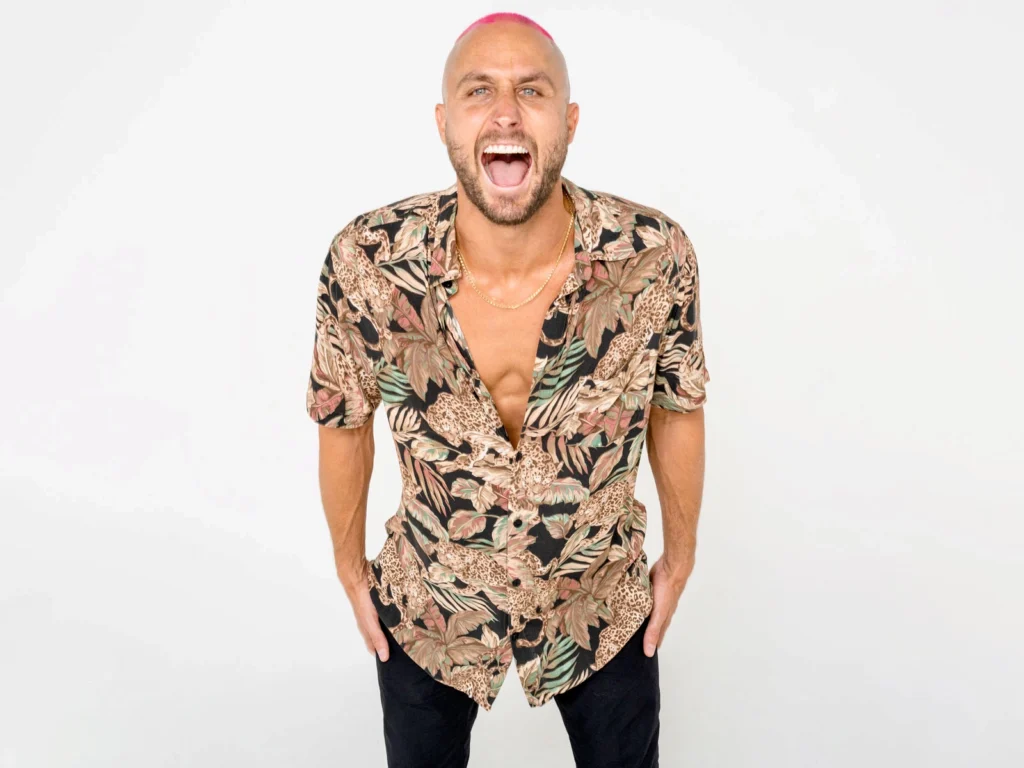
Yes. DJ Fisher revealed a fuller hairstyle after years of appearing bald or closely shaved, and published reports linked the change to surgical restoration. Before the reveal, he was often seen wearing a bucket hat, which increased public interest in his changing appearance.
Fisher’s Reported 8,369 Grafts
Published reports state that DJ Fisher received 8,369 grafts, with Brisbane physician Dr. Rukshan Senanayake identified as the treating doctor according to published coverage of his procedure. This is a very large reported graft count and should not be used as a target for other patients. One graft may contain more than one follicular unit.
Fisher Hair Transplant Before and After
Changes in Hairline and Density
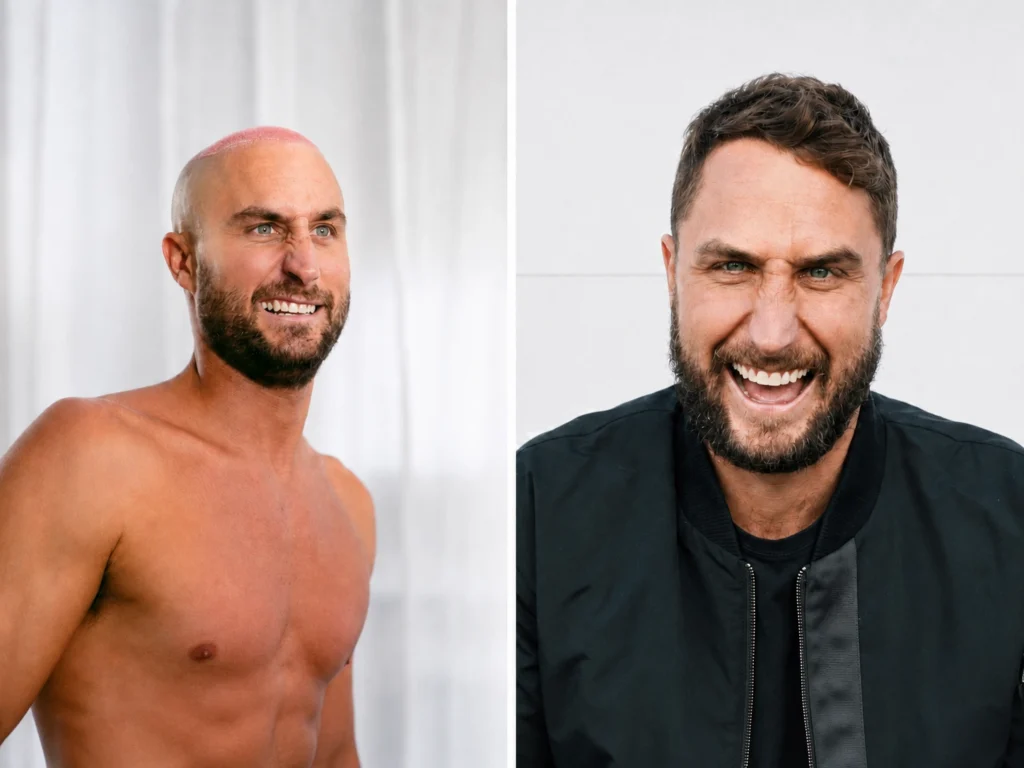
Before treatment, he had a bald appearance; later images showed more frontal coverage and greater density. The result created the appearance of a fuller head of hair. Photos still have limits because lighting, styling, length, and camera angle can change how coverage looks.
When Hair Transplant Results Appear
Visible growth does not appear immediately after surgery. Transplanted follicles may shed before new growth develops over several months, and maturation can continue for a year or longer. Recovery varies with graft handling, scalp health, procedure size, post-transplant care, and follow-up.
How Does a Hair Transplant Work?
FUE and DHI Techniques
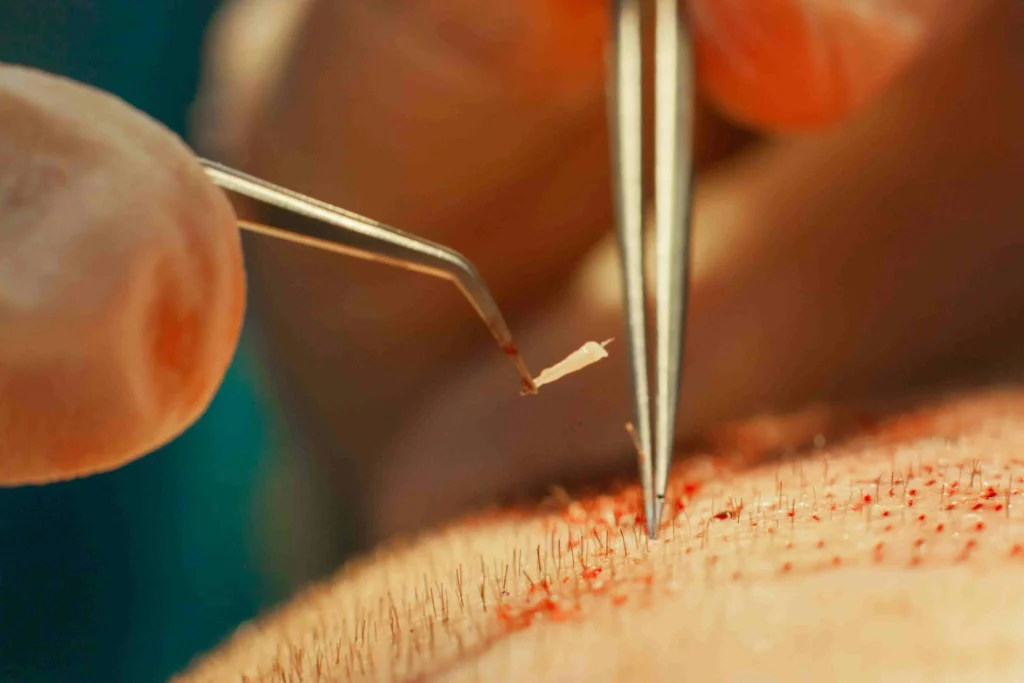
FUE (follicular unit extraction) removes individual follicular units from the donor area and transfers them to areas affected by hair loss. DHI (direct hair implantation) usually refers to graft placement with an implanter pen, often after FUE harvesting, rather than a separate harvesting method. Both require careful planning and medical oversight.
How Hair Grafts Are Transplanted
A typical hair transplant procedure includes:
- Medical evaluation and treatment planning
- Follicular unit extraction
- Recipient-site preparation
- Graft placement with forceps or an implanter
- Postoperative care and structured follow-up
Physician involvement matters because this is a surgical procedure. Rules governing physician and technician roles vary by country. Patients comparing Mexico, the United States, Turkey, or other destinations should review medical oversight, clinic supervision, informed consent, and continuity of care.
Understanding Fisher’s Graft Count
What 8,369 Grafts Means
An 8,369-graft figure describes follicular units moved, not individual strands or treatment quality. Final coverage also depends on hairs per graft, existing growth, scalp characteristics, and the size of the recipient area. A higher number only makes sense when the donor supply can support it.
Why Graft Counts Vary
Two people with similar hair loss may require different numbers of grafts. Doctors assess donor density, follicle quality, strand caliber, age, loss pattern, and expected future thinning. Excessive harvesting can reduce donor-area density, so planning must account for long-term needs.
Fisher Hair Transplant Cost
How Much Do 3,000 Grafts Cost?
No reliable public figure confirms what Fisher paid. Hair Transplant Mexico lists single-area FUE treatment, such as the crown or hairline, at approximately $4,500 to $8,000, while a full FUE hair transplant ranges from about $6,000 to $10,000. The final cost for 3,000 grafts depends on the treatment area, physician assessment, procedure complexity, and individual surgical plan.
What Affects Hair Transplant Costs?
Cost can reflect graft count, physician involvement, operating time, anesthesia, facility fees, medications, follow-up, and travel. Patients often compare countries because prices, regulatory standards, clinic oversight, and follow-up models differ. In Mexico, assess value alongside physician credentials, medical supervision, and access to follow-up care.
Can Everyone Get 8,369 Grafts?
Donor Hair Sets the Limit
No. Every patient has a limited donor area, and safe harvesting depends on donor density, follicular characteristics, prior surgery, and future hair loss. A physician must estimate how many grafts can be removed while preserving acceptable donor coverage.
Results Vary Between Patients
His result should not become a benchmark for another person’s hair restoration journey. Healing, growth, density, scarring, and long-term appearance vary, even when similar advanced techniques are used. Medical evaluation, informed consent, realistic expectations, and structured follow-up help patients understand those limits.
If you are considering a hair transplant in Mexico, schedule a consultation with Hair Transplant Mexico to review your donor area, hair loss pattern, graft needs, and treatment options with a physician.