Hair Transplant Mexico is located in San Pedro Garza García, Monterrey. The clinic uses cases like this for education because each patient needs a full exam and a personal plan. A celebrity result cannot predict what another person will achieve.
Key Takeaways
- Deion Sanders had a No-Shave FUE procedure at RESTORE Hair in 2017 after seeing Brian Urlacher’s results.
- RESTORE reports that Dr. James Harris led the treatment and that 7,352 grafts were used. Public sources do not confirm whether this happened in a single session.
- Photos show a stronger front frame and more coverage. They cannot confirm graft survival, final density, or long-term growth.
- FUE can work for Afro-textured follicles, but curved roots need careful removal and doctor-led planning.
- Results depend on the diagnosis, donor supply, surgical plan, healing, follow-up, and future loss.
Did Deion Sanders Have a Hair Transplant?
Yes. He and RESTORE have both discussed the procedure in public. The clinic lists him as an FUE (Follicular Unit Extraction) patient and has shared videos, photos, and treatment details.
Public sources do not show his full medical record. They do not confirm donor density, graft survival rate, exact cost, or number of sessions. Images alone cannot answer these questions.
His Hair Loss and Restoration
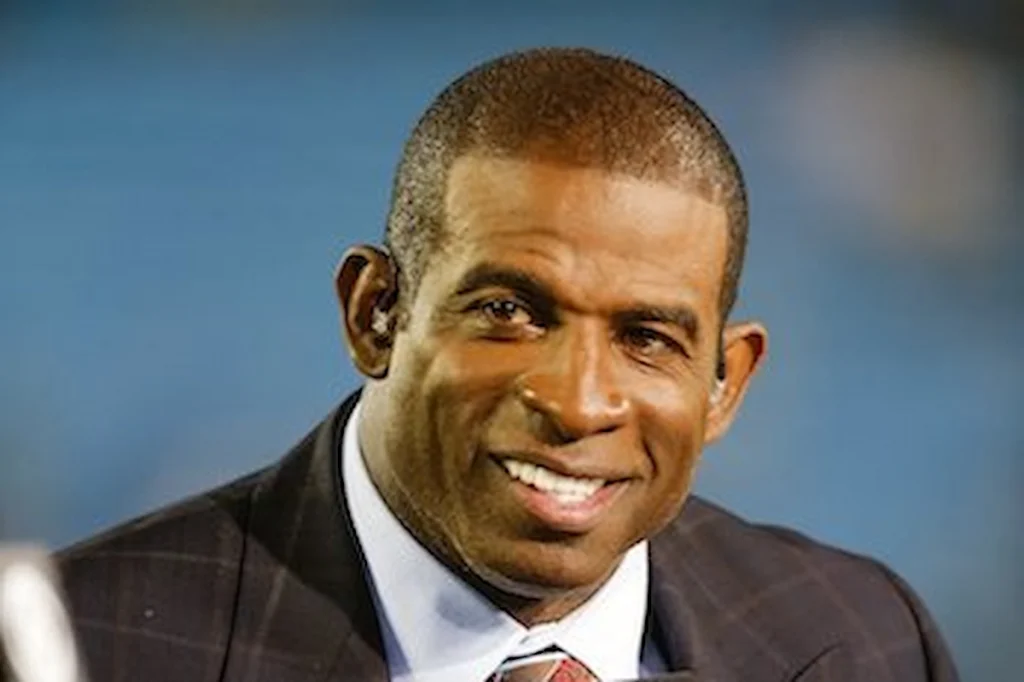
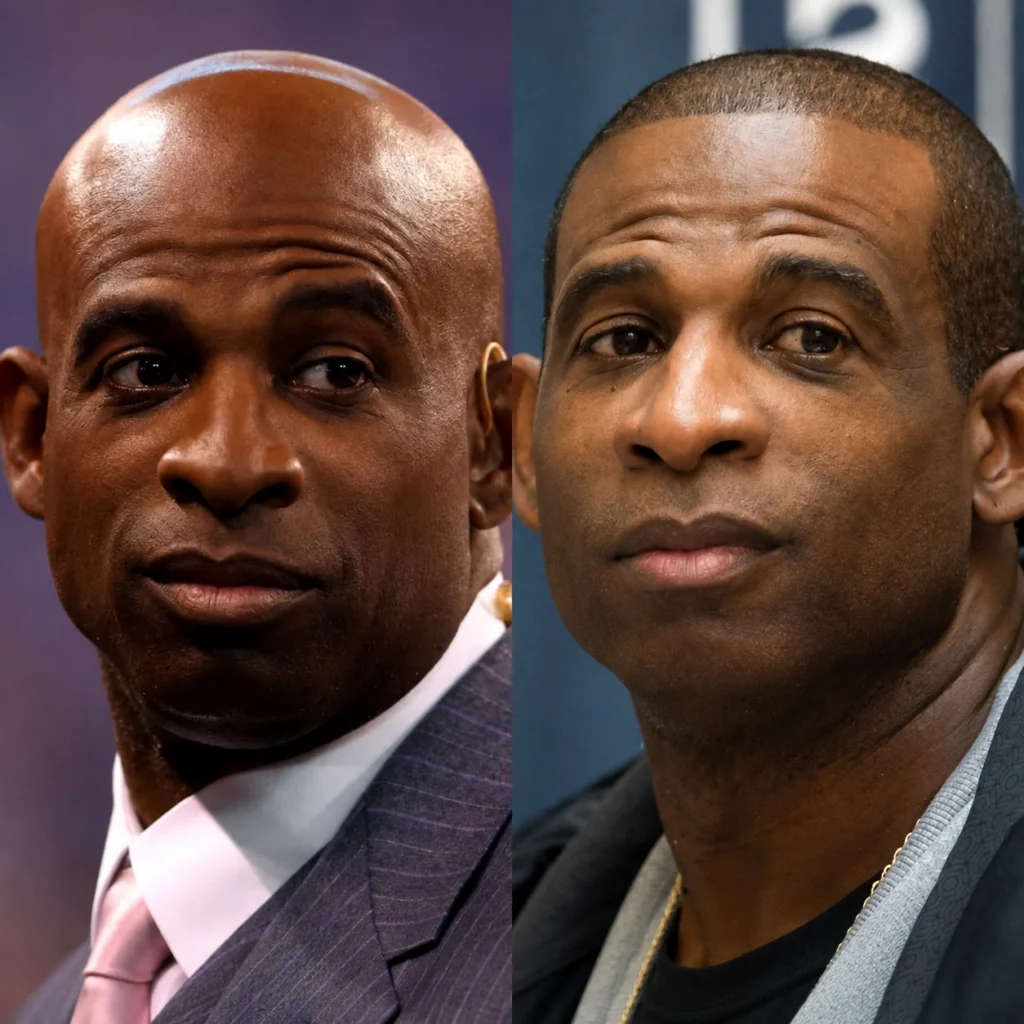
Older photos show him with fuller, curly styles. Later images show shorter cuts and a shaved scalp as coverage became thinner. The pattern may resemble male pattern hair loss, but only a doctor can confirm the cause.
Brian Urlacher reportedly influenced his choice to seek treatment. His story reflects a wider trend among celebrities and athletes who discuss restoration procedures. Personal interest alone does not make someone a good candidate.
His FUE Procedure
How FUE Works
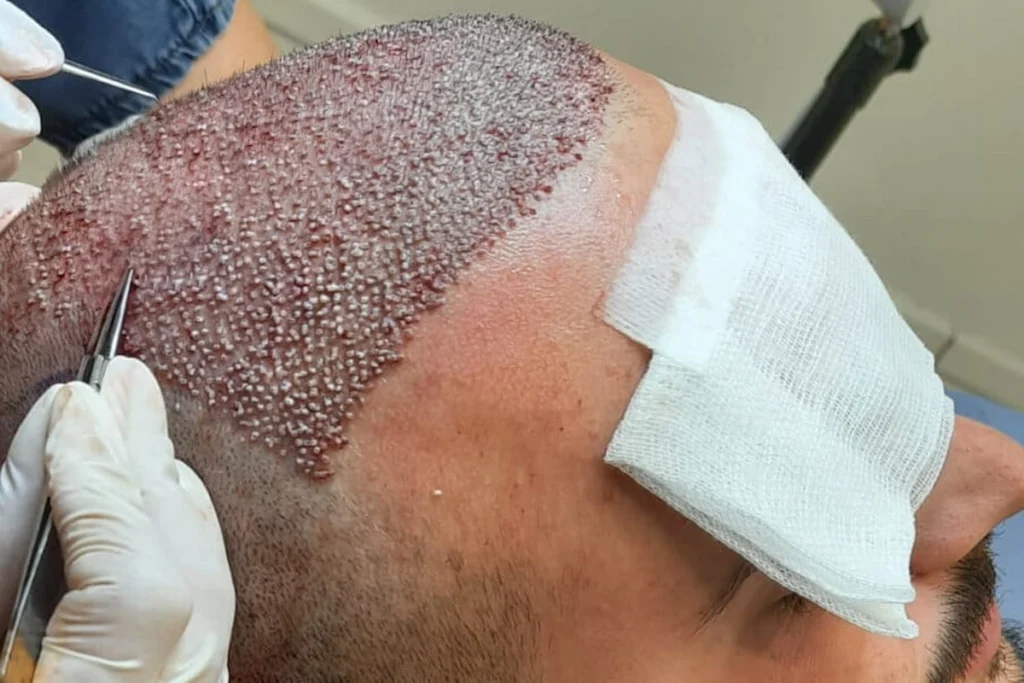
A FUE hair transplant removes each follicular unit from the donor area. The grafts are then placed into small sites in the thin region. Full-shave FUE trims most of the donor area, while No-Shave FUE leaves more visible length.
The FUE procedure still requires medical planning and clean surgical steps. The team must also handle each graft with care. Poor handling can lower survival.
DHI (Direct Hair Implantation) may use an implant pen to place grafts after removal. The tool may help control angle, depth, and placement. It does not replace the doctor’s skill or the need for a sound plan.
Deion Sanders hair plugs
This phrase appears in online searches, but it does not match the method reported by RESTORE. Older plugs used large groups of follicles and could create thick, uneven tufts.
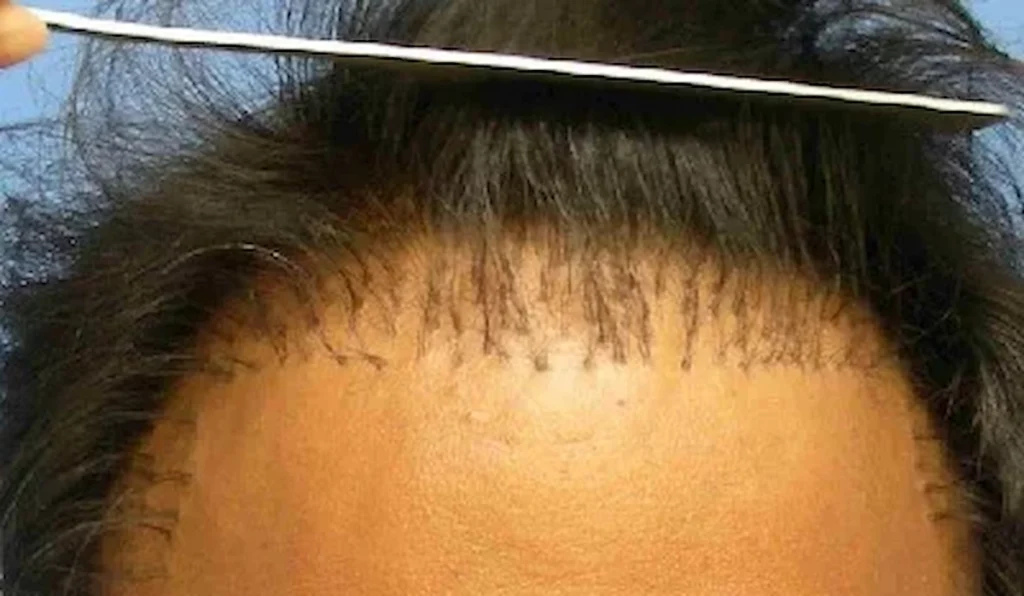
Modern FUE uses smaller grafts. This gives the doctor more control over spacing and direction. The goal is to create more natural-looking results.
How Many Grafts Were Used?
RESTORE reports a total of 7,352 grafts. One graft may hold one strand or several strands. This means the graft count is not the same as the total number of individual hairs.
The number also does not prove final density or survival. Large cases need careful donor planning. The doctor must avoid taking too much from the back and sides.
Who Performed the Procedure?
RESTORE names Dr. James Harris as the physician behind the surgery. Trained staff may also help with graft care and placement. Patients should ask who performs each medical and surgical step.
Public pages confirm RESTORE as the provider. They do not clearly state the exact treatment site on the main results page. Any claim about the location should remain limited to what public sources confirm.
What Did the Procedure Cost?
The exact fee has not been made public. A graft count does not show the final price, especially when a public figure may have a special agreement. Any estimate should stay general and should not be presented as the amount he paid.
In the United States, 3,000 grafts often cost five figures. There is no fixed national rate. Clinics may charge by graft, session, or full treatment plan.
Hair Transplant Mexico lists the following starting price ranges:
- Single-area FUE for the crown or hairline: $4,500 to $8,000
- Full FUE procedure: $6,000 to $10,000
Cost can depend on:
- The number of grafts
- Donor quality
- FUE, DHI, or No-Shave FUE
- Doctor and staff fees
- Medicine, travel, and follow-up
- One session or several sessions
A medical evaluation is still needed before a final price can be provided. The treatment area, donor supply, expected graft count, and complexity of the plan can change the total cost. A lower price should not replace proper medical oversight or long-term planning.
Before-and-After Changes
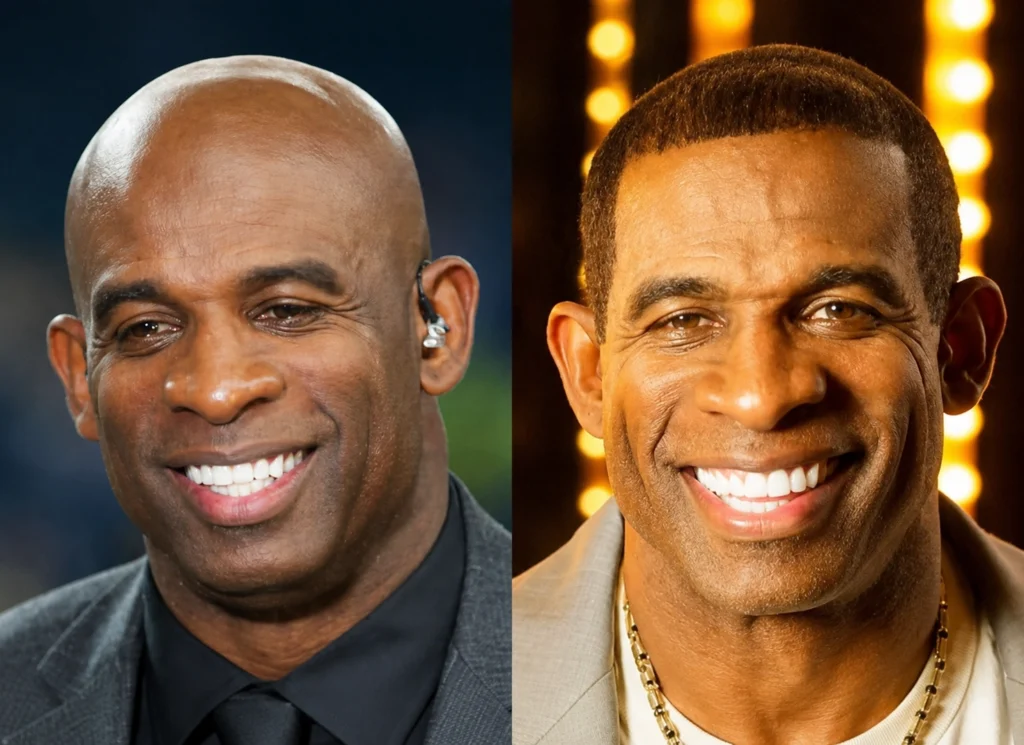
Photos show a stronger front frame and more coverage on the upper scalp. These visible changes support the reported hair transplant results. They do not show scalp health or the survival of each graft.
Light, camera angle, length, and styling can change how thick the result looks. Good photo reviews use the same light, angle, and length. Even then, an image cannot replace a medical exam.
Curly Follicles and FUE
African American patients may have follicles that curve under the skin. The visible strand may point one way, while the root curves in another direction. This can make graft removal more difficult and may increase the risk of cutting the follicle.
A doctor may test a few grafts before a large session. The team may also change the tool size or removal angle. These steps can help protect the grafts.
Curly strands may provide wider visual coverage. The doctor must still plan the angle, spacing, and density of each graft. The donor area must also have enough safe follicles to support the plan.
Who Is a Candidate for FUE?
A good candidate usually has a clear diagnosis and enough donor supply. The scalp should be healthy, and the patient should have realistic goals. Age, texture, medical history, and future loss also affect the plan.
Dr. Antonio Aguilar reviews these points when he assesses patients at Hair Transplant Mexico. FUE may not be a good fit when the donor area is too thin or when hair loss is still progressing rapidly. Some scalp diseases must be treated before surgery.
Recovery, Results, and Risks
Redness, swelling, crusting, soreness, and short-term shedding may happen after surgery. Following a clear post-hair transplant care plan can help protect the grafts and support healing during the first days and weeks. New growth often starts over the next few months. Coverage may become thicker during the first year.
The crown may take longer to develop than the front. Transplanted follicles may last for many years, but nearby natural strands can still thin. Some patients may need medicine, follow-up care, or another session.
Possible risks include infection, numbness, weak growth, cysts, scars, an uneven pattern, and donor thinning. Good planning and follow-up can lower some risks. No clinic can promise the same result for every patient.
Questions to Ask a Clinic
- Which doctor will diagnose my condition?
- Who will remove and place the grafts?
- Is my donor area strong enough?
- What risks apply to my scalp and texture?
- What follow-up work will I need to do after I return home?
- Does the price include medicine and reviews?
Clear answers help patients compare safety, staffing, follow-up, and total cost. A low price does not always mean a sound medical plan. International patients should know who will help if a problem starts after they travel home.
Schedule a Consultation
A medical consultation can help confirm your candidacy, review your donor area, and estimate how many grafts you may need. Schedule a free consultation with Hair Transplant Mexico to discuss your options, expected results, and treatment cost.