A no-shave hair transplant can work well for patients with sufficient donor density, adequate length, and mild-to-moderate coverage goals. It may not fit for larger sessions or advanced thinning, as the surgeon needs clear access to protect graft quality and donor safety.
At Hair Transplant Mexico in San Pedro, Monterrey, Mexico, Dr. Antonio Aguilar evaluates the donor area, recipient areas, loss pattern, and long-term restoration plan.
Key Takeaways
- This procedure can be possible for selected patients, but small hidden donor sections may still need trimming.
- No-Shave FUE and DHI can reduce visible downtime, but candidacy depends on donor density, length, graft needs, and loss pattern.
- Results can be effective when graft handling, placement, and donor planning are done carefully, but outcomes vary by patient.
- Recovery may include redness, scabbing, soreness, and temporary shedding before new growth becomes visible over several months.
- Cost depends on graft count, procedure time, surgical complexity, follow-up care, and travel needs when considering treatment in Mexico.
What Is a No-Shave Hair Transplant?
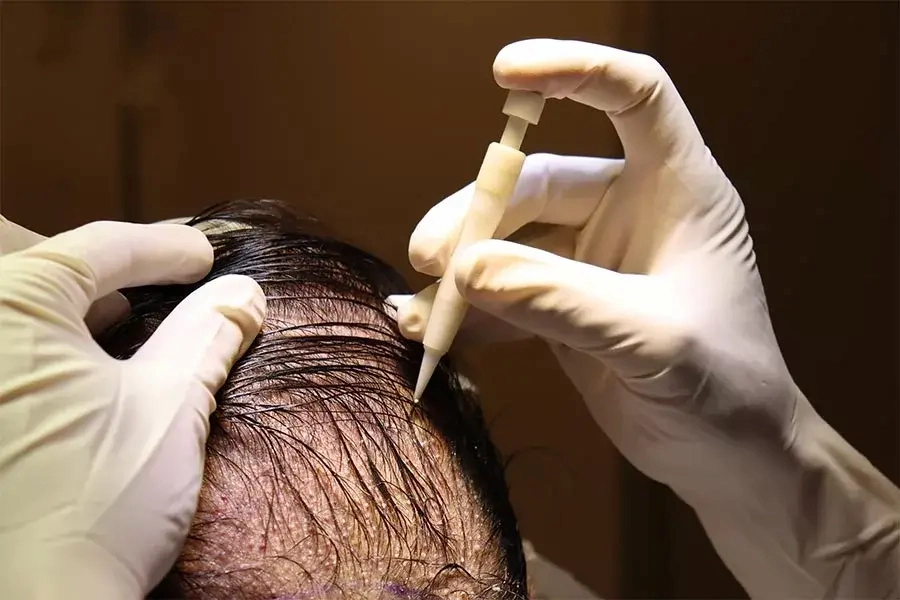
This option changes how the donor area gets prepared before hair restoration surgery. In Follicular Unit Extraction (FUE), the physician removes individual hair follicles from the donor zone and places them into thinning or bald areas. Some patients do not need to shave their head, while others need small hidden areas trimmed for safe extraction.
Does “Without Shaving” Mean No Hair Is Cut?
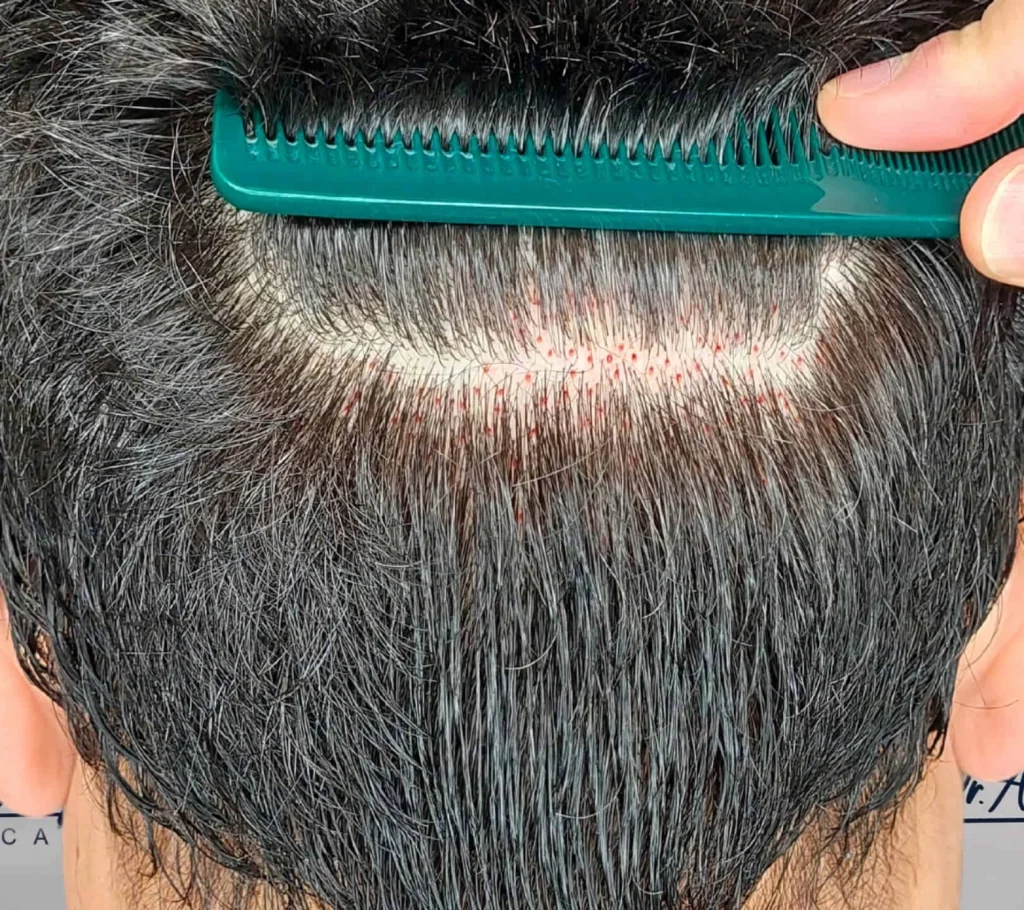
A procedure without full shaving does not always mean that no strands are trimmed. In many cases, the physician cuts small donor sections under longer surrounding coverage so follicular units can be removed safely. This helps protect accuracy while reducing visible signs of the procedure.
No-Shave FUE Explained
This approach uses the same basic principles as the FUE method. The goal is to keep enough surrounding length to hide signs of early healing. This hair transplantation method may help patients who want less visible downtime after the procedure.
Is This Approach Effective?
This method can be effective when the patient has the right donor density, length, and treatment goal. Transplanted hair can grow like other grafts when the team handles the follicles correctly. Results still depend on planning, graft survival, healing, and long-term hair growth.
Traditional hair transplants often require shaving the head or trimming a larger donor zone. A limited-trim approach can reduce visible change but may take longer and limit the number of grafts. Large areas of advanced loss may need standard preparation for better visibility and safer placement.
Who Is a Good Candidate?
A good candidate usually has enough donor density and enough length to cover small trimmed areas. Mild-to-moderate loss may fit this approach better than widespread thinning. Texture, curl, thickness, and contrast with the scalp also affect visibility.
Candidacy depends on more than a preference to avoid visible shaving. A physician must evaluate donor supply, scalp condition, graft needs, and the risk of future loss. Patients with very short hair lengths, low donor density, or large coverage goals may need a different plan.
How the Procedure Works
Donor Area Access
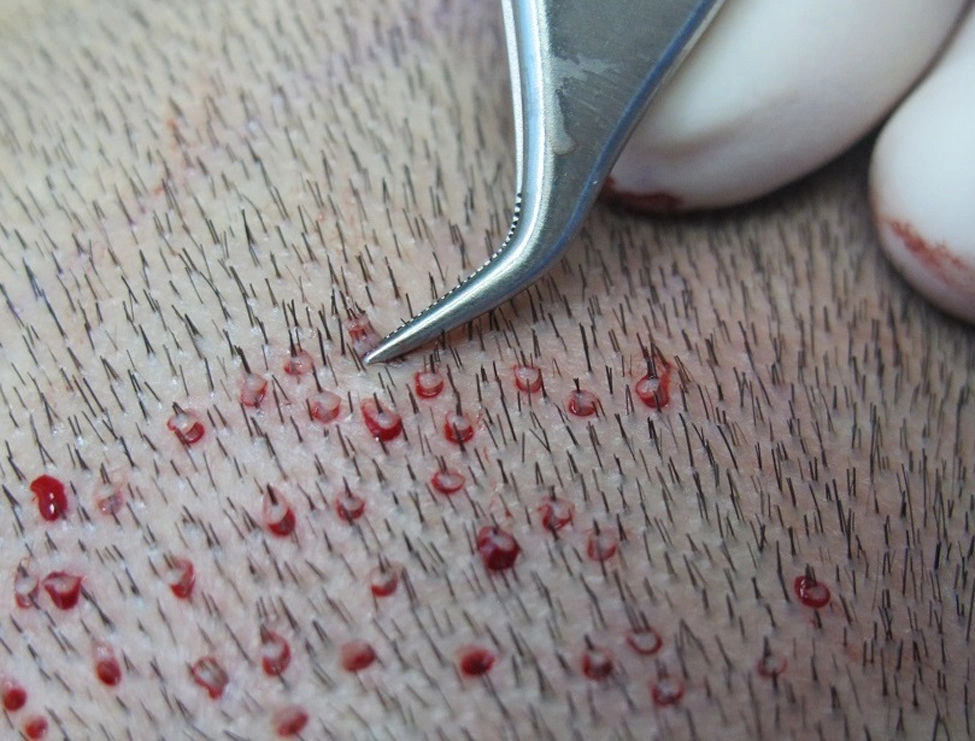
The physician identifies the donor zone and trims only the small sections needed for safe extraction. Longer surrounding coverage may stay in place to help conceal the area.
Follicle Extraction
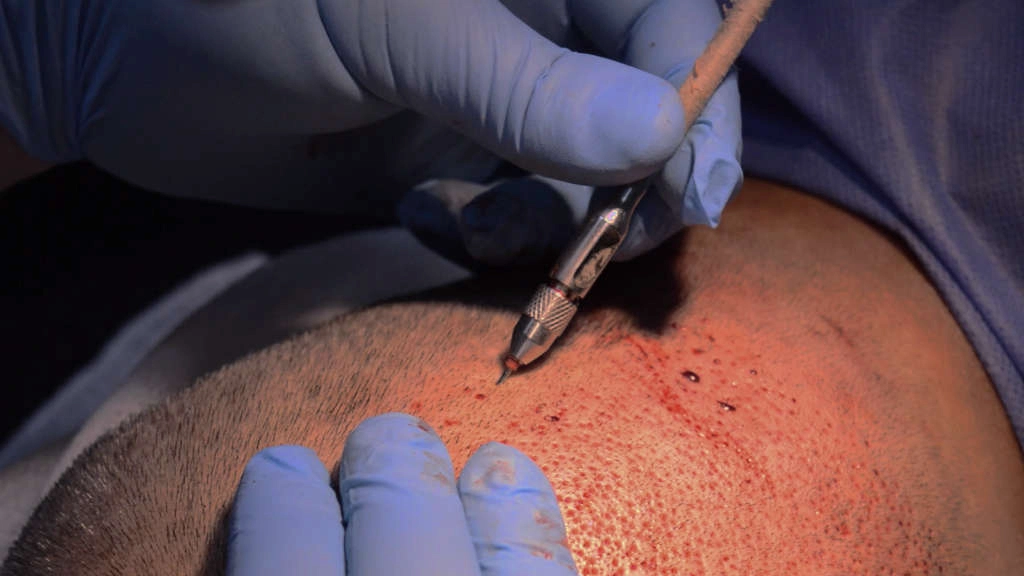
During the FUE procedure, the team removes individual hair follicles from the selected donor area. Each graft must be handled carefully to protect its structure.
Graft Preparation
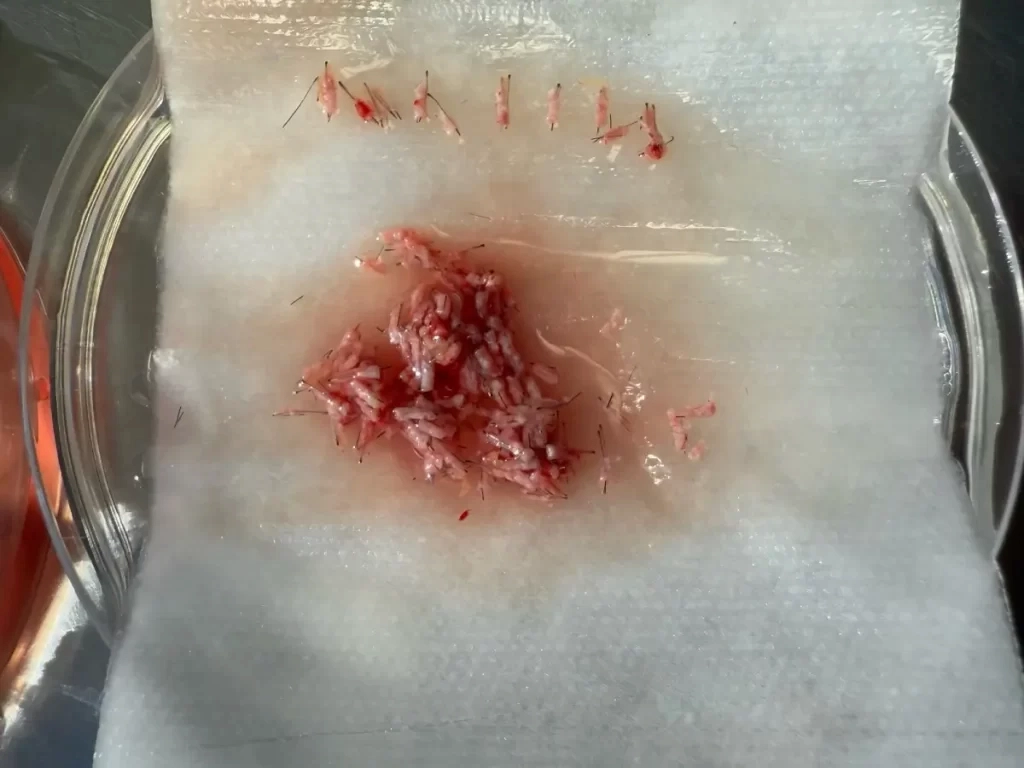
The extracted follicular units are inspected and prepared prior to placement. This step helps organize grafts by size and planned location.
Recipient Site Planning
The physician defines the recipient areas based on density goals, direction, angle, and natural growth pattern. This planning helps the final result blend with surrounding strands.
Graft Placement
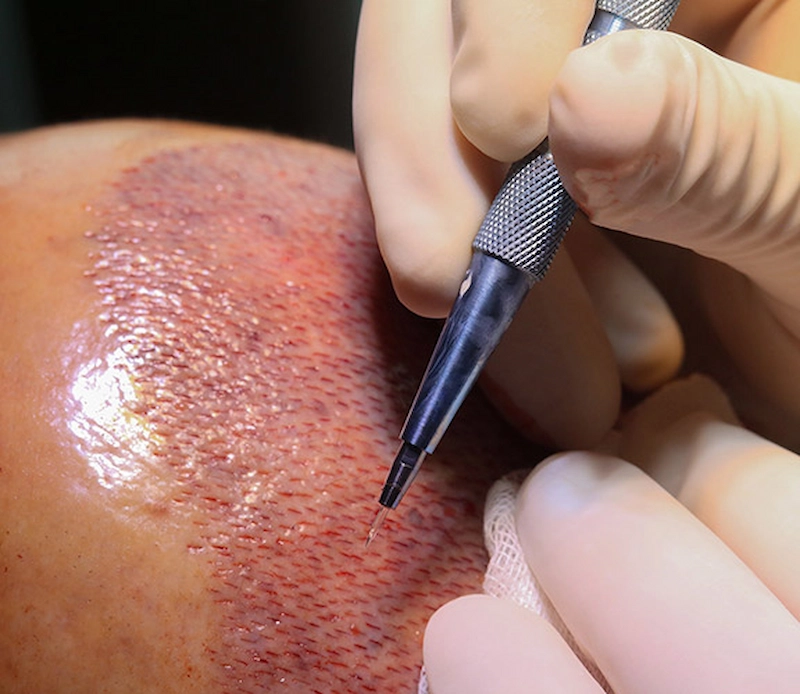
Grafts are placed into the planned sites using FUE placement methods or, when appropriate, DHI-style implantation pens. These tools support accurate placement, but no technique can guarantee a specific result.
Immediate Aftercare
The team reviews the treated areas and gives recovery instructions before the patient leaves. Follow-up helps monitor healing, shedding, and early growth.
Recovery
Recovery depends on graft count, skin response, and post-hair transplant care. In the first 24 to 72 hours, the donor area may feel sore or tight, and redness, swelling, scabbing, or temporary shedding may occur. Patients should ask their physician before applying ice because direct cold contact may irritate healing skin.
Most patients return to desk work within a few days. Exercise, sun exposure, sweating, swimming, and hats usually need more caution during early healing. New growth may start in about three to six months, while the final cosmetic change can take about one year or longer.
Results
Before-and-after photos can help explain likely patterns, but they should match the patient’s type, loss level, and graft count. Results vary because every scalp and donor area responds differently. Early shedding is common before new growth becomes visible.
Good planning can minimize scarring, but tiny FUE marks can still occur. Unlike FUT (Follicular Unit Extraction), FUE does not create a long linear scar, but it still requires careful donor management. Donor hairs are limited, so extraction must balance coverage goals with long-term donor safety.
Safety and Cost
Doctor-led care matters because this is a medical procedure, not only a cosmetic service. Physician involvement supports diagnosis, donor planning, informed consent, and management of complications. Patients should know who performs each step and who monitors recovery.
The cost of a no-shave hair transplant depends on graft count, procedure time, complexity, clinic structure, follow-up care, and travel needs. Follow-up care and travel needs. In Hair Transplant Mexico, a single-area FUE procedure, such as crown or hairline work, may range from $4,500 to $8,000. A full FUE procedure may range from $6,000 to $10,000, depending on the treatment plan.
To understand whether this approach fits your donor area, coverage goals, and recovery needs, schedule a free consultation with Dr. Antonio Aguilar.