
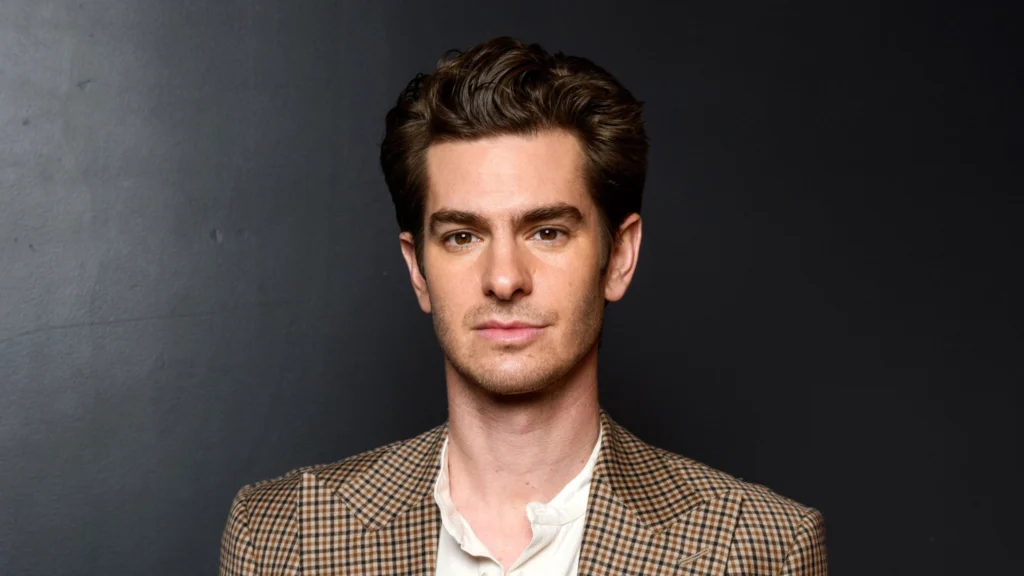
A clearer answer requires separating public observation from medical proof. Red carpet photos may show a fuller frontal area, but lighting, length, product, camera angle, and grooming can all change how density appears.
Dr. Antonio Aguilar, a specialist in FUE Hair Transplant and Hair Restoration at Hair Restoration Mexico, provides useful clinical context, as a thorough evaluation would review the loss pattern, donor area, scalp health, and long-term goals before discussing any treatment.
Key Takeaways
- There is no confirmed public evidence that Andrew Garfield had a hair transplant. Photo comparisons can suggest changes, but they cannot prove the need for surgery.
- His hairline may look different due to styling, lighting, aging, changes in density, or camera angles. These factors can create the appearance of fuller or thinner coverage.
- Claims about a hairpiece, doctor, or surgeon should be treated as speculation unless verified records or public confirmation exist.
- FUE and DHI can create natural-looking results in appropriate candidates, but photos alone cannot confirm whether either method was used.
- Anyone researching restoration should start with a medical evaluation. A physician can assess the loss pattern, donor area, candidacy, and realistic treatment options.
Did He Get a Procedure?
No verified source confirms that the actor had hair transplant surgery. Some articles speculate that the actor underwent a procedure, but speculation is not proof. There is no confirmed evidence that he publicly discussed his treatment or released medical details.
Before-and-After Photo Analysis
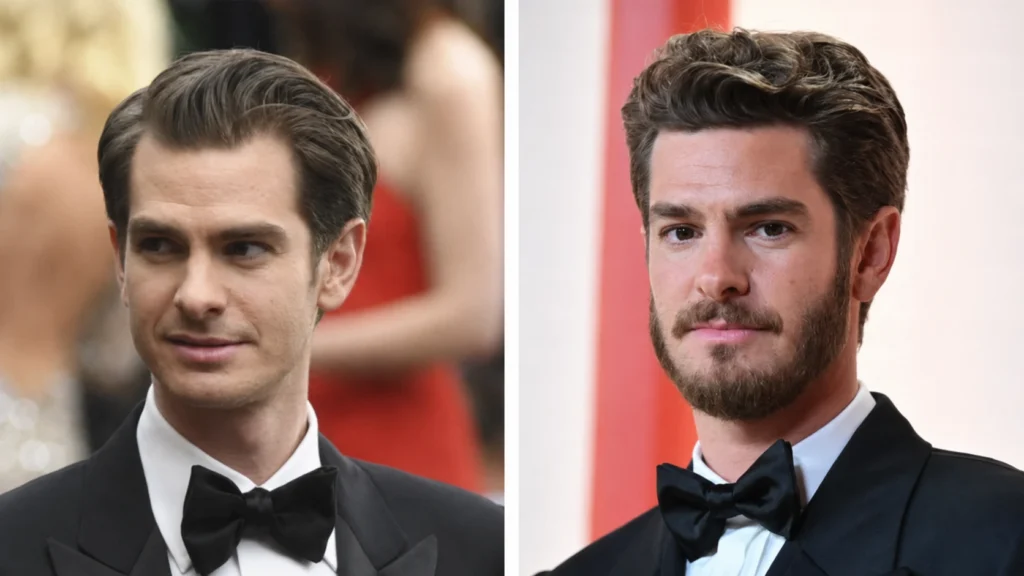
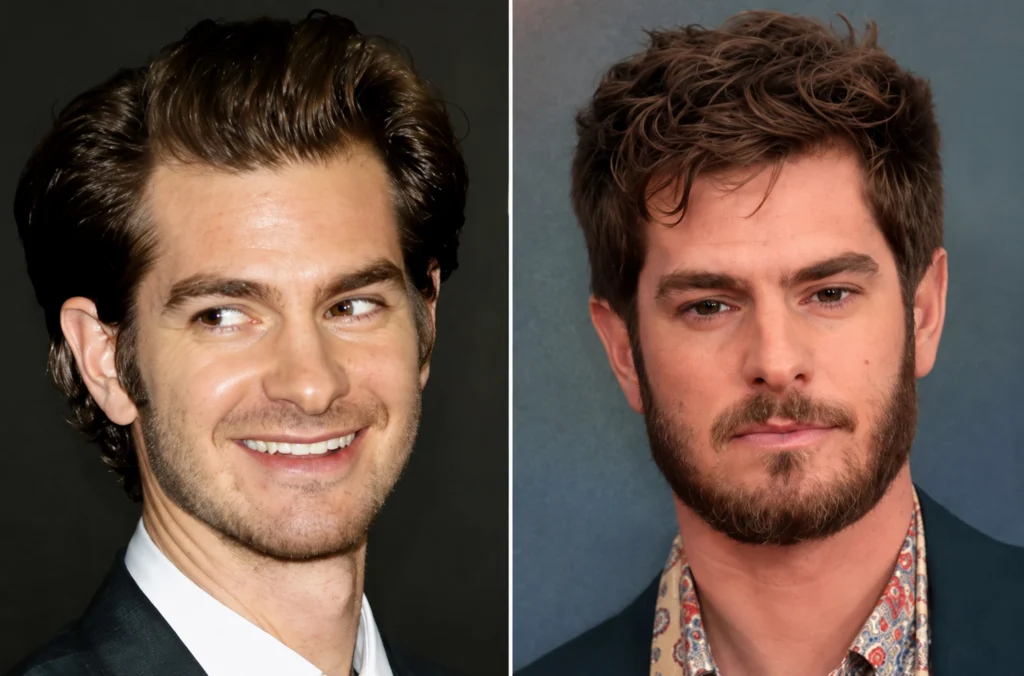
Before-and-after comparisons can help readers notice visible changes. Some fans compare photos from the social network, The Amazing Spider-Man, and later public appearances. These images can show change, but they do not explain why it happened.
A fuller look in a single image does not always indicate regrowth. Wet styling, dry styling, longer length, camera angle, and frontal volume can change the shape of the front line. This is why Garfield’s hair transformation should stay an observation, not a diagnosis.
Andrew Garfield Hair Loss and Balding
Some readers describe a receding hairline because the sides of the frontal area can look more mature in certain photos. A widow’s peak can also make the front look more defined without showing active thinning.
Density also changes how the scalp appears. Lower density can make the scalp more visible under bright light, while styling can make the same area look fuller. Aging, genetics, stress, and normal growth cycles can all affect appearance.
Styling, Hairpiece, or Surgery?
Several explanations could account for the fuller look seen in some of Garfield’s later photos. It also helps to understand the difference between modern grafting and older plug-style methods, since plugs and current techniques can create very different visual results.
His longer, textured styles often add height at the front and create more coverage around the temples. The use of a subtle procedure or medication cannot be ruled in or out from images alone. Non-surgical options may also affect density or shedding, which is why hair restoration alternatives should be evaluated before assuming surgery.
In red-carpet photos, his styling often features volume, controlled texture, and forward movement. These choices can make the frontal area look denser than it appears in casual or film stills. Hairpiece claims remain speculation because public images do not provide clear evidence of a system, an attachment line, or a sudden, unnatural shift in density.
Could FUE Explain the Changes?
FUE could explain a subtle improvement in temple density or frontal coverage, but it cannot be confirmed in the actor’s case. Any real treatment plan would also depend on the donor area, because graft supply affects what can be restored safely.
If someone had mild recession, a surgeon could use FUE to place small follicular units along the front and temples while keeping the result natural. That type of work can be hard to detect in photos, especially when styling, lighting, and camera angles also affect appearance.
DHI, or Direct Hair Implantation, is another method clinics may use to place grafts after extraction. It uses an implantation pen to help control angle, depth, and direction, which matters most in visible areas like the front line. Still, no tool can prove what happened here; only verified medical information can confirm whether any procedure was performed.
Possible Grafts and Cost
Graft estimates based on celebrity photos are uncertain. A real estimate requires a scalp exam, donor review, and discussion of long-term goals. In some cases, Follicular Unit Transplantation (FUT) may also be discussed, but many current plans use FUE or DHI.
The cost of 3,000 grafts depends on country, clinic model, surgeon involvement, and follow-up. Patients often compare Mexico, Turkey, and the United States because regulations, oversight, and pricing vary across these countries. In Los Angeles, costs may differ from Monterrey because overhead, staffing, and market pricing are not the same.
At Hair Restoration Mexico, a single-area FUE procedure, such as crown or hairline work, generally ranges from $4,500 to $8,000. A full FUE procedure generally ranges from $6,000 to $10,000. These ranges depend on the area treated, graft needs, medical planning, and follow-up requirements.
Medical Evaluation Comes First
Hair Restoration Mexico is located in San Pedro, Monterrey, Mexico, an affluent area in northern Mexico. For any hair restoration journey, a physician should evaluate medical history, loss pattern, donor area, scalp health, and realistic goals. This process matters more than copying a celebrity result.
Key points to review before treatment:
- Who performs and supervises the procedure
- Which technique is recommended and why
- How many grafts are realistic
- What follow-up care includes
- What results are possible for your pattern