

Hair Transplant Mexico, located in San Pedro, Monterrey, Mexico, provides a clinical context for evaluating doctor-led hair restoration in real patients.
Key Takeaways
- There is no confirmed public evidence that George Clooney has had a hair transplant, so the topic should be treated as speculation rather than fact.
- Photo comparisons can show changes in hairline shape, density, styling, or lighting, but they cannot prove a medical procedure.
- Subtle hair restoration usually depends on donor supply, graft planning, follicle caliber, placement angle, and the risk of long-term hair loss.
- Patients should compare clinics by physician involvement, medical oversight, follow-up care, informed consent, and realistic expectations.
- Celebrity hair restoration rumors can be useful for general education, but real treatment planning requires an individual medical evaluation.
Did George Clooney Have a Hair Transplant?
George Clooney has not publicly confirmed a procedure. No verified clinic, surgeon, or medical source has confirmed that he had surgical restoration. This means the topic should remain framed as a rumor rather than a medical fact.
What Photos Can and Cannot Show
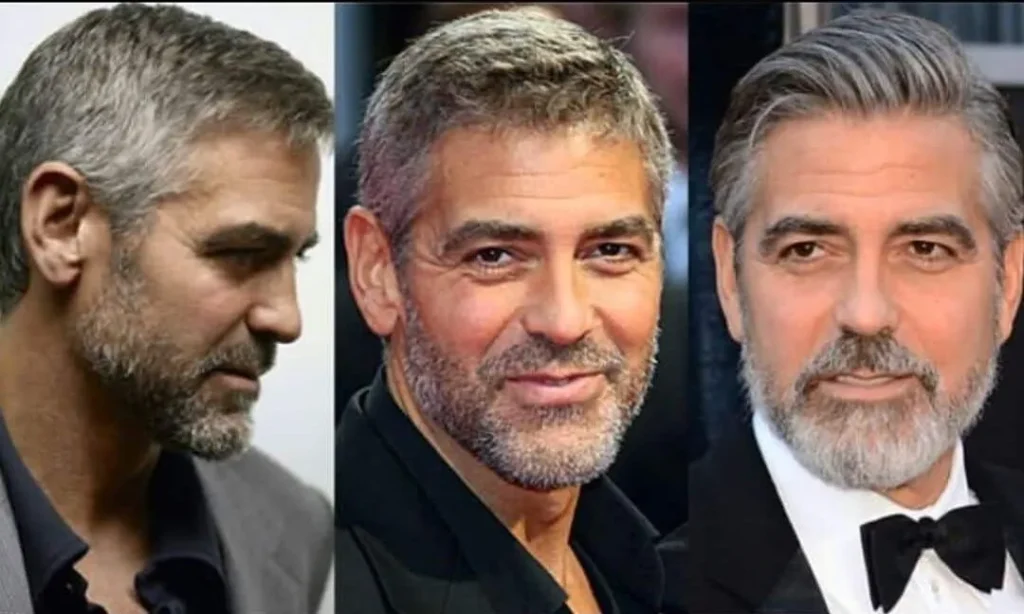
Photos may show hairline position, density, grooming changes, and lighting differences. They cannot show donor supply, scalp health, miniaturization, medication use, or graft history. A physician would need those details before making any clinical assessment.
Why People Discuss George Clooney’s Hair Loss
People discuss this topic because his hair has stayed dense while he has aged in public. A stable hairline may come from genetics, styling, medication, or a procedure. Grayness, professional grooming, and camera lighting can also make coverage look fuller.
George Clooney Hair Restoration Speculation
Speculation often uses terms like implants, grafts, and transplants. A modern follicle restoration moves a patient’s own grafts from a donor area to thinning areas. Hair implants can refer to artificial materials, which are different from FUE (Follicular Unit Extraction), DHI (Direct Hair Implantation), or older methods often discussed in hair transplant vs. plugs comparisons.
How Subtle Hair Restoration Works
Subtle restoration focuses on balance rather than a dramatic change. A conservative hairline plan may refine the frontal corners while preserving donor follicles for future loss. Natural results depend on graft angle, spacing, caliber, density planning, and long-term planning.
FUE and Donor Planning
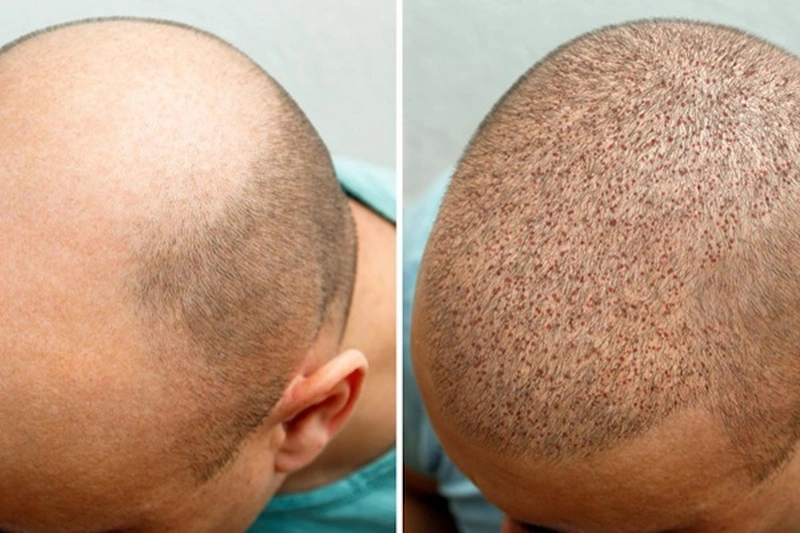
FUE removes individual follicular units from the donor area, usually from the back or sides of the scalp, where follicles are more resistant to thinning. The physician must estimate how many grafts can be safely removed without making the donor area appear thin. This planning matters because donor grafts are limited, and future hair loss may require additional treatment.
DHI uses a related approach, but grafts may be placed with direct implantation tools that help control angle, depth, and direction. These details affect how natural the new growth may look once the grafts mature.
Both methods require medical oversight, careful graft handling, and a long-term plan that considers the patient’s age, loss pattern, expected progression, and key differences explained in FUE vs. DHI hair transplant comparisons.
What Patients Should Know First
Patients comparing Mexico, Turkey, the United States, or other regions should look beyond cost. A reputable clinic should explain physician involvement, donor planning, informed consent, follow-up care, and realistic recovery expectations. Regulations, clinic oversight, and continuity of care can vary across countries and providers.
Candidacy and Expectations
Not every patient is a candidate for surgery. A physician must review hair loss patterns, donor density, age, scalp health, medical history, and treatment goals before recommending FUE or DHI. Patients with unstable loss, weak donor supply, or unrealistic density expectations may need medical treatment, delayed surgery, non-surgical alternatives, or a more conservative plan.
Recovery may include redness, swelling, scabbing, temporary shedding, and uneven early growth. Most patients do not see a meaningful visual change right away because transplanted follicles often shed before new growth begins. Early growth may appear after a few months, while density usually improves gradually over 9 to 12 months, depending on the patient’s healing, graft survival, and follicle characteristics.