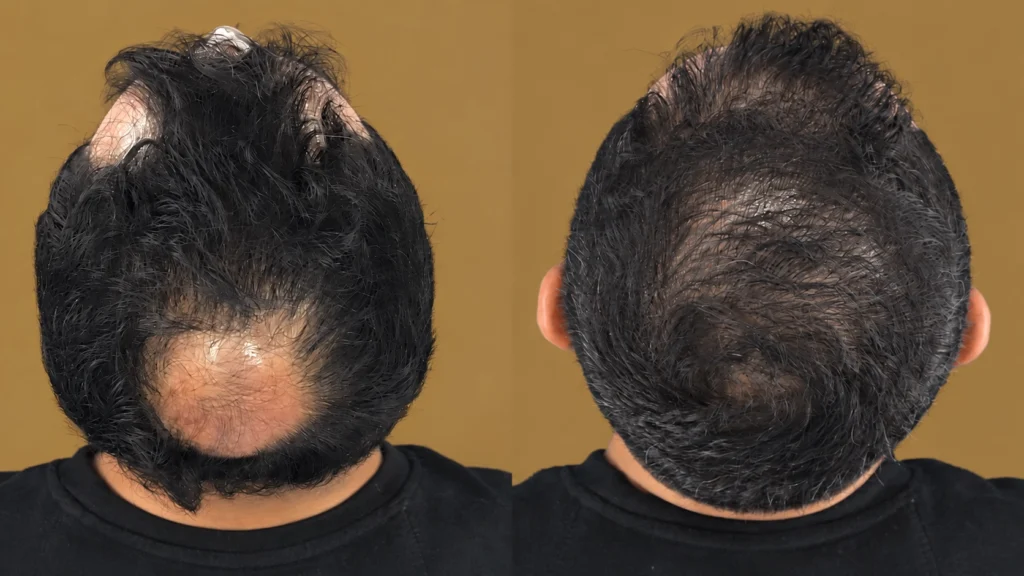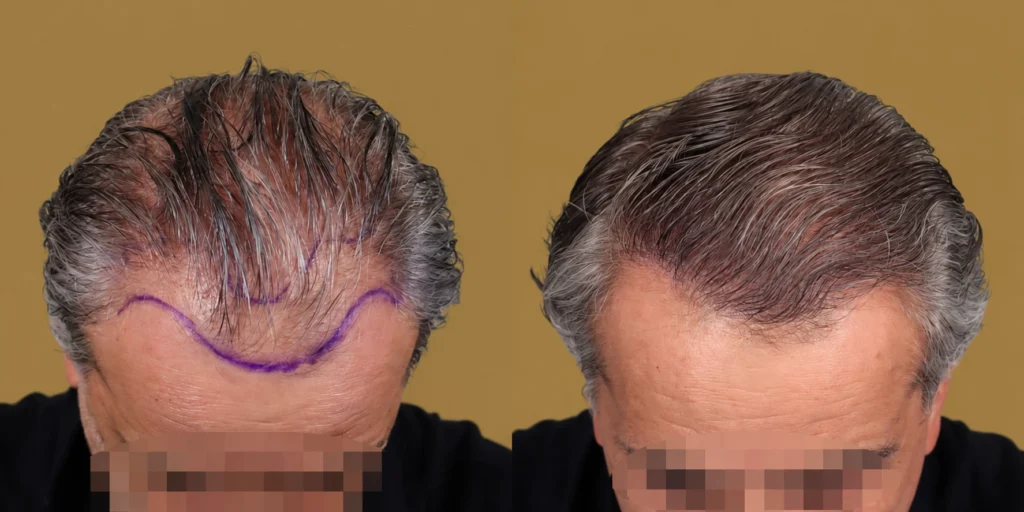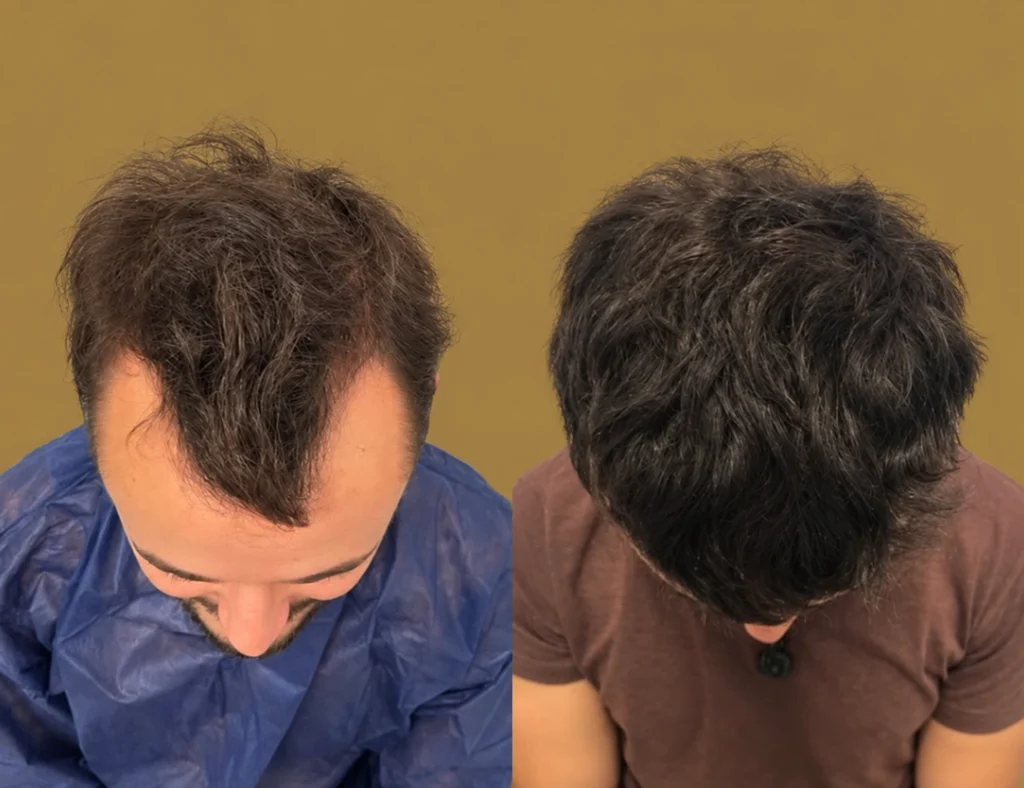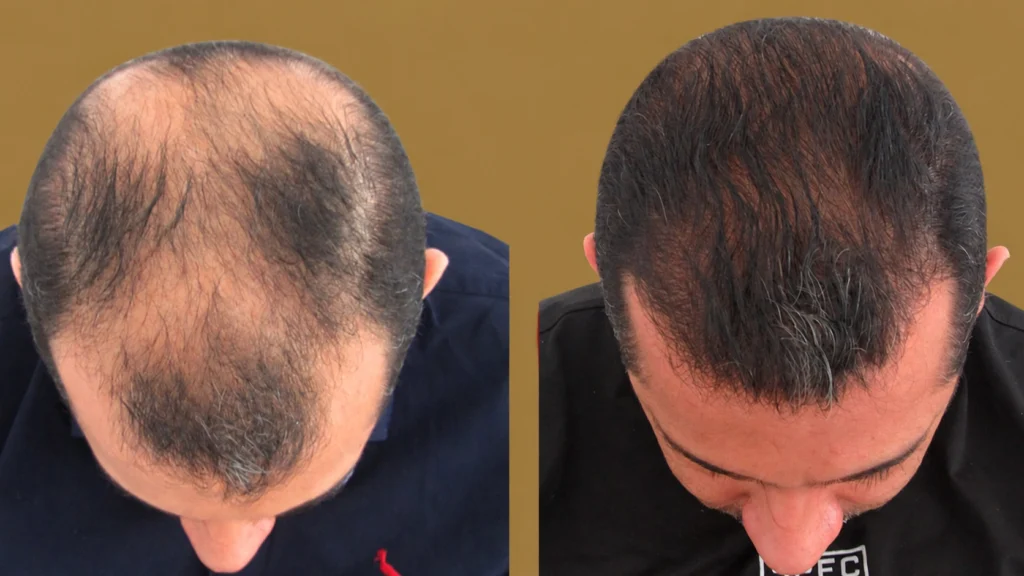
Key Takeaways
- Follicular restoration in Mexico uses established techniques such as FUE and DHI to move healthy follicles from a donor area to thinning zones, with full results developing over nine to twelve months.
- Costs depend on graft count, treatment area, and physician involvement; typical ranges run from about $4,500 for a single area to $10,000 for a full session.
- Safety depends on doctor-led procedures, sterile surgical conditions, and structured follow-up care, backed by accreditations such as CMCPER, AMCPER, and COFEPRIS oversight.
- When comparing destinations like Mexico and Turkey, patients should weigh medical oversight, regulatory standards, and ease of follow-up rather than focus on price alone.
- A proper medical evaluation is essential because not every patient is a candidate, and realistic planning protects both donor supply and long-term results.
What Is a Hair Transplant in Cancun, Mexico?
A follicular restoration procedure removes healthy hair follicles from a donor area, usually the back of the scalp, and places them into thinning or bald zones. Most clinics offering an FUE hair transplant in Mexico use this method, extracting and implanting grafts one at a time without a linear scar.
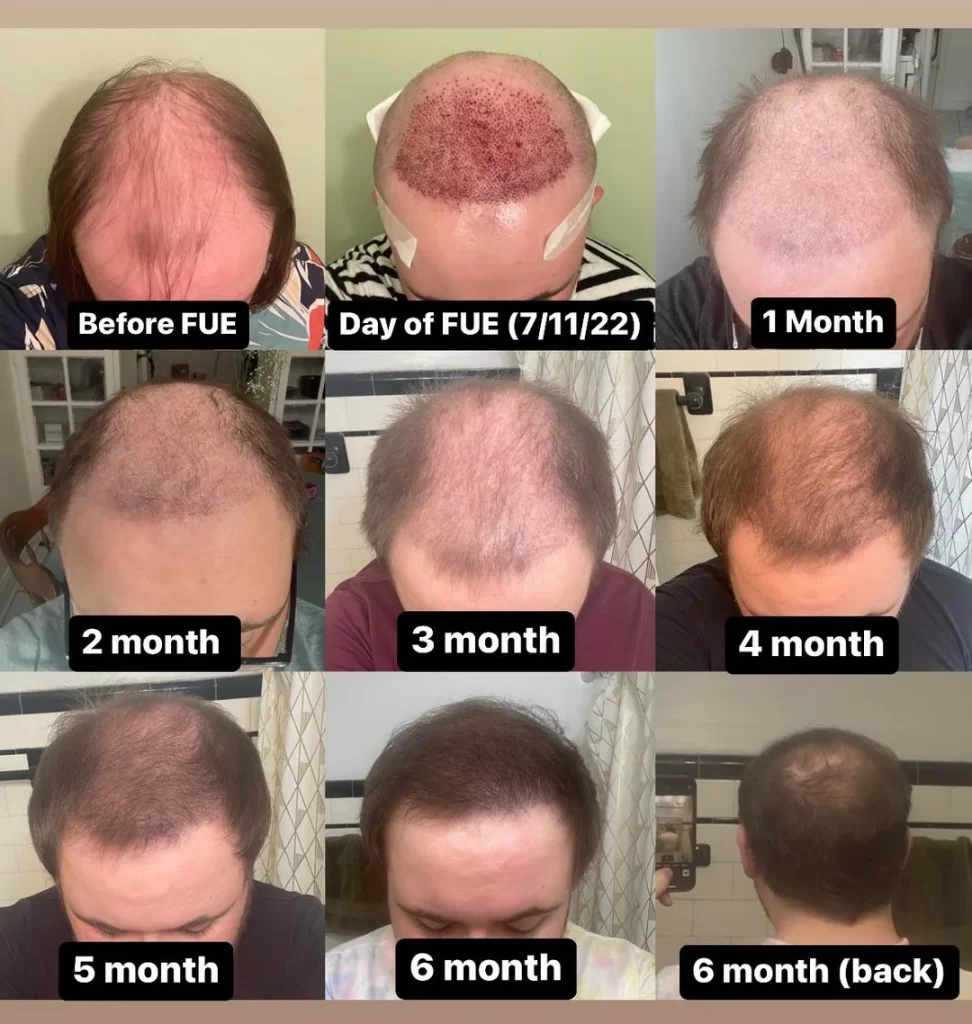
After surgery, transplanted strands normally shed within a few weeks. New growth begins around three to four months later, and full results usually appear after nine to twelve months.
People getting a hair transplant in Mexico often ask whether the process differs from procedures done elsewhere. The core steps are similar worldwide. What varies is physician supervision, clinic standards, and the quality of follow-up care. A medical visit confirms whether a hair transplant in Mexico is the right option for a specific pattern of loss.
Medical Evaluation and Treatment Planning
Any hair transplant surgery in Mexico should begin with a medical consultation. The doctor checks scalp health and donor density. Not every patient is ready for surgery; some benefit from medication such as finasteride or minoxidil first to stabilize ongoing loss before grafts are planned.
The treatment plan explains how many grafts are needed, and the final price depends on that count and the treatment area. The doctor also designs the hairline and plans graft placement. Clear planning improves safety and long-term outcomes.
Surgery cannot create unlimited density. The donor area must be protected. A careful plan helps avoid overharvesting and future problems.
Techniques Available in Cancun
Cancun clinics offer several accepted restoration methods. The right one depends on donor supply, scalp condition, and density goals set during consultation.
- FUE (Follicular Unit Extraction): grafts removed one by one with micro-punches, leaving no linear scar; the most requested method. Learn more from the International Society of Hair Restoration Surgery.
- DHI (Direct Hair Implantation): a refinement of FUE where follicles are placed with a Choi implanter pen, allowing tight angle control.
- FUT (Follicular Unit Transplantation): a donor strip is removed and dissected into grafts; efficient for very large sessions but leaves a linear scar covered by surrounding hair.
- Sapphire FUE: sapphire-tipped blades open recipient sites, which some surgeons feel supports finer channels and faster healing.
- Unshaven FUE: grafts extracted without fully shaving the donor area, useful for patients returning to work quickly.
- ARTAS robotic assistance: part of the latest hair transplant technology, a robotic arm helps map and harvest grafts under surgeon supervision; not every clinic offers it, and it costs more.
Areas Treated With Hair Transplants
Hair transplantation in Mexico can restore several distinct zones. The hairline and temples are common treatment areas; both frame the face and shape overall appearance. The crown needs a different placement angle to match natural growth direction.
Beard and eyebrow procedures use the same basic method, though facial follicles grow at different angles. The surgeon adjusts placement to match each region’s natural pattern.
Scar coverage is possible in some cases. The doctor checks blood supply before placing grafts into scar tissue, and results depend on skin quality and donor supply.
Hair Transplant in Cancun, Mexico Cost and Price Guide
Many patients research the FUE hair transplant cost in Mexico before choosing a clinic. Cost depends on graft count, treatment area, and clinic standards. Some clinics charge per graft; others offer set packages.
- Single area FUE Hair Transplant (crown or hairline) from $4500-$8000
- Full FUE Hair Transplant $6000-$10000
- Single area plus full beard FUE Hair Transplant $5500-9000
- Full Beard FUE Hair Transplant $4500-$8000
For example, a 3,000-graft session in Mexico usually falls within these ranges depending on density goals. Pricing in Cancun tends to be lower than in many U.S. cities, but price alone should not guide the decision.
When reviewing pricing, patients should confirm:
- Who performs the extraction and implantation
- If anesthesia and medication are included
- What follow-up care is provided
- Whether cost depends on graft count or is packaged
Travel logistics also matter. Hair Transplant Mexico coordinates hotel and transportation in advance, and Dr. Aguilar provides a hotel stay plus a private driver during the visit. Transportation between hotel, clinic, and airport keeps the trip simple.
Cancun vs. United States vs. Turkey Pricing
To put local pricing in context, here is how average starting costs compare across the three most-searched destinations for restoration travel.
| Procedure | Cancun, Mexico | United States | Turkey |
|---|---|---|---|
| FUE (single area) | from $4,500 | from $4,000 | from $1,300 |
| Full FUE session | from $6,000 | from $8,000 | from $2,000 |
| Full beard FUE | from $4,500 | Varies by clinic | Varies by clinic |
Cancun pricing reflects Hair Transplant Mexico’s published packages. U.S. and Turkey figures are general 2026 market ranges reported by independent hair restoration cost guides and may vary by clinic and provider.
Cost by Graft Count
Graft count is the single largest driver of final price. General guidance for FUE sessions in Cancun:
- 1,500 grafts (early hairline recession): approximately $4,500 to $6,000
- 2,500 to 3,000 grafts (mid-scalp density loss): approximately $5,500 to $8,000
- 4,000 to 5,000 grafts (advanced coverage): approximately $7,000 to $10,000
- 5,000+ grafts (extensive restoration, often split sessions): $9,000 and up
Safety, Quality Standards, and Scam Concerns
A common question is: is it safe to get a hair transplant in Mexico? All surgery carries some risk. Common temporary effects include swelling, redness, and mild discomfort. Infection risk depends on sterile technique and proper medical supervision, not location.
Legitimate Cancun clinics operate under Mexican health regulations enforced by COFEPRIS, the federal health authority, and are staffed by specialists certified by the Mexican Council of Plastic Surgery (CMCPER) or the Mexican Association of Cosmetic Surgery (AMCPER). Many surgeons also hold international credentials such as membership in the American Society of Plastic Surgeons (ASPS).
Patients also search how to avoid hair transplant scams in Mexico. Misleading advertising can happen anywhere; the checks below apply broadly:
- Verify the surgeon’s CMCPER or AMCPER certification number
- Confirm the specific physician performing extraction and implantation, not just the clinic name
- Insist on a written treatment plan and consent form
- Request real, dated before-and-after photos from the operating surgeon rather than stock imagery
- Check that the operating room is a licensed surgical suite, not a spa or salon
- Ask about post-op follow-up channels once you return home
A responsible clinic explains risks openly. No procedure guarantees identical outcomes for everyone; results depend on donor quality and healing.
Is It Safe to Get a Hair Transplant in Mexico?
The short answer is yes, when a certified surgeon performs the procedure in a licensed facility. Mexican surgeons who specialize in follicular restoration are regulated by CMCPER or AMCPER, and clinics must comply with COFEPRIS standards for sterile environments, anesthesia, and infection control.
Complication rates at accredited clinics are low when a physician performs the extraction and implantation directly, rather than delegating the entire procedure to technicians.
How to Avoid Hair Transplant Scams in Mexico
The most common warning signs are pricing that seems too low to be real, an unwillingness to name the operating surgeon, stock before-and-after photos, and pressure to book without a written plan.
Legitimate clinics publish their surgeon’s CMCPER or AMCPER credentials, share dated patient results, and provide a signed treatment plan before you deposit any money. If a clinic advertises a procedure at a fraction of the Mexican average and refuses to specify who performs each step, treat that as disqualifying, not negotiable.
What Defines the Best Hair Transplant in Cancun, Mexico
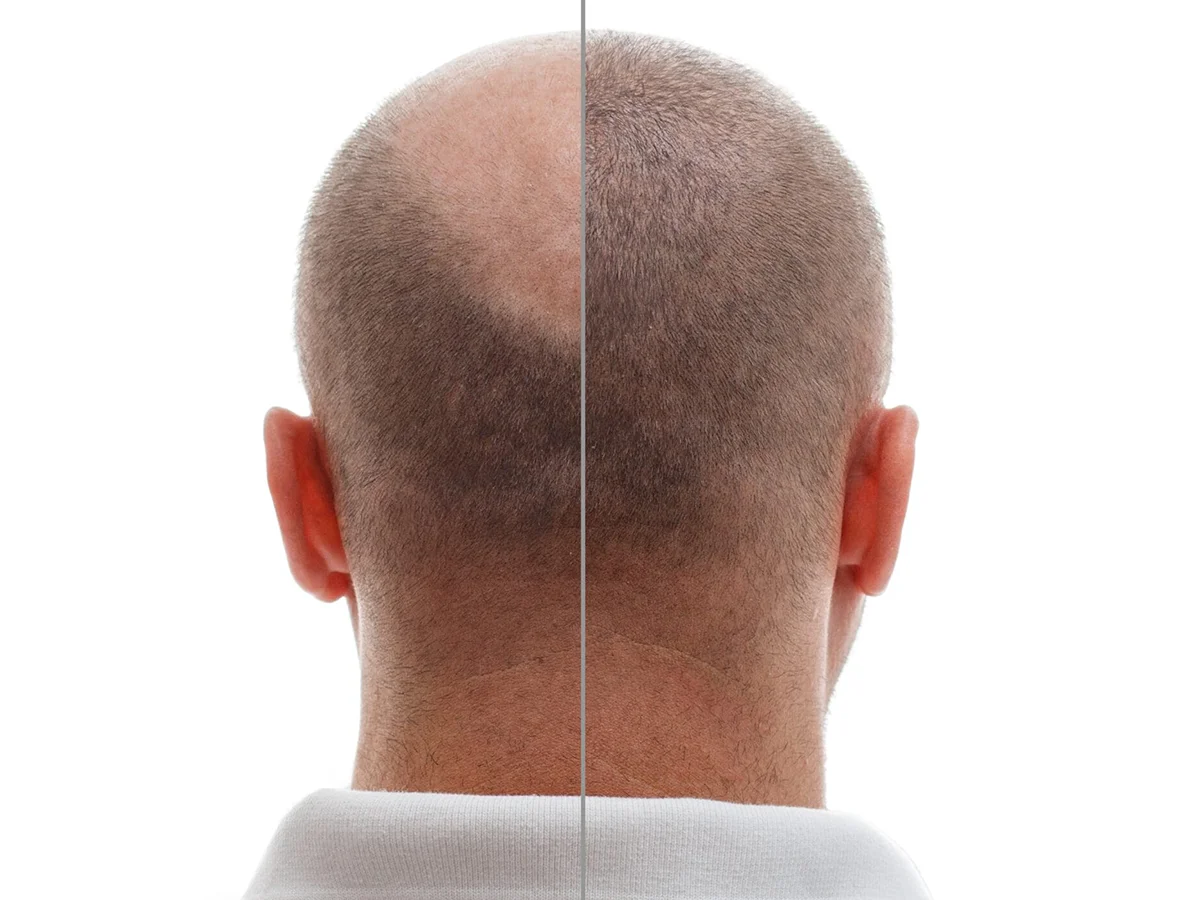
The phrase “best hair transplant in Cancun, Mexico” means different things to different people. From a medical standpoint, quality depends on planning, technical skill, and careful graft handling. A trained physician places follicles at the correct angle and depth, which is what creates natural-looking growth.
Follow-up care matters just as much. Transplanted strands shed before regrowing. Patients need clear instructions for washing, medication, and sun exposure. Good aftercare supports long-term stability.
Dr. Aguilar has noted in clinical discussions that graft survival depends on careful handling and correct placement. Results rely on technique, not marketing promises.
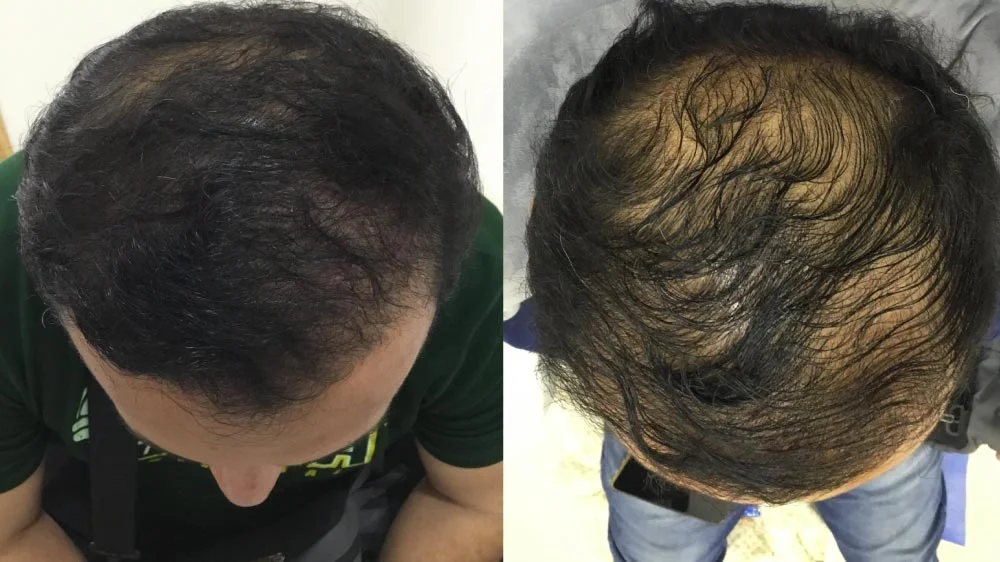
Real Patient Results