

These examples can help readers understand hair loss, the type of procedure, recovery, and the limits of before-and-after comparisons. In Mexico, doctor-led clinics such as Hair Restoration Mexico in San Pedro, Monterrey, evaluate each case medically, with Dr. Antonio Aguilar specializing in FUE (Follicular Unit Extraction) transplant and follicle restoration.
Key Takeaways
- Wayne Rooney is the clearest confirmed case because he said he underwent a hair restoration procedure.
- Many footballers who have undergone hair restoration procedures are discussed because of visible changes, but not every case is confirmed.
- FUE and DHI are common hair transplant procedures, but the right plan depends on the donor, follicle loss pattern, and medical history.
- Recovery matters for athletes because sweat, contact, sun, and heading the ball can affect early healing.
- Patients comparing Mexico with other places should check doctor involvement, clinic oversight, follow-up care, and realistic goals.
Do Most Footballers Have Hair Transplants?
Most footballers do not say if they have undergone hairline restoration surgery. Some players talk about treatment. Others never discuss changes in their follicles.
A professional football player may seek treatment for a receding hairline, crown thinning, or general hair loss. These changes can be more visible during a playing career because cameras follow players closely. A fuller head of hair does not always mean surgery took place.
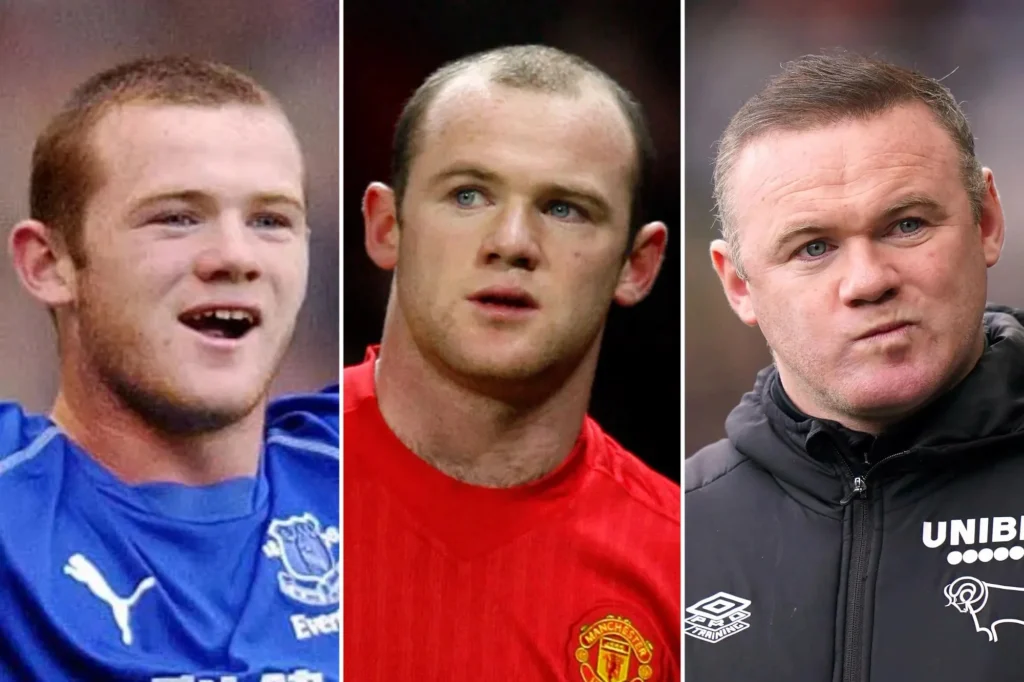
25 Footballers Linked to Hair Transplant Discussions
The following list includes confirmed, reported, and speculated cases. A confirmed case means the player has spoken about treatment, or direct proof exists. A reported or speculated case means the claim is based on media reports, clinical content, or visible changes over time.
Wayne Rooney remains the strongest confirmed example because he said he underwent this procedure. David Silva, Rob Holding, Andros Townsend, Antonio Conte, and David Beckham often appear in the Premier League and football media talks. Some may have undergone surgical treatment, but photos alone should not be considered proof.
Soccer Player Hair Transplant Before and After
Before-and-after photos can show visible changes. They may show stronger grafts, better crown coverage, or more density. They do not show donor quality, graft count, medicine use, technique, or medical history.
Photos can also mislead. Light, length, styling products, fibers, and camera angles can change how full the hair looks. For this reason, a doctor cannot confirm whether a restoration surgery has occurred from photos alone.
Why Soccer Players Lose Hair
They lose density for the same reasons as other men. Genes, hormones, age, and family history play a large role. Being fit does not stop male pattern baldness.
Male pattern baldness often starts with temple recession, front thinning, or crown thinning. Some current bald football players choose not to treat it. Others may not be good candidates because they have a limited number of donor follicles.
Hair Restoration Methods Used
Modern restoration procedures often use FUE (Follicular Unit Extraction) or DHI (Direct Hair Implantation). Both methods move follicles from a donor area to thin areas. The right method depends on the donor, graft type, goals, and the medical plan.
FUE removes individual follicular units from the donor area, often from the back or sides of the scalp. The follicles are then placed into thinning areas to improve coverage. This method is common because it does not create a long linear scar.
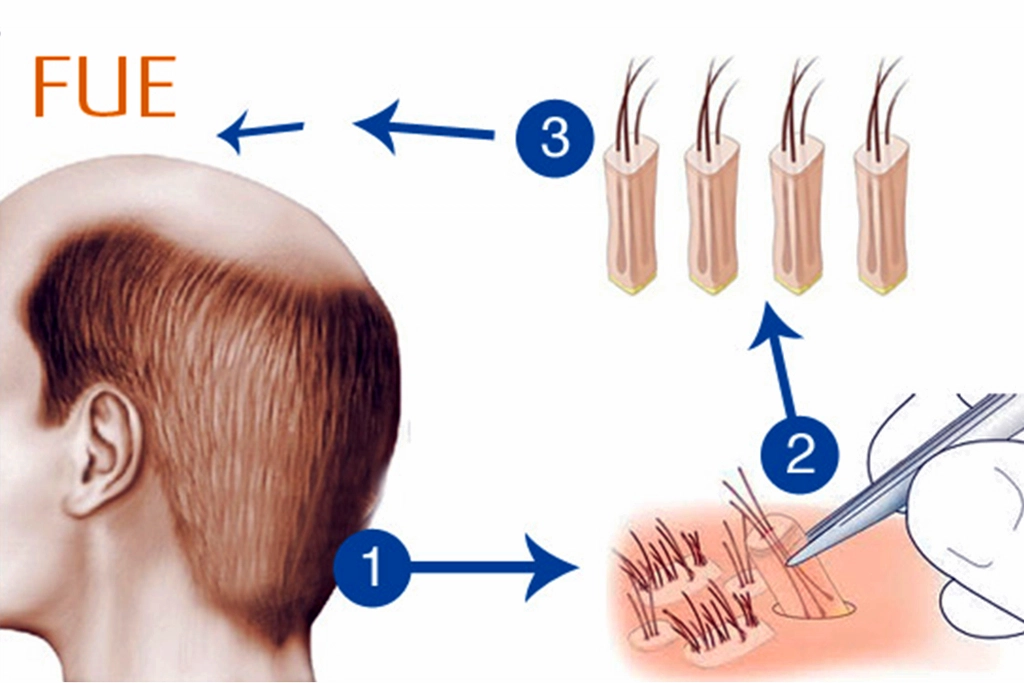
DHI uses specialized implant pens to place follicles and, in selected cases, to guide their angle, direction, and position. A doctor-led plan should consider future hair loss, not only how it looks today.
Recovery for Active Players
Recovery matters for anyone who wants to play football after surgery. Most patients need to avoid intense exercise for the first several days, and contact sports usually require a longer period of rest, especially while scabs form and heal after a hair restoration procedure.
The scalp also needs protection from sweat, sun, friction, and heading the ball while the grafts settle, especially during the early hair restoration shedding phase.
An off-season or lighter training period may make recovery easier. Many patients can return to light activity before full training, but drills, matches, and heading should wait until the treating doctor confirms the scalp has healed enough. The timeline can vary by case, so athletes should follow a return-to-play plan based on healing rather than a fixed date.
What Makes Results Look Natural?
Natural results depend on design, technique, and medical judgment. The hairline should match the patient’s age, face shape, follicle direction, and risk of future loss. The new grafts should blend with the surrounding tissue.
A result can look unnatural when the hairline sits too low, looks too straight, or has poor graft direction. Donor-area complications can also occur if too many grafts are removed. Medical oversight helps support safe planning, clean technique, informed consent, and follow-up.
Medical Evaluation and Candidacy
A medical evaluation shows whether a patient is a good candidate. The doctor reviews the follicle loss pattern, donor density, scalp health, age, goals, and medical history. This helps set clear goals before treatment.
Not every patient should have surgery right away, as some may first explore non-surgical hair restoration options. Some patients may need medicine, scalp care, monitoring, or delayed treatment when the loss is still active. The restoration outcomes vary, so no clinic or doctor should promise guaranteed results.
Soccer Player Hair Transplant in Mexico
Patients may compare Mexico, Turkey, the United States, and other places when researching hair restoration. They often compare costs, doctor involvement, clinic rules, follow-up, and post-surgery care. These factors matter because it is a medical procedure.
Hair Restoration Mexico is located in San Pedro, Monterrey, Mexico, an affluent area in northern Mexico. Patients should ask who designs the hairline, who performs extraction and implantation, what method is recommended, and how follow-up works after travel. These questions help patients compare clinics more clearly.