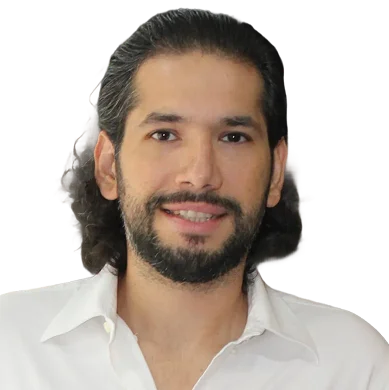
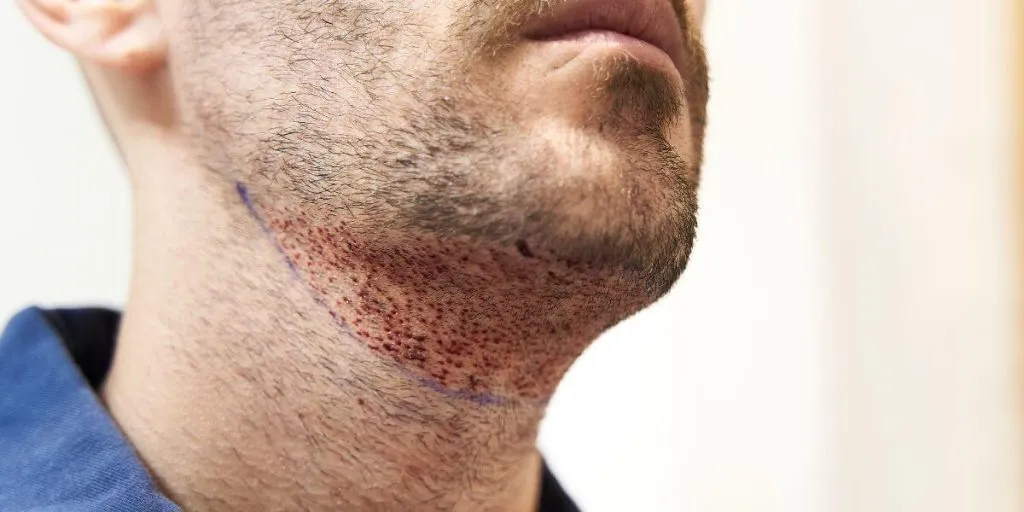
Results can look natural when facial grafts are blended with scalp grafts, but limits include texture mismatch, donor-site thinning, and the need for careful placement. At Hair Transplant Mexico, Dr. Antonio Aguilar evaluates the beard area, scalp donor supply, and hair loss pattern before recommending this approach.
Key Takeaways
- Facial hair can support a restoration plan when scalp donor hair is limited, especially for the crown, mid-scalp, or scar coverage.
- Beard grafts are usually thicker than scalp hair, so they must be placed carefully to avoid a texture mismatch or an unnatural hairline.
- Extraction from the beard area requires precise spacing to protect the donor site and prevent visible patchy thinning.
- Results depend on beard density, scalp donor supply, graft placement, healing, and long-term hair loss planning.
- At Hair Transplant Mexico, Dr. Antonio Aguilar evaluates each case to decide whether facial follicles can safely improve scalp coverage.
Can Beard Hair Be Used for a Hair Transplant?
Yes, facial follicles can be used for scalp restoration in selected patients. It is most useful when the scalp donor area lacks sufficient follicles to cover the recipient area. This approach is usually performed with FUE, which removes individual grafts from the donor site and places them into recipient sites on the scalp.
Beard grafts are not a perfect replacement for scalp hair. They are usually thicker, stronger, and more textured than scalp follicles. For that reason, they work better behind the hairline, especially in the crown, mid-scalp, or scar coverage areas.
Is Beard Hair Good for Hair Transplant?
This option can be useful when the patient has dense growth and realistic expectations. They can improve density when the scalp donor supply is limited. The result depends on the number of grafts available, the quality of the donor hair, and the way each graft is placed.
The best beard follicles for hair restoration surgery are usually found under the chin and along the lower beard. This area often provides stronger grafts than weaker body sources, such as chest hair. Facial donor grafts are not ideal for patients with thin growth, major texture mismatch, or a main need for soft frontal hairline work.
Who Is a Good Candidate for Beard Hair?
The best candidates usually have strong facial follicles, limited scalp donor supply, and areas that need added density. This option may help patients with advanced hair loss, previous transplant repair needs, or crown thinning. It can also help when the scalp donor area cannot safely provide enough grafts.
A good candidate may have:
- Dense beard growth under the chin or lower beard
- Limited scalp donor hair
- Crown, mid-scalp, or scar coverage needs
- Realistic expectations about texture and blending
- No active skin issue in the beard area
Not all types of facial or body follicles are suitable for scalp transplantation. The donor grafts should be close enough in appearance and behavior to scalp hair to blend well. Dr. Aguilar reviews texture, thickness, growth pattern, and donor supply before recommending transplanting hair from the beard.
How Hair Transplant From Beard Hair Works
The procedure starts with an evaluation of the donor and recipient areas. The doctor checks the scalp, beard density, previous scarring, and final coverage goal. The plan should protect the facial donor site while improving scalp density.
During the procedure, the medical team focuses on:
- Choosing beard zones that can heal without visible patchy thinning
- Separating usable grafts from weaker or unsuitable follicles
- Keeping grafts hydrated and protected before implantation
- Matching graft angle and direction to nearby scalp hair
- Placing thicker facial grafts behind softer scalp grafts when needed
- Giving clear aftercare instructions for both treated areas
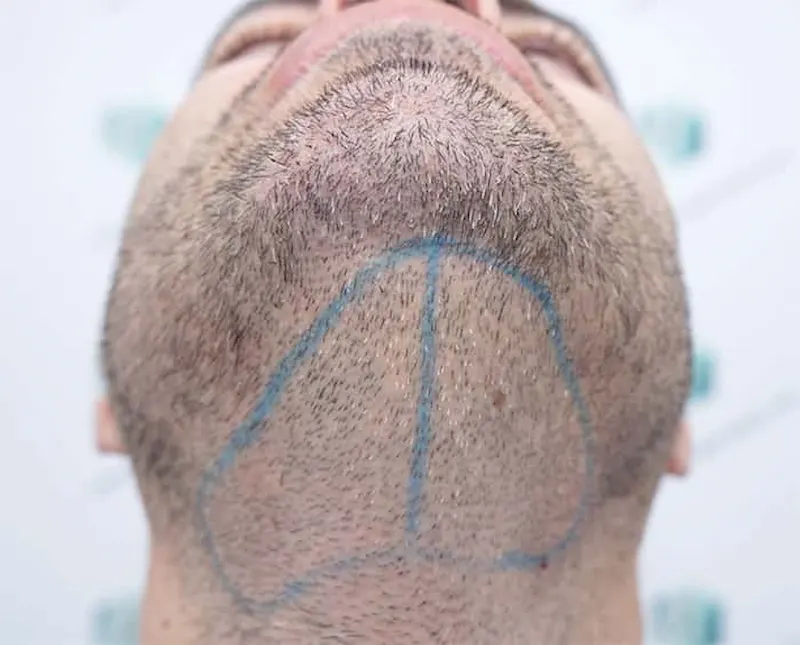
Facial follicle extraction is usually performed using FUE under local anesthesia. The doctor removes individual follicles from the beard area, then prepares them for placement on the scalp.
Hair Transplant Mexico uses FUE and DHI (Direct Hair Implantation) techniques, with the LION implanter pen to support controlled graft placement. Patients comparing the two methods can review this guide on FUE vs. DHI restoration.
How Many Grafts Can You Get From Beard Hair?
Most patients can get anywhere from a few hundred to several thousand beard grafts, depending on beard density, donor area size, skin type, and cosmetic goals.
In strong candidates, the beard may provide around 1,500 to 5,000 extra grafts, but this range should never be assumed without a medical evaluation. A safe plan does not focus only on the maximum number of grafts, because the donor site must still look natural after extraction.
Several factors affect graft count:
- Beard density
- Thickness
- Skin healing
- Previous beard procedures
- Desired scalp coverage
- Existing scalp donor supply
A high number of facial grafts does not always mean a better result. These grafts are often thicker than scalp grafts, but they may contain fewer follicles per graft. The value depends on graft survival, placement, blending, and the area being treated.
Beard Hair vs Scalp Hair
Beard and scalp follicles differ in texture, growth behavior, and best use. Scalp hair is usually finer, softer, and better suited to the frontal hairline because it creates a natural transition. Facial donor follicles are usually thicker, coarser, and stronger, so they are better for adding density in the crown, mid-scalp, or behind the hairline.
Scalp grafts often contain more multi-hair follicular units, which can help build density across larger areas. Beard grafts may be thicker, but they often contain fewer follicles per graft, so the doctor must place them with care.
Natural blending usually requires scalp grafts in visible areas and facial grafts behind them for support and coverage. Patients comparing coverage goals can also learn how doctors plan restoration density based on donor supply and scalp needs.
Beard Hair vs Chest Hair
Beard and chest hair can both expand donor supply, but they are not equal options. Facial follicles are often thicker, stronger, and more useful for scalp density. Chest hair may help in selected cases, but it often has a shorter growth cycle and may provide less predictable coverage.
In many cases, facial donor hair is considered before chest follicles when scalp supply is limited. The final choice depends on the graft quality, texture, and length, as well as how well the donor source can blend with existing scalp hair. A doctor should choose the donor source based on quality, not only availability.
Results and Recovery
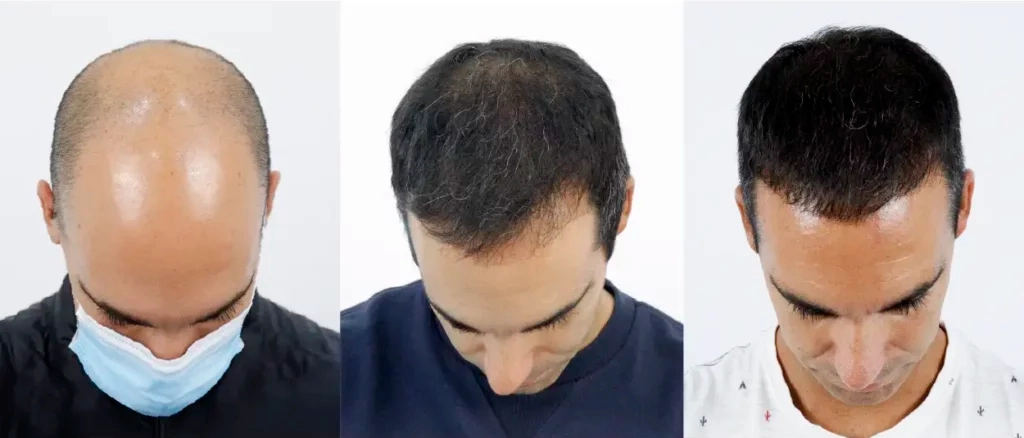
Results take time. Patients should expect early healing, temporary shedding, and gradual hair growth before judging the final outcome.
Patients who want a clearer early-recovery timeline can review what typically happens 10 days post-procedure. New growth often starts around months 3 to 4, while stronger density may develop between months 6 and 12.
The beard donor area also needs care after extraction. Patients may need to avoid shaving, excessive sweating, and direct sun exposure during the early healing phase. Good follow-up helps protect the donor site and the final scalp result. Patients can also follow these post-procedure care steps to support healing.
Risks and Side Effects
Common side effects can include redness, swelling, itching, small scabs, temporary numbness, and short-term sensitivity in the beard-donor area or the scalp-recipient area. If scabbing is a concern, this guide explains how post-procedure scabs usually form and heal. These effects usually improve as the skin heals.
More serious concerns include poor graft growth, visible donor thinning, texture mismatch, infection, or grafts placed at the wrong angle. Patients concerned about failed growth can read more about the signs of a rejected graft procedure.
Patchy beard harvesting can occur when too many grafts are removed from a small area under the chin, neck, or jawline. This can make the facial donor site look uneven, especially when the patient shaves or keeps a short beard. Careful spacing helps reduce this risk and protects the natural look of the beard area.
Patients should be cautious with clinics that promise large graft numbers without a medical evaluation.
Questions to Ask Before Surgery
Patients should ask direct questions before choosing facial follicles for scalp restoration. Clear answers help patients avoid rushed decisions and unrealistic promises of grafts.
Helpful questions include:
- Who performs the extraction and implantation?
- Will beard, scalp hair, or both be used?
- How many grafts can safely come from the beard area?
- Where will beard grafts be placed on the scalp?
- What follow-up support is included after surgery?
Why Choose Hair Restoration Mexico
Hair Transplant Mexico stands out because procedures are doctor-led and focused on natural results. The clinic uses FUE and DHI, two gold-standard techniques in modern restoration. The team also uses the LION implant pen to support the controlled placement of the follicles.
The clinic is located in San Pedro Garza García, Monterrey, Mexico. Patients from Mexico, the U.S., and Latin America choose this option for medical oversight, clear communication, and strong follow-up. Dr. Antonio Aguilar reviews each case to determine whether beard-derived grafts can safely and naturally improve scalp coverage.
Schedule Your Free Consultation
If you want to know whether beard hair for a hair transplant is right for your case, start with a medical evaluation. Hair Transplant Mexico can review your donor area, beard area, hair loss pattern, and goals. Schedule your free consultation.