
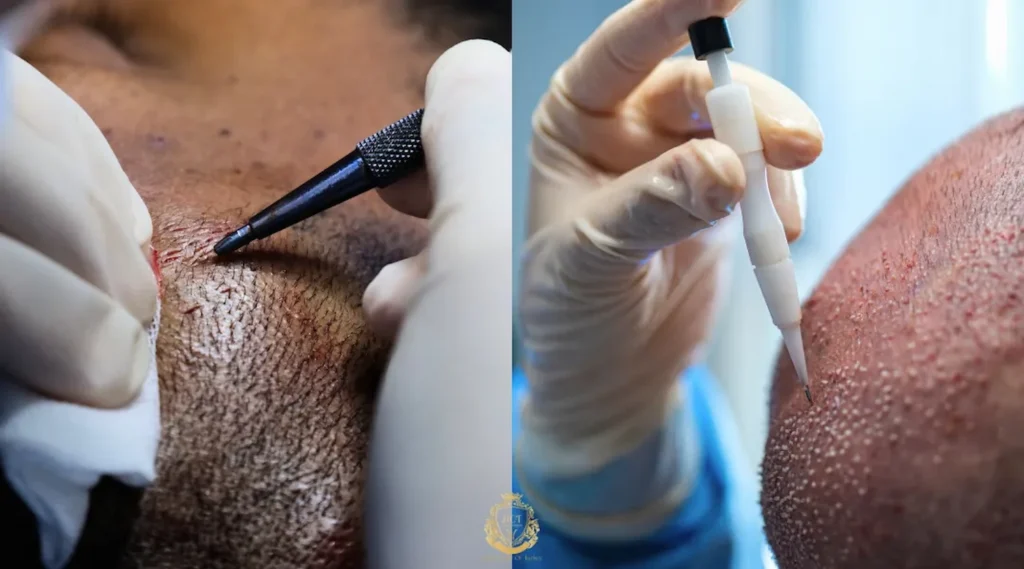
Dr. Antonio Aguilar, an FUE specialist with over 10 years of experience, evaluates donor hair, hair loss patterns, and treatment goals to determine whether surgery is a suitable option.
Key Takeaways
- A hair transplant can be worth it if you have stable hair loss, enough donor hair, and realistic goals.
- FUE and FUT can produce natural-looking, long-lasting results. Risks include scarring, infection, temporary shedding, and uneven growth.
- Costs depend on graft count, technique, and location. Patients should also consider medication, travel, and follow-up expenses.
- New growth often starts within 3–6 months, with results developing over 12–18 months.
- Surgery does not stop future hair loss. A medical evaluation helps determine whether surgery, medication, or both are appropriate.
Is Getting a Hair Transplant Worth It?
Yes, getting a hair transplant can be worth it if you have stable hair loss, enough healthy donor hair, and realistic expectations. It can restore coverage in bald areas, produce natural-looking results, and reduce the need for temporary hair replacement options. Unlike medications, which mainly help protect or improve existing hair, surgery can add coverage to areas where follicles no longer grow.
Still, surgery may not be worth the cost if you have limited donor hair, ongoing rapid hair loss, or expectations that cannot be met. Transplanted hair can last for decades, but surrounding natural hair may continue thinning and require treatment. The American Academy of Dermatology (AAD) explains that some patients need medication to maintain their results.
What Are the Pros and Cons of Hair Transplants?
Hair transplant surgery can restore coverage in areas affected by permanent hair loss. It can also improve how patients feel about their appearance. Yet, like any surgical procedure, it carries risks and has limits.
Benefits of Hair Transplant Surgery
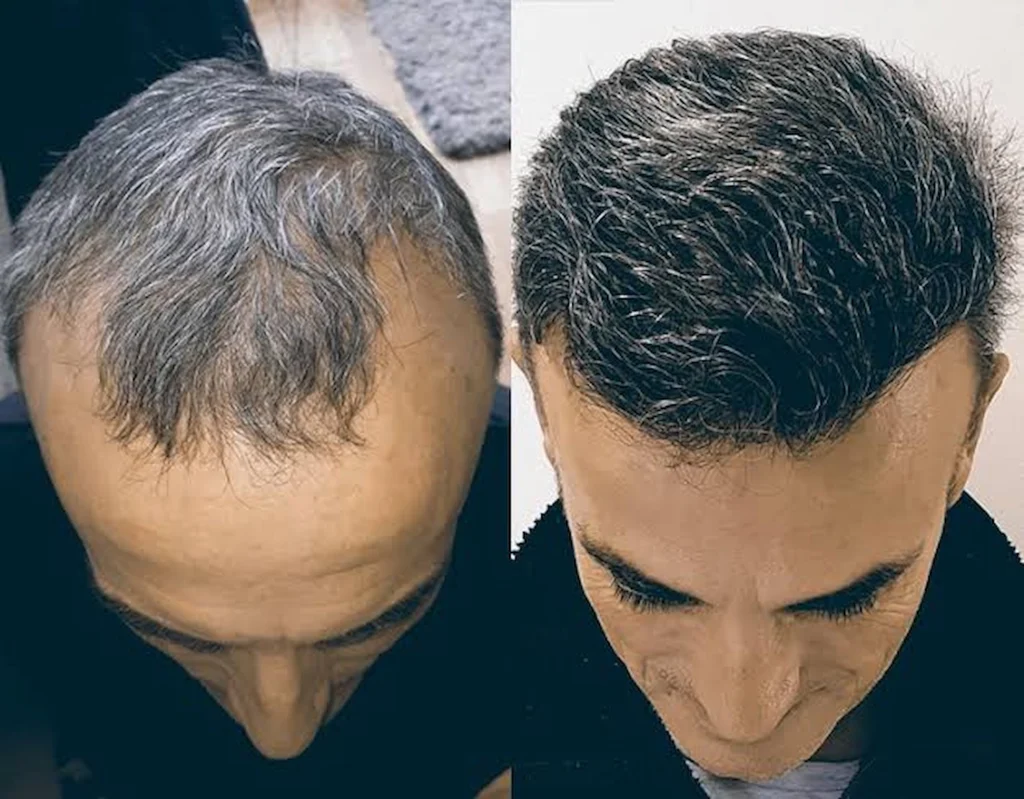
Surgical hair restoration can create a fuller, natural-looking hairline. Transplanted follicles often resist the hormone effects that cause pattern hair loss. Once established, the new hair grows naturally and can be washed, cut, and styled.
A 2025 medical review of hair transplantation found that modern surgical methods can produce lasting results and high patient satisfaction. Still, satisfaction depends on hair density, hairline design, and realistic expectations.
What Are the Downsides of a Hair Transplant?
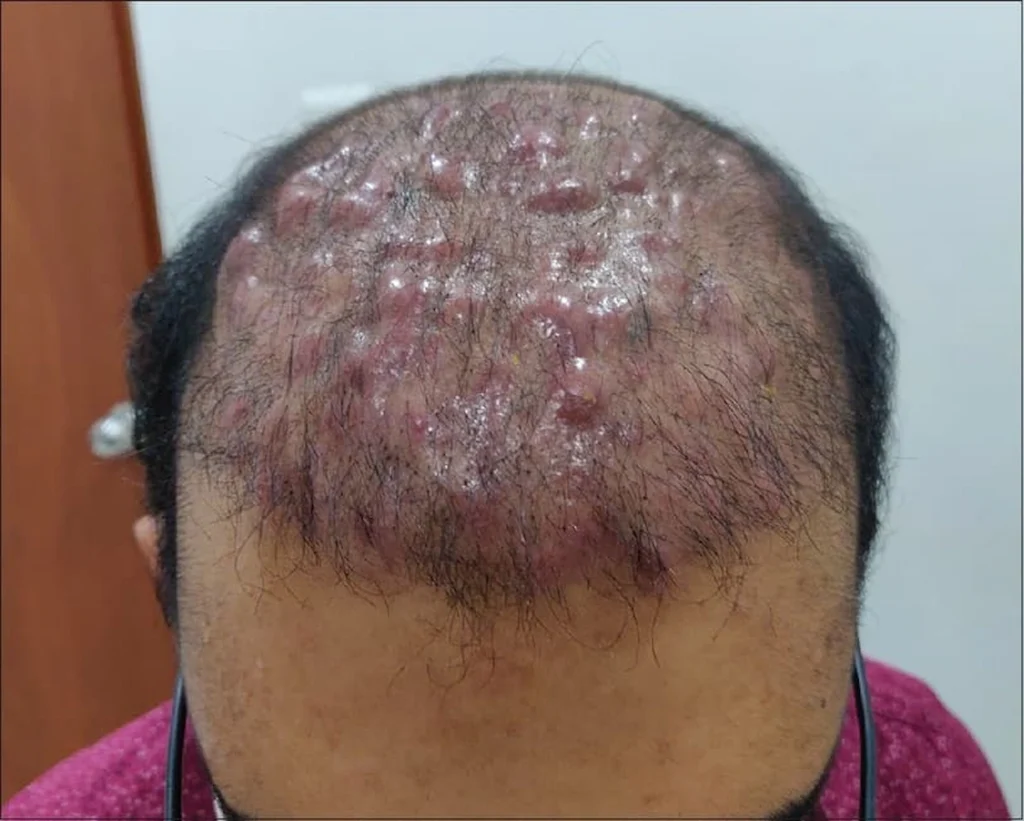
The main risks include scarring, swelling, infection, temporary shedding, and poor graft growth. Some patients may develop an uneven hairline or receive less coverage than expected. These problems can lead to regret, especially when patients expect their original hair density to return.
According to the NHS, hair transplants can also cause bleeding, numbness, and reactions to anesthesia. A qualified physician should explain these risks before surgery.
Who Is a Good Hair Transplant Candidate?
Good candidates usually have stable pattern hair loss, enough healthy donor hair, and a healthy scalp. A doctor checks the cause of thinning, donor density, medical history, and number of grafts needed. Rapid hair loss, active scalp disease, or limited donor hair may make surgery unsuitable.
The NCBI’s clinical review of hair transplantation stresses the need for proper patient selection. It also explains that surgery performed too early may use donor follicles needed for future treatment.
Is a Hair Transplant Worth It for Women?
Yes, a hair transplant can be worth it for women with stable hair loss, healthy donor hair, and thinning in specific areas. It can provide natural-looking, long-lasting results. The success rate of a female hair transplant depends on the cause of hair loss, donor hair quality, and the treatment plan.
However, women with widespread thinning or conditions like thyroid problems or low iron may benefit more from treating the underlying cause first.
How Much Does a Hair Transplant Cost?
Hair transplant costs typically range from $4,000 to $12,000 in the United States. At Hair Restoration Mexico, full FUE procedures range from $6,000 to $10,000 USD, depending on graft count and treatment needs. Patients should also consider medication, travel, and follow-up costs.
Does a Hair Transplant Really Work?
Yes, hair transplantation can restore visible coverage when healthy grafts survive and grow in the treated area. Each hair follicle must heal and establish a blood supply before sustained growth begins. Results depend on donor quality, surgical planning, scalp health, and postoperative care.
Success Rates and Expected Density
Modern techniques can achieve high graft survival rates, but results vary between patients. Understanding the hair transplant success rate helps explain how graft survival, donor hair quality, and surgical technique affect outcomes.
A 2024 study involving 158 FUE patients reported follicle survival above 90%, with more than 85% of patients reaching survival rates above 95% after 12 months. These findings describe that study population and should not be treated as a guarantee for every patient.
Three measures help explain treatment success:
- Graft survival: The share of transplanted follicles that remain alive and establish growth.
- Hair density: The amount of visible hair covering the treated area.
- Patient satisfaction: How closely the final appearance matches the patient’s expectations.
A high graft survival rate does not always produce the desired density. Hair thickness, graft count, scalp contrast, and the size of the treated area also affect the final look.
What Happens 10 Years After a Hair Transplant?
Transplanted hair can last for decades because suitable donor follicles often resist the hormone effects that cause pattern baldness. Yet, surrounding natural hair may keep thinning with age. Some patients need medication or another procedure to maintain balanced coverage.
Is a Hair Transplant Worth the Pain?
Most patients stay awake while local anesthesia numbs the scalp. Anesthetic injections may cause brief discomfort, but patients should feel little pain during the procedure. Mild soreness, swelling, and scalp tenderness may occur afterward.
Recovery and Hair Growth Timeline
Hair transplant recovery happens in stages, starting with scalp healing and temporary shedding. New hair often begins growing within a few months. The NHS explains that results take time and that patients may need several months before seeing meaningful changes.
| Recovery Stage | What to Expect |
|---|---|
| Days 1–7 | Mild swelling, redness, and small scabs |
| Days 8–14 | Scabs fall off as the scalp heals |
| Weeks 2–8 | Temporary shedding may occur |
| Months 3–6 | New hair starts growing |
| Months 6–12 | Hair becomes thicker, and coverage improves |
| Months 12–18 | Results continue to develop and mature |
Follow-up visits allow doctors to check healing, spot complications, and track growth. Patients should follow their physician’s advice on washing, medication, and physical activity.
Hair Transplants vs. Other Hair Loss Treatments
Surgical and nonsurgical treatments work differently. Surgery moves healthy follicles into areas with permanent hair loss, while medication may slow thinning or improve existing hair. The right choice depends on the diagnosis, hair loss pattern, and treatment goals.
FUE vs. FUT Hair Transplants
Follicular unit excision (FUE) removes small groups of follicles from the donor area. Follicular unit transplantation (FUT) removes a strip of scalp that is divided into individual grafts. Both methods move hair into a bald area, but FUE leaves small scattered scars while FUT usually leaves one linear scar.
Direct hair implantation (DHI) describes a placement method that may use an implanter pen. It does not replace FUE or FUT as a donor harvesting method or guarantee better results. Surgical planning, graft handling, and physician involvement matter more than the technique’s name.
Medications and Nonsurgical Alternatives
Minoxidil and finasteride may slow pattern hair loss and help maintain existing hair in suitable patients. Other options include platelet-rich plasma (PRP), scalp micropigmentation, and cosmetic hair systems. These treatments serve different purposes and do not all restore natural hair growth.
The AAD’s hair loss treatment guide explains how treatment depends on the cause of hair loss. A physician can determine whether medication, surgery, or a combined approach is appropriate.
Frequently Asked Questions
Can a Hair Transplant Fail?
Yes, a hair transplant can fail if grafts do not survive or grow as expected. Infection, poor graft handling, scalp disease, or surgical problems may affect results. A physician can examine the area and determine whether corrective treatment is possible.
Will I Need Another Hair Transplant?
Not everyone needs a second procedure. Some patients need more surgery if their hair continues to thin or the first procedure provides limited coverage. Long-term planning helps protect donor hair for possible future treatment.
A medical evaluation can help determine if a hair transplant is right for you. Schedule a free consultation with Hair Restoration Mexico to discuss your hair loss, treatment options, and expected results.