
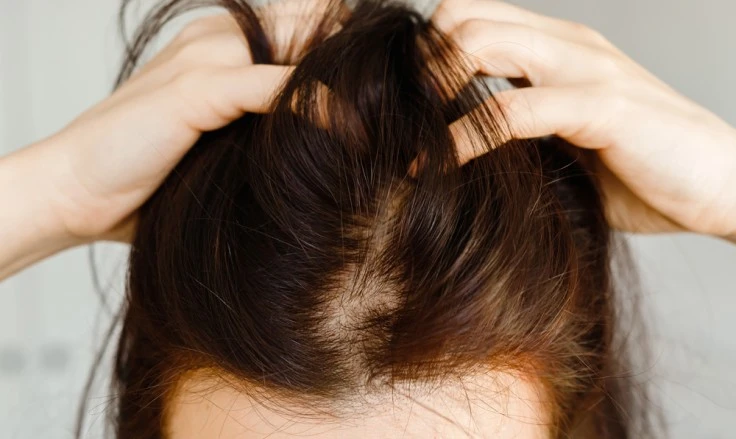
Dr. Antonio Aguilar, a specialist in FUE (Follicular Unit Extraction), explains that outcomes can vary based on individual factors, including donor hair quality and overall scalp health. Results are typically long-lasting because transplanted hair is taken from areas resistant to thinning, but outcomes can differ depending on clinical planning and patient characteristics.
Success is often more predictable with localized thinning, such as traction or scarring, than with diffuse patterns seen in female pattern hair loss. A proper medical evaluation helps determine candidacy and identify factors that may influence results, including donor hair quality and ongoing changes in density.
While high success rates are achievable, expectations should focus on improving coverage rather than on fully restoring the original volume.
Key Takeaways
- The female hair transplant success rate is typically high, with graft survival often ranging from 85% to 95%, but final density depends on hair characteristics and placement.
- Results vary based on the thinning pattern, donor area quality, and whether the condition is stable or diffuse.
- A medical evaluation is essential to determine candidates for hair restoration procedures and ensure proper planning.
- Transplanted hair is generally permanent, but surrounding strands may continue to thin over time.
- Understanding limitations and recovery timelines helps set realistic expectations.
Are Female Hair Transplants Successful?
Female hair restoration procedures can be effective when patients are properly selected and treated. The success rate of a female hair restoration procedure is influenced by donor quality, stability of thinning, and surgical technique. Women experiencing hair thinning across the scalp may see more gradual improvements compared to localized areas.
Unlike male pattern baldness, female pattern hair loss often appears as diffuse thinning. This affects how transplanted hair is distributed and how density appears over time. A medical evaluation helps determine if the expected outcome is achievable.
For example, a patient with a well-defined frontal thinning area may show greater visible density than someone with diffuse thinning across the scalp.
Female Hair Transplant Success Rate by Age
The success rate by age tends to be more predictable in patients with stable thinning patterns, which are more common after the mid-30s. Younger women may still have active or progressive hair loss, which can affect how transplanted hair blends over time. This does not lower graft survival, but it can impact the overall appearance as native hair continues to thin.
In older patients, results are often more consistent because the female pattern of hair loss is more stable. However, donor density and overall scalp health also play a role, regardless of age. A medical evaluation helps determine whether timing is appropriate based on long-term expectations rather than age alone.
Is a Female Hair Transplant Worth It?
A female hair restoration procedure may be appropriate when thinning is stable and expectations are realistic. A detailed evaluation of benefits, limitations, and expectations, such as this guide on whether hair restoration is worth it, can help support informed decision-making.
The process redistributes existing hair follicles rather than creating new ones. Results depend on donor availability and proper planning.
Patients often consider:
- Stability of thinning
- Donor density
- Expected improvement
These factors help determine whether the approach aligns with personal goals. In some cases, supportive treatments such as platelet-rich plasma may be used alongside the procedure to help improve scalp conditions and support overall hair health.
How Long Does a Female Hair Transplant Last?
Transplanted hair is typically permanent because it comes from areas of the scalp that are resistant to thinning. Once implanted, these hair follicles continue to grow in the new location. However, surrounding strands may continue to thin, especially in female pattern baldness.
Long-term outcomes depend on follow-up and ongoing care, including proper rest and positioning, as explained in the section on how to sleep after a hair restoration procedure.
Some patients may need additional sessions to maintain density.
Frontal Female Hair Transplant Cost
The cost of a frontal hair restoration surgery for women depends on the number of grafts and the size of the treatment area. Smaller areas require fewer grafts, while larger areas require more planning and a higher graft count.
In Mexico, a single-area FUE procedure, such as the hairline or crown area, typically ranges from $4,500 to $8,000. A full FUE session may range from $6,000 to $10,000, depending on the number of grafts and the complexity of the case.
Demand for hair restoration in women has increased as techniques have become more refined and widely available. Patients often compare options across countries such as Mexico, the United States, and Turkey. Differences may relate to physician involvement, regulatory standards, and continuity of care.
How Success Rates Are Measured
Graft Survival Rate
Graft survival rate measures the percentage of transplanted hair follicles that grow successfully. This is a key indicator of a successful procedure. “Proper handling and postoperative care influence survival, and following structured guidelines such as post-hair restoration procedure care instructions supports consistent results.
Hair Density and Coverage
Density refers to how closely hair follicles are placed, while coverage refers to how well the scalp is concealed. Both affect how natural the result appears.
Key Factors That Affect Success Rates
Hair Loss Type in Women
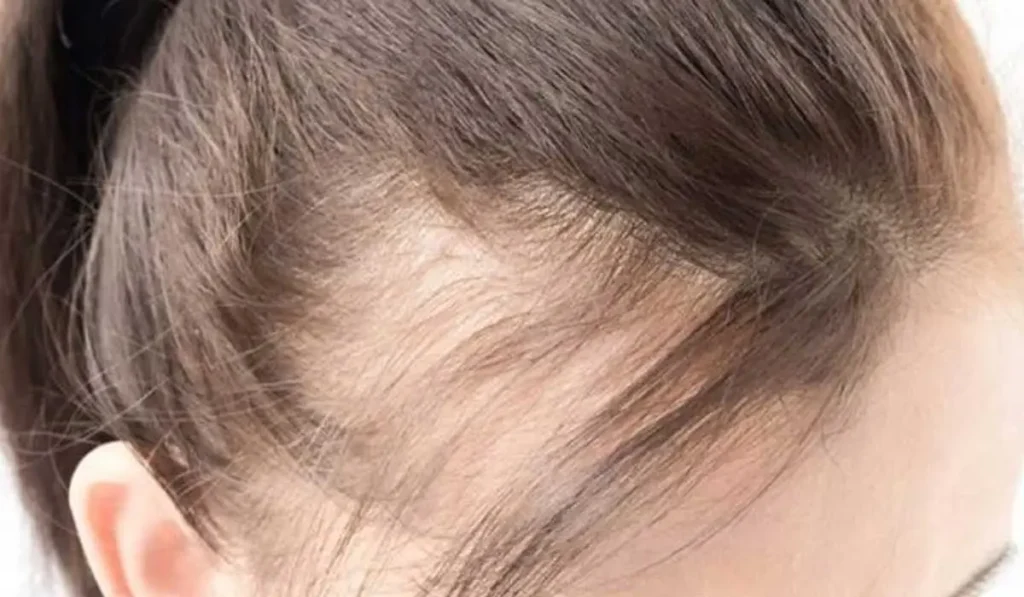
Hair loss in women may be localized or diffuse. Female pattern hair loss can limit how effectively transplanted hair blends with existing strands. Identifying the pattern is essential before surgery.
Donor Hair Quality
A strong donor area is required to provide healthy hair follicles. Low donor density reduces the number of available grafts and affects outcomes.
Surgeon Technique and Experience
Techniques such as follicular unit transplantation and FUE influence outcomes, and understanding the differences between methods like FUE vs DHI techniques can help clarify expectations. Precision during implantation supports better graft survival.
Medical Evaluation and Treatment Planning
A medical evaluation includes scalp assessment and review of thinning patterns. This helps identify candidates for hair restoration and determine suitability. Dr. Antonio Aguilar highlights the importance of individualized planning.
A treatment plan outlines the number of grafts, technique, and expected results. Clinical guidelines emphasize identifying underlying causes before surgery. This supports safer outcomes and improves the success rate of a female hair restoration procedure. During this stage, physicians determine candidates for a hair transplant procedure based on donor strength, scalp condition, and long-term stability.
When a Hair Restoration Procedure May Not Be Recommended
A procedure may not be suitable for patients with diffuse thinning across the entire scalp. In these cases, there may not be a strong donor area to support the redistribution of hair follicles. Active shedding or untreated conditions can also affect outcomes.
Patients with low donor density may not achieve sufficient coverage. In such cases, non-surgical options may be considered before proceeding.
Expected Results
Most patients begin to see changes within the first few months, but full results develop gradually as transplanted hair follicles enter normal growth cycles.
In terms of outcomes, patients should expect improved coverage rather than full restoration of original density. Some grafts may not survive, and results depend on donor quality, technique, and postoperative care. Additional sessions may be needed for extensive thinning or ongoing hair loss in women.
Why Results May Vary or Fail
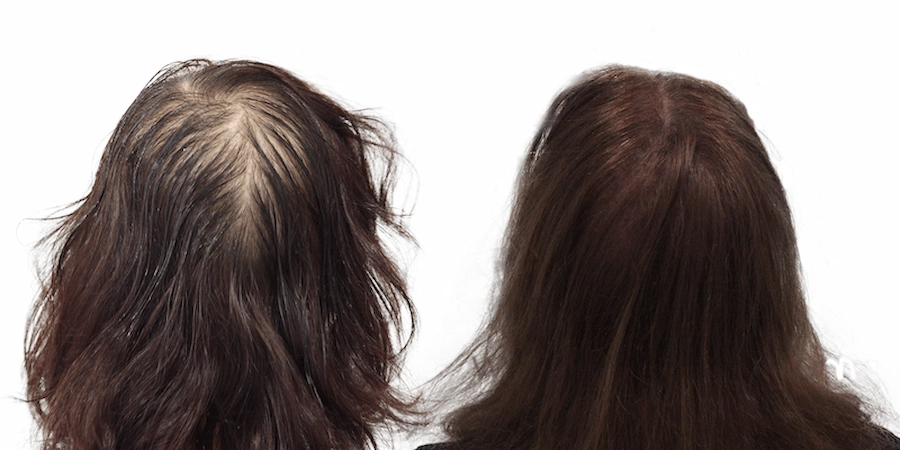
Results may vary due to poor candidacy, low donor density, or ongoing thinning. These factors affect how transplanted hair integrates with existing strands. A proper evaluation helps reduce these risks.
Risks and Outcome Variability
Shock loss may occur as temporary shedding after treatment. Uneven hair growth can also occur during the healing phase. Some patients may require additional procedures depending on long-term patterns.
A hair transplant surgery involves extracting and implanting hair follicles in a controlled clinical setting, and outcomes depend on technique and follow-up. Proper handling and placement are important to support consistent hair growth after implantation.
Understanding these elements helps explain why results can vary between individuals, especially among women experiencing hair changes over time. For those seeking a personalized assessment, scheduling a medical consultation can help clarify candidacy, expected results, and appropriate treatment options.