
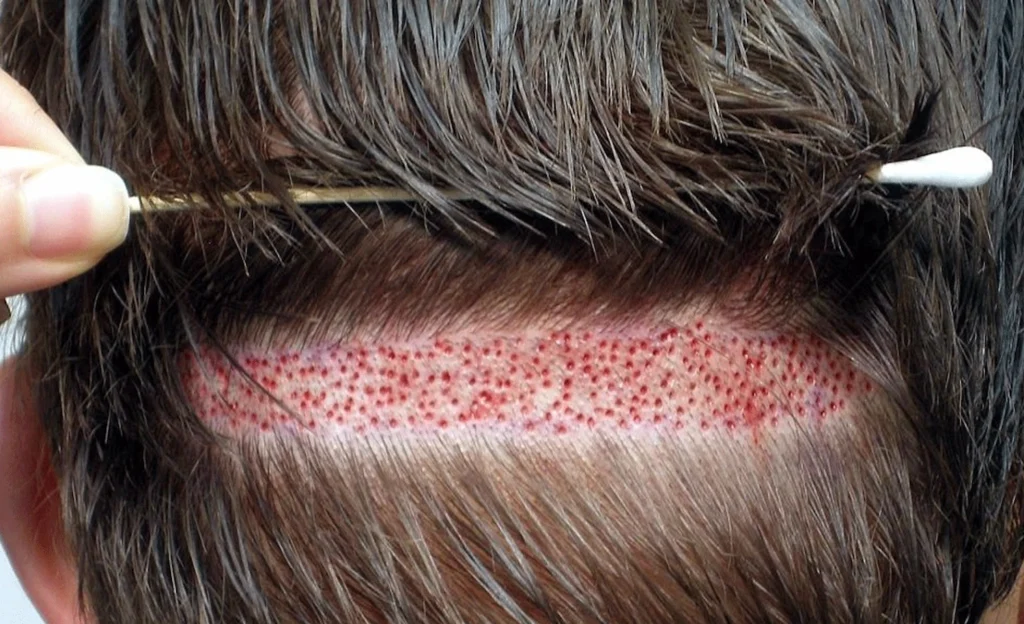
Transplanted hair can last for decades, but natural hair loss may continue after 4, 10, or 20 years. Risks include infection, scars, poor growth, and uneven coverage. Hair Restoration Mexico, located in San Pedro Garza García, Monterrey, offers doctor-led hair restoration procedures under Dr. Antonio Aguilar, who has over 10 years of experience performing hair transplants.
Key Takeaways
- Hair graft survival often ranges from 85% to 95%, but results depend on donor hair, surgical care, and healing.
- FUE and FUT can both provide lasting growth. Neither method guarantees better results.
- New hair growth often begins within 3 to 4 months. Most patients see fuller results within 12 to 18 months.
- Transplanted hair can last for decades. Natural hair loss may still affect scalp coverage after 10 or 20 years.
- Poor graft survival, infection, and ongoing hair loss can affect results. Medical care and follow-up help reduce and manage these risks.
What Is the Hair Transplant Success Rate?
The success rate for a hair transplant measures how many transplanted follicles survive and grow. Graft survival typically ranges from 85% to 95% for graft survival in favorable clinical settings. To understand how successful hair transplants are in practice, doctors also assess donor hair quality, patient health, and the final coverage. These factors help explain why results vary between patients.
What Does Clinical Research Show?
A four-year study of 112 FUT patients found that transplanted hair density decreased to varying degrees in most participants over time. This shows that strong initial growth does not always mean the same density will remain years later. Long-term results also depend on aging, ongoing hair loss, and individual health.
How Are Graft Survival Rates Measured?
Doctors check how many transplanted hair follicles grow in the recipient area. They compare photos, hair counts, and scalp density before and after surgery. Graft survival is not the same as patient satisfaction, since good growth may still leave areas with less coverage than expected.
FUE vs. FUT Success Rates
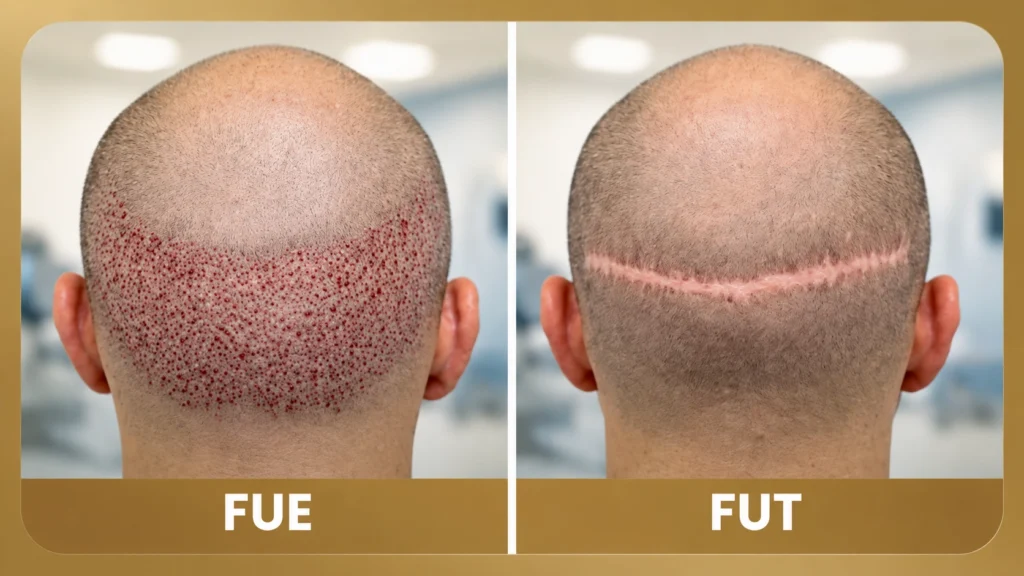
Follicular unit extraction (FUE) removes hair follicles one group at a time from the donor area. Follicular unit transplantation (FUT) removes a thin strip of scalp, then divides it into grafts. Both methods can work well, but results depend on careful graft handling and proper surgical care.
Hair Transplant Success Rates for Men and Women
A 2024 study of 158 men found that over 90% of transplanted follicles survived, with more than 85% of patients achieving graft survival above 95% after 12 months.
For women, reliable research is not sufficient to establish a separate success-rate percentage. Women with stable donor hair can achieve good results, but widespread thinning may limit the number of suitable grafts.
What Factors Affect Hair Transplant Success?
Several factors can affect how well new follicles grow. Doctors check scalp health, donor hair, and the type of hair loss before surgery. This helps them decide if a patient is a good candidate for treatment.
Donor Hair Quality and Hair Loss Severity
The donor area is usually at the back or sides of the head. Hair from these areas often resists pattern hair loss better. Patients with severe baldness or limited donor hair may not have enough grafts for full coverage.
Surgeon Experience and Graft Handling
Experienced surgeons know how to remove, store, and place hair grafts without causing excess damage. Poor handling can damage follicles or keep them outside the body too long. Careful placement also helps new hair grow in a natural direction.
Medical Conditions and Patient Eligibility
Some health problems and scalp diseases can affect healing and hair growth. Before hair transplant surgery, a doctor should review the patient’s health, medications, and hair loss pattern. Active scalp disease or unstable hair loss may require treatment before surgery.
Postoperative Care and Recovery
Good post-surgery care helps protect new grafts as they heal. Patients should avoid rubbing the scalp and follow their doctor’s post-hair transplant care instructions, including washing and activity rules. Follow-up visits help identify infection, slow healing, or unusual hair loss.
Patients considering treatment in Mexico, Turkey, or the United States should compare medical care and safety standards. Clinics may differ in doctor involvement, staff training, and follow-up care. These details matter more than the country alone.
When Will Hair Transplant Results Appear?
Hair growth takes time because follicles follow a natural growth cycle. Your scalp may look better soon after surgery, but that doesn’t reflect the final result. Most patients need several months to see clear changes, as the hair transplant recovery timeline includes several stages of healing and new growth.
Early Healing and Temporary Hair Shedding
During the first two weeks, the scalp may feel sore, red, or swollen. Small scabs form around the grafts and usually fall off as the skin heals. The new hair shafts may shed within weeks, but this is often a normal part of recovery.
Hair Growth After 3 to 6 Months
New hair often starts growing around three to four months after surgery. By six months post-surgery, many patients see better coverage, though the hair may still look thin. Growth speed varies based on healing and the natural hair cycle.
Final Results After 12 to 18 Months
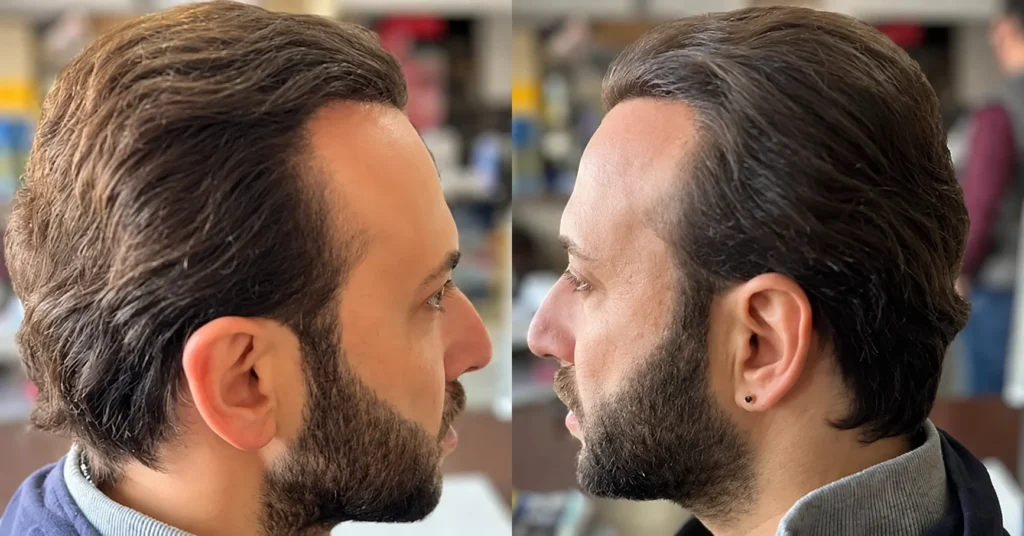
Most patients see a clear change in hair density around 12 months. Crown growth may take up to 18 months to look fuller. Hair can also become thicker during this time, so doctors use follow-up photos to track changes.
Is a Hair Transplant Permanent?
Yes, hair transplants are generally permanent because transplanted follicles often resist the hormones that cause pattern hair loss. These follicles can continue growing for decades, although some may thin with age. Natural hair around the treated area can still fall out, which may affect overall coverage over time.
What Happens 10 Years After a Hair Transplant?
After 10 years, many transplanted follicles may still grow hair. Natural hair around them may become thinner, which can change the look of the scalp. Some patients may need medicine or another procedure to treat new areas of hair loss.
What Happens 20 Years After a Hair Transplant?
After 20 years, aging and ongoing hair loss may reduce overall scalp coverage. Long-term studies covering this period are limited, so doctors cannot predict exact results. A four-year FUT study found that some patients lost hair density over time, even after initial growth.
Why Do Some Hair Transplants Fail?
A hair transplant procedure may not meet expectations if too few grafts grow or coverage looks uneven. Poor healing, follicle damage, and continued hair loss can also affect the outcome. A medical review can help find the cause and possible next steps.
Poor Graft Survival and Uneven Growth
Some hair grafts fail to grow because they were damaged during surgery or did not get enough blood flow. Poor storage or handling can also lower survival rates. Uneven placement may leave gaps or make the hairline look less natural.
Continued Hair Loss and Insufficient Coverage
Hair restoration moves healthy follicles but does not stop future genetic hair loss. Patients may lose more natural hair around the treated area over time. If the donor area has few healthy follicles, full coverage may not be possible.
Complications That Can Affect Results
Common side effects include swelling, redness, mild pain, and scabs. Less common problems include infection, scars, and poor hair growth. Patients concerned about serious surgical risks can also review information about the hair transplant death rate and the importance of medical screening before surgery. Patients should seek medical care if they develop fever, worsening pain, spreading redness, or fluid draining from the scalp.
Understanding the differences between FUE and DHI can help patients learn how each method places grafts. Both techniques require proper planning and medical care. DHI uses a special pen to place follicles in the scalp, but this tool does not guarantee better results. A doctor can help choose the right type of hair transplant based on scalp health, donor hair, and treatment goals.
Hair transplant results depend on your hair loss pattern, donor hair quality, and overall scalp health. At Hair Restoration Mexico, Dr. Antonio Aguilar can assess your condition and explain your treatment options. Schedule a free consultation to learn what results you can realistically expect.