
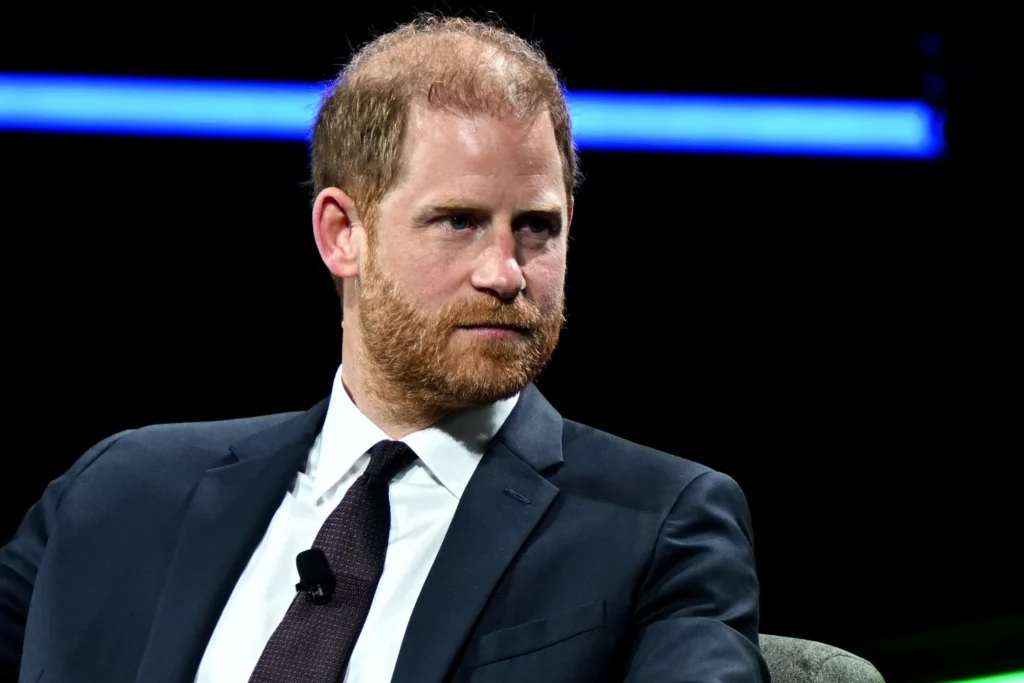
Photos cannot prove that he underwent FUE (follicular unit extraction), FUT (follicular unit transplantation), or another procedure. They do not show donor harvesting or transplanted grafts. A proper exam would check donor density, crown loss, frontal recession, and future thinning. Hair Transplant Mexico uses medical exams for similar cases instead of relying on photos alone.
Key Takeaways
- The Duke of Sussex has never publicly confirmed a restoration procedure, so claims that he had surgery remain unverified.
- His temple recession and crown thinning fit a common male pattern loss pattern, but photos alone cannot confirm a diagnosis or procedure.
- Changes in photos may come from lighting, styling, length, products, medication, or surgery, so before-and-after comparisons need context.
- A similar case requires checks of donor density, future loss, treatment goals, and whether FUE, FUT, medication, or observation may be suitable.
- Native follicles can keep thinning after surgery, so long-term planning and follow-up still matter.
Did Prince Harry Get a Hair Transplant?
No reliable public statement confirms that the Duke of Sussex underwent a hair transplant. Some photos show fuller coverage at certain times, but that does not prove surgery. Appearance can change because of lighting, styling, length, medication, or thickening products.
His brother Prince William also shows male pattern loss. This suggests that genetics may play a role within the royal family. Even brothers can develop thinning at different rates and in different areas.
Prince Harry’s Hair Before and After
Earlier photos show thicker coverage and less temple recession. Later before-and-after comparisons show more visible scalp at the temples, mid-scalp, and crown. The change appears to have developed over many years.
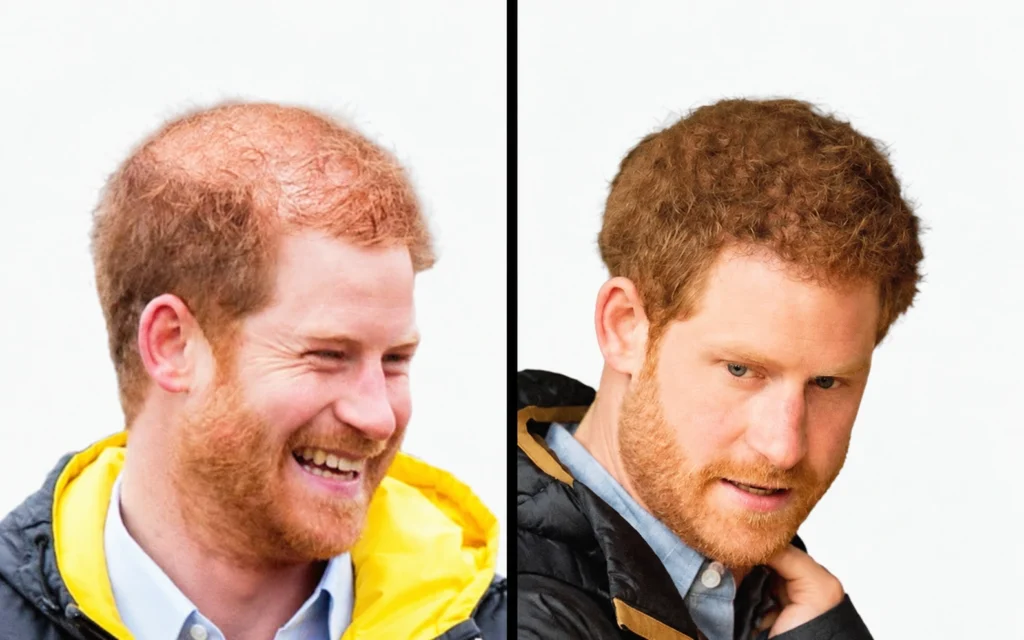
Changes Seen Around 2017
Some photos from 2017 made the frontal area look fuller. This led to more talk about possible surgery. Styling, medication, fibers, lighting, or other products could also explain the change. Similar uncertainty appears in other celebrity cases, such as discussions about the Pierre Gasly hair transplant, where photos alone cannot confirm whether surgery took place.

What Before-and-After Photos Can Show
Photos can show changes in density, scalp visibility, and hairline shape. They cannot show donor density, weak follicles, scalp health, or transplanted grafts. Fair comparisons also need similar lighting, angles, length, and styling.
Prince Harry Hair Loss Timeline
The Prince Harry hair loss timeline suggests slow recession through his late twenties and thirties. Crown thinning became more noticeable later. Public interest also grew after his marriage to Meghan Markle. Photos can show a trend, but they cannot give a medical diagnosis.
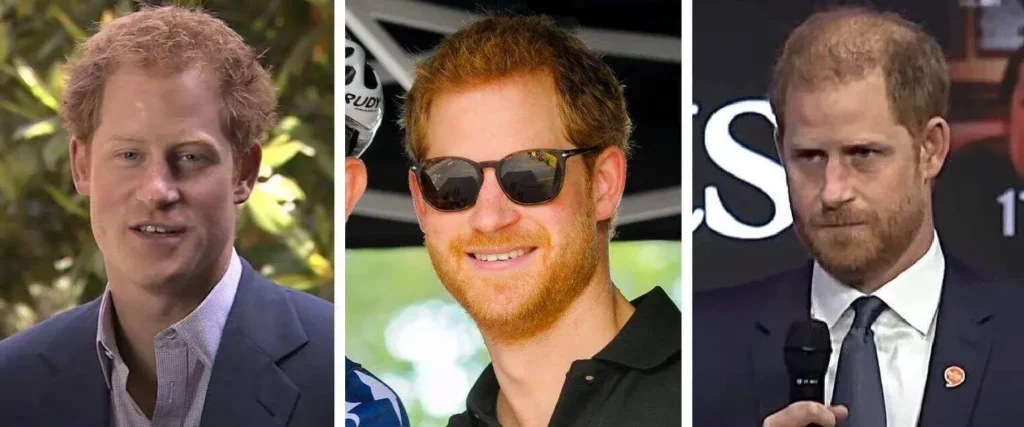
What Is Going on with Prince Harry’s Hair?
His visible pattern fits male pattern baldness, but only a medical exam could confirm it. This condition often affects the temples, front, and crown. Surgery can move healthy follicles into thinner areas, but it doesn’t stop untreated native growth from weakening.
How the Norwood Scale Explains the Pattern
Doctors use the Norwood scale to describe common stages of male pattern loss. It covers changes such as temple recession and crown thinning. His photos show features seen in this pattern, but it’s not accurate to assign a stage from photos alone.
Could Treatment Explain Fuller Hair?
Medical treatment can make thinning hair look fuller in some people. Finasteride and minoxidil may slow loss or improve density, while longer styling or fibers can improve coverage. There is no confirmed evidence that he has used these treatments.
What Hair Transplant Could He Need?
A person with a similar pattern would first need a check of donor density, future loss, and treatment goals. FUE removes follicles one by one, while FUT (follicular unit transplantation) removes a strip of donor skin and divides it into grafts. DHI (direct hair implantation) usually refers to placing grafts with a pen-like tool rather than removing them separately.
A FUE vs. DHI hair transplant comparison can help explain the difference between follicle extraction and the tools used for graft placement.
Doctor involvement matters during diagnosis, planning, graft removal, placement, and follow-up. Patients comparing Mexico, Turkey, and the United States should look at medical oversight, regulations, doctor involvement, and follow-up, not just price. These factors can vary from one clinic to another in any country.
How Many Grafts Might He Need?
Photos cannot show the exact number of grafts a person would need. One published estimate suggested about 1,500 to 2,000 grafts for treatment focused on the front, but this remains a guess. A real plan needs scalp measurements, a donor check, and clear treatment goals.
The crown may need many grafts because it covers a wide area. Similar planning applies to a hair transplant for a bald spot, since the area size and available donor supply affect the number of grafts needed. If donor supply is limited, a doctor may focus on the front first. This can also save grafts for future loss.
Could a Hair Transplant Fail?
Visible thinning after surgery does not always mean the grafts failed. Native follicles may continue to weaken around transplanted growth. Poor planning, weak donor supply, technical problems, or limited crown coverage can also affect the final look.
Growth also takes time. New growth often starts becoming visible after several months, while fuller results may take about a year. Follow-up visits help doctors check healing, growth, and any new loss.
How Similar Hair Loss Is Evaluated
Before surgery, a doctor should identify the cause and stage of thinning hair. Candidacy depends on donor density, age, future loss, scalp health, and realistic goals. Dr. Antonio Aguilar, a specialist in FUE and hair restoration, checks these factors in similar cases at Hair Transplant Mexico in San Pedro Garza García, Monterrey.
Planning should also consider future loss. A restored frontal area may look out of place if the growth behind it continues to thin. Regular follow-up helps doctors track healing, growth, and changes in untreated areas.
Frequently Asked Questions
When Did Prince Harry Start Losing Hair?
Public photos suggest that temple recession became visible in his late twenties. It became clearer during his thirties, while crown thinning appeared later. Photos alone can’t confirm the exact start.
Can a Hair Transplant Restore Crown Hair?
Yes, hair restoration can add crown coverage when a patient has enough healthy donor follicles. A crown hair transplant requires careful planning because the area size and natural growth pattern can affect graft needs. Density depends on the number of grafts, crown size, strand type, and future loss. A medical exam can help determine whether to treat the crown, frontal area, or both first.
A medical evaluation can help determine the cause of thinning, donor strength, and whether surgery or another treatment may be suitable. Schedule a consultation with Hair Transplant Mexico to review your options with Dr. Antonio Aguilar.