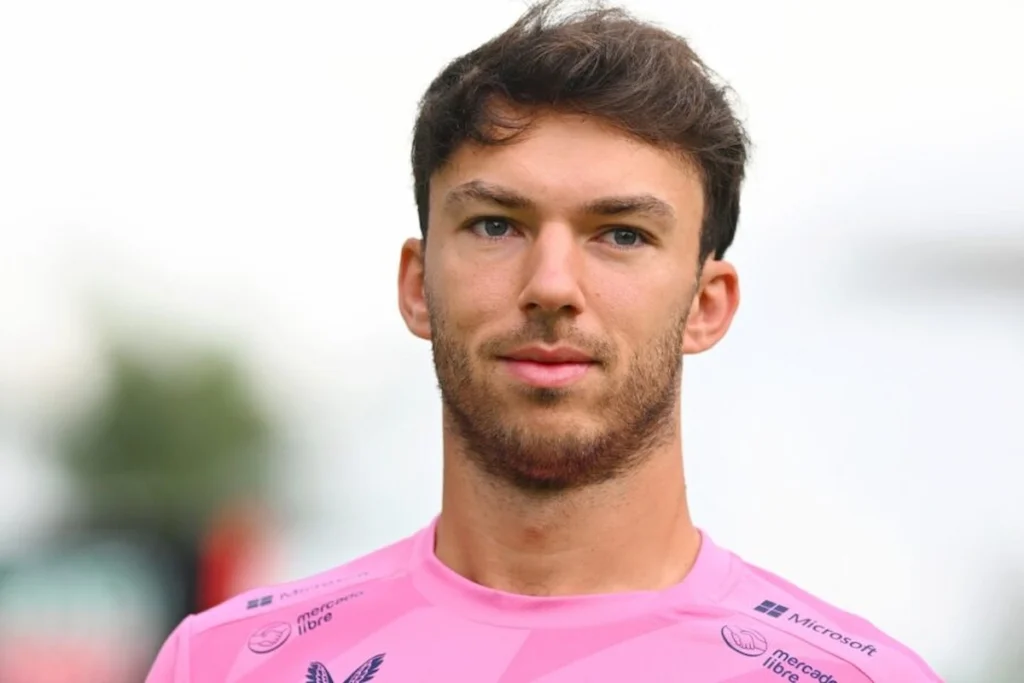
The discussion grew after Max Verstappen joked that his former teammate had received a “small upgrade,” but the comment does not confirm medical treatment. Racing helmets can rub against the scalp, yet there is no proof that helmet use caused the visible temple changes.
A proper assessment would examine density, miniaturization, donor supply, medical history, and the pattern of loss. Hair Transplant Mexico treats these questions as medical issues that require direct evaluation, not conclusions based on photographs.
Key Takeaways
- No public statement or medical record confirms that the French racing driver underwent restoration surgery.
- Photos show changes around the frontal area and temples, but styling, lighting, aging, and camera angles can create similar effects.
- Public images cannot confirm male pattern baldness, medication use, or whether FUE, DHI, or another method was used.
- A doctor would need to assess miniaturization, donor density, scalp health, and future loss before suggesting treatment.
- Athletes may need to plan recovery around helmets, sweat, training, and follow-up care.
Did Pierre Gasly Get a Hair Transplant?
No verified statement from the Formula 1 driver confirms surgery. No clinic or physician has publicly said that they treated him. Current hair transplant rumors mainly come from before-and-after comparisons and social media discussion.
What Has Been Publicly Confirmed
Only public photos, interviews, and videos are available to review. He is a professional athlete who appears under different lighting, hairstyles, lenses, and camera angles. These images cannot show donor quality, follicle miniaturization, scalp health, or proof of a hair restoration procedure.
Why the Answer Remains Uncertain
A well-planned procedure can create natural results that are difficult to identify in everyday photos. Age, styling, length, and lighting can also alter the appearance of the frontal hairline without surgery. Images can support discussion, but they cannot confirm what treatment someone has received.
Pierre Gasly Hair Transplant Before and After
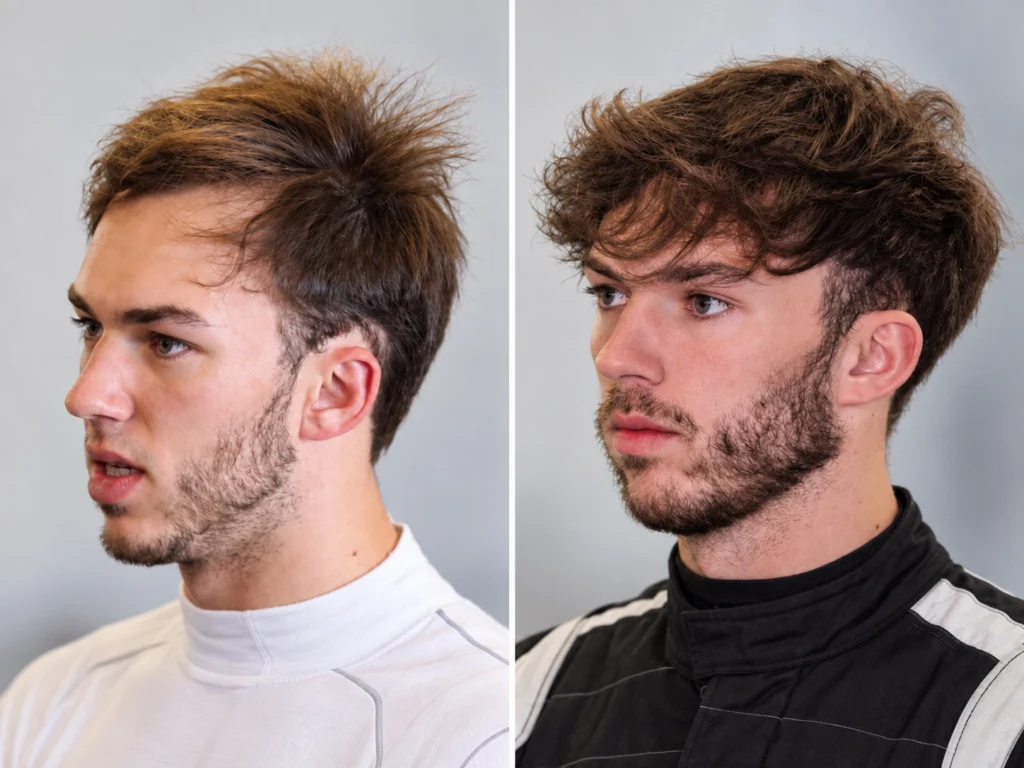
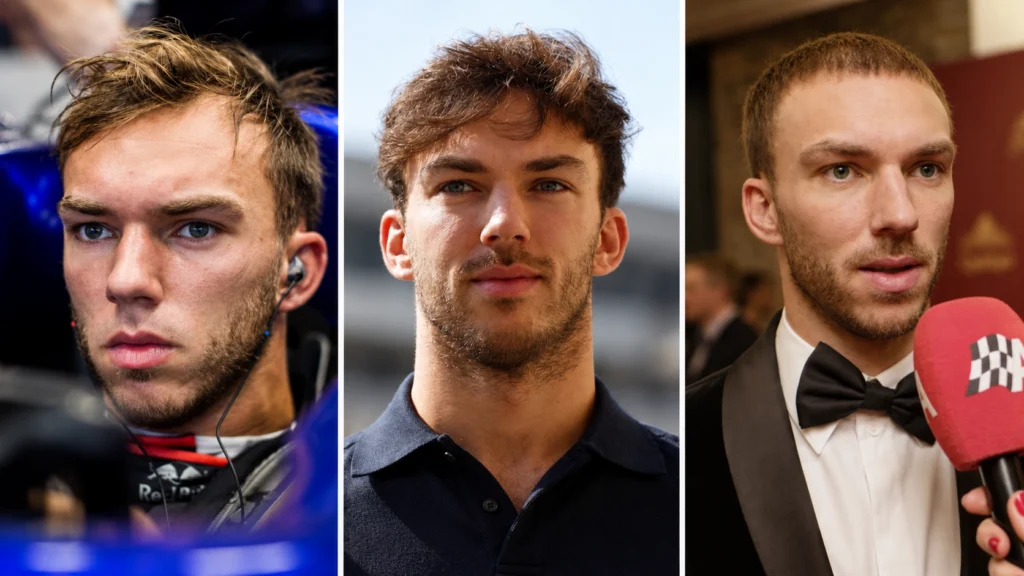
Before-and-after images are a major source of speculation because newer photos sometimes show a stronger frontal frame. Yet pictures taken years apart rarely use the same lighting, style, length, or camera setup. Those differences make direct comparisons less reliable.
Pierre Gasly Before Hair Transplant Rumors
Older images sometimes show mild recession around the temples. Other photos from similar periods show strong density through the center. A mature adult hairline can move back slightly without being clear evidence of male pattern baldness.
Changes in His Hairline and Temples
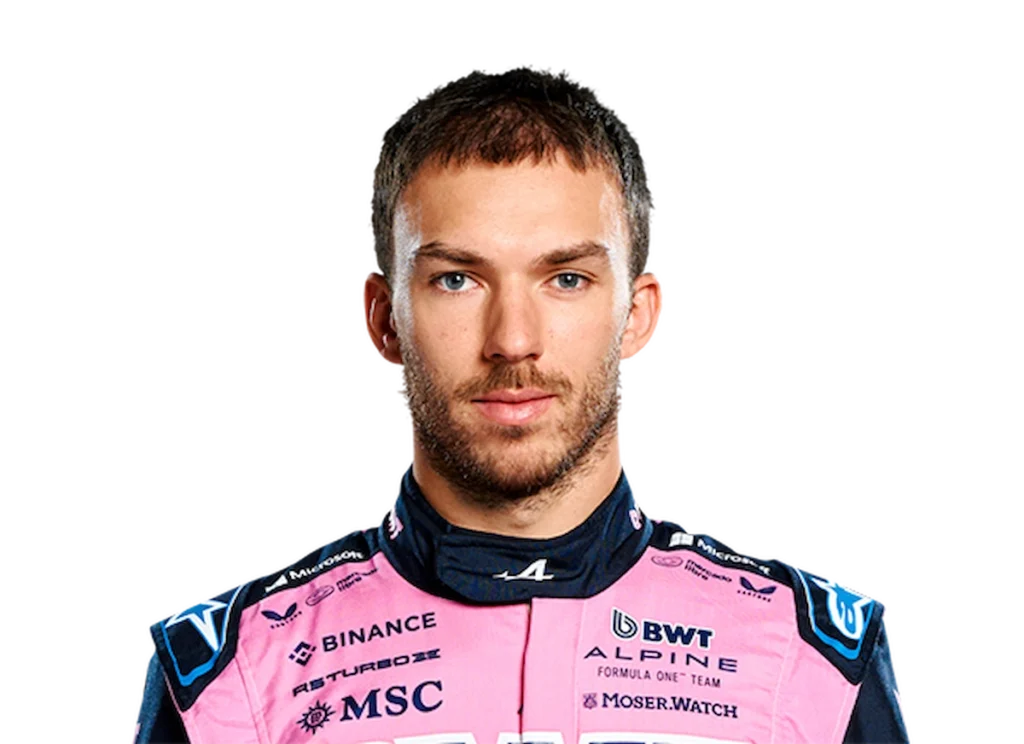
Pierre Gasly’s hairline appears more open at the temples in some images and fuller in others. When fans notice these changes, surgery may seem like one possible explanation. F1 drivers move between helmets, outdoor light, media areas, and studio settings, all of which can change how dense the hair looks.
Haircut, Styling, and Photo Differences
A longer front style can cover the temples and make the frontal edge appear lower. A short or brushed-back cut can expose more of the same area. Pierre Gasly’s hairline can also look different depending on lighting, hair texture, moisture, and camera angle.
Is Pierre Gasly Balding?
Public photos are not enough to diagnose progressive loss. A doctor would need to review density, miniaturization, family history, shedding, scalp health, and changes over time. Male pattern baldness can follow common patterns, but images alone cannot establish that diagnosis.
Pierre Gasly Hair Loss Signs
The main visible feature discussed online is mild recession around the temples. This can also occur when a teenage hairline develops into a mature adult pattern. A doctor can examine follicles closely to determine whether they are becoming smaller over time.
Mature Hairline vs. Male Pattern Hair Loss
A mature hairline may sit slightly higher than it did during adolescence and then remain stable for years. Male pattern loss is more likely to keep progressing through the temples, frontal area, crown, or several regions at once. Long-term clinical evidence is needed to distinguish between the two.
Could Hair Loss Treatment Explain Fuller Hair?
A fuller appearance does not always require surgery. Treatments such as minoxidil or prescription drugs may help some patients maintain existing growth or improve the look of thinning areas. No public proof shows the driver used any such treatment, so this remains only one possible explanation.
Could a Hair Transplant Explain It?
Surgical restoration could increase density at the front of the scalp, but that doesn’t mean it happened here. A treatment plan depends on donor supply, future loss, age, strand characteristics, and personal goals. Patients comparing Mexico, Turkey, the United States, or other regions should focus on physician involvement, medical oversight, and follow-up care.
Useful points to compare include:
- Doctor involvement in planning and surgery
- Clinic and medical oversight
- Follow-up after the procedure
- Access to care after traveling home
FUE, DHI, and FUT
Follicular unit extraction removes individual follicles with small punches. FUT (follicular unit transplantation) removes a strip of donor skin, which can leave a linear scar, while DHI often refers to placing grafts with pen-style tools.
These methods are established options in modern restoration, but no single technique suits every patient. Comparing FUE and DHI hair transplant techniques can help explain how extraction and implantation methods differ.
Hairline Design and Graft Placement
A natural-looking result depends on more than the number of grafts used. Doctors consider strand thickness, curl, donor density, future loss, face shape, and placement angle. Careful planning also helps preserve donor supply in case future treatment becomes necessary.
Why Graft Counts Cannot Be Confirmed
You can’t reliably estimate graft count from public images. The number required depends on treatment area, current density, donor capacity, strand characteristics, and the patient’s goals. Dr. Antonio Aguilar’s clinical work shows why a direct examination is needed before creating a personalized plan.
What Would a Clinical Evaluation Check?
A doctor cannot determine candidacy from celebrity photos alone. A proper exam reviews the pattern of loss, miniaturization, donor density, strand thickness, scalp health, medical history, and likely future progression. The physician can then decide whether monitoring, medication, surgery, or a combined approach may be appropriate.
Hair Transplant Recovery for Athletes
Athletes may need to adjust training more carefully after a hair transplant because heavy exercise, sweating, friction, and headgear can affect the healing scalp during early recovery. Professional athletes may also need to plan around races, travel, helmets, and contact that could put pressure on newly treated areas.
Follow-up care helps the medical team track healing and decide when you can safely resume full training and normal equipment use. Following proper post-hair transplant care instructions is also important during early healing.
Helmets, Sweat, and Training
The phrase “helmet cause hair loss” oversimplifies the issue. Helmets are not known to cause androgenetic alopecia, though repeated friction or pulling from tight headgear may affect follicles in some cases. After surgery, patients should follow their doctor’s advice on when to resume helmet use, heavy sweating, and intense training.
Recovery and Hair Growth Timeline
Hair transplant recovery happens in stages, and visible growth takes much longer than early scalp healing. The exact timing varies by patient, but a common timeline looks like this:
- Days 1–10: The scalp begins healing, and the grafts become more secure.
- Weeks 2–8: Some transplanted hairs may shed as part of the normal cycle.
- Months 3–4: New growth may start to become visible.
- Months 6–9: Density often improves as more hairs grow.
- Around 12 months: Results are usually more mature and easier to assess.
Which Celebrities Have Had the Best Hair Transplants?
There is no medical ranking for the “best” celebrity hair transplant. Outcomes depend on the starting level of loss, donor supply, technique, strand type, and personal goals. Wayne Rooney is a clearer example because he publicly confirmed his procedure, unlike cases based only on visual changes.
Why Celebrity Results Differ
Celebrity photos rarely show the full medical picture. The same limits apply when assessing other unconfirmed cases, such as speculation about a Pavel Durov hair transplant. They do not reveal donor density, graft count, medication use, future progression, or the full treatment plan. A result that looks dense on camera may come from surgery, styling, lighting, favorable physical traits, or a mix of these factors.
If you are considering hair restoration, a medical evaluation can help clarify your pattern of hair loss, donor supply, and treatment options. Hair Transplant Mexico offers consultations with Dr. Antonio Aguilar in San Pedro, Monterrey. Schedule a consultation to discuss your case and whether treatment may be appropriate.