
A high-quality hair system could also explain it, since his current coverage looks much fuller than in some older photos. Styling, lighting, concealer, medication, or a combination of these factors could also affect his appearance. At Hair Transplant Mexico in San Pedro, Monterrey, Dr. Antonio Aguilar reviews similar cases by checking the scalp, donor area, loss pattern, and medical history rather than relying on photos alone.
Key Takeaways
- No verified public proof shows that Pavel Durov had surgery or that a specific clinic, doctor, method, or graft count was involved.
- Older photos show more recession and visible scalp, while newer images show fuller coverage. Photos alone cannot explain what caused the change.
- FUE, DHI, a hair system, medical treatment, styling, or a mix of methods could explain the difference.
- A similar surgical result would depend on donor supply, loss pattern, medical evaluation, planning, and realistic goals.
- Patients comparing clinics should look at doctor involvement, medical oversight, follow-up care, informed consent, and long-term support.
Did Pavel Durov Get a Hair Transplant?
No verified statement from him or a known clinic confirms the surgery. Most reports describe the topic as speculation based on older and newer photos. Opinions from doctors, clinics, or online users cannot replace medical records or direct confirmation.
The most accurate answer is that his appearance changed, but the cause is unknown. Surgery is one possible reason, but a hair system, medicine, styling, fibers, lighting, or photo choice could also affect how dense the scalp looks. A true medical review would require an exam of the scalp, donor area, loss pattern, and treatment history.
Pavel Durov Hair Before and After
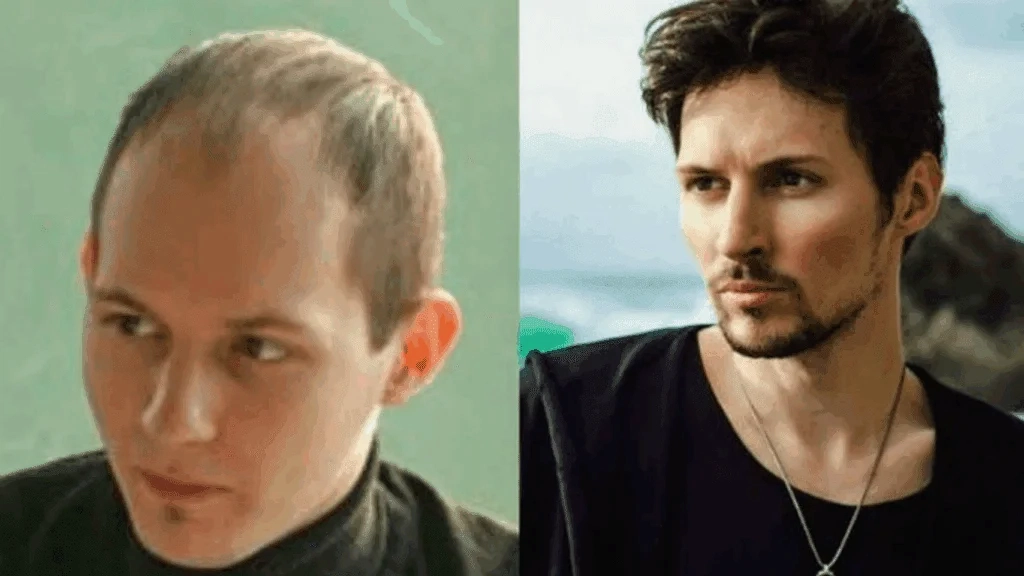
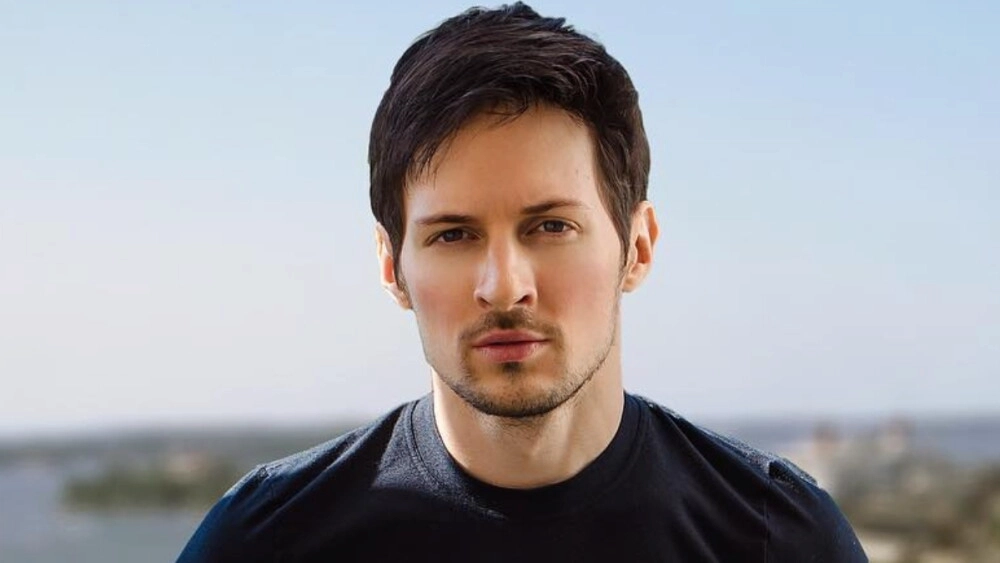
Older and newer photos show enough change to explain the interest in his appearance. Earlier images often show more forehead and less coverage at the front, while later photos show a darker and fuller style. These changes are visible, but they do not prove how the result was achieved.
Pavel Durov’s Earlier Hair Appearance
Earlier photos often show shorter styling and more scalp near the front and temples. Some images also suggest less density on top, but lighting and camera quality can change how thinning looks. Length, texture, color, and styling can also make the same scalp look different.
Visible Changes Over Time
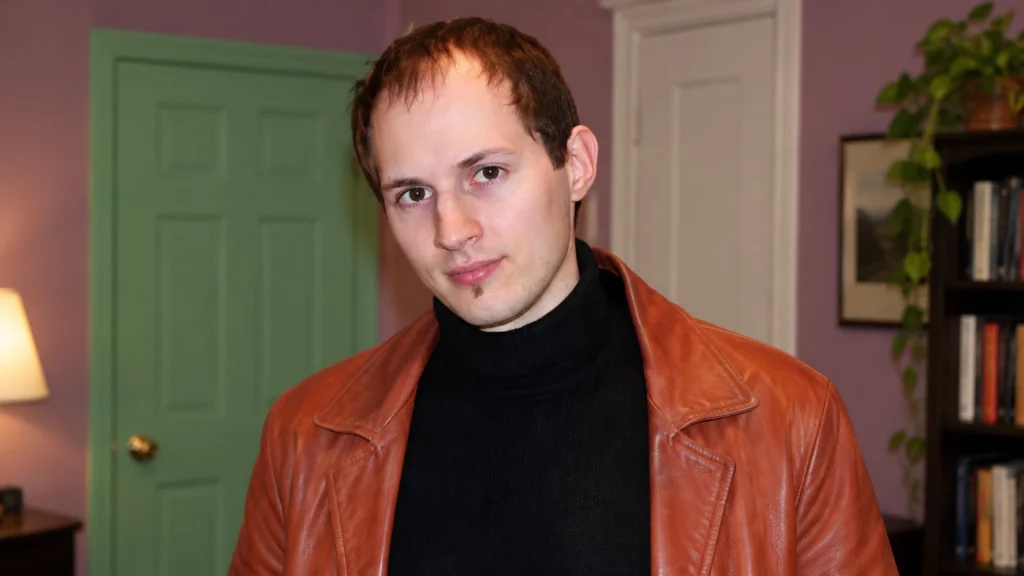
Recent images show more coverage at the front and top, along with longer styling. Blow-drying, fibers, concealers, darker color, and camera angles can all make the scalp look fuller. A real increase in density is possible, but public photos cannot show what caused it.
What Photos Can and Cannot Prove
Photos can show changes in the frontal line, scalp visibility, length, and styling. They cannot confirm graft placement, donor extraction, medicine use, or a bonded or removable system. Even close photos may hide small FUE marks, while lighting or editing can make density look different.
How Did Pavel Durov Get His Hair Back?
The visible change could have several causes, and none has been confirmed. Pavel Durov’s hair restoration could involve surgery, a cosmetic system, medication, styling, or a combination of methods. Surgery may add coverage when enough donor follicles are available, while a hair system can add density without surgery.
Could FUE or DHI explain it?
FUE or DHI could explain the increased frontal coverage in newer photos, especially if he had enough healthy donor hair for surgery. FUE removes follicular units from a donor area, while DHI uses an implanter pen to place harvested grafts.
Still, photos alone cannot confirm which method was used, and the density in recent images could also be due to styling, a hair system, or other treatments. The main differences between FUE and DHI hair transplant methods involve how grafts are implanted and how the procedure is planned.
Hairline design, donor density, graft care, placement angle, and long-term planning all affect the result. FUE leaves small extraction marks, so it should not be described as completely scar-free. Patient selection, doctor skill, graft care, and follow-up also affect healing and growth.
Could a Hair System Explain It?
A hair system is a nonsurgical piece made with human or synthetic hair. It attaches to the scalp or existing strands and can quickly create a large change in density. High-quality systems can look natural in photos, so images alone may not show whether someone is wearing one.
These systems need regular cleaning, adjustment, attachment, and replacement. They do not move living follicles or treat the cause of hair loss. Their purpose is cosmetic coverage, not permanent surgical restoration.
Could Hair Loss Treatments Explain It?
Medical treatment can help some types of pattern loss, but results vary. Minoxidil may support growth and reduce shedding in some men, while finasteride can slow further loss and may lead to some regrowth. There is no verified public information showing that he uses either drug.
Medicine also has clear limits. It may help protect weak follicles, but it cannot create new donor follicles or fully rebuild areas with severe recession. A doctor should identify the cause of thinning before recommending prescription treatment.
What Would a Similar Hair Transplant Involve?
Someone seeking a similar look would need a personal medical review, not a plan based on a celebrity photo. The doctor would check whether surgery makes sense, how much donor supply is available, and which areas need the most attention. Planning should also account for future loss because natural follicles may continue to thin.
Hair Transplant Evaluation and Planning
An evaluation usually includes medical history, scalp checks, donor density, hair thickness, loss pattern, and patient goals. A doctor may also review medicine use, past procedures, scalp problems, smoking, and other factors that may affect healing. Planning then covers graft needs, frontal design, donor care, and possible future loss.
Patients comparing Mexico, Turkey, the United States, or other destinations should look beyond price. Useful questions include:
- Who performs the medical exam and main surgical steps?
- What training and licenses does the medical team have?
- How are problems handled after the patient goes home?
- What follow-up care does the clinic provide?
Rules and medical roles differ between countries and clinics, so the care model matters more than the location alone. Some high-volume centers may involve doctors at different stages, while other clinics keep the physician involved in more steps. Patients should know who performs extraction, creates recipient sites, places grafts, manages anesthesia, and handles follow-up care.
Recovery and Hair Growth
Early recovery may include redness, swelling, soreness, crusting, and temporary shedding. The donor and treated areas heal over time, while transplanted follicles often enter a resting stage before new growth starts. You can’t judge final density in the first few weeks or months.
Growth appears slowly and varies from person to person. Follow-up visits help the medical team check healing, spot problems, review shedding, and track new growth. Good post-hair transplant care, careful technique, and regular follow-up all support the recovery process.
Hair Transplant Cost Factors
Price depends on more than the number of grafts. Doctor involvement, procedure length, treatment area, clinic standards, medicine, travel, follow-up, and possible future sessions can all affect the total cost. At Hair Transplant Mexico, a single-area FUE procedure for the crown or hairline ranges from $4,500 to $8,000, while a full FUE hair transplant ranges from $6,000 to $10,000.
Patients also compare countries before deciding where to have surgery. Mexico, Turkey, and the United States can differ in pricing, travel needs, clinic models, medical rules, and follow-up care. Consider cost alongside doctor involvement, medical oversight, informed consent, donor planning, and access to follow-up care.
Where Did Pavel Durov Get His Hair Transplant?
No reliable public proof shows where a procedure took place, or whether surgery happened at all. Online articles and social posts often suggest clinics or countries, but repeated claims do not make them true. The procedure itself remains unconfirmed.
Is Pavel Durov’s Hair Transplant Clinic Known?
No clinic or treating doctor has been reliably confirmed in public sources. Similar uncertainty can appear in other celebrity cases, including discussions about an MJF hair transplant, where public claims should also be separated from verified evidence.
Claims linking his appearance to a specific provider should be treated with care unless direct proof is available. If you’re researching your own options, medical review, doctor involvement, realistic goals, informed consent, and reliable follow-up matter more than copying an unconfirmed celebrity procedure.
If you are considering hair restoration and want to understand whether FUE may be suitable for your pattern of hair loss, schedule a consultation with Hair Transplant Mexico. A medical evaluation can help clarify candidacy, donor supply, treatment options, expected recovery, and likely costs.