

A proper review would need a close look at the donor area, loss pattern, and scalp. Hair Transplant Mexico in San Pedro Garza García, Monterrey, reviews these factors before discussing FUE, FUT, or other restoration options.
Key Takeaways
- Peterson has not confirmed that he had a surgical procedure, so claims based on photos remain unproven.
- Changes around the frontal area and temples may fit with restoration, but styling, lighting, medicine, and natural changes can also affect his look.
- FUE and FUT are possible techniques, but photos cannot show which method, if any, was used.
- A graft estimate needs a medical exam of the donor area, loss pattern, scalp, and current density.
- Patients should compare doctor involvement, medical oversight, follow-up care, and local rules, not cost alone.
Did Jordan Peterson Get a Hair Transplant?
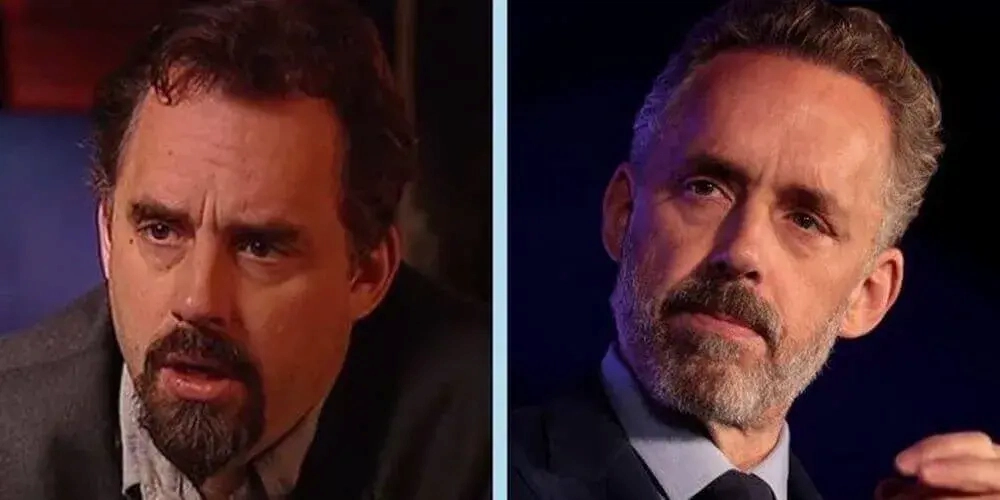
He has not confirmed that he underwent this procedure, so photos alone don’t support a firm claim. The renowned Canadian psychologist and prominent figure has shown different levels of frontal density over time, which has led to talk about possible Jordan Peterson hair restoration.
Male pattern baldness often causes thinning at the temples and front. Hair thinning can also make these areas look less dense. A doctor would need to check the scalp, donor supply, medical history, and hair type before deciding whether someone is a good candidate.
Jordan Peterson Hair Transplant Before and After
His Earlier Hairline
Older photos and videos seem to show more recession around the temples and frontal corners. These changes are often linked to Peterson’s hair loss, but lighting, styling, age, and photo quality can affect how dense the area looks.
Changes in His Hairline
More recent images sometimes show a stronger front line and more visible coverage. If transplanted hair caused the change, individual hair follicles would have been moved from a stable donor area into thinner zones. Natural-looking results depend on graft angle, density, hair type, and the treated area’s design.
What Could Explain His Hair Restoration?
FUE Hair Transplant
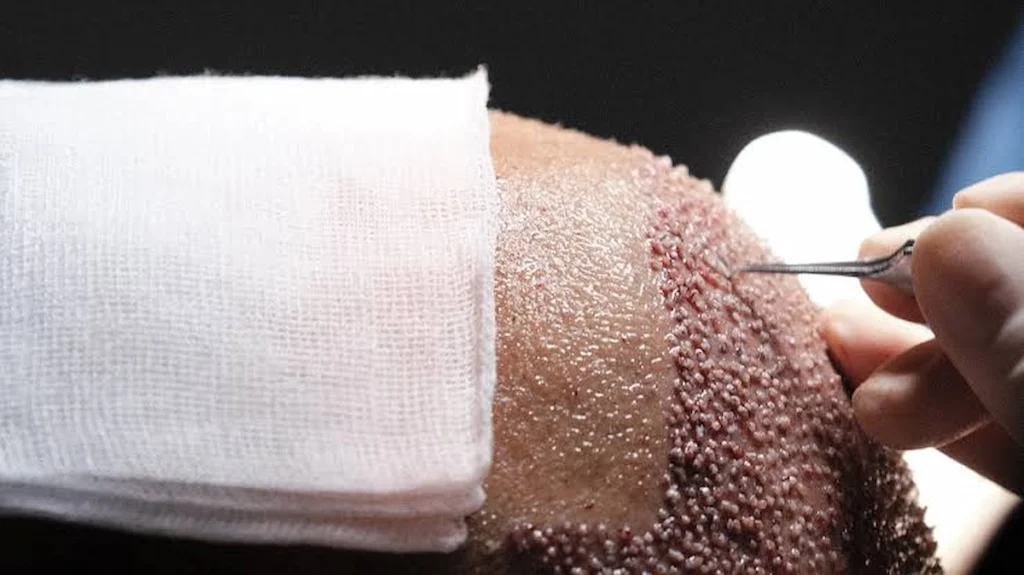
Follicular unit extraction (FUE) removes small groups of follicles one by one from the donor area. The grafts are then placed into areas with less coverage. This modern hair transplant method can leave minimal scarring because it doesn’t remove a long strip of scalp, though small marks may still remain.
DHI (direct hair implantation) is another term used in modern restoration care. It often refers to placing grafts with a pen-style tool after extraction, rather than removing them separately. Doctor involvement matters because planning, graft removal, site design, and medical oversight can affect safety and the final look.
FUT Hair Transplant
FUT (follicular unit transplantation) removes a narrow strip of scalp from the donor area. The tissue is then divided into small grafts for placement. It can provide many grafts, but it usually leaves a thin line scar. Photos cannot show whether he had FUE, FUT, or any surgery at all.
How Many Grafts Might He Need?
You cannot estimate a graft count with confidence from photos alone. For example, if treatment focused only on mild recession at the frontal corners and hairline, a patient might need roughly 1,500 to 2,500 grafts, while a larger area could require more.
A 3,000-graft hair transplant may be considered when a broader area needs coverage. The final number depends on area size, current density, donor supply, and treatment goals.
A real hair transplant journey starts with a medical exam, not a number based only on pictures. Patients who compare treatment in Mexico, the United States, Turkey, or other areas often look at doctor involvement, clinic oversight, local rules, follow-up, and long-term care, not price alone.
Hairstyle and Hair Length
Longer strands can cover thin areas and make the scalp look fuller. Styling products and changes in direction can also change how much scalp is visible.
Lighting and Photography
Bright overhead light can make thinning look worse. Softer light can reduce scalp contrast. Camera angle, image quality, and editing can also change how someone appears in photos of public figures.
Hair Loss Medication
Hair loss medicine may slow shedding or improve density in some patients, but results and risks vary. A doctor should review whether treatment is suitable. No verified public evidence shows he uses medication for this purpose.
Because photos alone cannot confirm the cause of thinning or the right treatment, a medical evaluation is the most reliable next step. Schedule a free consultation with Hair Transplant Mexico to discuss your hair loss pattern, donor area, and treatment options with a qualified physician.