A real procedure requires a medical exam, donor hair removal, graft placement, and several months of growth. Photos cannot show whether his earlier appearance came from natural maturation or active hair loss. Hair Transplant Mexico is a doctor-led clinic in San Pedro, Monterrey, Mexico. Dr. Antonio Aguilar assesses hair restoration cases through medical exams, not online images alone.
Key Takeaways
- JiDion appears to have used a temporary hair system during his May 2023 livestream. No confirmed record of surgery exists.
- The quick change came from hair attached with adhesive. Surgical restoration moves living follicles and takes months to grow in.
- Photos cannot confirm whether JiDion has a mature hairline, active hair loss, or male pattern baldness.
- FUE treatment requires assessing the scalp, donor area, hair quality, and risk of future loss.
- Afro-textured follicles often curve under the skin. This makes careful graft removal even more important.
Did Jidion Get a Hair Transplant?
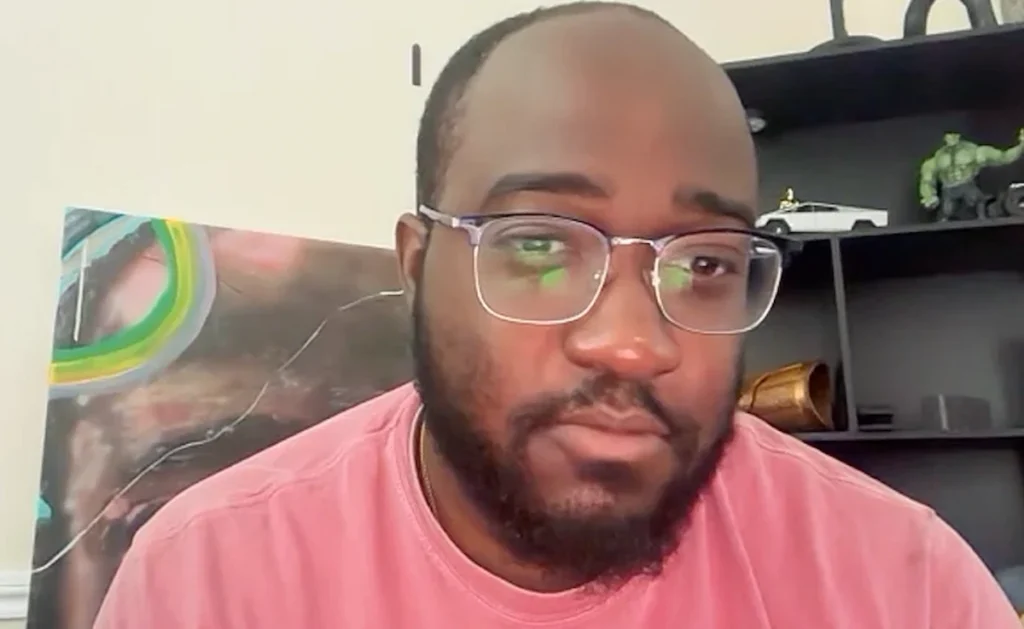
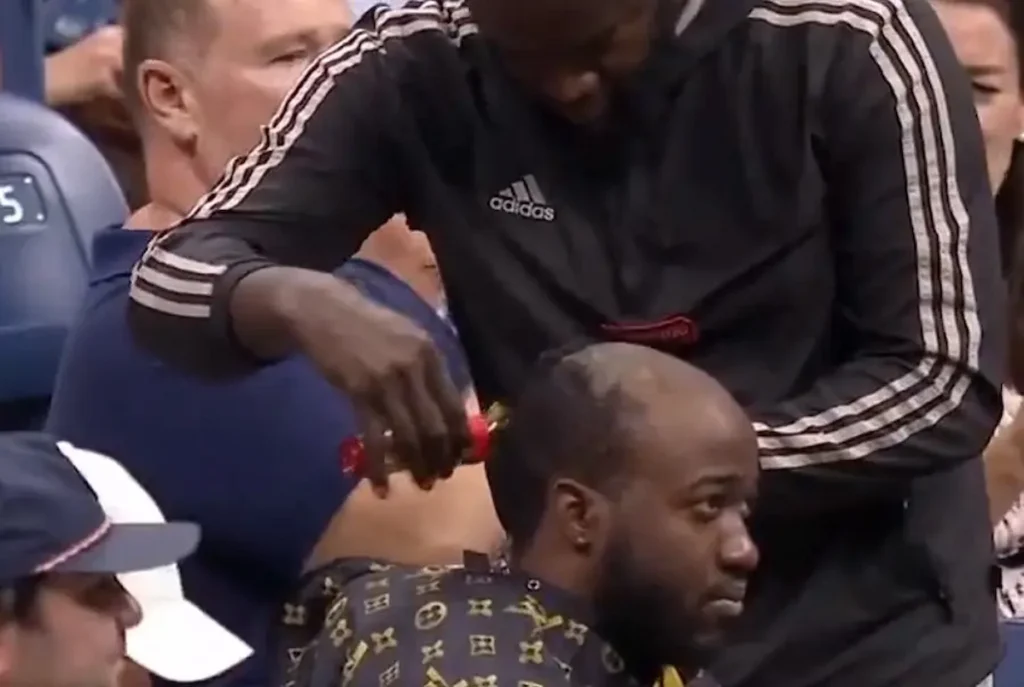
The public video does not show the main steps of transplant surgery. It shows a non-surgical unit attached to the scalp after the front area was shaved. JiDion has not shared medical records or a doctor’s statement confirming surgery.
What His Livestream Showed
The livestream appeared in May 2023 and presented the service as a procedure. The provider shaved part of the scalp, added adhesive, and attached temporary hair. These steps match a hair system fitting, not follicle surgery.
The video spread on social media because it created an instant change. Surgery cannot produce long, full coverage on the same day. New grafts often shed before visible growth appears, which can take several months.
Hair Transplant or Hair System?
A transplant moves living follicles from a donor area to a thin or bald area. FUE (follicular unit extraction) removes small groups of follicles one at a time, while DHI (direct hair implantation) may use pen-shaped tools to place grafts. The best method depends on donor supply, loss pattern, and the treatment plan.
A hair system uses natural or man-made strands attached with adhesive or another fitting method. It gives fast coverage but does not grow new follicles. It requires regular cleaning, care, and replacement.
What the Evidence Confirms
The video supports the conclusion that JiDion received a hair system during that session. It does not prove whether he had surgery at another time. Claims about a later celebrity hair transplant remain unverified without a direct statement or medical record.
Jidion Before and After Hair Transplant
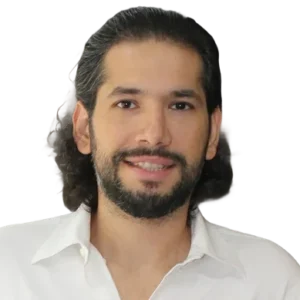
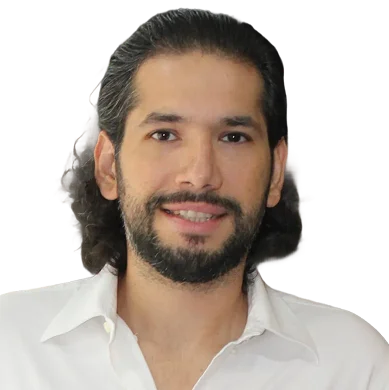
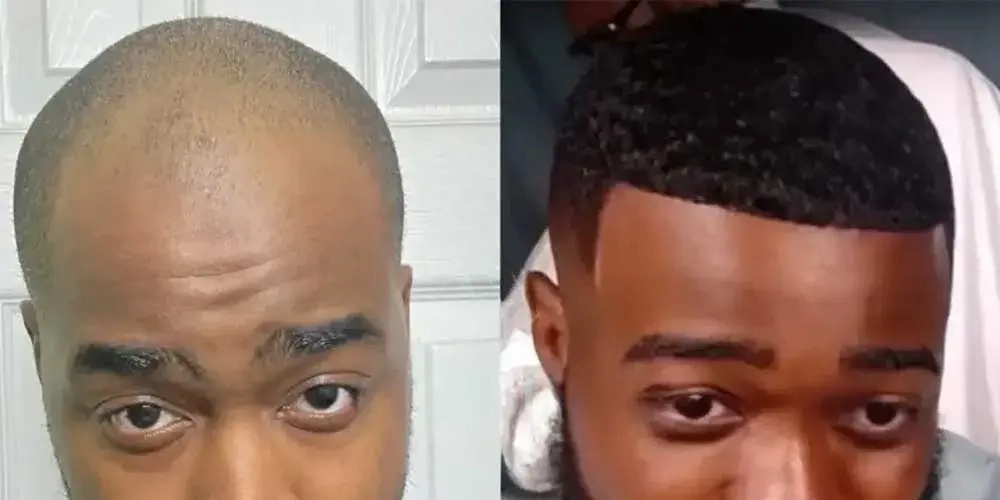
Photos show more frontal coverage after the livestream. This change does not prove that surgery occurred because a fitted unit can create an instant result. Dates, lighting, hairstyles, and camera angles can also affect before-and-after comparisons.
His Hairline Before the Livestream
Older photos show a high frontal line and more open space near the temples. Some viewers see a receding hairline, while others see a mature adult shape.
His Appearance After the Livestream
The fitted unit made the frontal area look lower and fuller. The provider cut and shaped it to match his existing strands. This fast result supports a hair system explanation rather than new follicle growth.
Is Jidion’s Hairline Naturally Receding?
Public photos cannot show whether JiDion has progressive loss. Age, genes, styling, and natural maturation can create similar changes. A doctor would need to examine his scalp, review his medical history, assess donor density, and track the pattern over time.
Understanding His Possible Norwood Stage
Some online reviews place his frontal shape near Norwood stage 1 or 2. These stages can reflect small temple changes or a normal mature hairline. They do not prove male pattern baldness without signs of ongoing thinning.
How Jidion’s Dreads Affect His Hairline
Dreads do not always cause thinning. Tight or heavy styles can pull on follicles around the forehead and temples, which may cause traction alopecia. Loose styling and less tension may reduce this risk.
Different hair types also affect how full the scalp looks. Coiled strands may hide thin areas, while some styles make the frontal line more visible. This makes photo-based assessment less reliable.
Limits of Photo Analysis
Photos cannot show scalp disease, small changes in follicle size, or donor strength. Filters and poor image quality create more uncertainty. A responsible review should describe visible features without diagnosing.
How Much Would a Transplant Cost?
No trusted source confirms what JiDion paid for the service in the video. Hair systems include fitting and upkeep costs, while surgery usually has a larger procedure fee. The final surgical cost depends on the treatment area, graft count, method, and follow-up plan.
Estimated Grafts and Treatment Areas
A doctor cannot choose a safe graft count from online photos. The estimate requires measurements of the frontal area, donor density, hair quality, age, and risk of future loss. Treating only the front may require fewer grafts than treating the temples and crown.
Factors Affecting Hair Transplant Costs
Hair Transplant Mexico lists ranges of $4,500 to $8,000 for one area and $6,000 to $10,000 for a fuller FUE procedure. A medical assessment is required to determine the final plan and price. These ranges are not a personal quote.
International patients often compare Mexico, Turkey, and the United States. They should review physician involvement, local rules, follow-up access, and continuity of care. Prices and levels of medical oversight can vary within every country.
Medical Considerations for Afro-Textured Hair
A hair transplant for Black women requires careful planning because Afro-textured follicles often curve below the skin, which can make graft removal harder. The medical team may need to adjust the tool, angle, and extraction method. Results still vary based on donor supply, follicle condition, and healing.
Curved Follicles and Graft Extraction
FUE removes follicle groups with small round tools called punches. Curved follicles may require careful tool selection and controlled removal angles. DHI pens can help place grafts, but no tool guarantees growth or density.
Why a Medical Evaluation Matters
A qualified doctor should identify the cause and stage of loss before suggesting Jidion hair restoration options or treatment for any patient. The exam should cover medicines, scalp health, donor supply, goals, risks, and informed consent. It can help determine whether surgery, medical care, a hair system, or no treatment is suitable.
Follow-up visits allow the doctor to check healing, shedding, growth, and donor recovery. Visible growth often develops over 6 to 12 months, but each patient’s timeline differs. Medical oversight and access to follow-up care matter more than the destination alone.
Schedule a Medical Evaluation
A medical evaluation can help identify the cause of hair loss and determine whether treatment is suitable. Dr. Antonio Aguilar can assess your scalp, donor area, and treatment goals. Schedule a free consultation with Hair Transplant Mexico to discuss your options.