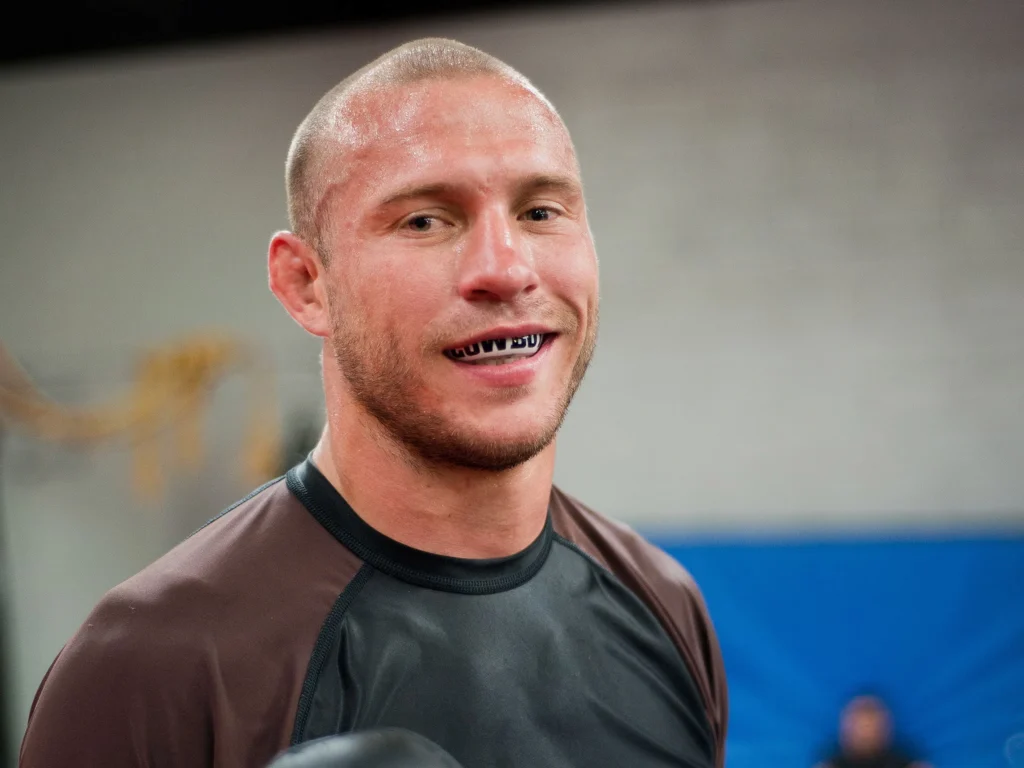
The before-and-after change suggests that grafts were placed along the frontal area. Photos cannot confirm graft survival, donor health, or long-term growth. Hair Transplant Mexico uses cases like this to explain how doctor involvement, donor quality, planning, and follow-up can affect results.
Key Takeaways
- Cerrone confirmed that he had a restoration procedure in Istanbul, Turkey. His exact method, graft count, cost, and treatment plan remain unknown.
- Public photos show greater frontal coverage. They cannot confirm graft survival, final density, donor health, or long-term results.
- FUE and DHI are common methods. Results depend on donor quality, hairline design, doctor involvement, graft care, and follow-up.
- The cost of 3,000 grafts varies by country, clinic type, medical care, and the services included. Patients should compare the full treatment plan, not only the price.
- A medical exam is needed because candidacy, healing, risks, and final coverage vary from person to person.
Did Donald Cerrone Get a Hair Transplant?
Yes. He spoke about the procedure after traveling to Istanbul. His comments and later photos support that he underwent surgical restoration. They do not reveal all the medical details.
What Remains Unconfirmed
No public medical record confirms the exact graft count, method, price, or treatment plan. Some articles say he had FUE (Follicular Unit Extraction), while others mention FUT (Follicular Unit Transplantation). These details should remain estimates unless he or his doctor confirms them.
Where Did Donald Cerrone Get His Hair Transplant?
He said he received treatment in Istanbul, Turkey. He also named Now Hair Time when speaking about the trip. Istanbul is a major medical travel center, but clinic models and doctor involvement can vary.
Patients often compare Turkey, Mexico, and the United States based on cost, travel, medical care, and follow-up. Monterrey offers a strong balance of doctor-led care, value, and access from North America. Hair Transplant Mexico is based in San Pedro Garza García, Monterrey.
Donald Cerrone’s Hair Restoration Explained
The visible change suggests that follicles were moved into areas with less frontal coverage. His exact method has not been confirmed. Donald Cerrone’s hair restoration can still help explain how modern procedures often work.
How FUE and DHI Work
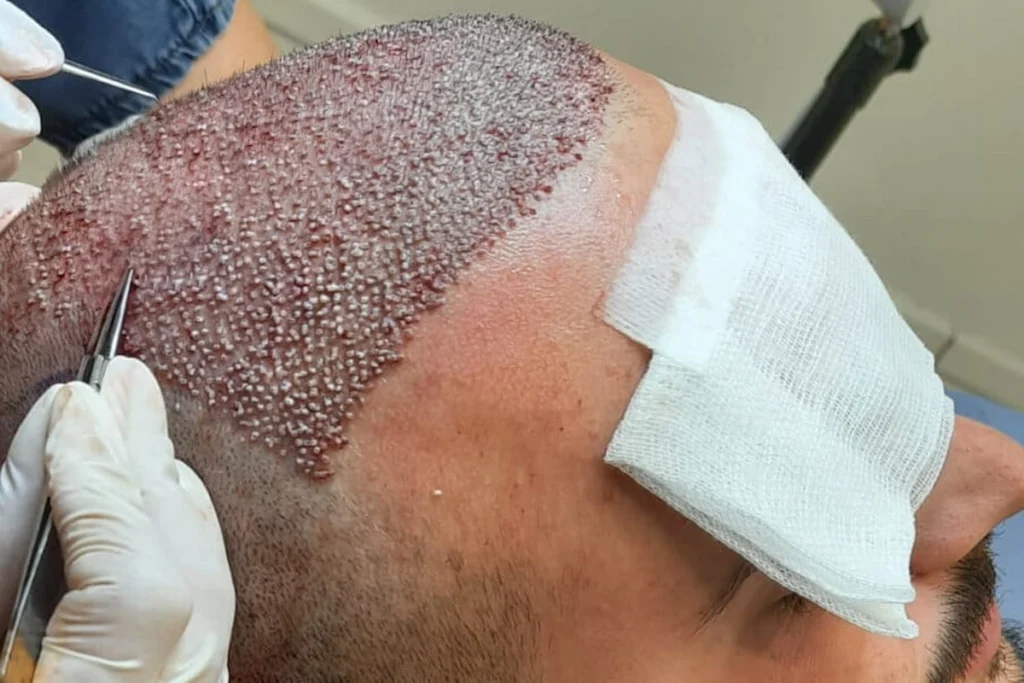
During FUE, the doctor removes small groups of follicles from the donor area. This area is usually at the back or sides of the scalp. The grafts are then placed into small sites based on the treatment plan.
FUE does not leave one long strip scar. It does create many small round scars. DHI (Direct Hair Implantation) usually refers to placing grafts with a pen-shaped tool. Neither method can promise a set level of density.
How Was His Treatment Planned?
No public source shows his full surgical plan. A doctor would usually check the cause of thinning, donor density, scalp health, age, medical history, and future loss. These findings help decide if surgery is suitable and how many grafts may be needed.
Estimated Graft Requirements
Some articles estimate that he received about 2,500 grafts. This number has not been confirmed. Photos cannot show the exact number of follicles that were removed or survived.
The required graft count depends on several factors. These include the area size, strand thickness, curl, donor density, and desired coverage.
How Much Do 3,000 Grafts Cost?
The cost of a 3,000-graft hair transplant varies by country, clinic type, doctor involvement, and the care included. At Hair Transplant Mexico, a single-area FUE procedure for the crown or hairline starts at $4,500 and can reach $8,000. A full FUE procedure ranges from $6,000 to $10,000.
No reliable public source confirms what Cerrone paid. Online figures may only reflect general prices in Turkey. Travel, lodging, graft count, doctor fees, and follow-up can change the total cost.
Donald Cerrone’s Hair Transplant Results
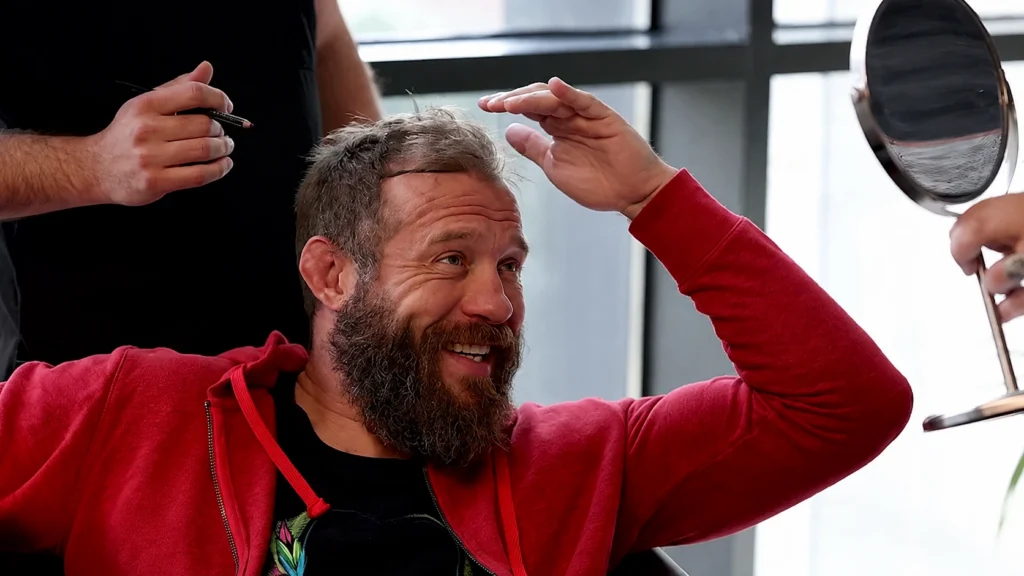
Donald Cerrone’s hair transplant before-and-after photos show increased coverage at the front of his scalp. The clearest change appears along the frontal line. Lighting, camera angle, length, and styling can change how thick the area looks.
The images support that treatment took place. They do not prove the final density or long-term outcome.

Are His Results Final?
The date of each photo matters. Transplanted follicles go through healing, shedding, new growth, and later growth stages. Without a clear date, readers cannot know if an image shows an early stage or a mature result.
Photos also cannot confirm graft survival, scalp health, or donor damage. A doctor must examine the scalp to assess these points.
Recovery and Medical Risks
Most patients have redness, small scabs, swelling, and soreness during the first 7 to 10 days, when proper post-hair transplant care helps protect the grafted area. Temporary shedding often starts within 2 to 8 weeks, while new growth may begin around months 3 to 4 and continue to improve for up to 12 months.
Possible risks include infection, visible scarring, poor graft growth, uneven direction, and donor-area thinning. The procedure does not stop future genetic loss, so untreated areas may keep thinning and may need medical treatment or later surgery.
What Can Patients Learn?
One celebrity result cannot predict another person’s outcome. Donor density, strand type, scalp health, age, loss pattern, planning, and graft care all affect the result. Patients should also compare the level of doctor involvement, local rules, follow-up, and access to care after they return home.
A trained doctor should confirm the cause of loss before surgery. Dr. Antonio Aguilar reviews medical history, scalp health, donor supply, and realistic goals when checking candidacy. This type of exam helps patients understand what treatment may and may not achieve.
What Can Patients Learn?
One celebrity result cannot predict another person’s outcome. Donor density, strand type, scalp health, age, loss pattern, planning, and graft care all affect the result. Patients should also compare the level of doctor involvement, local rules, follow-up, and access to care after returning home.
A trained doctor should confirm the cause of loss before surgery. Dr. Antonio Aguilar reviews medical history, scalp health, donor supply, and realistic goals when checking candidacy. Schedule a free consultation to learn whether a hair transplant may be suitable for you.