Possible risks include infection, numbness, shock loss, graft damage, poor growth, and excessive removal of follicles. A session often lasts four to eight hours, depending on the number of grafts and the areas of the scalp being treated.
Follicles taken from a stable donor area may grow for years, but nearby strands can still become thin. Hair Restoration Mexico is a doctor-led clinic based in San Pedro Garza García, Monterrey, and this guide explains the risks, results, cost, and recovery in clear terms.
Key Takeaways
- The device uses FUE hair transplantation to remove follicles without a strip cut or linear scar.
- Results depend more on the doctor’s planning, extraction control, and graft placement than on the device itself.
- Main risks include graft damage, shock loss, infection, small scars, poor growth, and donor thinning.
- Early recovery often takes a few days, while final density may take six to twelve months.
- Patients should check who performs each step and review similar results before choosing a provider.
What Is the NeoGraft Method?
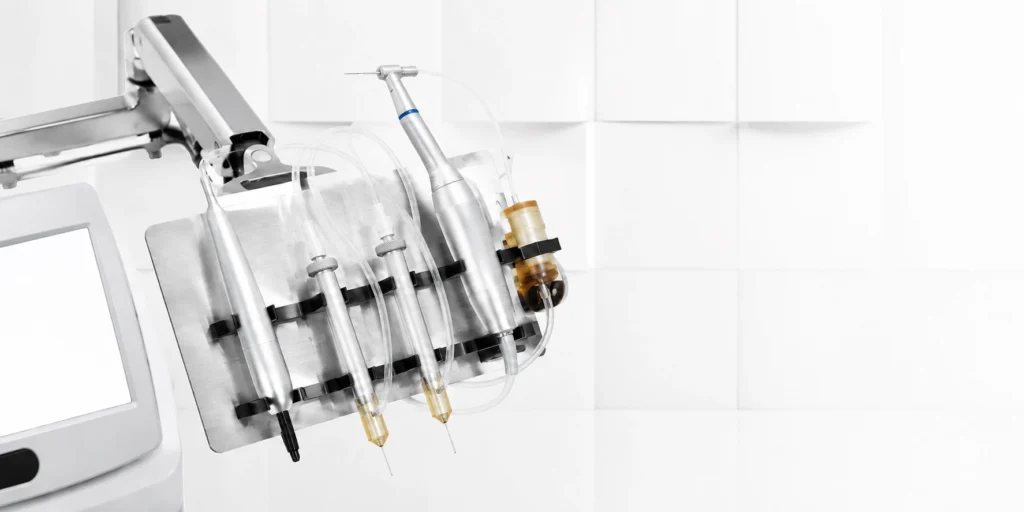
NeoGraft is a hair transplant technology that helps a medical team harvest hair from a donor area during FUE. It does not find the cause of hair loss, design the hairline, or decide where each graft should go. Those steps require medical knowledge and good visual judgment.
How Does the Procedure Work?
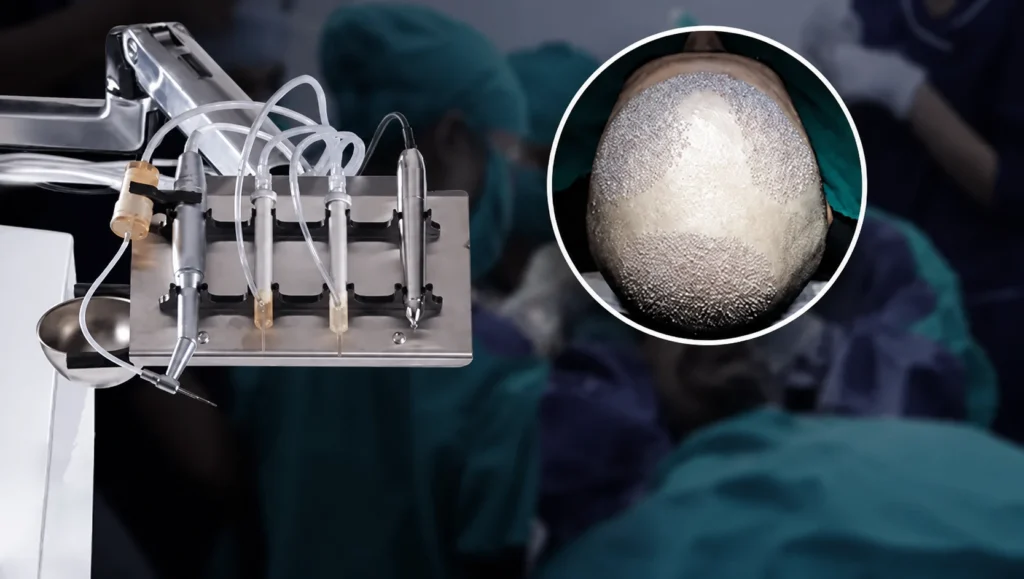
A clinician checks the cause of thinning, donor density, health history, and the risk of future loss. The team trims the donor area, applies local anesthetic, removes follicular units, and places them where additional coverage is needed. Large sessions may take most of the day.
A broader guide to how hair transplants work explains donor extraction, recipient-site creation, graft placement, and recovery in more detail.
What Are the Main Risks?
Poor punch control can cut follicles or remove too much donor tissue. This may leave the donor area thin or patchy. Patients may also have swelling, itching, numbness, shock loss, infection, or small round scars.
Some grafts may fail due to injury, dryness, poor handling, or low blood flow. Patients should contact their surgeon if they have fever, pus, heavy bleeding, more pain, or spreading redness. Fast medical care can help control these problems.
Reduced Control During Extraction
NeoGraft uses a powered device to remove follicles, which may give the doctor less direct control than manual FUE. Precise changes to punch angle, depth, and pressure still depend on the operator. Poor settings or weak technique can damage grafts, injure nearby follicles, or remove too much donor hair.
Does the Treatment Work?
The procedure can work when the team chooses the right patient and handles each graft with care. Clinics may measure success through graft survival, visible density, patient satisfaction, or the need for more treatment. For this reason, a single success rate cannot capture all results.
Hair grows in stages after the first shedding period. Early growth may start after a few months, while full density can take up to a year. A good candidate for NeoGraft usually has stable hair loss, enough donor density, a healthy scalp, and realistic goals.
How Does It Compare With Other Methods?
NeoGraft and manual FUE both remove follicles one at a time. Manual FUE gives the doctor direct control during removal. Patients comparing device-assisted options can also review how an ARTAS hair transplant in Mexico uses digital scalp mapping and robotic extraction under physician supervision.
Follicular Unit Transplantation (FUT) involves removing a strip of scalp and may yield more grafts per session, but it leaves a linear donor scar.
Neither method can promise a better result on its own. Good planning, safe donor use, and careful graft placement matter more than the tool. The right choice depends on the patient’s needs, donor supply, and treatment goals.
Cost, Recovery, and Results
In Mexico, NeoGraft often costs about $3,200 to $6,200. It is generally more expensive than standard manual FUE. The final price depends on the graft count, the clinic, the doctor’s involvement, and the included care.
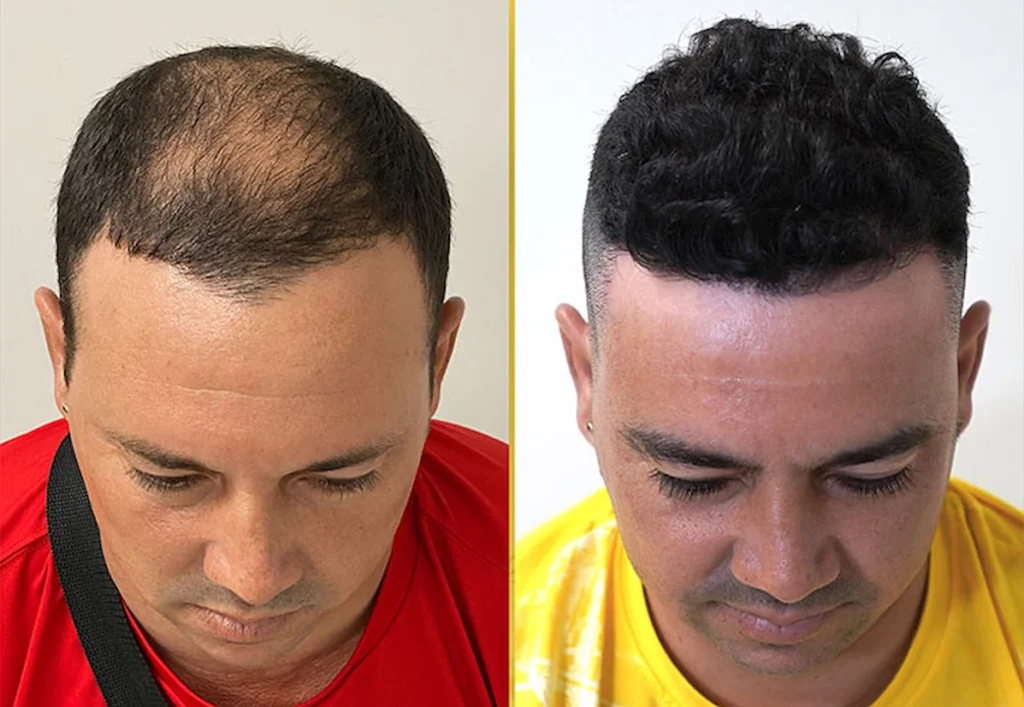
Redness, swelling, and small scabs may last one to two weeks. The transplanted strands often shed before new growth starts several months later. Density builds over time, with final results often visible after nine to twelve months. Patients should follow their doctor’s instructions for washing, hats, exercise, and sun exposure.
Choosing a Qualified Provider
Patients should ask who diagnoses the cause of hair loss, designs the hairline, creates the recipient sites, removes follicles, and manages complications. Dr. Antonio Aguilar specializes in FUE Micrografting and Hair Restoration and has extensive clinical experience. Hair Restoration Mexico does not offer NeoGraft procedures.
Patients researching hair transplant options in Mexico can schedule a free consultation to discuss their candidacy, risks, expected cost, and long-term treatment plan.